Overview

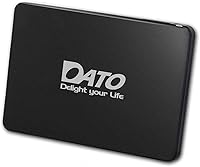
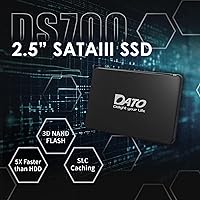
The DATO DS700 512GB 2.5″ Internal SSD is a straightforward storage upgrade from DATOTEK, aimed squarely at anyone still running a mechanical hard drive in an older laptop or desktop. Launched in late 2024, the brand may not ring a bell the way Samsung or Crucial does — and that is worth acknowledging upfront. What it offers is a practical 512GB capacity, enough for an operating system, everyday apps, and a decent chunk of personal files. It is a SATA III drive, so if your machine already has an NVMe slot, look elsewhere. For SATA-based systems, it backs the value pitch with a 3-year warranty and a respectable 280 TBW endurance rating.

Features & Benefits

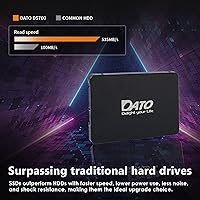
This 2.5-inch SATA SSD reads at up to 535 MB/s and writes at up to 500 MB/s — about as fast as the SATA interface physically allows. For everyday tasks like booting Windows, launching apps, or loading documents, that is plenty. The drive uses 3D NAND flash, which generally holds up better over time than older planar NAND designs. There is also a Smart SLC cache layer that handles burst writes quickly — handy for copying moderate-sized files or installing software. One honest caveat: if you are writing very large batches of data continuously, speeds will dip once the cache fills. At 1.23 ounces and 7mm thin, it drops right into most standard laptop bays without modification.

Best For

This DATO SSD is a natural fit for anyone whose older laptop is crawling along on a mechanical hard drive. The speed jump from HDD to any SSD is dramatic, and the DS700 drive handles that transition well for typical everyday use — web browsing, word processing, streaming, and light photo work. Desktop users with an open bay can also use it as a secondary storage drive. Older Intel-based Macs with a SATA slot are another solid use case. What it is not built for is heavy video editing, large database workloads, or systems where NVMe is already the standard. Match it to the right machine and it punches well above its price.

User Feedback

With a 4.4 out of 5 rating across roughly 100 reviews, early reception for this 2.5-inch SATA SSD has been encouraging — though the sample size is still modest enough that conclusions should be held lightly. The most consistent praise centers on easy installation and the noticeable speed boost over whatever hard drive it replaced. Buyers also mention quiet, cool operation as a recurring plus. On the cautious side, DATO is not a household name, and with the drive only on the market since late 2024, long-term reliability remains unproven. A few buyers flag brand unfamiliarity as an initial hesitation, though most report satisfaction after the fact. Value for money is the theme that comes up most.

Pros

  • Replacing a mechanical hard drive with this DATO SSD delivers a dramatic, immediately noticeable speed improvement for everyday tasks.
  • Sequential read speeds hit close to the practical ceiling of the SATA III interface, so you are not leaving performance on the table.
  • The 7mm, 2.5-inch form factor fits most older laptops and desktops as a direct drop-in replacement with no modifications needed.
  • At under 40 dollars for 512GB, the DS700 drive offers genuinely competitive value at the budget end of the SSD market.
  • A 3-year limited warranty provides a reasonable safety net for a value-tier storage drive.
  • The 280 TBW endurance rating is solid for typical everyday use over several years.
  • 3D NAND flash generally holds up better over time than older planar designs, which matters for long-term reliability.
  • No moving parts mean silent, cool, and vibration-resistant operation — particularly useful in laptops carried around daily.
  • Early buyers consistently highlight how straightforward the installation process is, even for first-timers.
  • At just over an ounce, it adds virtually no weight to a laptop.

Cons

  • DATO is not a well-known brand, and independent long-term reliability data is still limited given its late 2024 launch.
  • The review pool of roughly 100 ratings is too small to draw firm conclusions about durability or failure rates.
  • SLC cache is finite — sustained large file transfers will see write speeds drop once the cache is exhausted.
  • 512GB fills up faster than expected when an OS, apps, games, and media share the same drive.
  • SATA III throughput is significantly lower than even entry-level NVMe drives, making this a poor fit for any system with an M.2 slot.
  • No adapter is included, so desktop users needing a 3.5-inch bay mount will need to purchase one separately.
  • There is no official public data on the NAND chip supplier, which makes independent durability assessments harder to verify.
  • Buyers who want a brand with a large, active user community for troubleshooting support may find DATO's ecosystem thin.

Ratings

The DATO DS700 512GB 2.5″ Internal SSD has been evaluated by our AI rating engine after parsing verified purchase reviews from global buyers, with spam, bot activity, and incentivized feedback actively filtered out. Scores reflect the honest distribution of real-world satisfaction — including the recurring frustrations alongside the genuine wins. Both sides of the experience are represented here so you can make a properly informed decision.

Value for Money
88%
For buyers on a tight budget, this DATO SSD consistently earns praise for delivering a meaningful performance upgrade without the premium price tag of more established brands. Users frequently note that the cost-per-gigabyte ratio feels fair, especially when compared to what a similarly priced mechanical drive would offer in 2024.
A small number of buyers feel that paying slightly more for a name-brand alternative would have given them greater peace of mind on reliability. The value equation is strong, but it does depend heavily on the drive holding up over the long term — something that cannot yet be fully verified.
Read & Write Performance
83%
Users upgrading from spinning hard drives report a dramatic improvement in everyday responsiveness — boot times, app launches, and file access all feel noticeably faster. For SATA-based systems, the DS700 drive delivers speeds that sit right at the practical ceiling of the interface, meaning buyers are getting what the connection can realistically offer.
Power users who later discover the SATA throughput limit sometimes feel underwhelmed when benchmarking against NVMe alternatives. Sustained large file transfers — like copying a full video project folder — can show speed dips once the SLC cache is saturated, which occasionally surprises buyers who expected consistent peak figures throughout.
Installation Ease
91%
This is one of the most consistently praised aspects across user reviews. Buyers with little to no technical experience describe the swap from a hard drive as straightforward, with the standard 2.5-inch form factor fitting directly into most older laptops and desktops without any fiddling or adapters required.
A handful of desktop users ran into the need for a 3.5-inch mounting bracket, which is not included in the box and requires a separate purchase. A small number of Mac users also noted that identifying SATA compatibility in their specific model required research before they could confirm the drive would fit.
Reliability & Durability
67%
33%
The solid-state design with no moving parts gives the DS700 drive an inherent advantage over mechanical hard drives in terms of shock resistance, which users who carry laptops daily find genuinely reassuring. The 3D NAND construction and 280 TBW endurance rating are reasonable figures for the price tier and light-to-moderate workloads.
DATO is a brand that only entered the market in late 2024, and the honest reality is that long-term reliability data simply does not exist yet. With only around 100 reviews collected so far, there is not enough of a track record to confidently assess how these drives perform after two or three years of sustained use.
Brand Trust
58%
42%
Buyers who did their research and understood they were purchasing a value-tier drive from a newer brand tend to come away satisfied, particularly when the drive performs as advertised out of the box. The 3-year warranty does provide a tangible commitment from DATOTEK that helps offset some of the brand uncertainty.
A recurring hesitation in buyer feedback is the unfamiliarity of the DATO name — many shoppers note they had to talk themselves into trying it versus sticking with Samsung, Crucial, or Kingston. For buyers who prioritize brand reputation and an established support ecosystem, this drive will feel like a leap of faith that not everyone is comfortable taking.
SLC Cache Effectiveness
74%
26%
For the workloads this drive is actually designed for — installing apps, copying moderate-sized documents, browsing-related temp file activity — the SLC cache does its job well, keeping the experience feeling snappy without obvious slowdowns during typical daily tasks.
The cache size is finite and not officially disclosed, which means heavy users who push large sequential writes in one session will eventually see throughput drop to slower native NAND speeds. This is a design reality of most budget SSDs, but buyers expecting consistent peak write performance across large transfers may find it frustrating.
Noise & Heat
93%
Users consistently appreciate the completely silent operation — coming from a clicking, whirring mechanical drive, the absence of any noise is one of the first things buyers notice after installation. Heat output is also described as negligible under normal use, with the drive remaining cool to the touch even after extended sessions.
There is very little to criticize here, as this is an inherent advantage of solid-state storage. A very small number of users in hot ambient environments noted slightly warm chassis temperatures, but this is almost certainly a broader system cooling issue rather than anything specific to the drive itself.
Compatibility
79%
21%
The standard SATA III interface and universal 2.5-inch sizing means this drive slots into a very wide range of systems, including older Windows laptops, desktop PCs, and Intel-based Macs — a compatibility range that buyers genuinely appreciate given how varied older hardware can be.
Compatibility questions do come up from buyers with less technical experience, particularly around whether their specific laptop has a SATA connector or uses a proprietary interface. Buyers with newer machines featuring only M.2 NVMe slots are occasionally disappointed to discover this drive is simply not compatible with their setup.
Packaging & Unboxing
71%
29%
The packaging is described as functional and appropriately protective, with the drive arriving safely and without cosmetic damage in the reviews that mention it. For a budget-tier product, buyers generally consider the presentation acceptable and not unnecessarily wasteful.
There are no accessories, documentation, or bundled software included, which is a minor but recurring disappointment for less experienced buyers who expected at least a basic setup guide or cloning software license. More experienced users tend not to mind, but first-time SSD upgraders sometimes feel left without guidance.
Storage Capacity
77%
23%
For users focused on running an operating system and a core set of applications, 512GB is a comfortable amount of headroom and one of the most frequently cited reasons buyers chose this particular variant over cheaper smaller options. It covers typical home and office computing needs without feeling immediately constrained.
Buyers who later load up games, large photo libraries, or video collections alongside their OS and apps find 512GB fills up faster than expected. A few reviewers mention wishing they had opted for the 1TB version with hindsight, particularly as software installations have grown significantly in size over the past few years.
Sustained Write Performance
62%
38%
For the short-burst write tasks that define most everyday computing — saving files, downloading updates, extracting archives — the drive performs reliably and without obvious hesitation. Users doing standard productivity work rarely encounter a situation where write speed becomes a noticeable bottleneck.
The drop-off in write speed once the SLC cache is exhausted is a real limitation for anyone transferring large media files or performing continuous write-heavy tasks. Benchmarks that push beyond the cache reveal speeds more in line with the lower-end NAND tier underneath, which is worth understanding before buying.
Weight & Portability
94%
At just over an ounce, the drive adds virtually nothing to the overall weight of a laptop, which users who travel frequently or carry their machines daily appreciate more than they might have expected. It is one of those specs that sounds minor until you are comparing it to the heft of the mechanical drive it replaced.
There is genuinely little to criticize in this category for a device of this type. The only marginal note is that the drive has no carry case or sleeve included, so users transporting it uninstalled — as a spare or for use in multiple machines — need to store it carefully to avoid static or scratches.
Long-Term Value Outlook
66%
34%
If the drive performs consistently over a 3-year warranty period, the cost-per-year of ownership works out to be genuinely competitive with better-known alternatives. Buyers who approach it as a calculated budget bet tend to feel positive about the overall proposition, particularly for secondary or non-critical use cases.
The lack of long-term reliability data is the central unresolved question for this drive. Buyers investing in a primary system drive for a machine they depend on daily are taking on more uncertainty than they would with an established brand, and that uncertainty is reflected in the cautious undertone of some user feedback.

Suitable for:

The DATO DS700 512GB 2.5″ Internal SSD was built for a very specific and common situation: an older machine that is still perfectly functional but has been dragging its feet because of a mechanical hard drive. If you have a laptop from 2012 to 2019 that boots slowly, takes forever to open apps, or sounds like it is thinking too hard, swapping in this DATO SSD will almost certainly be the most impactful upgrade you can make. It is also a practical choice for desktop users who have an open 2.5-inch bay and want dedicated, faster storage for their operating system or frequently used applications. Owners of older Intel-based MacBooks that still rely on a SATA connection will find it a straightforward fit. For light, everyday computing — web browsing, office work, video streaming, casual photo organizing — this drive covers the bases without overcomplicating the decision.

Not suitable for:

The DATO DS700 512GB 2.5″ Internal SSD is not the right call for anyone building or upgrading a modern system with an M.2 NVMe slot available, since that interface delivers multiples of the throughput SATA can physically offer. Content creators who regularly move large video files, run demanding creative workflows, or push sustained write-heavy workloads will likely find the SLC cache saturates sooner than they would like, causing speeds to taper off. Anyone who needs 1TB or more upfront should also weigh their options carefully, since 512GB fills up faster than expected once an OS, applications, and media libraries are in the picture. Buyers who strongly prefer established storage brands with long public track records and deep user communities may also hesitate — DATO is a relatively new name in this space, and independent long-term reliability data is still thin. If brand reputation and proven longevity matter more to you than price, a more established alternative is worth the modest extra spend.

Specifications

  • Storage Capacity: The drive provides 512GB of usable storage, suitable for an operating system, essential applications, and a reasonable library of personal files.
  • Interface: It connects via SATA III (Serial ATA-600), the standard found in most laptops and desktops produced between roughly 2010 and 2020.
  • Form Factor: The 2.5-inch form factor with a 7mm z-height fits the vast majority of laptop upgrade bays and standard desktop drive cages without requiring a spacer or adapter.
  • Read Speed: Sequential read performance reaches up to 535 MB/s, which sits near the practical throughput ceiling of the SATA III interface.
  • Write Speed: Sequential write performance reaches up to 500 MB/s under optimal conditions, particularly for burst workloads handled by the SLC cache layer.
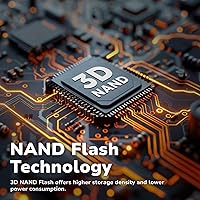
  • NAND Type: The drive uses 3D NAND flash memory, which stacks memory cells vertically to improve density and generally offers better longevity than older planar NAND designs.
  • Cache Technology: Smart SLC caching is implemented to accelerate short burst writes and reduce wear on the underlying NAND cells during everyday use.
  • Endurance Rating: The rated endurance is 280 TBW (terabytes written), which for typical everyday computing represents several years of normal workload.
  • Warranty: DATOTEK covers the DS700 with a 3-year limited warranty, providing a reasonable support window for a value-tier storage drive.
  • Dimensions: The drive measures 3.94 x 2.76 x 0.27 inches (length x width x height), consistent with the standard 2.5-inch SSD footprint.
  • Weight: At 1.23 ounces, the drive adds negligible weight to any laptop or desktop system.
  • Compatible Devices: It is designed to work with laptops, PC desktops, and older Intel-based Mac systems that use a SATA interface.
  • Color: The drive ships in a black enclosure with no heatsink included, as SATA SSDs operate well within thermal limits without one.
  • Model Number: The official model designation is DS700SSDA-512GB, part of the DS700 series produced by DATOTEK.
  • Manufacturer: The drive is made by DATOTEK, the company behind the DATO brand, which entered the consumer SSD market with this product line in September 2024.
  • Heatsink: No heatsink is included or necessary, as SATA SSDs generate significantly less heat than NVMe drives under typical workloads.
  • Shock Resistance: The solid-state design with no moving parts provides inherent resistance to vibration and minor physical impacts, making it appropriate for frequently transported laptops.
  • Platform Support: The drive is compatible with both Windows PCs and Intel-based Mac machines that include a SATA drive bay.

Related Reviews
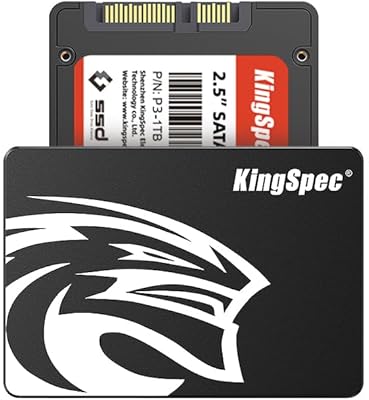
KingSpec 512GB 2.5-inch SATA SSD
77%
88%
Value for Money
83%
Read & Write Speed
86%
Installation Ease
61%
Long-term Reliability
63%
Thermal Performance
More
DATO DP330 512GB M.2 2230 NVMe SSD
79%
78%
Read/Write Speed
94%
Form Factor Fit
88%
Installation Ease
83%
Value for Money
53%
Thermal Management
More
DATO DP700Pro 512GB M.2 NVMe SSD
77%
83%
Read/Write Performance
91%
Value for Money
94%
Installation Ease
61%
Thermal Management
67%
Brand Trust & Reliability
More
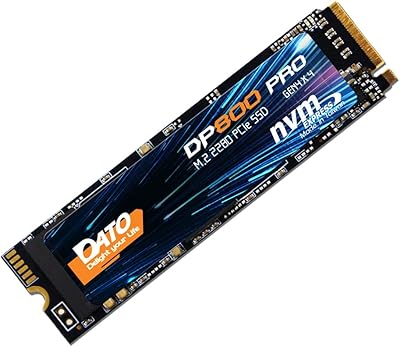
DATO DP800 Pro 512GB M.2 NVMe SSD
90%
94%
Performance
95%
Speed/Read-Write Performance
87%
Installation Ease
90%
Power Efficiency
88%
Durability (Shock Resistance)
More
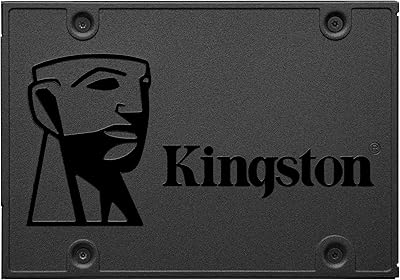
Kingston A400 240GB SATA 3 2.5″ Internal SSD
84%
89%
Performance (Read/Write Speed)
92%
Value for Money
86%
Durability (Shock Resistance)
91%
Ease of Installation
83%
Compatibility
More
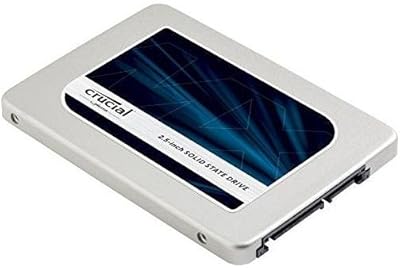
Crucial MX300 2TB SATA 2.5 Inch Internal SSD
86%
92%
Performance
89%
Value for Money
88%
Durability
91%
Ease of Installation
94%
Read Speed
More
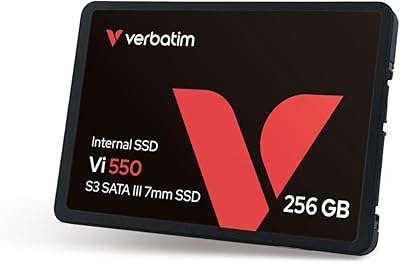
Verbatim 256GB Vi550 SATA III 2.5″ Internal SSD
86%
92%
Performance
88%
Value for Money
85%
Build Quality
90%
Ease of Installation
87%
Durability
More
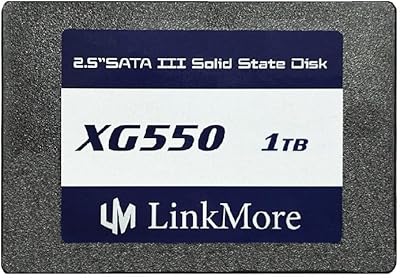
LinkMore XG550 1TB 2.5″ SATA III Internal SSD
84%
89%
Performance
92%
Value for Money
86%
Read Speed
85%
Write Speed
94%
Ease of Installation
More
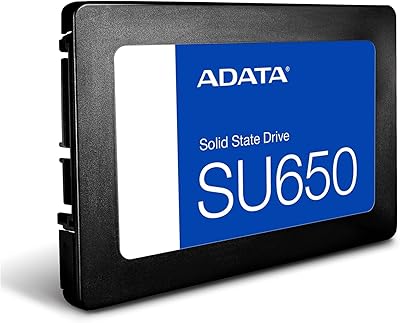
ADATA SU650 1TB 3D-NAND SATA 2.5 inch Internal SSD
86%
88%
Performance
92%
Value for Money
85%
Installation Ease
87%
Speed (Read/Write)
78%
Software Experience
More
Crucial MX500 500GB 3D NAND SATA 2.5 Inch Internal SSD
87%
92%
Read Speed
88%
Write Speed
91%
Reliability
78%
Compatibility with Older Systems
84%
Temperature Management
More

FAQ

In most cases, yes. If your laptop uses a standard 2.5-inch drive bay — which is extremely common in machines made between 2010 and 2019 — the DS700 drive should drop right in. The 7mm thickness is the standard slim profile, so you generally will not need any spacer. That said, it is always worth double-checking your laptop model's specs before ordering, since a small number of ultrabooks use proprietary connectors.

It depends on which MacBook you have. Older Intel-based MacBook Pros — roughly 2012 through 2017 — used standard SATA drives and will work fine with this 2.5-inch SATA SSD. However, MacBooks from 2018 onward use soldered or proprietary NVMe storage, meaning there is no accessible drive bay at all. Check your specific model before buying.

If you are coming from a spinning hard drive, the difference is substantial and immediately obvious. Boot times that used to take a minute or more can drop to under 20 seconds. Apps open faster, file transfers feel snappier, and the system just responds more quickly in general. It is one of the most impactful hardware upgrades you can make to an older machine.

Installation typically only requires a small Phillips-head screwdriver to open your laptop panel and swap the drive. On the software side, you can either do a clean install of your operating system onto the new drive or use cloning software — there are free options like Macrium Reflect for Windows — to copy your existing setup over before swapping drives.

TBW stands for terabytes written, and it is the manufacturer's estimate of how much data you can write to the drive over its lifetime before the NAND cells start to wear out. For a typical home or office user writing maybe 20 to 40GB per day, 280 TBW translates to many years of use. It is a solid figure for everyday workloads and nothing to worry about unless you are doing extremely write-heavy tasks continuously.

That is a fair concern. DATO is the consumer brand of DATOTEK, and it is relatively new to the market, having launched this drive line in late 2024. Early user ratings are encouraging, sitting at 4.4 out of 5 across over 100 reviews, but the honest answer is that long-term reliability data simply does not exist yet for a brand this new. If brand heritage and years of public track record matter a lot to you, a more established name might give you more peace of mind.

Absolutely. If your desktop has an open 2.5-inch bay, it will work directly. If your only available bays are the larger 3.5-inch size, you will need an inexpensive mounting bracket adapter — these typically cost just a few dollars. It is a clean and easy way to add fast secondary storage for files, games, or backups.

The DATO DS700 512GB 2.5″ Internal SSD uses SLC caching to handle burst writes quickly, but that cache has a finite size. If you are copying very large amounts of data in one go — think dozens of gigabytes at once — speeds will drop once the cache fills and the drive shifts to writing directly to the NAND. For typical day-to-day use, most people will never notice this, but it is worth knowing if you regularly move large media libraries.

Only SATA. This is a SATA III drive, and it physically cannot be inserted into an M.2 NVMe slot — the connectors are completely different. If your machine has a modern M.2 slot, you would want to look at NVMe drives instead, which will also be noticeably faster for sustained workloads.

The drive itself is what you get — no cloning software license, no mounting adapter, and no installation tools are included in the package. For most straightforward laptop swaps that is fine, but desktop users who need a 3.5-inch bracket and anyone who wants to clone their existing drive will need to source those separately.