Overview

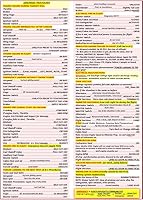
The Proactive Aviation Cessna 172 Skyhawk Extended Checklist is a quick-reference card built specifically for pilots flying one of the most widely trained-on aircraft in general aviation. Checklists are not just procedural formality in the cockpit — they are a core safety discipline, and Proactive Aviation has focused their catalog on exactly that kind of practical pilot support. This QRC sits at roughly the size of a standard sheet of paper folded in half, making it easy to tuck into a kneeboard or side pocket. One important note upfront: this extended checklist is designed to supplement your Pilot Operating Handbook, not replace it. Think of it as a faster-access companion, not a standalone authority.

Features & Benefits

What separates this extended checklist from the basic laminated cards you see velcroed to sun visors is the sheer depth of coverage. It walks through a wider range of procedures and maneuvers, all organized in a logical, scannable layout that lets you find what you need quickly — especially useful when stress narrows your attention. At 9 x 6 x 0.2 inches and just over half an ounce, the Skyhawk checklist card adds nothing meaningful to your bag weight. It also includes cues aligned with chair-flying practice, the technique where pilots mentally rehearse procedures on the ground to build real muscle memory before they ever leave the runway. That kind of built-in instructional nudge is a genuinely practical touch.

Best For

This QRC hits its mark most squarely with student pilots working through their Cessna 172 training. When you are grinding through pre-solo hours and need something faster to reference than flipping through a full POH, this format earns its place in the flight bag. CFIs and instructors will also find it useful as a ground-lesson prop — something tangible to talk through with students before they sit in the plane. It is equally practical for certificated pilots returning after a gap in flight time, where the structured layout helps rebuild procedural confidence quickly. If you fly a different aircraft type, though, this one is strictly Cessna 172 territory.

User Feedback

Across more than a hundred ratings, the Skyhawk checklist card holds a 4.2-star average — respectable for a niche training tool. Buyers tend to praise the clear, organized layout and how well it holds up during actual training sessions. Students in particular appreciate having a dedicated reference that moves faster than the full POH. The criticism that comes up most often is reasonable: some users find that without the POH alongside it, certain procedures lack the contextual depth they need. A few buyers also wished the card covered edge cases more thoroughly. Most reviewers — especially those in active training — consider it worth picking up as a low-cost supplement rather than a standalone resource.

Pros

  • Covers a broader range of procedures than basic laminated checklist cards typically found in training aircraft.
  • The logical layout makes it genuinely fast to navigate, even under the mild stress of an active lesson.
  • At under one ounce, this QRC adds nothing meaningful to a flight bag or kneeboard.
  • Cockpit-friendly dimensions make it easy to stow in a side pocket or clip to a kneeboard.
  • Built-in chair-flying cues help students reinforce procedures on the ground before flying.
  • Strong real-world satisfaction rating across a meaningful number of verified buyers.
  • Works well as a CFI teaching prop during ground briefings and pre-flight walkthroughs.
  • Affordable entry point for student pilots who need practical study tools on a tight training budget.
  • Useful as a structured refresher for certificated pilots returning after a gap in flight time.

Cons

  • Entirely dependent on the POH for full procedural context — it cannot stand alone as a complete reference.
  • Strictly limited to the Cessna 172 Skyhawk; useless if you transition to any other aircraft type.
  • Not officially endorsed or certified by the FAA, which may matter to some training programs or examiners.
  • Some users feel certain edge-case procedures are covered too briefly to be genuinely useful under pressure.
  • Paper format can show wear quickly with heavy cockpit use, especially in humid or high-traffic environments.
  • Pilots already comfortable with the C172 flows may find little new information to justify the purchase.
  • No digital version available for pilots who prefer EFB or tablet-based checklist workflows.
  • A small number of buyers felt the extended format did not add enough depth over cheaper basic cards.

Ratings

The Proactive Aviation Cessna 172 Skyhawk Extended Checklist has been scored by our AI system after analyzing verified buyer reviews worldwide, with spam, bot-generated, and incentivized feedback actively filtered out before any score was calculated. Across categories ranging from layout usability to real cockpit practicality, the scores below reflect an honest picture of where this QRC genuinely delivers and where real buyers have run into friction. Both the strengths and the limitations are represented transparently so you can make a well-informed decision before adding it to your flight bag.

Layout & Readability
84%
Most buyers call out the logical flow of the checklist as one of its strongest attributes, noting that finding the right procedure during a pre-flight walkthrough or ground briefing feels intuitive rather than frustrating. Student pilots in particular appreciate that the format does not require scanning through walls of text to locate what they need.
A subset of reviewers felt that font sizing in some sections could be tighter when the card is stowed on a kneeboard under less-than-ideal cockpit lighting. Those with moderate vision difficulties mentioned needing better contrast between section headers and body text.
Procedural Coverage
78%
22%
The extended format genuinely covers more ground than a basic laminated card, touching on pre-flight inspection steps, standard maneuvers, and emergency procedures in a single consolidated reference. CFIs have noted it works well as a teaching prop because it prompts discussion across a broad range of scenarios without needing to pull out multiple documents.
Some experienced pilots and instrument students found that edge-case procedures and certain system-specific flows are covered too briefly to be useful under real pressure. The card leans toward breadth over depth, which can leave gaps for pilots who need more granular procedural detail beyond the basics.
POH Complement Value
71%
29%
Buyers who understood upfront that this QRC is a supplement — not a standalone authority — found it genuinely useful for bridging the gap between rote memorization and the full POH reference. It works best when kept alongside the official handbook rather than used as a replacement, and most satisfied reviewers used it exactly that way.
The dependency on the POH for full procedural context is a real limitation that caught some buyers off guard. Several reviewers who expected a self-contained reference were disappointed when they realized certain data and limits require the POH to interpret correctly, which reduces the card's standalone usefulness.
Cockpit Practicality
82%
18%
At 9 x 6 inches and just over half an ounce, this QRC slides easily into a kneeboard pocket or flight bag side sleeve without creating bulk or adding any meaningful weight. Pilots who move between multiple training sessions in a day noted they barely registered it in their kit.
The paper-based construction means the card can show visible wear after regular cockpit handling, especially if exposed to humidity or repeated folding. Buyers who fly frequently would benefit from a protective sleeve, which is not included and represents an additional cost.
Chair-Flying Utility
76%
24%
The inclusion of chair-flying cues is a thoughtful touch that aligns with how many CFIs already structure their ground instruction. Student pilots who used the card for pre-flight mental rehearsal reported that it helped solidify maneuver sequences before actually performing them in the aircraft.
The chair-flying guidance is somewhat brief and may feel too general for students who need more structured visualization prompts. Pilots already familiar with chair-flying as a technique may not gain much new insight from how it is presented here.
Durability
61%
39%
Under light to moderate use — occasional pre-flight reference or periodic ground study — the card holds up reasonably well and does not degrade quickly. Buyers who stored it carefully between uses reported it staying in good condition over several months of training.
Heavy daily cockpit use is where the card's physical limitations become apparent. Multiple reviewers noted edge fraying and surface scuffing after sustained use, and the lack of lamination means moisture or oil from hands can gradually degrade the printing over time.
Value for Money
79%
21%
For the price tier it sits in, the Skyhawk checklist card offers a reasonable return for student pilots who need structured procedural support during active training. Buyers who compared it directly to basic laminated cards felt the extended coverage justified the modest price difference.
Pilots who have already built solid C172 procedural habits or who are near the end of their training may struggle to justify the cost, since the content adds little they do not already know. A small number of reviewers felt the price was slightly high for what is ultimately a paper-based supplemental aid.
Accuracy of Content
73%
27%
Buyers generally found the procedural information to be consistent with standard Cessna 172 operating practices, and no widespread factual errors were flagged in verified reviews. For common procedures, the content aligns well with what a student would encounter during typical flight training.
Because the card is a third-party publication rather than an aircraft-manufacturer or FAA-issued document, a degree of caution is warranted. Some reviewers pointed out that specific numbers and limits should always be verified against the aircraft-specific POH, particularly for older or variant-specific C172 airframes.
Suitability for Beginners
86%
Early-stage student pilots consistently rate this QRC highly as a training companion, citing how the structured format reduces the cognitive load of remembering procedure sequences from scratch. Having a clear reference to fall back on during solo study sessions builds procedural confidence in a way that open-ended memorization rarely does.
Complete beginners who do not yet have a foundational understanding of flight procedures may find some sections hard to interpret without instructor guidance. The card assumes a baseline level of aviation literacy, which means it works best once a student has completed at least a few ground lessons.
Packaging & Presentation
63%
37%
The card arrives in a clean, straightforward format that is ready to use without any assembly or setup required. Buyers who ordered it as a gift for a student pilot appreciated that it looked professional enough to present without additional packaging.
Several reviewers felt the overall production quality — particularly the card stock and print finish — did not quite match the price point they paid. Compared to some competing aviation reference products, the physical presentation felt more utilitarian than polished.
Instructor Endorsement
77%
23%
A meaningful portion of verified buyers mentioned that their CFI either recommended this QRC directly or approved of its use during training. That kind of real-world instructor validation carries weight in a safety-sensitive field where third-party tools are sometimes viewed with skepticism.
Instructor opinions varied; some CFIs preferred their students work exclusively from the manufacturer POH to avoid developing reliance on unofficial references. Buyers whose instructors held that view found the card less useful in a supervised training context.
Emergency Procedure Depth
67%
33%
Having emergency procedures included in a quick-reference format is genuinely useful for ground rehearsal and pre-flight mental preparation, and buyers appreciated that this QRC does not skip that content entirely the way some basic cards do.
The emergency procedure coverage is relatively surface-level compared to what the POH provides, and several reviewers cautioned against relying on it as the primary emergency reference in a real aircraft situation. For serious emergency procedure study, the official handbook remains the authoritative source.

Suitable for:

The Proactive Aviation Cessna 172 Skyhawk Extended Checklist is an excellent fit for student pilots actively working through their private pilot training in the C172, particularly those who want a faster procedural reference during pre-flight walkthroughs or ground study sessions. It works well alongside structured lessons with a CFI, giving students a tangible tool to rehearse flows and chair-fly maneuvers before stepping into the cockpit. Pilots who have been away from flying for a season or more will also find it genuinely useful as a confidence-rebuilding refresher — something structured to lean on while the muscle memory comes back. CFIs who do a lot of ground briefing may appreciate it as a visual prop to anchor procedure discussions. For the price, it offers real value as a supplemental training aid without demanding a significant investment.

Not suitable for:

The Proactive Aviation Cessna 172 Skyhawk Extended Checklist is not the right tool for pilots flying any aircraft other than the Cessna 172 Skyhawk — the procedures and references are specific to that airframe and do not transfer. It is also not a substitute for the official Pilot Operating Handbook; buyers who expect a self-contained, standalone authority document will be disappointed, since this QRC depends on the POH for full procedural depth and context. Experienced commercial or instrument-rated pilots who already have deeply ingrained flows and habits are unlikely to gain much from it. If you are looking for FAA-certified or officially endorsed training material, this third-party reference does not carry that designation. Pilots who prefer digital checklists on an EFB or tablet app may also find a paper card format less practical for their workflow.
Specifications

  • Brand: Manufactured and published by Proactive Aviation, a company focused on pilot training aids and aviation safety resources.
  • Model Number: The model identifier for this product is mgrecx-567.
  • Dimensions: The card measures 9 x 6 x 0.2 inches, a compact footprint well-suited for cockpit and kneeboard use.
  • Weight: At 0.634 ounces, this QRC adds virtually no measurable weight to a pilot's flight bag or kneeboard.
  • Format: Published as a Quick Reference Card (QRC), an extended format that goes beyond the scope of basic laminated checklist cards.
  • Aircraft Type: Designed exclusively for the Cessna 172 Skyhawk airframe and is not applicable to other aircraft types.
  • Content Scope: Covers pre-flight procedures, standard maneuvers, and emergency procedures across its extended checklist format.
  • POH Dependency: This card is intended as a supplement to the official Pilot Operating Handbook and does not replace it as a procedural authority.
  • Chair-Flying Cues: Includes instructor-recommended guidance notes supporting chair-flying and mental visualization practice on the ground.
  • Certification Status: This is a third-party training aid produced by Proactive Aviation and does not carry official FAA certification or endorsement.
  • User Rating: Holds a 4.2 out of 5 star average rating based on 109 verified buyer ratings on Amazon.
  • Intended Users: Primarily aimed at student pilots, certificated private pilots, and CFIs working with the Cessna 172 Skyhawk platform.
  • POH Inclusion: The official Pilot Operating Handbook is not included with this purchase and must be obtained separately.

Related Reviews

Xilkoze WiFi Extender
86%
91%
Setup and Installation
88%
WiFi Coverage
84%
Performance (Speed and Stability)
92%
Compatibility with Devices
78%
Signal Range in Large Homes
More
Hyzom WiFi Extender
Hyzom WiFi Extender
83%
89%
Coverage Range
85%
Signal Stability
83%
Device Capacity
91%
Setup & Installation
78%
Build Quality
More
Aimery Speedwave 300Mbps WiFi Range Extender
70%
88%
Ease of Setup
74%
Signal Improvement
58%
Speed Performance
61%
Coverage Range
79%
Value for Money
More
Mirabox HDMI Extender 400ft
85%
94%
Signal Quality
85%
Ease of Setup
90%
Build Quality
91%
Transmission Range
89%
Audio Performance
More
Reyee REX12 WiFi Extender
86%
88%
Wi-Fi Coverage
94%
Setup & Installation
83%
Signal Stability
79%
Data Transfer Rate
85%
Build Quality
More
MIKKOA 1200Mbps Dual-Band WiFi Range Extender
71%
88%
Ease of Setup
62%
Signal Coverage
71%
Connection Stability
83%
Value for Money
79%
Ethernet Port Performance
More
Kore Aviation P1 Aviation Pilot Headset
76%
93%
Value for Money
71%
Noise Reduction
88%
Microphone Clarity
67%
Comfort & Fit
84%
AUX Connectivity
More
HMTYQNB M-A27 AC2100 Dual-Band WiFi Extender
73%
88%
Ease of Setup
74%
WiFi Coverage
71%
Signal Stability
91%
Gigabit Ethernet Port
63%
Real-World Speeds
More
YKMBFEQC 300Mbps WiFi Extender
83%
93%
Ease of Setup
85%
WiFi Coverage Range
88%
Dual-Band Performance
80%
Signal Stability
87%
Compatibility with Devices
More
Linksys RE7000 WiFi Extender
86%
89%
Ease of Setup
87%
Performance (Range & Speed)
91%
Dual-Band Connectivity
83%
Gigabit Ethernet Port
95%
Compatibility with Routers
More

FAQ

No, and that distinction really matters. This QRC is designed to work alongside your POH, not substitute for it. Some procedures reference data that only the full POH provides, so keep both accessible during training.

It is not an FAA-certified document. The Proactive Aviation Cessna 172 Skyhawk Extended Checklist is a third-party training aid, similar to many supplemental study tools used in general aviation. It is useful for reinforcing procedures but should not be treated as an official regulatory reference.

The checklist covers standard Cessna 172 Skyhawk procedures, but glass cockpit variants like the G1000-equipped models have some differences in avionics flows. Use it as a general procedural guide and confirm any avionics-specific steps against your aircraft-specific POH supplement.

It works well in both contexts. Solo students find it useful for self-briefing and chair-flying on the ground before a flight, while instructors often use it as a discussion prop during pre-flight briefings. The built-in visualization cues make it particularly practical for independent study.

The card is lightweight paper-based, so heavy daily use in a cockpit environment will eventually show wear. If you plan to use it frequently in training, consider storing it in a protective sleeve or plastic pocket on your kneeboard to extend its life.

Based on available product information, this is offered as a physical card only. If you prefer a digital checklist on a tablet or EFB, you would need to look at app-based solutions separately, as no digital download version is indicated.

The card covers pre-flight inspection steps, standard flight maneuvers, and emergency procedures. The extended format means it goes into more depth than a basic laminated card, though the exact procedure list depends on the edition — always cross-reference against your POH for specific performance numbers or limits.

It can be, especially for pilots returning to flying after time away or those who want to sharpen their procedural habits in the Cessna 172. That said, experienced pilots with deeply ingrained C172 flows may find the content covers ground they already know well.

The product is listed for the Cessna 172 Skyhawk generally, but specific system details can vary across model years. It is a good idea to verify any performance or systems data against the POH for your exact aircraft registration before relying on it in flight.

Many do, based on buyer feedback. Instructors appreciate having a structured reference to anchor ground discussions, and the chair-flying cues built into this QRC align closely with how many CFIs already teach procedure rehearsal. It is a low-barrier supplement that most instructors are comfortable recommending alongside standard training materials.