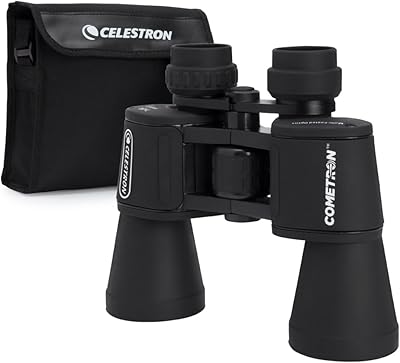
Celestron SkyMaster 25x70 Binoculars
Overview
The Celestron SkyMaster 25x70 Binoculars have been a fixture in the amateur astronomy market since 2003, and nearly 9,000 ratings later, it's clear they've earned their place. Built around a classic Porro prism design with 70mm objective lenses, they're engineered to pull in as much light as possible — a real advantage when you're scanning the sky after dark. The price sits comfortably in mid-range territory, making serious stargazing accessible without committing to a full telescope setup. One thing to know upfront: a tripod is essential. At 25x magnification, handheld use produces too much shake to be remotely practical.
Features & Benefits
The 25x magnification and 70mm aperture combination gives these large-aperture binoculars a generous exit pupil, which translates to noticeably brighter images in low-light conditions — exactly what you want during twilight observation or late-night stargazing. The BaK-4 prisms are worth calling out: compared to lower-grade BK-7 glass, they transmit more light to the edge of the field and reduce peripheral dimming. Multi-coated lenses cut down on glare, and you notice it through truer colors and better contrast, not through spec sheets. A standard tripod adapter is included, and folding eyecups make the viewing position workable for most users, though the 13mm eye relief is modest.
Best For
The SkyMaster 25x70 is a strong match for amateur astronomers who want to explore lunar craters, trace star clusters, or observe a bright planet without the complexity of a telescope. Birdwatchers and wildlife observers working from a fixed position — a hide, a vehicle window, a railing — will also find the magnification genuinely useful. Airshow and sports enthusiasts who need serious reach at distance are another natural fit. What this astronomy binocular is not built for is casual handheld use; size, weight, and power all demand a stable mount. Pair it with a solid tripod and the experience punches well above the price.
User Feedback
Owners consistently highlight lunar and star views as the standout experience, with brightness on clear nights drawing praise from beginners and seasoned hobbyists alike. The lifetime warranty and US-based support are mentioned often as genuine confidence builders. On the downside, a meaningful number of buyers report collimation problems fresh out of the box — the two optical paths slightly misaligned — which is a real quality-control variable you should know about before buying. The included carrying case is functional but considered fairly basic by most. Eyeglass wearers specifically flag that the 13mm eye relief feels limiting during extended viewing sessions.
Pros
- 70mm objectives gather significantly more light than standard binoculars, making dusk and nighttime views noticeably brighter.
- BaK-4 Porro prisms deliver cleaner edge-to-edge performance than cheaper BK-7 alternatives at a similar price.
- Moon views are a genuine highlight — surface detail is crisp and the scale feels dramatic.
- A lifetime warranty and US-based support add real long-term confidence to the purchase.
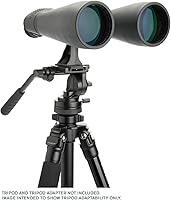
- The included tripod adapter fits standard photo tripods instantly, with no extra hardware needed.
- Rubber-armored housing handles field knocks and damp weather without feeling fragile.
- At its price point, the aperture-to-cost ratio is hard to beat in the large-binocular category.
- The wide diopter adjustment range accommodates most prescription differences between eyes effectively.
- These large-aperture binoculars outperform many entry-level telescopes for wide-field stargazing targets like clusters and the moon.
Cons
- A sturdy tripod is a mandatory additional purchase — budget for it before buying.
- Collimation inconsistency at the factory level is a documented and recurring quality-control issue.
- The narrow 2.7-degree field of view makes locating objects difficult for beginners without prior technique.
- The included carrying case is thin and flimsy — most serious users replace it quickly.
- At 3.1 pounds, extended handheld sessions cause fatigue long before the optics become useful.
- Eyeglass wearers lose part of the field of view due to the short 13mm eye relief.
- Edge sharpness falls off toward the periphery, which is noticeable when sweeping across starfields.
- Chromatic fringing can appear around high-contrast targets like the bright lunar limb.
- Finding fast-moving subjects within the tight field requires patience and practice that casual users may not want to invest.
Ratings
The Celestron SkyMaster 25x70 Binoculars have been stress-tested by a remarkably wide community of buyers — from backyard stargazers to wildlife observers — and these scores reflect what that crowd actually experienced. Our AI analyzed thousands of verified global reviews, actively filtering out incentivized and bot-generated feedback, to surface an honest picture of where these large-aperture binoculars shine and where they fall short. Both the genuine strengths and the recurring frustrations are reflected transparently in every category below.
Optical Clarity
Light Gathering
Magnification Performance
Build Quality
Collimation Consistency
Tripod Compatibility
Ease of Use
Eye Relief & Comfort
Value for Money
Portability & Weight
Low-Light Performance
Carrying Case Quality
Warranty & Support
Field of View
Suitable for:
The Celestron SkyMaster 25x70 Binoculars are an excellent fit for amateur astronomers who want meaningful views of the night sky without committing to a full telescope setup. If your goal is to trace the craters of the moon, find Jupiter's four largest moons, or sweep through the Pleiades and Orion Nebula, these large-aperture binoculars deliver that experience at a price that makes the hobby genuinely accessible. Birdwatchers and wildlife observers who work from a fixed point — a parked car, a dedicated hide, or a balcony overlooking a nature reserve — will also get strong value from the 25x reach and bright 70mm objectives. They suit sports fans and airshow attendees who want extreme zoom from a stationary position, provided they bring a tripod. Anyone who already owns a sturdy photo tripod and wants to get more from it at night will find this astronomy binocular a natural, affordable addition to their kit.
Not suitable for:
The Celestron SkyMaster 25x70 Binoculars are the wrong choice for anyone expecting a grab-and-go, handheld experience — at 25x and 3.1 pounds, useful handheld observation is essentially impossible, and that is not a limitation that technique or practice can overcome. Casual hikers or travelers who want a single versatile binocular for spontaneous use should look at something in the 8x to 10x range instead. Eyeglass wearers who prefer to keep their glasses on during extended viewing sessions may find the 13mm eye relief frustrating, as it cuts off the full field of view. Buyers hoping to use these for fast-moving subjects — birds in flight, motorsports, or any activity requiring quick panning — will struggle with the narrow 2.7-degree field. It is also worth noting that a meaningful number of units have shipped with collimation slightly off from the factory, so buyers who are not comfortable inspecting for or correcting optical alignment issues should factor that risk into their decision.
Specifications
- Magnification: These binoculars deliver a fixed 25x magnification, bringing distant subjects 25 times closer than the naked eye.
- Objective Diameter: Each objective lens measures 70mm in diameter, enabling substantial light collection for bright low-light and nighttime views.
- Prism Type: BaK-4 Porro prisms are used, providing superior light throughput and edge clarity compared to standard BK-7 glass.
- Lens Coating: Optics are multi-coated to reduce surface reflections, improve contrast, and deliver truer color rendition across the field.
- Field of View: The angular field of view is 2.7 degrees, equivalent to 141 feet at 1,000 yards — narrow by design at this magnification level.
- Eye Relief: Eye relief measures 13mm, which is workable for non-eyeglass users but limiting for those who prefer to keep glasses on during viewing.
- Diopter Range: A diopter adjustment ranging from -4 to +8 allows independent focus correction to compensate for vision differences between eyes.
- Close Focus: The minimum close focus distance is 102.5 feet, meaning nearby subjects closer than that distance cannot be brought into focus.
- Eyecups: Folding rubber eyecups allow users to adjust eye positioning to suit both eyeglass and non-eyeglass wearers.
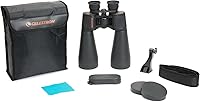
- Tripod Adapter: A standard 1/4-inch 20-thread tripod adapter is included, compatible with the vast majority of photo and video tripods on the market.
- Housing: The body is rubber-armored for impact resistance and grip, with a water-resistant exterior rated to handle rain and damp field conditions.
- Weight: The unit weighs 3.1 pounds, making extended handheld use impractical and a stable tripod mount effectively mandatory.
- Dimensions: Physical dimensions measure 11 x 14 x 6 inches, reflecting the large Porro prism chassis required for 70mm objectives.
- Prism Format: The classic Porro prism layout places the objective lenses wider than the eyepieces, contributing to the binoculars' depth perception and light efficiency.
- Warranty: Celestron provides a Limited Lifetime US Warranty backed by US-based technical support, covering manufacturer defects for the original purchaser.
- Item Model: The manufacturer model number is 71008, useful when referencing warranty claims, replacement parts, or compatibility accessories.
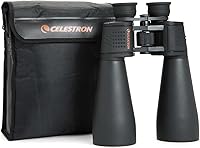
- Accessories: The package includes a carrying case, lens covers, a neck strap, and the 1/4-inch 20 tripod adapter as standard in-box items.
Related Reviews
Celestron SkyMaster 25x100 Binoculars
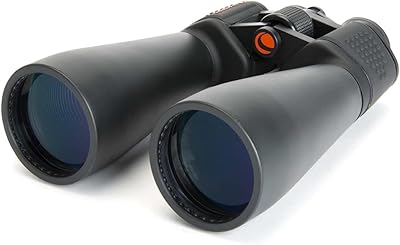
Celestron SkyMaster 15x70 Astronomy Binoculars
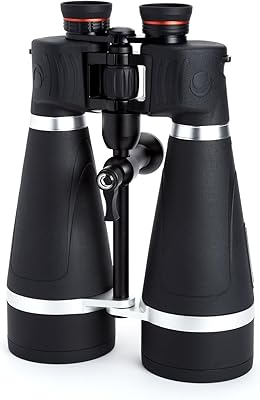
Celestron SkyMaster Pro 20x80 Binocular
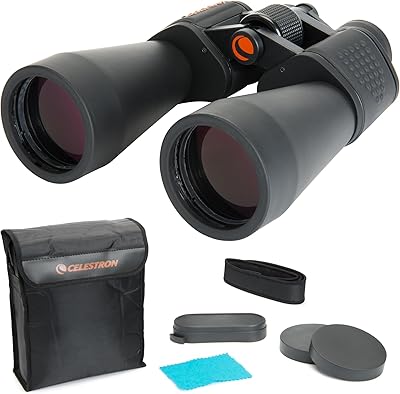
Celestron SkyMaster 12x60
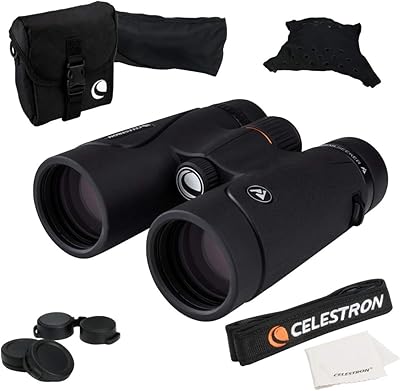
Celestron TrailSeeker 8x42 Binoculars
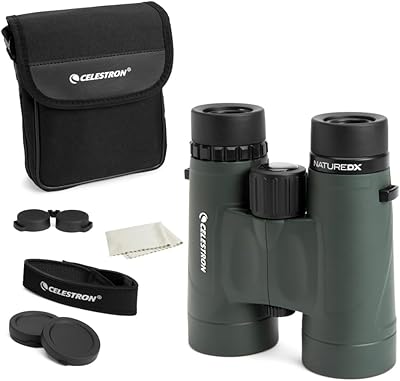
Celestron Nature DX 10x42 Binoculars
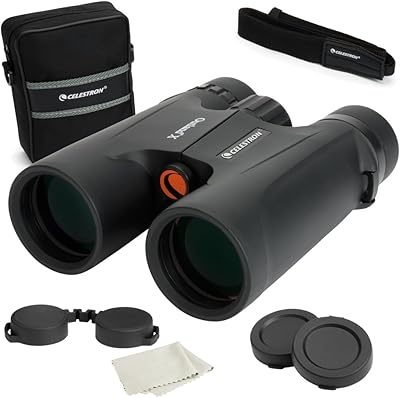
Celestron Outland X 10x42 Binoculars
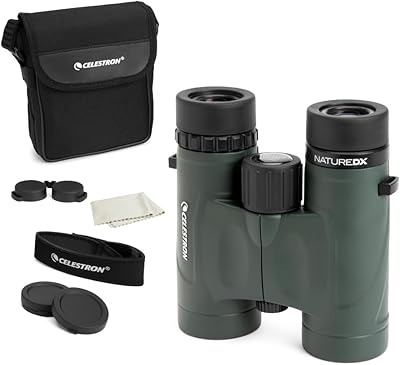
Celestron Nature DX 8x32 Binoculars
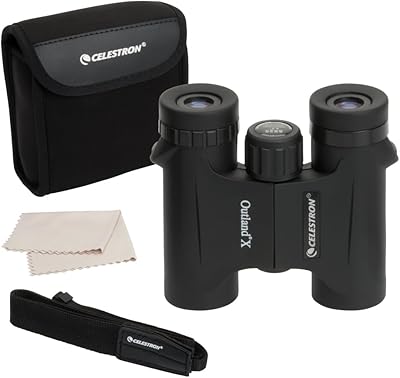
Celestron Outland X 8x25 Binoculars