Overview

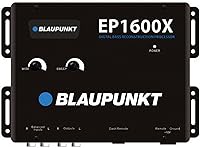
The Blaupunkt EP1600X Digital Bass Processor is a dedicated signal processor built to recover the low-end frequencies that get stripped away during MP3 and streaming audio compression — not a full equalizer, not an amplifier. When you play compressed audio files or stream music, a measurable chunk of bass information simply vanishes in the encoding process. This Blaupunkt unit exists specifically to put that back. Blaupunkt has been building car audio hardware for decades, and the EP1600X reflects that experience at a mid-range price sitting well below boutique DSP territory. Just go in knowing what it is: a processor that handles the signal chain, requiring a separate amp and speakers to actually move air.
Features & Benefits

What separates this bass processor from a simple boost knob on your head unit is the parametric control. A fixed-frequency boost just cranks one band louder; the EP1600X lets you select the center frequency and adjust the bandwidth around it, targeting the exact range your system is lacking rather than muddying everything below 100Hz. The balanced input circuitry actively rejects over 60dB of interference — in real-world use, that means a quieter background in electrically noisy car environments. A PWM power supply keeps headroom clean under load, making specs like 0.003% THD genuinely relevant rather than just marketing. The included wired remote makes level adjustments practical while driving.

Best For

This bass processor makes the most sense for anyone streaming compressed audio who wants more low-end presence without rebuilding their entire system. If you are running an OEM head unit and adding an aftermarket sub amp, the EP1600X slots neatly into that signal path as an upstream controller. It is also a solid pick for budget-focused builds where spending on a full DSP is hard to justify. That said, be honest with yourself: if you are already running a quality DSP with bass management, adding this would be redundant. And if your priority is absolute purity with lossless sources, a bass restoration processor probably is not the right tool.

User Feedback

Buyers who go in with accurate expectations tend to come away satisfied with the EP1600X. The most consistent praise centers on clearly audible improvements in bass response across both factory and aftermarket setups — not dramatic, but real. Where things get trickier is installation: documentation can be sparse, and buyers without prior wiring experience have reported frustration getting everything connected cleanly. The remote gets mixed marks — convenient in practice, but a few users question its long-term build quality. Noise floor complaints occasionally surface, though these are often traced back to grounding issues rather than the unit itself. Overall, satisfaction tracks closely with how well buyers understood what they were purchasing.

Pros

  • Parametric bass control lets you target the exact frequency range your system lacks, not just add generic low-end mud.
  • Balanced input circuitry actively rejects interference, resulting in a noticeably cleaner background signal in real installs.
  • The included wired remote makes on-the-fly level adjustments safe and practical while driving.
  • Signal specs — including very low distortion and a high noise ratio — are genuinely strong for the price bracket.
  • The PWM power supply helps maintain clean headroom, reducing the risk of clipping at higher output levels.
  • Works well in both factory and aftermarket system upgrades, making it versatile across different build types.
  • Compact surface-mount form factor fits into tight installation spaces without major bracket fabrication.
  • Buyers with realistic expectations and basic wiring skills consistently report audible, satisfying improvements.

Cons

  • Installation documentation is reportedly thin, leaving less experienced DIYers without adequate guidance.
  • The wired remote feels convenient in use, but long-term build quality concerns have surfaced in buyer feedback.
  • Noise floor and interference issues have been reported, though these are frequently tied to grounding problems during installation.
  • No onboard display or visual feedback makes dialing in settings a more trial-and-error process than it needs to be.
  • The EP1600X offers no digital input options, limiting compatibility with modern head units that output digital audio natively.
  • Buyers unfamiliar with signal chain concepts may struggle to understand where and how to integrate this processor correctly.
  • At 2.12 pounds, it is heavier than some competing units in its category, which can complicate mounting in certain locations.
  • No official installation support channel means troubleshooting falls entirely on the buyer or community forums.

Ratings

The scores below reflect an AI-driven analysis of verified global buyer reviews for the Blaupunkt EP1600X Digital Bass Processor, with spam, bot-generated, and incentivized submissions actively filtered out before scoring. Each category captures what real users consistently praised or struggled with across a wide range of vehicle types and install scenarios. Both strengths and friction points are represented transparently — no category has been softened to flatter the product.

Bass Restoration Performance
84%
Buyers consistently noticed a genuine improvement in low-end presence when streaming Spotify or playing MP3 files — the kind of warmth that compressed audio visibly lacks on a factory system. In daily commute listening, the difference between before and after was described as immediately audible, not subtle.
A portion of users found the improvement less dramatic on already well-tuned aftermarket setups, where the baseline signal quality left less room for recovery. Those expecting a transformation rather than a restoration sometimes came away underwhelmed.
Parametric Bass Control
81%
19%
The variable bandwidth adjustment gives users real control over which slice of the low-frequency spectrum gets treated, which is a meaningful step above the fixed-frequency boost knobs found on cheaper units. Car audio enthusiasts who understood parametric EQ principles found the tuning process genuinely rewarding.
For buyers without prior experience with parametric controls, the adjustment process felt unintuitive and lacked enough guidance from the included documentation. Getting the settings dialed in correctly often required trial and error rather than informed adjustment.
Signal Cleanliness
78%
22%
In most installs, the balanced input circuitry did its job well — users running long RCA cable runs or dealing with electrically noisy engine bays reported a noticeably quiet background signal. The low distortion rating translates to real-world listening as a transparent, artifact-free bass restoration rather than a colored or bloated effect.
A recurring minority of users reported persistent noise or interference after installation, which in most documented cases traced back to grounding problems rather than the unit itself. The processor offers no built-in diagnostic feedback, making it harder for less experienced users to isolate the source of the issue.
Ease of Installation
54%
46%
For buyers with prior car audio wiring experience, the connection layout is logical and the unit integrated cleanly into existing signal chains without much fuss. Experienced DIY installers appreciated the compact footprint and the straightforward RCA-in, RCA-out architecture.
The documentation bundled with the unit is widely considered inadequate for anyone without background knowledge, leading to frustration and incorrect wiring in some cases. First-time installers frequently turned to third-party forums or video walkthroughs just to complete a basic setup — a significant gap for a product at this price point.
Value for Money
77%
23%
Relative to what a full DSP costs, the EP1600X delivers a focused feature set at a fraction of the price — and for buyers who only need bass restoration rather than full signal processing, that trade-off makes practical sense. Many users felt the audio improvement justified the spend without hesitation.
A small but vocal segment felt the price was only fair given the documentation shortcomings and questions around remote build quality. Buyers who purchased expecting a more polished total package sometimes felt the value proposition was diluted by the overall fit and finish.
Remote Control Usability
69%
31%
Having a wired remote that mounts within driver reach was consistently called out as a practical feature — being able to nudge bass levels at a red light without touching the unit itself is genuinely useful in daily use. The control range felt responsive enough for on-the-fly adjustments.
The remote's physical construction raised durability questions among several buyers, with concerns about the feel of the knob and housing over extended use. A wireless or higher-quality wired remote would meaningfully improve the ownership experience at this tier.
Build Quality
66%
34%
The main chassis feels reasonably solid for a surface-mount processor in this category, and the unit held up without reported failures in normal operating conditions. Most buyers who handled it felt the construction was appropriate for its role tucked away under a seat or inside a trunk.
The overall fit and finish does not inspire confidence the way a premium unit would, particularly around the connectors and the remote housing. Several buyers noted that the unit feels closer to budget than mid-range in hand, even if the internals perform respectably.
Compatibility
73%
27%
The EP1600X works across a wide range of head units and amplifier combinations, making it a versatile addition to both factory and aftermarket systems. Its standard RCA interface means it slots into most existing setups without requiring additional adapters.
Buyers running modern head units with digital audio outputs found no compatible input path on this unit, which is an increasingly relevant limitation. Those on speaker-level outputs also needed a separate line output converter, adding both cost and complexity.
Documentation & Support
41%
59%
The basic wiring diagram included in the box is sufficient for experienced installers who just need a quick reference for terminal labeling. Those who already knew what they were doing rarely complained about the manual.
For anyone newer to car audio, the included instructions fall well short of what is needed to install correctly and confidently. There is no robust official support resource to fall back on, leaving buyers dependent on community forums for troubleshooting — a recurring frustration across reviews.
Noise Floor & Interference Rejection
71%
29%
When properly grounded and installed, the balanced input design does a commendable job keeping the noise floor low even in vehicles with electrically active environments. Buyers who took care with their ground connections reported clean, quiet performance across a range of volume levels.
Improper grounding during installation leads to audible hum or whine that is easy to misattribute to the unit itself, generating frustration among less experienced users. The processor provides no indication of grounding status, making it harder to diagnose problems without external tools.
Form Factor & Mounting
74%
26%
The compact profile makes it genuinely easy to hide in a trunk or under a seat without dedicated enclosures, and the surface-mount design suits most standard DIY install scenarios. At 2.12 pounds it is light enough to mount cleanly with minimal hardware.
A few buyers noted the unit is slightly bulkier and heavier than competing units at a similar price, which made installation tighter in smaller vehicles. The mounting hardware provided was considered basic, requiring supplemental materials in some installations.
Buyer Expectation Alignment
68%
32%
Buyers who understood this was a bass restoration processor — not an equalizer or amplifier — consistently reported satisfaction with the results. The product largely delivers on its stated purpose when used in the correct context.
A meaningful share of negative reviews stemmed from mismatched expectations rather than product failure — buyers who anticipated a full-range EQ or standalone audio enhancement frequently came away disappointed. Clearer product positioning in marketing materials would likely shift this score upward.

Suitable for:

The Blaupunkt EP1600X Digital Bass Processor is a strong fit for everyday drivers who stream music or play MP3 files and feel like something is missing in the low end — because something genuinely is. Lossy compression formats discard bass frequency data, and this unit is built specifically to reconstruct it in the signal chain before it reaches your amp. It is particularly well-suited to DIY installers who are keeping their factory head unit but adding an aftermarket subwoofer amplifier, since the EP1600X slots cleanly into that setup as an upstream controller with real tuning flexibility. Budget-focused builders who want meaningful audio improvement without committing to a full DSP solution will find the feature set punches above its price tier. If you have some basic car audio wiring knowledge and a clear goal of recovering warmth and depth from compressed sources, this Blaupunkt unit delivers exactly what it promises.

Not suitable for:

If your system already includes a full-featured digital signal processor with bass management capabilities, adding the Blaupunkt EP1600X Digital Bass Processor would be redundant and potentially disruptive to a signal chain that is already well-optimized. Audiophiles who exclusively play lossless audio files and prioritize absolute signal purity over bass enhancement should also look elsewhere, since the core value here is restoration of compressed content rather than neutral transparency. This is not a plug-and-play device — buyers without any experience routing RCA cables, managing ground loops, or understanding signal levels may find the installation frustrating without solid documentation to lean on. It is also not a substitute for an amplifier or a proper equalizer, so anyone expecting it to power speakers or reshape their entire frequency response will be disappointed. If your listening habits center around lossless streaming or you already have tuning handled downstream, the EP1600X simply is not the right tool for your setup.
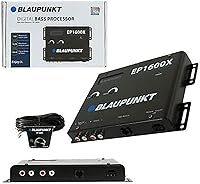
Specifications

  • Model: This unit is manufactured under model designation EP1600X by Blaupunkt.
  • Product Type: It is a two-channel digital bass restoration processor designed for in-car audio signal chains.
  • Dimensions: The unit measures 8″ x 5.5″ x 1.2″ and weighs 2.12 pounds.
  • Mounting Type: It is designed for surface mounting, typically under a seat or inside a trunk enclosure.
  • Frequency Response: The processor handles a full 10Hz to 20kHz frequency range, covering the entire audible spectrum.
  • Distortion (THD): Total harmonic distortion is rated at 0.003%, indicating a very clean signal path for the price tier.
  • S/N Ratio: The signal-to-noise ratio is specified at 130dB, which supports a quiet background even at higher output levels.
  • Noise Rejection: Balanced input circuitry provides greater than 60dB of common-mode noise rejection, reducing interference in electrically noisy car environments.
  • Input Impedance: Input impedance is rated at 10k ohms, compatible with standard RCA preamp outputs from head units.
  • Output Impedance: Output impedance is 150 ohms, suitable for driving most aftermarket amplifier RCA inputs.
  • Max Input Level: The unit accepts a maximum input signal of 15V RMS before clipping becomes a concern.
  • Max Output Level: Peak output level is rated at 13.5V, providing ample signal headroom for downstream amplification.
  • Power Draw: Operating current draw is 150mA at the rated 13.5V vehicle supply voltage.
  • Fuse Rating: Blaupunkt recommends a 1 Amp inline fuse for the power supply lead to protect the unit.
  • Power Supply: An internal PWM high-headroom power supply is used to maintain clean output under varying electrical load conditions.
  • Channels: The processor operates as a stereo two-channel device, handling left and right signals independently.
  • Included Remote: A wired remote control is included in the box, allowing level adjustments from a convenient dash-mounted location.
  • Operating Voltage: The unit is designed to operate at standard 12V automotive supply voltage, nominal 13.5V when the engine is running.

Related Reviews
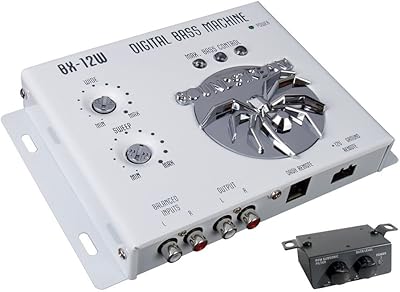
Soundstream BX-12W Digital Bass Processor
77%
88%
Sound Performance
91%
Ease of Installation
79%
Remote Control Usability
76%
Build Quality
87%
Subsonic Filter Effectiveness
More
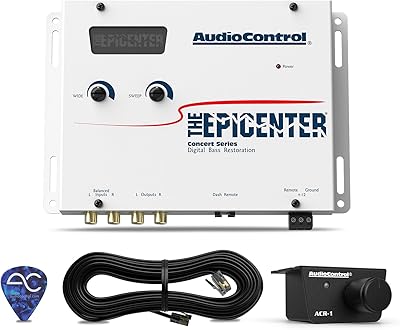
AudioControl Epicenter Bass Restoration Processor
78%
91%
Bass Restoration Performance
88%
Signal Processing Precision
58%
Installation Experience
72%
Remote Usability
79%
Build Quality
More
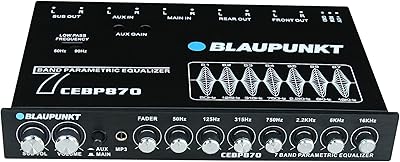
Blaupunkt CEBP870 7-Band Digital Equalizer
83%
91%
Ease of Installation
85%
Sound Customization
88%
Build Quality
70%
Bass Control
87%
Versatility of Outputs
More
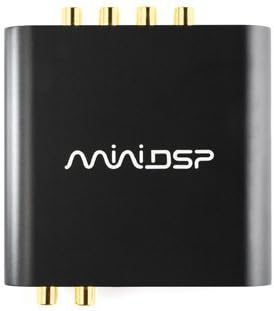
miniDSP 2x4 HD Digital Signal Processor
83%
93%
Sound Quality & Transparency
96%
Processing Depth & Flexibility
51%
Ease of Setup
78%
Value for Money
74%
Software & Ecosystem
More
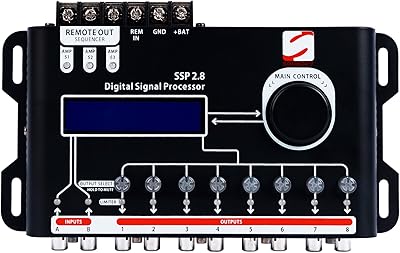
SSP 2.8 Digital Signal Processor & Equalizer
85%
91%
Audio Performance
88%
Ease of Use
84%
Preset Options
90%
Sound Customization
80%
Setup & Installation
More
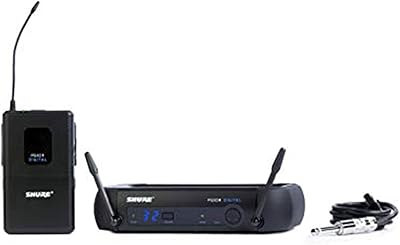
Shure PGXD14 Digital Wireless System for Guitar/Bass
85%
92%
Signal Reliability
94%
Audio Quality
88%
Battery Life
91%
Ease of Setup
77%
Range Performance
More
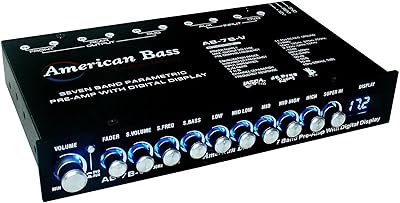
American Bass AB7BV 7 Band Digital Equalizer
85%
91%
Sound Customization
88%
Ease of Installation
92%
Subwoofer Control
84%
Connectivity Options
80%
Durability
More
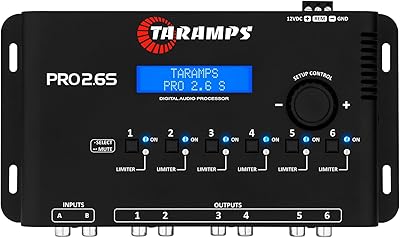
Taramp's Pro 2.6S Digital Signal Processor Equalizer
85%
92%
Sound Clarity and Performance
85%
Ease of Setup
90%
Sound Control Precision
88%
Compatibility with Audio Systems
80%
Advanced Tuning Options
More
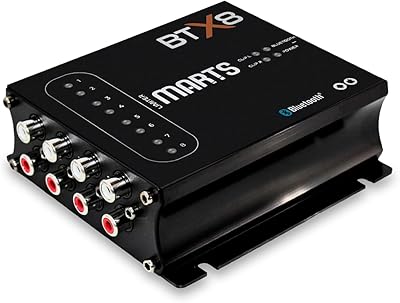
Marts Digital BTX8-DSP 8-Channel Bluetooth DSP Processor
76%
88%
Signal Routing Flexibility
91%
EQ & Tuning Depth
86%
Crossover Filter Quality
67%
Bluetooth App Control
72%
Build Quality & Fit
More
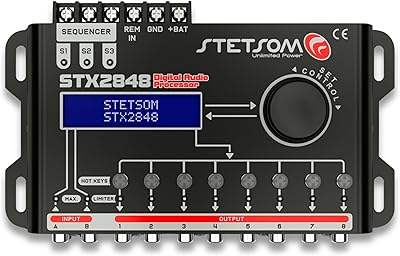
Stetsom STX 2848 DSP Crossover & Equalizer 8 Channel Digital Signal Processor
86%
88%
Performance and Sound Control
85%
Ease of Use
89%
Build Quality
90%
Audio Customization Flexibility
80%
Setup and Installation
More

FAQ

This bass processor is a signal processor only — it does not amplify anything on its own. You still need a separate amplifier to drive your speakers or subwoofer. Think of the EP1600X as a controller that sits between your head unit and your amp, shaping the signal before it gets boosted.

It works with factory head units, which is actually one of the more practical use cases for this type of unit. As long as your head unit has RCA preamp outputs, you can connect it directly. If your OEM unit only has speaker-level outputs, you would need a line output converter first.

A head unit EQ applies a broad, fixed boost across a general frequency range, which can easily introduce muddiness or clipping. The EP1600X uses parametric control, meaning you can actually select the center frequency and the width of the boost. That precision lets you target exactly what your system is missing rather than just making everything louder below a certain point.

Honestly, some wiring knowledge helps a lot here. You need to route RCA cables, connect a 12V ignition-switched power lead, a ground wire, and optionally mount the remote. The included documentation has been described as sparse by some buyers, so if you are a first-timer, it is worth watching a few installation walkthrough videos before you start. It is not impossibly complex, but it is not truly plug-and-play either.

That kind of noise is almost always a grounding issue rather than a fault with the processor itself. Make sure the ground wire is connected to bare metal on the chassis, not a painted or coated surface. Keeping RCA cables away from power wires during routing also reduces the chance of picking up electrical interference.

Yes, and that is actually one of the strongest arguments for using it. Streaming services and compressed audio formats discard low-frequency data during encoding. This unit is specifically designed to restore that missing bass content, so the improvement is most noticeable when listening to streamed or compressed audio sources.

The remote is designed to mount within reach of the driver, typically on or under the dash using the included hardware. The cable length on the remote lead gives you a reasonable amount of routing flexibility for most vehicles, though you should plan your install route before committing to a mounting position for the main unit.

It works well in a subwoofer-focused setup. Many users run it specifically as a bass controller upstream of a mono subwoofer amplifier, using one channel or summing the signal appropriately. Its parametric control makes it particularly useful for dialing in the low-end crossover region on that kind of dedicated bass channel.

Probably not. If your DSP already includes bass management, EQ, and restoration tools — which most quality units do — adding this bass processor would be redundant and could actually complicate your signal chain. This Blaupunkt unit is best suited for systems that lack dedicated signal processing, not as a supplement to an existing DSP.

Start with everything at minimum — bass boost fully down, output level low — and bring up the gain gradually while listening. Set your amplifier gain as you normally would with the processor in the chain, and only then begin increasing the bass boost incrementally. Avoid maxing out the boost before confirming your amp's input sensitivity can handle the signal level being sent to it.

Where to Buy