Overview

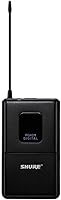
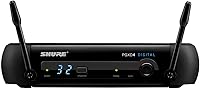
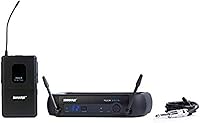
The Shure PGXD14 Digital Wireless Guitar System has been a go-to option for working musicians since its release in 2011, and it earns that reputation by doing the essentials well. Open the box and you get a PGXD1 bodypack transmitter, a PGXD4 receiver, and the WA302 instrument cable — everything needed to go cable-free from day one. This is a professional-grade digital system, not a budget-tier wireless unit with the analog tone coloring that frustrates so many players. Worth noting upfront: it's engineered for live performance, not as a studio signal chain. For gigging guitarists and bassists, though, this Shure wireless guitar system represents a smart, long-proven investment.
Features & Benefits

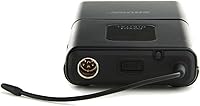
What separates the PGXD14 from cheaper wireless options is the 24-bit/48kHz audio path through the PGXD4 receiver. In plain terms, your guitar's tone arrives at the amp the way it left the instrument — no warmth stripped out, no high-end erosion. The true digital diversity reception actively works against signal dropout in venues stuffed with competing wireless signals. Before a gig, the automatic frequency selection handles channel scanning without any manual intervention, which matters when you're doing a rushed soundcheck. The bodypack's TA4F locking connector keeps the cable firmly in place during active playing, and 10 hours of battery life from two AA cells means most performers won't need to swap batteries between sets. Range is rated at 200 feet, realistic for most club and theater stages.

Best For

This digital bodypack system is an obvious fit for gigging guitarists and bassists who've outgrown entry-level analog wireless but don't need the complexity or cost of a full multi-channel professional rig. Bar bands, club acts, and working cover musicians will appreciate how little time it takes to configure before a show — plug in, power on, and the system largely takes care of itself. Players who've been annoyed by analog wireless muddying their tone will notice the difference immediately. The PGXD14 also makes strong sense for bassists specifically, since low-frequency transparency is genuinely solid here. One important caveat: this is a single-channel system, so anyone planning to switch between multiple instruments mid-set will need extra hardware or a second unit.

User Feedback

Across a broad range of owner reviews, a few consistent themes emerge. On the positive side, users consistently highlight easy setup, a sturdy bodypack build, and tone that doesn't seem to color the original signal at all. Battery life also tracks well with real-world use — most players confirm the 10-hour claim holds under normal conditions. The criticisms are worth knowing before you buy: the rack-mount receiver is noticeably bulky, which creates challenges for pedalboard integration. Some players in dense urban venues or festival environments have reported occasional interference issues, though this affects a minority of users. The single-channel limitation comes up repeatedly among multi-guitar players. On balance, long-term reliability is where this system earns its strongest endorsements.

Pros

  • The digital audio path preserves your instrument's tone with no noticeable coloring or high-end rolloff.
  • Automatic frequency selection means the PGXD14 is ready to go with minimal pre-show setup.
  • True digital diversity reception makes dropouts far less likely in venues with crowded wireless environments.
  • Battery life consistently matches the 10-hour claim in real-world multi-set use.
  • The TA4F locking connector on the bodypack cable stays secure even during aggressive stage movement.
  • Build quality on the PGXD1 bodypack is solid and holds up well to regular gigging wear.
  • The WA302 instrument cable is included, so the system works straight out of the box for most players.
  • Shure's brand support means replacement cables, accessories, and firmware help are easy to find.
  • Operating range is strong enough for most club and mid-size theater stages without signal anxiety.
  • Setup is straightforward enough that non-technical musicians can get it running in minutes.

Cons

  • The rack-mount receiver is bulky and impractical for players who want a clean, compact pedalboard setup.
  • Single-channel design means multi-instrument performers need a second unit or additional hardware.
  • A small number of users in dense RF environments have experienced interference that disrupts performance.
  • The system has been on the market since 2011 and lacks some features found in newer competing platforms.
  • No rechargeable battery system is built in, so ongoing AA alkaline costs add up for frequent gigggers.
  • The receiver's size and form factor can be awkward to transport without a dedicated rack case.
  • Players in large festival or arena contexts may find a single-channel system limiting compared to pro multi-channel rigs.

Ratings

The scores below reflect an AI-assisted analysis of verified global user reviews for the Shure PGXD14 Digital Wireless Guitar System, with spam, bot activity, and incentivized feedback actively filtered out to ensure the results represent genuine buyer experiences. Each category is scored on a 0–100 scale, and both the strengths that make this system worth considering and the real-world frustrations that have caused buyers to hesitate are reflected transparently.

Audio Transparency
91%
Players consistently report that the digital signal path preserves their instrument's character in a way that budget analog systems simply don't — bassists in particular notice that low-end warmth stays intact rather than getting thinned out. The 24-bit audio resolution earns genuine praise, with many reviewers saying it was the primary reason they chose this system over cheaper alternatives.
A small number of players with highly sensitive ears or boutique-level rigs feel that even this system introduces a very subtle quality shift compared to a premium instrument cable plugged directly into a tube amp. It's a marginal observation that most gigging musicians won't notice live, but it occasionally surfaces in detailed reviews.
Ease of Setup
93%
The automatic frequency selection is one of the most consistently praised aspects across all user feedback — power on the receiver, power on the bodypack, and the two units find each other and lock in without any manual configuration. For musicians doing rushed pre-show setups in unfamiliar venues, this practically eliminates a major source of stress.
A handful of users report that in environments with extremely saturated RF spectrums, the auto-scan occasionally locks onto a channel that isn't entirely clean, requiring a manual power cycle to re-scan. This is uncommon, but it does mean the setup isn't entirely foolproof in every situation.
Battery Life
86%
Real-world battery life reports from gigging musicians closely match the advertised 10-hour spec, which is not always the case with competing systems that tend to overclaim runtime. Cover bands and bar acts that play multiple sets in one night find this more than sufficient without needing mid-show battery swaps.
The system requires standard AA alkaline batteries, and users who prefer rechargeable NiMH cells report reduced runtime — sometimes significantly — due to the lower operating voltage. The lack of a built-in USB charging solution means ongoing battery costs that add up for musicians playing several nights a week.
Signal Reliability
83%
True digital diversity reception gives the PGXD14 a real advantage over non-diversity systems in venues where wireless microphone setups, in-ear monitors, and lighting control signals compete for RF bandwidth. The majority of users playing clubs and theaters report zero dropouts across extended gigs, which is ultimately what every wireless buyer wants.
A consistent minority of reviews — particularly from musicians performing at outdoor festivals or in large urban venues with dense wireless infrastructure — describe occasional brief signal interruptions that a single-channel system can struggle to fully avoid. It's not a widespread problem, but it's real enough to appear repeatedly in the feedback.
Channel Flexibility
44%
56%
For a single-instrument setup — one guitar, one channel, one performer — the system does exactly what it promises without any channel management headaches. Straightforward single-instrument performers who never switch mid-set will find this limitation completely irrelevant to their needs.
The single-channel design is the most frequently cited limitation in buyer feedback, and it's a genuine constraint for guitarists who switch between multiple instruments during a performance. Bands with two or more wireless instruments on stage simultaneously need to purchase separate units, which pushes the overall cost into a bracket where multi-channel systems become more competitive.
Build Quality
88%
The PGXD1 bodypack transmitter receives consistent praise for feeling rugged and stage-worthy rather than plasticky — it clips firmly onto a guitar strap and stays there through active performances without wobbling or loosening. Reviewers who've owned the system for several years report that the transmitter holds up well to the physical demands of regular gigging.
A few users note that the receiver unit feels somewhat less premium than the transmitter, particularly around the antenna connections. While no widespread durability failures appear in the feedback, the receiver's build is generally considered functional rather than exceptional.
Bodypack Ergonomics
84%
The bodypack's clip-and-strap mounting design works naturally for both belt and guitar strap attachment, and its relatively compact size means it doesn't add uncomfortable bulk during energetic playing. Guitarists who move around the stage frequently report that it stays in position without requiring constant readjustment.
Players who prefer to mount the transmitter on the guitar's strap button rather than clipping it to a belt occasionally find the clip mechanism slightly awkward for that specific placement. The bodypack is also not sweat-resistant by design, which is a minor concern for performers who play intense live sets in warm venues.
Receiver Design
61%
39%
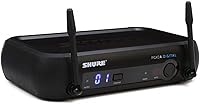
For musicians who already use a standard 19-inch equipment rack on stage or in a studio backline, the PGXD4 slots in cleanly and stays organized alongside other rack-mount gear. The front panel display is clear and readable from a distance, which is useful when monitoring battery or signal status during a performance.
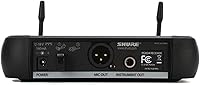
The rack-mount form factor is the single most common complaint about the physical design of this system — players who rely on a compact pedalboard setup find the receiver simply too large to integrate neatly. It's an understandable design choice for a rack-oriented product, but it does limit placement flexibility compared to desktop or pedalboard-sized receivers offered by competing systems.
Operating Range
78%
22%
For most club stages, bar venues, and mid-size theater environments, the operating range is more than sufficient — performers can walk into the crowd, roam the full width of the stage, and even step briefly into the wings without losing signal. The range is genuinely practical for the majority of gigging scenarios this system is designed for.
The specified range of up to 200 feet reflects ideal conditions, and real-world performance varies depending on the density of walls, RF interference, and stage layout. Players performing on large outdoor stages or in warehouses with significant RF congestion may find the effective range somewhat shorter than the rated figure.
Interference Resistance
72%
28%
The combination of automatic channel selection and true digital diversity gives the PGXD14 better tools for handling interference than most systems at a comparable tier. In typical club and bar environments, this is enough to keep the system performing cleanly throughout a full night.
In RF-saturated environments — dense urban venues, multi-stage festivals, or convention-center events where dozens of wireless systems operate simultaneously — a small but notable group of users reports performance issues that the auto-scan alone cannot fully resolve. Professional touring situations with consistently crowded RF environments may demand a more robust multi-channel system.
Cable & Connector
87%
The included WA302 instrument cable with its TA4F locking connector earns solid marks for staying firmly connected to the bodypack during vigorous playing — a detail that matters a lot when you're moving around the stage and the cable takes incidental stress. Most users are satisfied with the cable's flexibility and overall build.
Some long-term users report that the WA302 cable can show wear at the connector after extended heavy use, and replacements are an added cost. The cable is also a proprietary format at the transmitter end, meaning standard guitar cables cannot be substituted if the included one is lost or damaged.
Compatibility
83%
The standard 1/4-inch instrument output jack compatibility means the PGXD14 works out of the box with virtually any electric guitar, bass, or line-level instrument without adapters or additional hardware. This makes it a genuinely plug-and-play solution for players across a wide range of instrument types.
The system is not designed to work with microphones or XLR-output instruments, which limits its versatility for performers who want a single wireless solution for both instrument and vocal duties. Acoustic guitars with non-standard output configurations may also require a preamp or DI box to achieve optimal signal levels.
Value for Money
76%
24%
For players who need a reliable, tone-transparent digital wireless system from a trusted brand with widely available support, the PGXD14 delivers a genuinely professional-quality experience that justifies its position in the mid-to-upper price tier. Buyers who gig regularly and value long-term reliability tend to rate the value favorably.
Buyers on a tighter budget or those who only perform occasionally may find it difficult to justify the cost relative to entry-level wireless options that have improved significantly in recent years. The single-channel limitation also creates a value tension for players who need wireless for multiple instruments, since expanding the setup multiplies the cost considerably.

Suitable for:

The Shure PGXD14 Digital Wireless Guitar System is built for working musicians who play live regularly and want to cut the cable without sacrificing tone or reliability. Bar band guitarists, club-circuit bassists, and cover act performers will find it especially practical — the automatic frequency setup means no fiddling with channels during a rushed pre-show soundcheck, and the bodypack clips firmly to a strap or belt so it stays put through an energetic set. Players who've dealt with the dull, slightly colored sound of budget analog wireless systems will appreciate how transparent the digital audio path genuinely is; your guitar sounds like your guitar. The 10-hour battery runtime is long enough to cover back-to-back sets on a double-bill night without swapping cells mid-show, which is a real-world concern that cheaper systems often fail on. Anyone who values having a name-brand system with widely available replacement parts and accessories will also feel at home here.
Not suitable for:

If you regularly switch between two or more instruments during a performance, the Shure PGXD14 Digital Wireless Guitar System will leave you short — it's a single-channel unit, and there's no built-in way to handle multi-guitar rigs without buying additional hardware. Studio engineers and home recording musicians should look elsewhere entirely, since this is engineered for live stage use rather than low-noise recording signal chains. Players who want to run their wireless receiver directly on a small pedalboard may find the rack-mount form factor of the PGXD4 receiver frustratingly large — it's not a compact tabletop unit. Musicians who perform regularly in extremely dense RF environments, such as large festival stages packed with wireless gear, should know that no single-channel system in this class is immune to occasional interference, and a few users have encountered that issue here. Finally, anyone seeking a budget entry point into wireless should weigh the price tier carefully against their actual gigging frequency.
Specifications

  • Brand: Manufactured by Shure, a professional audio brand with decades of live and studio equipment experience.
  • Model: Model number PGXD14-X8, part of Shure's PGXD Series of digital wireless instrument systems.
  • System Type: Complete digital wireless instrument system consisting of a bodypack transmitter, a diversity receiver, and an instrument cable.
  • Audio Resolution: The PGXD4 receiver processes audio at 24-bit/48kHz, delivering full-fidelity digital sound reproduction.
  • Frequency Response: The system covers the full audible spectrum from 20Hz to 20kHz, capturing both low bass fundamentals and high guitar harmonics.
  • Signal-to-Noise Ratio: Rated at 120dB signal-to-noise ratio, meaning the audio signal is extremely clean with negligible background noise.
  • Operating Range: Specified operating range is up to 200 feet (approximately 60 meters) line-of-sight under typical conditions.
  • Battery Life: The PGXD1 bodypack transmitter provides up to 10 hours of continuous use on two standard AA alkaline batteries.
  • Battery Type: Requires 2 x AA alkaline batteries for the bodypack transmitter; batteries are not included in the box.
  • Receiver Diversity: The PGXD4 receiver uses true digital diversity, actively selecting the strongest antenna signal to minimize dropouts.
  • Channel Selection: Automatic frequency selection scans and locks onto an available clean channel without requiring manual configuration.
  • Transmitter: The PGXD1 is a compact bodypack transmitter designed to clip onto a guitar strap or belt during performance.
  • Receiver Model: The included PGXD4 receiver features a rack-mount form factor compatible with standard 19-inch equipment racks.
  • Connector Type: Connects to any instrument with a standard 1/4-inch output jack via the included WA302 instrument cable.
  • Cable Connector: The WA302 cable uses a TA4F locking connector at the bodypack end to prevent accidental disconnection on stage.
  • Dimensions: Packaged system dimensions are 17.5 x 12.5 x 4 inches, accommodating the receiver, transmitter, and cable together.
  • Weight: Total packaged weight is 3.75 pounds, covering all included components.
  • Compatibility: Designed for use with electric guitar, bass guitar, and any other instrument with a 1/4-inch line-level output.

Related Reviews

Shure PGXD24/SM58 Digital Wireless Microphone System
80%
88%
Audio Quality
83%
Wireless Reliability
92%
Ease of Setup
71%
Operating Range
74%
Build Quality
More
Shure SLXD24/SM58 Wireless Microphone System
83%
93%
Audio Quality
91%
Signal Reliability
92%
Capsule Performance
86%
Ease of Setup
74%
Value for Money
More
Shure BLX1288/CVL Wireless Microphone System
85%
92%
Audio Quality
88%
Ease of Setup
90%
Battery Life
85%
Range/Signal Strength
87%
Build Quality
More
Shure BLX288/B58 Dual-Channel Wireless Microphone System
81%
91%
RF Performance
84%
Audio Quality
88%
Build Quality
82%
Battery Life
86%
Ease of Setup
More
Shure BLX14/P31-H10
Shure BLX14/P31-H10
83%
94%
Setup & Ease of Use
88%
Wireless Range & Stability
91%
Battery Life
86%
Audio Clarity for Speech
78%
Headset Comfort & Fit
More
Shure BLX24R/SM58-H11
87%
93%
Vocal Clarity
88%
Signal Stability
94%
Battery Efficiency
91%
Setup Simplicity
89%
Receiver Build Quality
More
Sennheiser AVX Digital Wireless Microphone System
81%
94%
Ease of Setup
89%
Audio Quality
91%
Interference Resistance
83%
Build & Portability
72%
Receiver Fit & Compatibility
More
Rode RodeLink FM Wireless Microphone System
78%
91%
Signal Reliability
83%
Audio Quality
93%
Ease of Setup
74%
Wireless Range
69%
Build Quality
More
Line 6 XD-V75HS Digital Wireless Headset System
80%
91%
RF Stability
88%
Audio Clarity
84%
EQ Filter Modeling
72%
Ease of Setup
93%
Kit Completeness
More
Azden PRO-XR Wireless Microphone System
81%
88%
Signal Reliability
83%
Audio Quality
91%
Battery Life
86%
Interference Resistance
74%
Operating Range
More

FAQ

It's genuinely straightforward. The Shure PGXD14 Digital Wireless Guitar System uses automatic frequency selection, so you power on the receiver, turn on the bodypack, and the two units sync themselves to a clean channel without any manual scanning. Most players are up and running in under two minutes, which is especially useful if you're setting up at a venue with limited time before a soundcheck.
Yes, and it actually performs quite well with bass specifically. The full 20Hz–20kHz frequency response means the low-end fundamentals aren't rolled off or thinned out, which is a common complaint with cheaper analog wireless systems. Bassists who've switched to this digital bodypack system often notice the tone feels noticeably more intact compared to budget wireless alternatives.

Yes, you can run multiple units in the same venue. Each PGXD14 automatically selects a different available frequency, so two or more systems will find separate clean channels on their own. Just power them on one at a time so the auto-selection process doesn't compete — it's a simple workflow that works reliably in most club-sized environments.

Like any wireless system, the 200-foot figure assumes a clear line-of-sight with minimal RF interference — conditions that don't always exist in real venues. In a typical bar or club with walls, stage lighting rigs, and other wireless signals in the air, you can realistically expect solid, dropout-free performance across most stage and floor areas. For very large stages or outdoor festival environments, the range may be more variable.

It will run on rechargeable NiMH AA batteries, but keep in mind that rechargeable cells typically run at a lower voltage than alkaline batteries, which can reduce total runtime. Shure officially recommends alkaline AAs for the full advertised 10-hour life. If you use rechargeables, it's worth monitoring battery level indicators more closely during longer gigs.

Yes, the PGXD4 receiver displays a battery level indicator so you can keep an eye on remaining charge from your amp or rack position on stage. It gives you enough advance notice to swap batteries between songs or during a break rather than being caught off guard.

The PGXD4 is designed primarily as a rack-mount unit, and its size reflects that. It can technically sit on a flat surface without being racked, but its footprint is large enough that fitting it neatly onto a standard pedalboard is a real challenge. Players who want a compact pedalboard-friendly wireless receiver may find the form factor limiting and should consider that before purchasing.

Digital wireless systems do introduce a small amount of latency, and the PGXD14 is no exception. However, the latency in this system is low enough that the vast majority of players cannot detect it while performing — it falls well within the threshold where it becomes perceptible or distracting. It's not something most gigging guitarists will notice in practice.

The auto frequency selection will try to find a clean channel on startup, and the true digital diversity helps maintain signal stability once you're locked in. That said, in extremely dense RF environments — think a large festival stage with dozens of wireless channels already occupied — any single-channel consumer-to-prosumer system can experience occasional interference. It's a minority experience for most club gigs, but worth knowing if you regularly play high-traffic wireless environments.

The box includes the PGXD1 bodypack transmitter, the PGXD4 receiver, and the WA302 instrument cable with a TA4F locking connector — so yes, everything needed to plug in and play is there. The one thing not included is batteries for the bodypack, so pick up a pair of AA alkaline cells before your first use. Beyond that, no additional purchases are required to get started.

Where to Buy