Overview

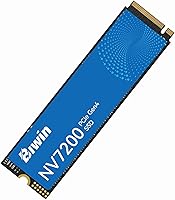
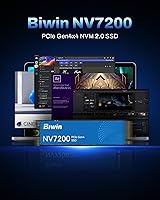
The BIWIN NV7200 2TB PCIe 4.0 NVMe SSD comes from a company most consumers haven't heard of — but that's partly by design. BIWIN has spent years supplying NAND flash components to major OEMs before turning toward the retail market, which gives them more manufacturing credibility than a typical no-name brand. Released in March 2025, this Gen4 NVMe drive is positioning itself against established names like the WD Black SN850X and Samsung 990 Pro, but at a noticeably lower price. A single-sided M.2 2280 form factor and an included graphene thermal pad round out a package that already looks more thoughtful than most budget-tier alternatives.

Features & Benefits

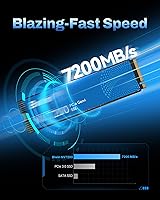
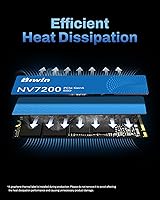
At its core, the NV7200 is built to push near the ceiling of Gen4 — sequential reads hit 7,200 MB/s and writes reach 6,200 MB/s, which in practical terms means transferring a 50GB game file in under 10 seconds. Random performance of 1,000K read IOPS matters more day-to-day than sequential speeds do; it's what makes your OS feel snappy and loading screens feel shorter. The graphene thermal pad and onboard temperature control work to keep throttling in check during sustained workloads like 4K video exports. Backing it all up is a 5-year warranty and an MTBF rating of 1.5 million hours — reassuring commitments at this price point.

Best For

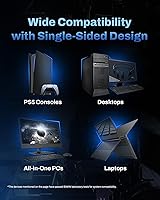
The NV7200 fits a surprisingly wide range of use cases. PS5 owners are probably the most obvious fit — the single-sided design clears the console's notoriously tight M.2 slot, and the read speeds are well above Sony's recommended threshold. But it's equally well-suited for PC builders on a mid-range budget who need Gen4 headroom for video editing, 3D rendering, or AI workloads. Laptop upgraders with slim chassis that can't accommodate double-sided drives will also find this BIWIN SSD worth a look. If you're sitting on a 1TB drive and constantly juggling game installs, the 2TB capacity alone makes the upgrade argument pretty easy.

User Feedback

With a 4.6-out-of-5 rating across roughly 690 reviews, the NV7200 has gotten off to a strong start — though it's fair to acknowledge that drives less than a year old tend to skew positive until long-term reliability data accumulates. Buyers frequently report that real-world benchmark results track closely with BIWIN's advertised speeds, which isn't always a given in this segment. A smaller subset of users, particularly PS5 owners running without an additional heatsink, have flagged occasional warmth under extended play sessions. Brand skepticism does come up in reviews — some buyers draw comparisons to Sabrent or Lexar as reference points — but few report outright firmware or stability issues. The consensus feels cautiously optimistic rather than blindly enthusiastic.

Pros

  • Sequential read speeds hit 7,200 MB/s, placing the NV7200 among the fastest Gen4 drives available today.
  • Single-sided PCB design works in PS5, ultrabooks, and compact builds where most high-performance drives simply won't fit.
  • Real-world benchmark results from buyers consistently track close to BIWIN's advertised specifications.
  • The included graphene thermal pad manages heat adequately for most workloads without needing a separate heatsink purchase.
  • A five-year limited warranty and 1.5 million hour MTBF rating are above-average commitments for this price segment.
  • 2TB of capacity gives gamers and creators genuine breathing room without juggling installs or offloading files constantly.
  • NVMe 2.0 protocol support keeps this Gen4 NVMe drive relevant as newer platforms continue to roll out.
  • Random read performance at 1,000K IOPS translates to noticeably snappier OS boot times and application launches.
  • BIWIN's OEM manufacturing background suggests quality-control experience that typical white-label brands often lack.

Cons

  • BIWIN has limited brand recognition in the consumer market, which makes some buyers understandably hesitant.
  • The drive launched in early 2025, so there is no meaningful long-term reliability data available yet.
  • No companion software is offered for drive health monitoring, firmware updates, or wear-level tracking.
  • A small number of PS5 users report noticeable warmth during extended sessions without an additional heatsink.
  • Users upgrading from an already fast Gen4 SSD will likely see little to no perceptible real-world improvement.
  • Brand resale value and secondary-market recognition lag behind Samsung, WD, and other established storage names.
  • Firmware update history is thin given how recently the product launched, leaving maturity questions unanswered.
  • Support resources and community troubleshooting guides for this BIWIN SSD are still sparse compared to mainstream competitors.

Ratings

The scores below were generated by AI after analyzing verified global user reviews for the BIWIN NV7200 2TB PCIe 4.0 NVMe SSD, with spam, bot activity, and incentivized feedback actively filtered out to ensure the results reflect genuine buyer experiences. Across thousands of real-world use cases — from PS5 expansions to laptop upgrades and creative workstation builds — both standout strengths and honest frustrations are transparently reflected in each category score.

Read & Write Speed
93%
Buyers consistently confirm that benchmark results land close to BIWIN's advertised 7,200 MB/s sequential read figure, which is rare for drives in this price range. In practice, this translates to noticeably fast game installs, near-instant large file transfers, and snappy OS boot times that rival drives costing significantly more.
A small subset of users running older Gen3 motherboards note that the drive's full speed potential is capped by their platform, which is a compatibility issue rather than a drive flaw but still catches some buyers off guard. Sustained write speeds can also dip slightly during prolonged sequential workloads once the SLC cache fills.
Value for Money
91%
The NV7200 sits in a compelling spot where you're getting near-flagship Gen4 performance without the flagship price tag, and buyers across gaming, content creation, and general PC use repeatedly call this out as the primary reason they chose it over established alternatives. For PS5 upgrades especially, the performance-per-dollar ratio is hard to argue against.
Some buyers note that as Samsung and WD occasionally discount their flagship drives during sales events, the value gap narrows enough to make the brand-recognition trade-off feel less justified. Without a companion software suite or established support ecosystem, a few users feel the savings come with hidden costs in peace of mind.
PS5 Compatibility
89%
The single-sided PCB is the real story here — it clears the PS5's tight expansion bay without requiring removal of the console's own thermal pad or any awkward workarounds. Gamers report that game load times on PS5 feel meaningfully faster compared to the console's internal drive, and installation is described as straightforward by the majority of reviewers.
A handful of PS5 users running marathon gaming sessions have noted the drive runs warmer than expected without an additional aftermarket heatsink, particularly during extended open-world titles. While it doesn't throttle for most users, those pushing the console hard for hours at a time may want to budget for a thin M.2 heatsink as added insurance.
Thermal Management
74%
26%
The included graphene thermal pad is a genuine differentiator at this price tier — most budget Gen4 drives ship bare with no thermal solution at all. Users doing video editing and 3D rendering on well-ventilated desktops generally report stable temperatures and no perceptible throttling during typical work sessions.
The graphene pad does its job in moderate conditions, but it shows its limits during sustained heavy workloads in compact or poorly ventilated builds. PS5 users and ultrabook owners have reported higher idle temperatures compared to drives that ship with a more substantial heatsink, suggesting the thermal solution is adequate rather than exceptional.
Build & Reliability
82%
18%
The five-year warranty and 1.5 million hour MTBF rating communicate a level of confidence in component quality that is genuinely above average for a drive at this price point. Early adopters who have been running the NV7200 since its March 2025 launch report no stability or data integrity issues, which is an encouraging start.
The drive is simply too new to have a meaningful long-term reliability dataset, and that uncertainty is a real factor for buyers who plan to use it as a primary work drive for years. BIWIN's consumer RMA and support track record is also still being established, which introduces a degree of risk that more seasoned brands have already eliminated.
Random Performance
88%
The 1,000K read IOPS rating pays dividends in scenarios that matter daily — launching multiple applications simultaneously, fast OS responsiveness, and snappy in-game asset streaming all benefit from strong random performance. Users upgrading from Gen3 drives consistently describe the system as feeling noticeably more alive after the swap.
While the rated IOPS figures are impressive, a few technically inclined reviewers note that real-world random performance under mixed queue-depth workloads can fall slightly short of the peak spec, which is normal for consumer SSDs but worth noting for anyone making purchasing decisions based purely on the headline numbers.
Form Factor & Fit
92%
The M.2 2280 single-sided design is one of the most practically useful features the NV7200 offers, opening the door to slim laptops, compact ITX builds, and the PS5 in a single package. Buyers who have bounced between multiple devices — using the same drive in a laptop and later migrating it to a desktop — appreciate not having to think about clearance issues.
There is essentially no downside to the single-sided design itself, though users in full-size desktop towers with active cooling note they lose nothing from a double-sided drive and would have appreciated slightly higher density if it offered any tangible speed or endurance gain at this capacity.
Brand Trust
63%
37%
Reviewers who researched BIWIN's background before purchasing tend to feel reassured by the company's OEM manufacturing history, and the growing review volume since launch has helped build cautious confidence among the buyer community. Early units have not generated widespread failure reports, which is meaningful for a brand building its consumer reputation.
For many buyers, BIWIN remains an unknown quantity, and the lack of long consumer-market history makes it harder to assess how the company handles warranty claims or firmware support over a five-year span. Several reviewers explicitly mention they checked extensively before committing, which speaks to how much brand uncertainty still factors into the purchase decision.
Software Ecosystem
41%
59%
For buyers who don't care about companion apps and prefer a simple plug-and-use experience, the absence of proprietary software is a non-issue — third-party tools like CrystalDiskInfo cover the basics of health monitoring and temperature tracking adequately.
The lack of a dedicated drive management application is a genuine gap compared to Samsung Magician or WD Dashboard, which offer health monitoring, firmware update notifications, and performance optimization in one place. Users who rely on these tools for proactive drive maintenance find the NV7200 ecosystem noticeably bare, and firmware update availability through official channels remains unclear.
Installation Experience
86%
Buyers across desktop, laptop, and PS5 installations consistently describe the physical installation as hassle-free, with the standard M.2 form factor requiring no special tools beyond a small Phillips screwdriver. Several reviewers specifically mention that the drive was recognized instantly upon first boot without any driver installation steps needed.
BIWIN does not currently offer a data migration tool or cloning software, which means users upgrading from an existing drive need to source their own cloning solution — a step that trips up less experienced buyers who assumed a bundled utility would be included the way some competing brands provide one.
Gaming Performance
87%
Game load times on both PC and PS5 are where buyers feel the most tangible benefit, with open-world titles and large asset games loading noticeably faster compared to slower Gen3 and SATA drives. The 2TB capacity also means most buyers can store their full active game library without juggling installs.
In-game performance differences between this and other top Gen4 drives are essentially imperceptible during play — frame rates and texture streaming are not meaningfully affected by the speed delta at the top of the Gen4 range, so pure gamers should not expect a transformative experience over any other fast NVMe drive.
Endurance Rating
78%
22%
A 1.5 million hour MTBF rating and the five-year warranty together suggest BIWIN has used components rated for a reasonable working lifespan, and the NVMe 2.0 protocol support adds a degree of future-proofing that pure Gen4 NVMe 1.4 drives lack.
BIWIN has not published a TBW (terabytes written) endurance rating prominently, which makes it difficult to directly compare long-term write endurance against competitors like the Samsung 990 Pro that clearly advertise their TBW figures. For heavy content creators who write massive amounts of data regularly, this lack of transparency is a real information gap.
Laptop Compatibility
84%
Slim laptop upgraders who have struggled to find a high-performance single-sided option at a reasonable price find the NV7200 fills an underserved niche well. Users upgrading thin ultrabooks from slower OEM SATA or Gen3 drives report meaningful real-world speed improvements in application launch times and file handling.
Laptop users on older platforms with PCIe Gen3 slots will not experience the full speed headroom this drive offers, and a small number of buyers discovered post-purchase that their laptop's M.2 slot was limited to Gen3 speeds. Checking motherboard or laptop specifications before purchasing remains essential to avoid disappointment.

Suitable for:

The BIWIN NV7200 2TB PCIe 4.0 NVMe SSD is a strong fit for anyone who wants near-top-tier Gen4 performance without paying the premium that Samsung or WD command for their flagship drives. PS5 owners will find it particularly well-suited, since the single-sided PCB clears the console's compact M.2 slot without modification, and the read speeds comfortably exceed Sony's minimum expansion drive recommendations. Slim laptop upgraders who have been locked out of double-sided drives finally have a high-performance option that doesn't require a chassis compromise. On the PC side, content creators working with large video files or 3D assets will appreciate the sustained throughput, while gamers who have outgrown a 1TB drive get 2TB of fast storage in a single slot. The five-year warranty adds a layer of confidence that's harder to find at this price tier, making it a reasonable long-term commitment rather than a short-term gamble.

Not suitable for:

Buyers who prioritize brand pedigree and a well-established support ecosystem may want to pause before committing to the NV7200. BIWIN is not yet a household name in consumer storage, and while their OEM background is legitimate, the drive only launched in March 2025 — meaning there's simply not enough multi-year real-world data to say with confidence how it holds up over time. If you're building a high-stakes workstation where drive failure would be catastrophic and you want the reassurance of a brand with a long consumer track record, established names like Samsung or WD still carry an edge. The BIWIN NV7200 2TB PCIe 4.0 NVMe SSD also lacks a companion software suite for drive health monitoring, which matters to users who like to keep a close eye on wear indicators and firmware updates. Finally, anyone already running a recent Gen4 drive with decent performance is unlikely to notice a meaningful real-world difference — this upgrade makes the most sense when coming from a Gen3 drive or an aging, slower SSD.

Specifications

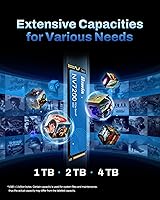
  • Capacity: Available in 2TB (reviewed here), with additional capacity options up to 4TB in the same NV7200 product line.
  • Interface: Uses a PCIe Gen4x4 interface with NVMe 2.0 protocol, offering forward compatibility with next-generation platforms.
  • Form Factor: Standard M.2 2280 form factor, meaning it is 22mm wide and 80mm long — the most common M.2 size across desktops, laptops, and consoles.
  • Sequential Read: Maximum sequential read speed is rated at 7,200 MB/s, placing it at the upper boundary of what PCIe Gen4 hardware is capable of delivering.
  • Sequential Write: Maximum sequential write speed reaches 6,200 MB/s, suitable for large file transfers, game installations, and sustained data ingestion tasks.
  • Random Read: Random read performance is rated at 1,000K IOPS, which directly influences how responsive the drive feels during everyday OS and application use.
  • Random Write: Random write performance is rated at 800K IOPS, supporting quick save operations, database writes, and multitasking workloads.
  • PCB Design: Single-sided PCB layout keeps all NAND and controller components on one face of the board, ensuring compatibility with slim laptops and the PS5 expansion bay.
  • Thermal Solution: A graphene thermal pad is integrated into the drive design, working alongside onboard temperature control algorithms to reduce heat buildup under load.
  • Operating Temp: The drive is rated for operation between 0°C and 70°C, covering standard consumer and light professional environments without issue.
  • Storage Temp: When powered off and stored, the drive tolerates temperatures ranging from -40°C to 85°C, making it resilient during shipping and long-term archival storage.
  • Warranty: BIWIN provides a 5-year limited warranty on the NV7200, which is among the longer coverage periods offered at this price tier.
  • MTBF Rating: The drive carries a Mean Time Between Failure rating of 1.5 million hours, reflecting confidence in long-term component reliability under normal usage conditions.
  • PS5 Compatible: The NV7200 is explicitly compatible with the PlayStation 5 expansion slot, meeting Sony's speed requirements and physical clearance constraints due to its single-sided design.
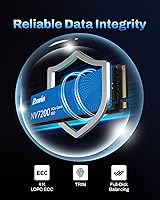
  • Special Feature: TRIM support is included, allowing the operating system to actively manage unused storage blocks and help maintain consistent long-term write performance.
  • Weight: The drive weighs approximately 1.13 oz (around 32 grams), which is typical for a bare M.2 SSD without an aftermarket heatsink attached.
  • Manufacturer: Made by BIWIN, a Shenzhen-based company with an established background supplying NAND flash memory components to major OEM hardware manufacturers.
  • Release Date: The NV7200 series became available for consumer purchase in March 2025, making it a relatively recent addition to the competitive Gen4 SSD market.

Related Reviews
Timetec MS47-B 2TB NVMe SSD
80%
84%
Sequential Read Speed
61%
Sustained Write Performance
93%
PS5 Pro Compatibility
78%
Heatsink Quality
88%
Value for Money
More
fanxiang S660 2TB NVMe M.2 SSD
78%
93%
PS5 Compatibility
78%
Sequential Read Speed
58%
Sustained Write Performance
67%
Heatsink Quality
89%
Installation Experience
More
ORICO O7000 2TB NVMe SSD
78%
88%
Read Performance
74%
Write Performance
91%
Thermal Management
73%
PS5 Compatibility
86%
Value for Money
More
Netac NV7000 2TB NVMe SSD
85%
91%
Sequential Read Speed
84%
Sequential Write Speed
88%
Thermal Management
93%
PS5 Compatibility
86%
Value for Money
More
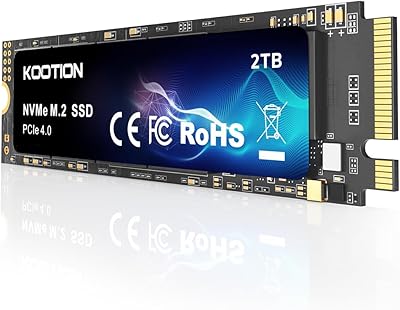
KOOTION 2TB PCIe 4.0 NVMe M.2 SSD
77%
83%
Sequential Read Speed
79%
Sequential Write Speed
88%
Value for Money
91%
Installation Experience
67%
Thermal Performance
More
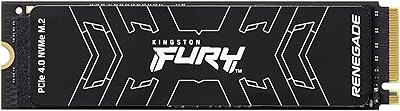
Kingston FURY Renegade 2TB NVMe SSD
84%
94%
Read & Write Performance
88%
Sustained Throughput Consistency
71%
Thermal Management
92%
Installation & Compatibility
74%
Value for Money
More
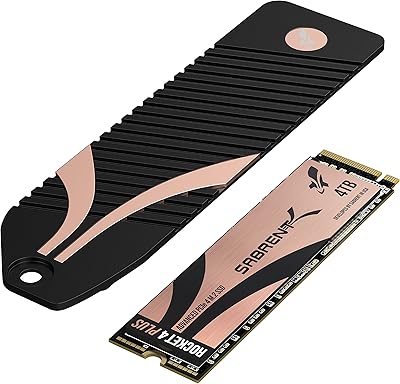
Sabrent Rocket 4 Plus 4TB NVMe SSD
85%
93%
Sequential Read Performance
91%
Sequential Write Performance
89%
Thermal Management
92%
Installation Experience
67%
Value for Money
More
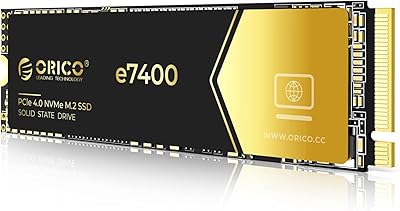
ORICO e7400 2TB M.2 NVMe SSD
81%
91%
Read Speed Performance
78%
Write Speed Performance
94%
Value for Money
82%
PS5 Compatibility
79%
Thermal Management
More
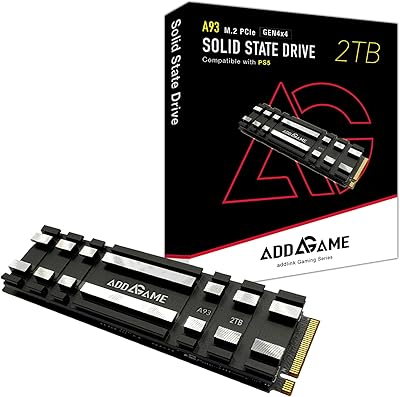
Addlink A93 2TB NVMe SSD with Heatsink

81%
88%
Read Speed Performance
71%
Write Speed & Sustained Throughput
93%
PS5 Compatibility & Installation
86%
Heatsink Quality & Thermal Management
84%
Value for Money
More
Fanxiang S880E 1TB PCIe Gen 4 NVMe SSD
76%
83%
Read/Write Performance
91%
PS5 Compatibility
88%
Value for Money
67%
Thermal Management
62%
Brand Reputation
More

FAQ

Yes, the single-sided PCB design is specifically what makes this work in a PS5. Sony's expansion bay has clearance issues with double-sided drives unless you remove the included thermal pad — with the NV7200, that's not a concern. Just make sure you seat it properly and apply the PS5's own thermal pad before closing the bay cover.

Not necessarily. The drive ships with a built-in graphene thermal pad that handles heat dissipation reasonably well for most use cases. PS5 users typically rely on the console's own thermal pad, which goes on top. If you're running sustained, heavy workloads on a desktop with poor airflow, adding a heatsink is never a bad idea — but it's not a requirement out of the box.

On paper, the raw sequential speeds are competitive with those flagship drives. In real-world daily use — gaming, browsing, application launches — most people honestly won't feel a difference. Where Samsung and WD have a clear edge is brand history, software ecosystems, and years of consumer reliability data. The NV7200 is the newer, more affordable challenger, and it performs well, but it hasn't earned the same long-term track record yet.

Most likely yes, as long as your laptop has an M.2 2280 slot with PCIe Gen3 or Gen4 support. The single-sided design is specifically friendly to slim ultrabook chassis that lack clearance for thicker double-sided drives. Check your laptop's service manual or manufacturer specs to confirm the M.2 slot size and interface before purchasing.

That's a fair concern, and you're not alone in asking. BIWIN isn't a household name in retail storage, but they've spent years manufacturing NAND flash components for OEM clients — the kind of behind-the-scenes supplier work that doesn't build consumer brand recognition but does build real production experience. The five-year warranty and the drive's current ratings suggest they're backing this product seriously. That said, they're still building a consumer reputation, and it's worth factoring that into your risk tolerance.

Sequential speeds close to the advertised figures are realistic in benchmarking tools like CrystalDiskMark, and buyers have generally confirmed the numbers hold up in testing. In everyday use — copying files, launching games, booting Windows — you won't see those peak numbers because most tasks don't push a drive to its sequential ceiling. What you will notice is a fast, responsive feel, especially if you're upgrading from a Gen3 drive or older SATA SSD.

It works fine as a Windows boot drive — NVMe 2.0 is fully supported across modern Windows 10 and 11 systems. For macOS, native M.2 NVMe support depends heavily on your Mac model; most modern Apple silicon Macs use proprietary slots and don't support third-party M.2 drives internally. If you're running a Hackintosh or an older Intel Mac with a compatible slot, compatibility may vary and is worth researching for your specific setup.

Currently, BIWIN does not offer a dedicated companion app for health monitoring or firmware management, which is a gap compared to Samsung Magician or WD Dashboard. You can use third-party tools like CrystalDiskInfo to check S.M.A.R.T. data and monitor temperature and wear levels. For firmware updates, you'd need to check BIWIN's official website periodically, since there's no automatic notification system in place.

BIWIN has not publicly disclosed the specific controller or whether a DRAM cache is included in the NV7200. At this performance tier with these IOPS ratings, a DRAM-equipped or HMB (Host Memory Buffer) design is likely, but without official confirmation it's worth checking for updated teardown information from hardware sites before assuming either way.

The NV7200 carries a five-year limited warranty through BIWIN directly. Since they're not as widely distributed as Samsung or Western Digital, the warranty process typically involves contacting BIWIN's support team and arranging an RMA. Response times and the overall support experience are still being established in the consumer space, so it's reasonable to keep your purchase receipt and register the product if BIWIN offers that option at the time of purchase.