Overview

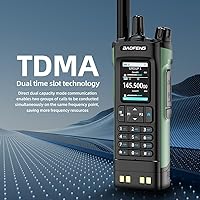
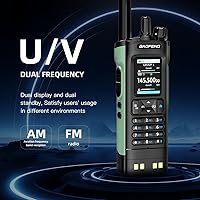
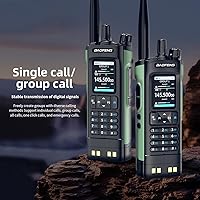
The Baofeng DM-32UV DMR Dual Band Ham Radio arrived in early 2025 and has moved quickly, already breaking into the top 100 in its Amazon category. That kind of traction is worth noting, but it doesn't tell the whole story. This DMR handheld sits in a middle ground: it offers features that would cost considerably more on a name-brand radio, with dual-band, dual-mode capability covering both digital DMR and traditional analog FM. The catch — and it's a real one — is that like most Baofeng DMR radios, setup isn't intuitive. Expect a learning curve. With a 4.0-star average across over 100 early ratings, the reception has been cautiously positive, which tracks for a radio that rewards patient, licensed operators over casual buyers.
Features & Benefits

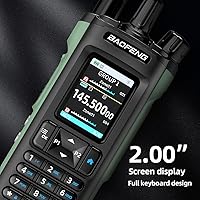
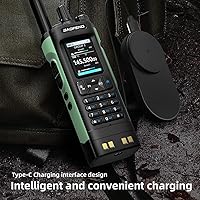
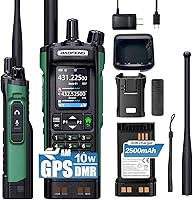
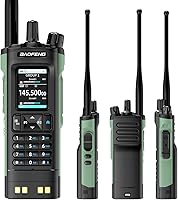
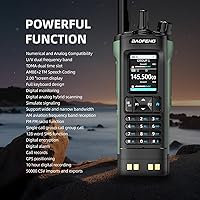
The DM-32UV packs a surprising amount of practical technology into its frame. GPS and Beidou dual-mode positioning feeds into APRS, letting you share your real-time location with other operators — genuinely useful for group hikes or coordinated field ops. The fall detection alarm is a standout, automatically alerting your contacts if you take a hard tumble, which matters if you're working solo in remote terrain. Onboard digital recording handles up to ten hours without any external device. The contact directory is enormous — room for hundreds of thousands of DMR entries — and the radio handles 4,000 channels. Type-C charging and wireless frequency copy feel modern and practical. The 1.3-inch color screen is small but gets the job done.

Best For

This dual-band radio is a strong fit for licensed ham operators who want an accessible entry into DMR territory without spending heavily on a commercial-grade unit. Search-and-rescue volunteers and outdoor team leaders will appreciate the APRS tracking and fall alert capabilities. Emergency communications enthusiasts — the EMCOMM crowd — will find the VHF/UHF coverage and channel depth useful for serious preparedness setups. It also makes sense for hobbyists moving up from a basic analog Baofeng who are ready to tackle digital modes. That said, this isn't a plug-and-play radio. If you don't hold a ham license or aren't prepared to invest time in programming, you'll likely end up frustrated before you ever make a contact.

User Feedback

Early reception of this DMR handheld has been cautiously favorable, with experienced operators frequently praising GPS accuracy and the cleaner audio quality in digital mode compared to older analog-only handhelds. The value proposition — this much functionality at this price — gets consistent positive mention. On the flip side, recurring complaints center on the programming process: the included English documentation is thin, and getting the radio configured without third-party guides takes real patience. Build quality and battery performance draw mixed reactions, and nobody seems to have conclusively confirmed or disproven the stated 10W output in real-world use. The overall picture is a radio that experienced hams tend to enjoy and newcomers tend to struggle with. With just over 100 ratings, it's still too early to call it definitive.

Pros

  • Dual-band VHF/UHF coverage with both digital DMR and analog FM modes in a single handheld is genuinely rare at this price.
  • Built-in GPS and Beidou dual-mode positioning feeds real-time APRS location sharing without any add-on hardware.
  • The fall detection alarm automatically alerts contacts — a practical safety feature for solo field work or remote hiking.
  • Up to 10 hours of onboard digital recording eliminates the need for a separate logging device during operations.
  • Type-C charging is a welcome modern touch that removes the frustration of proprietary cables.
  • 4,000 channels and a massive DMR contact directory give experienced operators serious room to work across repeater networks.
  • Wireless frequency copy speeds up setup when working alongside other compatible radios in the field.
  • The 1.3-inch color LCD displays GPS status and channel info clearly enough for quick glances during active use.
  • Early user ratings skew positive among experienced hams, suggesting the core radio performance holds up in real-world use.

Cons

  • Programming this DMR handheld is genuinely complex, and the included documentation does little to help newcomers through it.
  • The English manual quality has drawn consistent criticism — expect to rely heavily on online communities and third-party guides.
  • No water resistance rating is listed, which limits confidence for outdoor use in wet or unpredictable conditions.
  • No warranty is provided, so buyers carry the full risk if the unit develops a fault after purchase.
  • The 10W power output claim has not been independently verified by early reviewers, leaving real-world performance somewhat uncertain.
  • Advertised range figures assume ideal open conditions — actual range in forests, urban areas, or hilly terrain will be significantly lower.
  • The radio's weight and package size are on the bulkier side for a handheld, which may matter for ultralight or minimalist users.
  • Newcomers to DMR radio may find the combination of digital mode setup, codeplug programming, and APRS configuration overwhelming without prior experience.

Ratings

The scores below reflect our AI-driven analysis of verified global user reviews for the Baofeng DM-32UV DMR Dual Band Ham Radio, with spam, bot activity, and incentivized feedback actively filtered out before scoring. Each category is weighted against real-world usage patterns reported by licensed operators, outdoor enthusiasts, and emergency communications volunteers. Both the strengths that earned this radio its reputation and the friction points that frustrated buyers are represented transparently here.

Value for Money
88%
Experienced ham operators consistently point out that getting dual-band DMR, GPS, APRS, and fall detection in a single handheld at this price tier would have been unthinkable just a few years ago. For what the DM-32UV delivers on paper and in practice, the cost-to-feature ratio is one of the strongest arguments in its favor.
A handful of buyers felt the value equation weakens once you factor in the time investment required to actually get the radio working — between sourcing third-party guides, configuring codelugs, and troubleshooting quirks, the hidden cost in hours is real.
Digital DMR Performance
83%
Users who successfully programmed the radio into local DMR repeater networks reported clean, clear audio that competes credibly with more expensive commercial handhelds. The Tier I and Tier II support means it plays nicely on both simplex and repeater-based DMR infrastructure.
A subset of users noted inconsistent DMR signal hold on the edges of repeater coverage, and a few reported occasional drop-outs in dense urban environments that better-engineered radios handled more gracefully.
GPS and APRS Accuracy
81%
19%
GPS lock times and positional accuracy drew consistent praise from field users — hikers and SAR volunteers in particular noted the dual GPS and Beidou system acquired fixes faster than expected and held them reliably even in mixed canopy. APRS beaconing worked as advertised once configured.
APRS setup is not intuitive, and several users reported spending considerable time troubleshooting path settings and beacon intervals before their position showed up correctly on APRS.fi. The onboarding experience for this feature needs work.
Ease of Programming
41%
59%
Users who had prior DMR programming experience — particularly those familiar with codeplug-based workflows — found the DM-32UV manageable and noted the PC software functioned adequately once they located the correct driver and cable. The wireless frequency copy feature was appreciated as a quick shortcut for analog channels.
For newcomers, programming this radio is a genuine barrier. The included manual is thin and poorly translated, and building a DMR codeplug from scratch without community resources is a frustrating experience. This is the single most cited complaint across early reviews and is not a minor issue.
Build Quality
67%
33%
The overall chassis feels solid enough for field use, and most users reported no obvious flex or rattling after regular handling. The Type-C port and SMA connector both felt secure, and the form factor is practical if slightly bulky.
Some users noted the plastic feels a step below what you'd expect at this weight, and a few reported minor fit-and-finish issues with the battery door and button feel. There is also no water resistance rating, which limits confidence in wet outdoor conditions.
Battery Life
72%
28%
Under typical mixed-use conditions — monitoring with periodic transmissions — users generally got through a full day of activity without needing a recharge. The included battery capacity is reasonable for the feature set it's powering, including GPS and the screen.
Heavy transmit use, particularly with GPS and APRS running simultaneously, drained the battery noticeably faster. A few users recommended carrying a spare battery for full-day field operations, which adds cost and weight.
Audio Clarity
78%
22%
In DMR mode, received audio quality was frequently called out as a positive surprise — cleaner and less distorted than many comparable budget radios. Analog FM audio was functional and comparable to other Baofeng handhelds in the same class.
Transmitted audio quality was rated more inconsistently, with some contacts reporting that the microphone picked up background wind noise more than expected during outdoor use. Speaker volume is adequate but not loud enough for use in high-noise environments without an earpiece.
Fall Detection Reliability
69%
31%
Users who tested the fall detection feature in real-world conditions found it triggered correctly after hard drops and reported it as a meaningful safety layer for solo outdoor work. The auto-alert mechanism adds genuine value for users who spend time in remote areas alone.
Sensitivity calibration drew mixed reactions — a few users found it triggered during normal rough handling, while others felt it was too slow to activate in their tests. There is no easy way to fine-tune the sensitivity threshold from the menu.
Display and Interface
63%
37%
The 1.3-inch color LCD is functional and shows the key information — channel, mode, GPS lock status — clearly enough for quick checks during operation. Color coding helps distinguish between digital and analog modes at a glance.
The screen is small for a radio with this many functions, and navigating the menu system is not particularly logical or well-labeled. Users accustomed to more polished radio interfaces found the UI frustrating, especially when configuring GPS or recording settings.
Range and RF Performance
66%
34%
On local repeaters, the DM-32UV performed well and matched expectations for a 10W dual-band radio. Several users reported solid simplex range across open terrain, and antenna replacement with a quality aftermarket unit improved results noticeably.
The advertised 10km simplex range is a best-case scenario that most real-world environments will not support. In urban or forested terrain, expect significantly shorter direct contacts, and the 10W output claim has not been independently verified by reviewers.
Documentation Quality
29%
71%
The box includes a printed manual and access to some downloadable resources, which at least gives users a starting point rather than nothing at all.
The English translation in the manual is poor, with terminology inconsistencies and missing steps for key functions like APRS configuration and DMR codeplug setup. Nearly every critical programming task requires turning to YouTube tutorials or the ham radio community rather than the included documentation.
Analog FM Functionality
76%
24%
For users who still operate primarily on analog FM — local clubs, EMCOMM nets, or simplex monitoring — the DM-32UV handles it competently and the wide VHF/UHF coverage means it scans a broad spectrum without needing a second radio.
Analog scanning speed is not particularly fast, and a few users noted that scanning large channel lists was sluggish compared to dedicated analog handhelds. The radio is clearly optimized around its digital capabilities, and analog feels secondary.
Recording Functionality
74%
26%
The 10-hour onboard recording feature worked as described for most users who tested it, and being able to review recordings through the radio's own menu without a computer is a practical touch for field logging and training purposes.
The recording management interface is clunky and takes some time to navigate, particularly when trying to locate specific recordings by time or channel. Storage limits and file management options are not well documented.
Accessories and In-Box Contents
71%
29%
The package includes the battery, antenna, and a Type-C charging cable, which covers the basics needed to get started without immediate additional purchases. The SMA-F antenna connector opens the door to easy aftermarket upgrades right away.
No warranty card, no quality charger stand, and no earpiece are included — items that many buyers in this category expect at minimum. The absence of any warranty documentation is a notable gap that adds purchase risk.

Suitable for:

The Baofeng DM-32UV DMR Dual Band Ham Radio is built for people who already know their way around radio communications — or who are genuinely committed to learning. Licensed ham operators looking for an affordable foothold in digital DMR will find the dual-band, dual-mode flexibility hard to match at this price point. Search-and-rescue volunteers and outdoor team coordinators stand to benefit most from the APRS location sharing and fall detection alarm, two features that have real operational value rather than just sounding impressive on a spec sheet. EMCOMM and prepper communities who need a versatile VHF/UHF handheld for emergency preparedness will appreciate the deep channel capacity and extensive DMR contact directory. It also makes a compelling upgrade for hobbyists who have outgrown basic analog Baofeng models and are ready to invest time in learning digital radio modes properly.
Not suitable for:

The Baofeng DM-32UV DMR Dual Band Ham Radio is a poor fit for anyone expecting to unbox it, press a button, and start communicating — that radio does not exist at this price point, and this one is no exception. If you do not hold a valid ham radio license, transmitting on these frequencies is illegal in most jurisdictions, and no feature set changes that fact. Casual users looking for simple walkie-talkie communication for family outings or job sites would be far better served by a dedicated FRS or GMRS radio that requires no programming knowledge. The English documentation is reportedly sparse, which means newcomers without access to third-party guides or community forums will likely hit a wall quickly. There is also no stated water resistance rating, which is a real concern for anyone planning to use it in rain-heavy or high-humidity environments. Finally, buyers who need manufacturer warranty support should look elsewhere — none is offered here.
Specifications

  • Frequency Range: Covers VHF from 136 to 174 MHz and UHF from 400 to 520 MHz, handling both amateur and common repeater frequencies across both bands.
  • Operating Modes: Supports DMR Tier I and Tier II digital operation as well as standard analog FM, allowing the radio to work on both modern digital networks and legacy analog systems.
  • Output Power: Rated at 10W transmit power, though real-world output may vary and has not been independently verified by early reviewers.
  • Channel Capacity: Stores up to 4,000 programmable channels, giving operators extensive flexibility across repeater networks and simplex frequencies.
  • DMR Contacts: The onboard directory supports up to 500,000 DMR digital contacts, with room for 800 frequently used entries for quick access in the field.
  • GPS System: Uses a dual-mode GPS and Beidou positioning system with APRS support for real-time location sharing to compatible stations and contacts.
  • Fall Detection: Includes a built-in accelerometer-based fall detection alarm that automatically sends an alert to designated contacts when a hard fall is detected.
  • Digital Recording: Capable of recording up to 10 hours of audio digitally, with an onboard management system for reviewing and organizing saved recordings.
  • Display: Features a 1.3-inch color LCD screen that shows channel information, GPS status, and other key operating data at a glance.
  • Charging: Charges via a standard Type-C USB connection, with a 7.4V lithium-ion battery pack included in the box.
  • Antenna Connector: Uses an SMA-F antenna interface compatible with standard dual-band VHF/UHF antennas, allowing for aftermarket antenna upgrades.
  • Frequency Copy: Supports wireless frequency copy, enabling quick cloning of channel settings from a compatible radio without a computer or cable.
  • Weight: The unit weighs 1.63 pounds, which is on the heavier side for a handheld but typical for radios with this feature set and battery size.
  • Package Dimensions: The retail package measures 10.59 x 8.54 x 2.4 inches, accommodating the radio, battery, antenna, and charging accessories.
  • Water Resistance: No water resistance rating is listed by the manufacturer, so the radio should be kept dry and protected in wet field conditions.
  • Warranty: No manufacturer warranty is stated for this product, meaning buyers assume full responsibility for any defects or failures after purchase.

Related Reviews
Baofeng DM-1701 DMR Digital Two-Way Radio
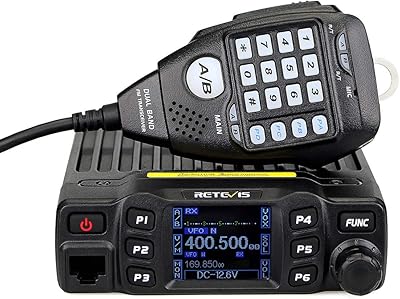
70%
83%
Audio Clarity (DMR Mode)
41%
Programming Experience
78%
Value for Money
76%
Build Quality & Durability
86%
OpenGD77 Firmware Compatibility
More
Baofeng UV-21R Dual Band Ham Radio
75%
91%
Value for Money
68%
Build Quality
54%
Transmission Range
83%
Display & Interface
88%
Charging Convenience
More
Retevis RT95 Dual Band Mobile Ham Radio
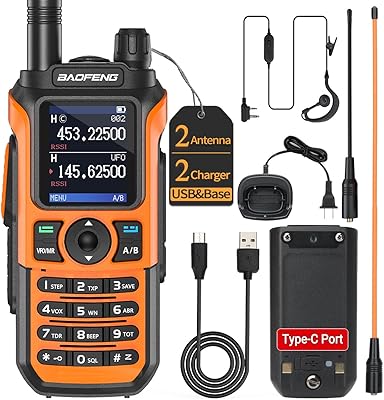
77%
88%
Audio Clarity
67%
Ease of Programming
91%
Display & Readability
86%
Value for Money
74%
Build Quality
More
BaoFeng UV-82HP Dual Band Ham Radio
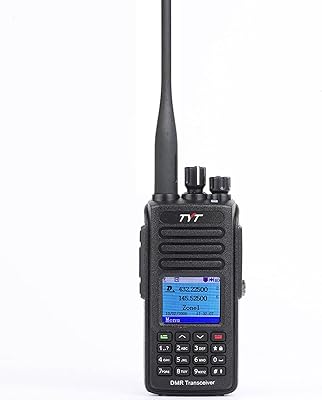
74%
91%
Value for Money
88%
Signal Output & Range
83%
Audio Clarity
79%
Build Quality & Durability
74%
Battery Life
More
TYT MD-UV390 DMR Dual-Band Handheld Radio
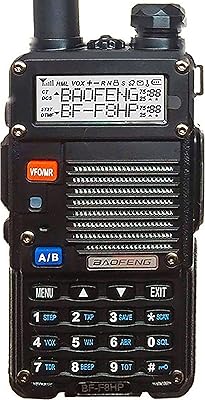
77%
88%
Build Quality
91%
Waterproofing
84%
Audio Clarity
82%
Battery Life
51%
Programming Experience
More
Baofeng BF-F8HP 8-Watt Dual Band Two-Way Radio
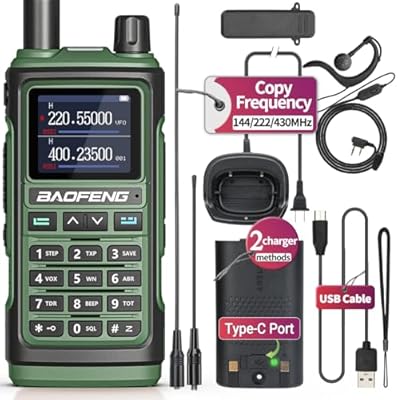
72%
88%
Signal Strength & Range
86%
Battery Life
74%
Build Quality & Durability
67%
Audio Clarity
52%
Ease of Programming
More
BAOFENG UV-17R Dual Band Ham Radio
73%
91%
Value for Money
63%
Ease of Setup
54%
Real-World Range
67%
Build Quality
61%
Audio Quality
More
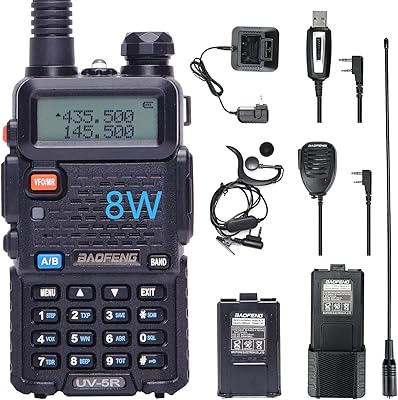
Baofeng UV-5R 8W Ham Radio
83%
84%
Performance
88%
Ease of Use
90%
Build Quality
85%
Range and Signal Strength
83%
Battery Life
More
AnyTone AT-778UV Dual Band Mobile Radio
79%
83%
Build Quality
88%
Audio Clarity
86%
Dual-Band Coverage
79%
Display & Interface
51%
Programming Software
More
Radtel RT-860 Multiband Ham Radio Transceiver
75%
88%
Value for Money
76%
Reception Range & Sensitivity
59%
SSB & HF Audio Quality
83%
Build Quality & Durability
62%
Ease of Programming & Setup
More

FAQ

Yes, transmitting on the VHF and UHF frequencies this radio covers requires a valid amateur radio license in most countries. Using it without a license to transmit is illegal, though you can legally listen without one. If you haven't licensed yet, look into the Technician class exam — it's a straightforward entry point into ham radio.

Honestly, it takes some patience. DMR radios in general require building or loading a codeplug — a file that defines your channels, talk groups, and contact list — and the included documentation doesn't walk you through this well. Most users rely on community-created programming guides and software like CHIRP or the manufacturer's own PC tool. If you've programmed an analog Baofeng before, expect a noticeably steeper curve here.

Yes, as long as the other radio supports DMR Tier I or Tier II and is on the same talk group and time slot, it will communicate fine regardless of brand. DMR is an open standard, so interoperability between manufacturers is generally reliable on the digital side.

The GPS and APRS functions are built in, but you will need to configure your APRS settings — including your callsign and destination path — before it works properly on the APRS network. This isn't plug-and-play, but once configured it does broadcast your position to APRS-IS and nearby i-gates automatically.

The listed 10km range is a best-case figure measured in open, flat terrain with no obstructions. In practice, most users will see significantly shorter range in urban areas, forests, or hilly terrain. For reliable longer-distance communication, you'll want to hit a local repeater rather than rely on direct radio-to-radio contact.

It's a genuinely practical feature, not just a checkbox. The accelerometer detects a sudden hard impact or drop and automatically triggers an alert to pre-configured contacts. It won't replace a dedicated personal locator beacon for serious backcountry use, but for solo workers in moderate-risk environments it's a real safety net.

Technically the frequency range overlaps with some GMRS and FRS channels, but this radio is not FCC-certified for GMRS or FRS use. Using it on those frequencies could put you in a legal gray area. For casual family communication, a dedicated FRS radio is a simpler and legally cleaner choice.

Yes, the package includes a 7.4V lithium-ion battery and the radio charges via Type-C USB, which is a practical modern touch. You won't need to hunt down a proprietary charging dock, which has been a headache with older Baofeng models.

The DM-32UV records audio internally with onboard storage management, so you can review recordings directly through the radio's menu without connecting to a computer. It handles up to 10 hours of recorded content, which is useful for logging nets, field communications, or training exercises.

Yes, the SMA-F connector is a common standard and is compatible with a wide range of aftermarket dual-band antennas. Swapping to a higher-gain antenna is one of the easiest ways to improve real-world range and reception, and it's a common first upgrade among ham radio hobbyists who use this dual-band radio.

Where to Buy