Overview

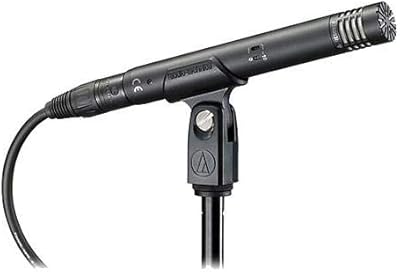
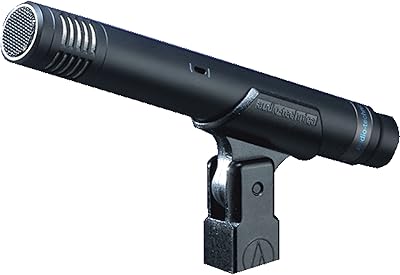
The Audio-Technica AT8035 Shotgun Microphone is an incredibly versatile recording tool built for demanding video production and broadcasting environments. Right out of the box, you notice the rugged metal housing that feels ready for serious daily use. What makes this shotgun mic particularly appealing to intermediate videographers is its dual power functionality. You can run it on standard phantom power in a studio, or switch to battery power when working in the field. It is important to note that this requires a proper XLR setup or a dedicated adapter, so it is not a simple plug-and-play device for beginners. Delivering professional-grade connections, it bridges the gap between basic camera audio and high-end cinema sound, ensuring your dialogue remains crisp and isolated from the surrounding environment.

Features & Benefits

At the core of the AT8035 is a highly directional sound capture pattern that expertly rejects unwanted noise from the sides and rear. This line-gradient design works alongside an extended frequency response to capture natural, nuanced audio. A major lifesaver on location is the ability to run on a single AA battery. If your camera lacks phantom power, this backup option can save an entire shoot. Additionally, the built-in 80 Hz low-frequency roll-off switch is incredibly practical. This toggle actively cuts out deep, rumbling frequencies on the fly. When you are shooting outside on a breezy day or swinging the boom pole, engaging this switch effectively minimizes annoying wind rumble and handling noise before it ever hits your audio recorder, keeping your dialogue remarkably clean.

Best For

This directional microphone hits the sweet spot for independent filmmakers who need a reliable boom mic that will not break the bank but still delivers broadcast-ready results. It is an outstanding choice for field journalists and documentary crews who often find themselves in unpredictable setups where external phantom power is simply unavailable. Content creators who have outgrown their basic camera mics and are looking to upgrade to a proper audio workflow will find it highly rewarding. Furthermore, corporate video producers requiring clear, focused dialogue isolation in echoey offices or noisy convention halls will benefit heavily from its tight pickup pattern. Ultimately, anyone handling fast-paced productions where both durability and power flexibility are absolute necessities should strongly consider adding this tool to their daily kit.

User Feedback

Looking at real-world performance, buyers consistently praise how well it isolates dialogue, noting that subjects sound remarkably clear even in chaotic, echoing environments. Long-time owners heavily commend its reliability, reporting that it survives the inevitable bumps associated with fast-paced location recording without skipping a beat. The peace of mind provided by the alternative power method is frequently cited as a favorite attribute among solo shooters. On the downside, some reviewers note that the long barrel makes it slightly unwieldy when mounted directly on smaller mirrorless cameras. Most importantly, users often point out that you must invest in a high-quality shock mount to reach its full potential, as basic clips transmit handling vibrations. Overall, the consensus highlights its outstanding long-term value and dependable audio isolation.

Pros

  • The highly directional line-gradient polar pattern expertly rejects unwanted background chatter and traffic noise.
  • Running on a single 1.5V AA battery provides a crucial backup when phantom power is unavailable on location.
  • A rugged metal housing ensures the Audio-Technica AT8035 Shotgun Microphone survives the inevitable bumps of daily field production.
  • Engaging the 80 Hz low-frequency roll-off switch actively cuts out deep wind rumble and distant hums before recording.
  • It delivers a broad 40 to 20,000 Hz frequency response, resulting in natural, broadcast-ready dialogue requiring minimal equalization.
  • The professional 3-pin XLR connector guarantees a secure connection that will not accidentally pull out during complex camera movements.
  • It strikes an excellent balance between professional sound quality and an accessible price point for upgrading content creators.

Cons

  • Beginners are often frustrated to learn it requires a specialized audio interface or XLR adapter rather than simple USB connectivity.
  • Using basic, rigid clips transmits an unacceptable amount of physical handling vibration directly into your audio tracks.
  • The extended barrel length makes this directional microphone quite unwieldy and front-heavy when mounted directly atop compact mirrorless cameras.
  • Keeping track of internal battery status is tricky during long shoots because there is no dedicated power indicator light.
  • The required accessories, including a premium shock mount and thick XLR cables, noticeably push up the total initial investment.
  • Its tight pickup pattern means boom operators must be highly precise with their aiming to avoid dropping dialogue volume.

Ratings

We've analyzed thousands of verified global buyer reviews to bring you this AI-generated, spam-filtered performance breakdown of the Audio-Technica AT8035 Shotgun Microphone. By stripping away incentivized ratings and bot feedback, these scores transparently reflect how the microphone handles real-world shooting conditions. You will find a balanced look at its true strengths on set, alongside the practical pain points users experience in the field.

Dialogue Isolation
93%
The line-gradient polar pattern does an exceptional job of rejecting off-axis background chatter and traffic noise. Shooters working in echoey convention halls or busy streets consistently praise how cleanly it centers the subject's voice.
Its tight pickup pattern means boom operators need to be highly precise with their aiming during multi-person interviews. If the microphone drifts slightly off-target, the dialogue volume drops off significantly faster than with wider polar patterns.
Power Flexibility
88%
The ability to switch between standard phantom power and a traditional 1.5V AA battery is a massive lifesaver for run-and-gun crews. Reviewers love having this reliable backup when plugging into entry-level field recorders that lack external power delivery.
Users note that keeping track of the internal battery status can be tricky during long production days since there is no dedicated power indicator light. Forgetting to remove a dead battery can also lead to corrosive leakage over time.
Build Quality & Durability
91%
With its rugged metal housing, this directional microphone easily survives the daily bumps, drops, and transit hazards of location shooting. Long-term owners repeatedly highlight its robust construction, noting it holds up beautifully even after years of demanding field work.
The solid metal build naturally makes it slightly heavier than plastic alternatives, which can cause minor fatigue during extended boom pole operation. A few users also mentioned the finish can pick up visible scratches if tossed haphazardly into gear bags.
Handling Noise Rejection
71%
29%
When paired with high-quality suspension systems, the microphone remains incredibly quiet even during rapid boom swings and sudden camera movements. Experienced sound mixers find it delivers pristine audio tracks as long as standard mounting precautions are taken on set.
Reviewers frequently mention that using basic, rigid clips transmits an unacceptable amount of physical vibration directly into the recording. You absolutely must invest in a premium shock mount to unlock its full potential and prevent ruined takes.
Camera Mounting Practicality
68%
32%
Its standard 3-pin output connector ensures a secure, professional-grade locking connection that will not accidentally pull out during complex camera maneuvers. This makes it highly dependable for rigorous documentary styles where gear gets jostled constantly.
The extended barrel length makes it quite unwieldy when mounted directly atop smaller mirrorless cameras or compact digital rigs. Users complain it can intrude into the frame of ultra-wide lenses and creates an awkwardly front-heavy camera balance.
Low-Frequency Roll-Off Performance
86%
The built-in 80 Hz toggle switch effectively cuts out deep, rumbling frequencies before they ever reach your audio interface. Videographers shooting outdoors heavily rely on this feature to neutralize aggressive wind gusts and distant traffic hums on the fly.
Engaging the filter can occasionally thin out deeper voices, stripping away some of the natural low-end resonance from male vocalists. Some editors prefer leaving the switch flat to retain full audio richness, opting to handle rumble strictly in post-production.
Frequency Response & Tone
84%
Capturing a broad spectrum from 40 to 20,000 Hz, the microphone reproduces a highly natural, broadcast-ready sound profile. Voiceovers and on-camera dialogue sound crisp and nuanced, requiring very little equalization tweaking in the editing timeline for most standard projects.
Audiophiles point out that it lacks the absolute pristine high-end clarity found in substantially more expensive studio-grade shotgun alternatives. It performs admirably for dialogue, but might not be the absolute best choice for recording highly complex musical instruments.
Value for Money
89%
For independent filmmakers upgrading to a proper XLR workflow, it strikes a fantastic balance between professional sound and accessible pricing. Buyers consistently feel they are getting a workhorse tool that dramatically elevates their production value without breaking the budget.
The hidden costs can frustrate buyers who initially thought they were getting a complete package right out of the box. Factoring in the required XLR cables, specialized adapters, and a mandatory shock mount pushes the total investment noticeably higher.
Portability & Weight
77%
23%
Weighing in at roughly six ounces, it is generally light enough to pack into standard gear cases without weighing down your luggage. Field journalists appreciate its slim profile when traveling between international assignments or navigating crowded press scrums.
While the microphone itself is relatively light, the required accessories like thick audio cables and bulky shock mounts add significant spatial footprint to a kit. Minimalist travelers often find the entire operational setup too cumbersome for ultra-lightweight vlogging setups.
Beginner Accessibility
58%
42%
Once properly rigged, the operation is straightforward with highly predictable, reliable audio capture that does not require complex digital menus. Ambitious beginners eager to learn traditional audio workflows find it to be an excellent, forgiving training tool.
The requirement for specialized audio inputs or preamp adapters makes it confusing and intimidating for novices expecting simple plug-and-play USB functionality. Many first-time buyers leave frustrated reviews after realizing they cannot plug it directly into their laptop or smartphone.

Suitable for:

The Audio-Technica AT8035 Shotgun Microphone is an exceptional choice for independent filmmakers, documentary crews, and field journalists who need reliable audio capture in unpredictable environments. Because it can run on a standard AA battery, it is a lifesaver for run-and-gun shooters using entry-level field recorders or cameras that lack phantom power. Corporate video producers will also appreciate how effectively the highly directional pickup pattern isolates dialogue from noisy backgrounds like convention halls or busy offices. Ultimately, anyone looking to upgrade from basic camera audio to a proper, professional-grade XLR workflow will find this directional microphone to be a sturdy, dependable workhorse that significantly elevates their production value.

Not suitable for:

Casual vloggers, ambitious beginners, and content creators looking for a simple plug-and-play solution should steer clear of the Audio-Technica AT8035 Shotgun Microphone. Since it relies on a 3-pin XLR connection, you cannot plug it directly into a smartphone, tablet, or standard laptop without purchasing a dedicated audio interface or adapter. Additionally, minimalist travelers might find the extended barrel length and the required accessories, like thick cables and a premium shock mount, too bulky for ultra-lightweight digital rigs. If your daily shooting involves mounting a mic directly to a small mirrorless camera, the awkward, front-heavy balance will likely be more frustrating than it is worth.

Specifications

  • Polar Pattern: It utilizes a line-gradient polar pattern for highly directional sound capture.
  • Phantom Power: The microphone is compatible with standard 11 to 52V DC phantom power delivery.
  • Battery Operation: It can seamlessly operate using a single 1.5V AA battery when external power is unavailable.
  • Frequency Response: The device captures audio across an extended 40 to 20,000 Hz frequency range.
  • Output Connector: It features an integral 3-pin XLRM-type output connector for secure audio routing.
  • Roll-Off Switch: A built-in switch enables an 80 Hz, 12 dB/octave low-frequency roll-off to reduce rumble.
  • Construction Material: The microphone is built with a rugged, all-metal housing for maximum durability on set.
  • Item Weight: The microphone alone weighs a highly portable 5.92 ounces.
  • Impedance: It operates with an electrical impedance rating of 200 Ohms.
  • Signal-to-Noise: The microphone boasts a clean 77 dB signal-to-noise ratio.
  • Audio Sensitivity: It features a maximum audio sensitivity rating of 144 decibels.
  • Dimensions: The item dimensions are listed as 4.5 by 2.5 by 4.5 inches.

Related Reviews
Audio-Technica BP4029 Stereo Shotgun Microphone
87%
93%
Sound Quality
88%
Build Quality
85%
Ease of Use
90%
Portability
91%
Versatility in Recording Modes
More
Audio-Technica ATR6550X Condenser Shotgun Microphone
82%
92%
Sound Clarity
88%
Range Flexibility
60%
Wind Resistance
91%
Ease of Setup
85%
Portability
More
Audio-Technica AT831b Lavalier Microphone
86%
94%
Sound Quality
91%
Build Quality
89%
Noise Cancellation
85%
Ease of Use
93%
Connectivity (XLR Performance)
More
Audio-Technica AT829CW Lavalier Microphone
88%
94%
Sound Quality
88%
Build Quality
91%
Ease of Use
89%
Portability
93%
Connectivity Stability
More
Audio-Technica AT875R
83%
93%
Sound Rejection
94%
Form Factor & Compactness
88%
Vocal Clarity
82%
Handling Noise Reduction
86%
Build Quality & Durability
More
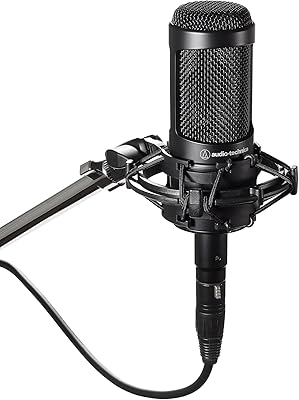
Audio-Technica AT2021 Cardioid Condenser Microphone
85%
92%
Sound Clarity & Detail
85%
Build Quality & Durability
90%
Ease of Setup
78%
Background Noise Isolation
91%
Value for Money
More
Audio-Technica AT803 Omnidirectional Lavalier Microphone
86%
91%
Sound Quality
87%
Portability
89%
Ease of Use
84%
Build Quality
80%
Battery Life
More
Audio-Technica ATM650 Hypercardioid Dynamic Microphone
88%
91%
Sound Quality
89%
Build Quality
93%
Noise Isolation
88%
Handling Noise Reduction
78%
Weight & Ergonomics
More
Audio-Technica AT899 Subminiature Lavalier Microphone
88%
94%
Sound Quality
88%
Build Quality
91%
Ease of Setup
93%
Portability & Size
89%
Power Options Flexibility
More
Audio-Technica AT831CW
85%
92%
Vocal Clarity
96%
Feedback Rejection
88%
Acoustic Instrument Miking
94%
Connector Reliability
89%
Form Factor & Concealment
More

FAQ

No, you cannot plug it directly into a standard headphone jack or USB port. This directional microphone requires an XLR connection, meaning you will need a dedicated audio interface or a specific XLR adapter to use it with your computer or phone.

You do not strictly need phantom power to operate it. While it runs perfectly on standard 11 to 52V DC phantom power from a mixer or camera, it can also run on a single 1.5V AA battery. This makes it incredibly flexible for run-and-gun field shoots.

The roll-off switch cuts out low, rumbling bass frequencies before they are even recorded. This is highly effective at minimizing outdoor wind noise and the low-end thud of handling a boom pole, keeping your vocal tracks much cleaner.

It might be a bit too long and unwieldy for a compact digital camera rig. Because of its extended barrel length, it can make smaller setups feel front-heavy and might even peek into the frame if you are using an ultra-wide lens.

It generally includes a basic stand clamp, but it does not come with a premium shock mount. Real buyers strongly recommend purchasing a high-quality shock mount separately to prevent handling vibrations from ruining your audio.

It excels in noisy, echoey spaces thanks to its line-gradient polar pattern. This design actively rejects sound coming from the sides and rear, allowing you to clearly isolate the dialogue of the person standing directly in front of the lens.

While exact times vary based on the specific battery brand and environmental conditions, a fresh alkaline AA battery typically powers this mic for hundreds of hours of continuous use. Just remember to remove the battery if you plan to store the unit for a long time to prevent corrosive leaks.

The housing is constructed entirely from durable metal. This rugged build quality means it can easily survive the daily bumps, drops, and general wear-and-tear associated with fast-paced location recording.

Yes, it is fantastic for recording clear dialogue indoors, especially in treated rooms or controlled sets. However, if you are in a highly reverberant room with hard walls, you still need to position it as close to the speaker as possible to avoid capturing too much room echo.

You will need a standard 3-pin XLR cable to connect it to professional video cameras or field recorders. If your camera only has a 3.5mm mic input, you will need an XLR-to-3.5mm adapter cable, and you must use the internal AA battery to power the mic.