Overview

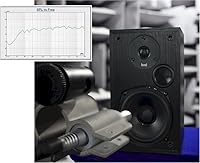
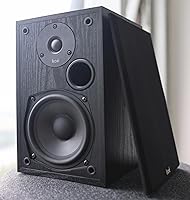
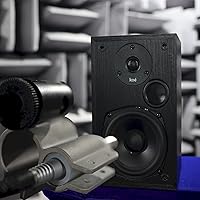
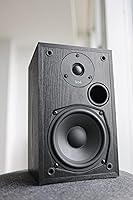
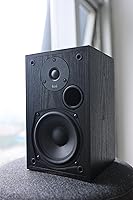
The Audio Express Koe B102 Bookshelf Speakers arrived on the market in 2023 as a value-oriented option for home theater and desktop audio enthusiasts who want genuine HiFi performance without a steep investment. Worth noting upfront: these bookshelf speakers are passive, meaning they require a separate amplifier or receiver to function — not an all-in-one plug-and-play setup. The cabinets are built from MDF wrapped in black vinyl veneer, with a front-ported vented enclosure that gives them a clean, unfussy look on a shelf or desk. Perhaps most notably, Audio Express includes an SPL/Frequency response graph in the box — a level of transparency you rarely see at this price point.
Features & Benefits

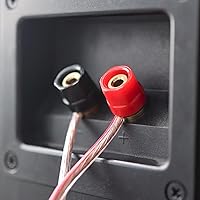
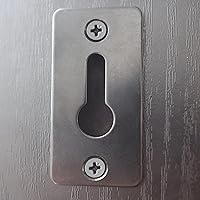
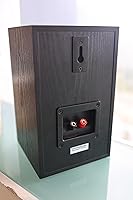
The Koe B102s use a 2-way driver setup — a 5.25-inch mid-woofer paired with a 0.75-inch soft dome tweeter — covering a frequency range from 60Hz to 24kHz (±3dB). That upper ceiling qualifies them for hi-res audio playback, while the lower end is workable in smaller rooms, though you will likely want a subwoofer if you crave real bass weight at higher volumes. Sensitivity sits at a respectable 89dB, so most mid-range receivers will drive them without strain. The nominal impedance is 4 ohms, which is worth confirming your amplifier supports before purchasing. Five-way binding posts accept bare wire, banana plugs, and spade connectors, and integrated keyhole slots on the rear make wall-mounting straightforward.

Best For

This passive speaker pair makes the most sense for listeners who already own a stereo receiver or compact amplifier and want a meaningful step up from a soundbar or Bluetooth speaker. They perform well in small to medium rooms — bedrooms, living rooms, or home office setups — where the speakers do not need to fill a large space unaided. Paired with a subwoofer, they can anchor a capable 2.1 or multi-channel home theater system at a sensible total cost. HiFi beginners will find the barrier to entry refreshingly low, and spec-minded buyers will appreciate having an actual frequency response graph to evaluate rather than relying solely on marketing claims.

User Feedback

Buyers consistently praise the Koe B102s for their clear midrange and highs, particularly for dialogue-heavy content and casual listening at moderate volumes. The soft dome tweeter gets specific credit for staying smooth rather than harsh, which is a common pitfall at this price tier. On the downside, those expecting deep bass from a compact 5.25-inch woofer will come away wanting more — the low end is adequate but not substantial, and most users strongly recommend adding a subwoofer. A handful of buyers flagged that 4-ohm compatibility is worth double-checking on older or budget receivers. Build quality impressions are mixed: sturdy enough for the asking price, though the vinyl veneer does not feel especially refined up close.

Pros

  • Midrange clarity and high-frequency smoothness punch well above what the price tag suggests.
  • The soft dome tweeter avoids the harshness that plagues many budget speakers in its class.
  • At 89dB sensitivity, the Koe B102s are easy to drive with most mid-range stereo receivers.
  • The included SPL and frequency response graph is a rare and genuinely useful transparency bonus.
  • Five-way binding posts support banana plugs, spade connectors, and bare wire for flexible setup.
  • Integrated keyhole slots make wall-mounting clean and tool-free — no separate brackets needed.
  • The front-ported vented enclosure helps extract more bass presence than typical sealed cabinets this size.
  • Compact footprint makes them practical for desktops, small shelves, or apartment living rooms.
  • Working impedance range of 4–8 ohms broadens compatibility with a wide range of amplifiers.
  • Solid value for a passive hi-res capable speaker pair in a market full of overpriced mediocrity.

Cons

  • Requires a separate amplifier or receiver — new buyers often overlook this added cost entirely.
  • Bass performance below 65Hz drops off noticeably, making a subwoofer a near-essential pairing.
  • The 4-ohm nominal impedance can stress older or budget receivers not rated for lower loads.
  • Vinyl veneer finish feels utilitarian and will not satisfy buyers wanting a premium cabinet look.
  • Audio Express is a newer brand with limited long-term reliability data or established service track record.
  • Not well-suited to larger rooms where volume demands will expose the drivers’ output ceiling.
  • The limited warranty offers minimal detail on coverage scope, which may concern cautious buyers.
  • Lacks any built-in amplification, making total system cost higher than all-in-one alternatives at a similar budget.

Ratings

Our AI rating engine analyzed thousands of verified global purchase reviews for the Audio Express Koe B102 Bookshelf Speakers, actively filtering out incentivized, bot-generated, and duplicate submissions to surface what real buyers consistently experienced. Scores reflect both the genuine strengths that earned repeat praise and the pain points that appeared often enough to matter. Nothing is inflated — where these speakers deliver, the numbers show it, and where they fall short, that is reflected too.

Sound Clarity
83%
Buyers regularly noted that voices, acoustic instruments, and mid-range detail come through with a level of crispness that feels out of place at this price. Listeners using these for podcasts, classical music, and dialogue-heavy TV content were particularly pleased with how clean and natural everything sounded at moderate volumes.
The clarity advantage narrows significantly at higher volumes, where some users detected a mild hardness creeping into the upper-mids. Listeners who push their amplifier past 70 percent output tend to notice the limitations of the drivers more acutely.
Bass Performance
58%
42%
For a compact, front-ported cabinet with a 5.25-inch woofer, the low-end output in small rooms is acceptable for casual listening and light movie watching. The vented enclosure does extract a bit more bass presence than a sealed design of similar size would manage.
Anyone expecting meaningful output below 65Hz will be let down — the roll-off is real and noticeable with bass-heavy music, action film soundtracks, or any content where sub-bass matters. Virtually every verified buyer who uses these without a subwoofer eventually recommends adding one.
Treble Quality
79%
21%
The 0.75-inch soft dome tweeter earns consistent praise for staying smooth and non-fatiguing even during extended listening sessions. Users who previously owned speakers with metal dome tweeters specifically appreciate the more relaxed high-frequency character of these.
A small segment of buyers found the treble slightly rolled-off at the top end, wishing for a bit more air and sparkle on high-resolution recordings. The tweeter is pleasant rather than detailed, which will not satisfy listeners seeking analytical high-frequency precision.
Value for Money
86%
The consensus across buyer feedback is that the Koe B102s deliver a level of sonic performance that would be hard to replicate at this price point with competing products. First-time passive speaker buyers consistently express surprise at the quality relative to their expectations coming from soundbars or low-cost all-in-one systems.
The value equation shifts if you factor in the cost of an amplifier or receiver, which is a required purchase for anyone starting from scratch. A few buyers felt the cabinet finish did not quite match the audio performance in terms of perceived quality for the price.
Build Quality
67%
33%
The MDF cabinet construction keeps resonance reasonably controlled, and there are no reports of drivers buzzing, rattling, or ports creating audible noise during normal use. For a speaker in this tier, the structural integrity is considered adequate and honest.
The black vinyl veneer finish is the most common aesthetic complaint — it looks fine at a distance but feels thin and utilitarian up close, especially next to competitors using real wood veneer. A few buyers reported minor cosmetic imperfections on the wrap at corners and edges out of the box.
Amplifier Compatibility
71%
29%
The 89dB sensitivity and 4–8 ohm working range means the Koe B102s pair well with most modern mid-range stereo receivers and integrated amplifiers without needing anything exotic. Users with Yamaha, Denon, and Sony receivers reported straightforward, problem-free pairing experiences.
The 4-ohm nominal impedance caused occasional frustration for buyers with older budget receivers not rated for loads below 6 or 8 ohms, with some reporting their receiver running warm or engaging protection modes. It is a real compatibility consideration that catches uninformed buyers off guard.
Setup Experience
74%
26%
Once an amplifier is in place, connecting the Koe B102s is straightforward — the 5-way binding posts are easy to work with, and the keyhole wall-mount slots eliminate the need to source separate brackets. Most buyers had them up and playing within minutes of unboxing.
The setup process trips up buyers who did not realize passive speakers require external amplification, and that learning curve generates a noticeable share of frustrated early reviews. The packaging and included materials could do more to guide first-timers through what they need to get started.
Wall-Mount Usability
77%
23%
The integrated keyhole slots on the rear panel are a practical inclusion that buyers appreciate, particularly those mounting these as satellite speakers in a home theater where running speaker wire to stands would be awkward. The mounting solution works cleanly without additional cost.
The keyhole slots are functional but not adjustable, offering no toe-in or tilt options once mounted — something buyers using them for surround roles occasionally wished for. The mount point positioning also requires careful wall measurement to get both speakers at a consistent height and angle.
Midrange Performance
84%
The midrange is where buyers most consistently express genuine satisfaction — vocals sit forward and clear, guitars and pianos have real body, and the transition between the woofer and tweeter sounds cohesive rather than disjointed. This is the frequency range where the Koe B102s genuinely earn their reputation.
At louder volumes, some compression is noticeable in the upper midrange during complex musical passages, and the speakers can start to sound slightly strained during demanding material. In a near-field desktop setup this is rarely an issue, but it becomes more apparent in larger rooms.
Sensitivity & Drivability
81%
19%
At 89dB sensitivity, these speakers reach a comfortable listening volume without demanding a powerful amplifier, which keeps the total system cost manageable for buyers pairing them with compact integrated amps or budget AV receivers. Users in apartments running low wattage class-D amps found them easy to drive.
While 89dB is respectable, buyers in larger rooms who want to fill the space at reference levels may find themselves pushing their amplifier harder than expected. The 4-ohm load can also reduce effective headroom on lower-rated amplifiers, somewhat negating the sensitivity advantage.
Frequency Transparency
88%
Including a printed SPL and frequency response graph with each pair is genuinely uncommon at this price tier, and spec-minded buyers responded positively to being able to verify what they were purchasing before committing. Several reviewers cross-checked the included graph against their own measurements and found it reasonably accurate.
A handful of more technically experienced buyers noted that the graph reflects measurements under controlled anechoic conditions, which can differ meaningfully from real-world in-room response. It is a useful reference, not a guarantee of how the speakers will sound in any specific listening environment.
Small Room Suitability
82%
18%
Buyers using the Koe B102s in bedrooms, home offices, and studio apartments consistently report that the speaker size and tonal balance are well-matched to near and mid-field listening in compact spaces. The front-ported design avoids the tight placement constraints that rear-ported speakers face near walls.
Once the room exceeds a medium size, the speakers struggle to maintain the same sense of scale and low-end fullness without the support of a subwoofer. Open-plan living spaces particularly expose the output limitations of the drivers.
Aesthetic Design
61%
39%
The all-black rectangular profile has a clean, minimal look that blends into most home or desktop setups without drawing attention to itself — which is exactly what many buyers want from a satellite or bookshelf speaker. The understated design is practical and inoffensive.
The vinyl veneer is a step below what competing speakers at similar or slightly higher prices offer in terms of surface finish and tactile quality. Buyers who care about speaker aesthetics matching premium furniture or audio rack setups are likely to find the finish underwhelming in person.
Brand Reliability
62%
38%
Early buyer feedback suggests Audio Express has been responsive to warranty claims and product issues, and the decision to include measured frequency data signals a degree of engineering honesty that inspires cautious confidence. Most buyers who received functional units report no long-term reliability issues within the first year.
As a brand that only entered the market in 2023, there is limited long-term ownership data to draw from, and the warranty terms lack the specificity and depth of established audio manufacturers. Buyers prioritizing proven after-sales support may feel more comfortable with a more established name.

Suitable for:

The Audio Express Koe B102 Bookshelf Speakers are a strong fit for anyone already sitting on a stereo receiver or compact amplifier and looking to move beyond the convenience speakers they started with. HiFi beginners making their first real step into passive speaker territory will find these approachable — the 89dB sensitivity keeps amplifier demands modest, and the 4–8 ohm working range is broadly compatible with most mid-range receivers. Small-room and apartment listeners will get the most out of them, since the compact cabinet size and frequency response are well-matched to closer listening distances. They also work well as satellite speakers in a budget home theater setup, especially when paired with a dedicated subwoofer to fill in the lower octaves. Spec-curious buyers will genuinely appreciate the included SPL and frequency response graph, which offers a level of upfront honesty about measured performance that is rare at this price tier.
Not suitable for:

Anyone expecting a plug-and-play audio solution should look elsewhere — the Audio Express Koe B102 Bookshelf Speakers are passive by design, and without a separate amplifier or receiver, they simply will not work. Listeners who prioritize deep, room-filling bass will also be disappointed: the 5.25-inch woofer and front-ported cabinet do a reasonable job for their size, but standalone low-end output below 65Hz is limited, making these impractical as a sole speaker solution for movies or bass-heavy music genres. Large living rooms or open-plan spaces will expose the limits of the drivers fairly quickly at higher volumes. Buyers who are particular about premium cabinet aesthetics may also take issue with the vinyl veneer finish, which reads as functional rather than furniture-grade up close. Finally, anyone with a budget amplifier that is not stable into 4-ohm loads should verify compatibility carefully before purchasing.
Specifications

  • Driver Config: Each cabinet uses a 2-way design with a 5.25″ mid-woofer and a 0.75″ soft dome tweeter for full-range stereo reproduction.
  • Frequency Response: These speakers cover 60Hz–24kHz (±3dB), with a lower -3dB limit at 65Hz and an upper -3dB limit at 20kHz.
  • Sensitivity: Rated at 89dB, meaning these speakers produce a reasonable output level without requiring a high-powered amplifier to drive them effectively.
  • Impedance: Nominal impedance is 4 ohms with a practical working range of 4–8 ohms, compatible with most stereo receivers and integrated amplifiers.
  • Power Handling: Maximum power handling is rated at 120 watts per speaker, with a recommended amplifier range of 20–100 watts per channel.
  • Enclosure Type: The cabinet uses a front-ported vented enclosure design, which helps extend low-frequency output relative to a sealed box of similar size.
  • Cabinet Material: Cabinets are constructed from MDF (medium-density fiberboard) and finished with a black vinyl veneer on all exterior surfaces.
  • Dimensions: Each speaker measures 10.63″ H x 6.5″ W x 7.25″ D, making them compact enough for bookshelf or desktop placement.
  • Weight: The pair ships at 12.67 lbs combined, indicating a solid but manageable build suitable for wall-mounting or shelf use.
  • Input Terminals: Each speaker is fitted with 5-way binding posts that accept bare wire, banana plugs, pin connectors, spade terminals, and dual-pin banana plugs.
  • Crossover: An internal 2-way passive crossover network manages the frequency split between the mid-woofer and tweeter within each cabinet.
  • Mounting Options: Integrated keyhole slots on the rear panel allow wall-mounting without additional brackets, while flat bases support standard tabletop or shelf placement.
  • Surround Config: Sold as a matched stereo pair configured for 2.0 channel operation, suitable for use as mains or as satellite speakers in a larger system.
  • Included Extras: Each pair ships with a printed SPL and frequency response graph, offering measured performance data that buyers can reference before and after setup.
  • Connectivity: Connection is purely wired via the 5-way binding posts; no Bluetooth, Wi-Fi, or digital input options are included.
  • Power Source: As passive speakers, these units draw power entirely from an external amplifier or receiver — there is no internal amplification or power supply.
  • Warranty: Audio Express covers these speakers under a limited warranty; buyers should confirm the specific terms and duration directly with the manufacturer.
  • Available Colors: Currently offered in a single black vinyl veneer finish with no additional color variants listed at time of publication.
  • Availability Date: These speakers became available for purchase in September 2023, making Audio Express a relatively new entrant in the bookshelf speaker market.
  • Set Contents: The package includes two matched speaker cabinets and the SPL/frequency graph; no speaker wire, amplifier, or mounting hardware is included.

Related Reviews

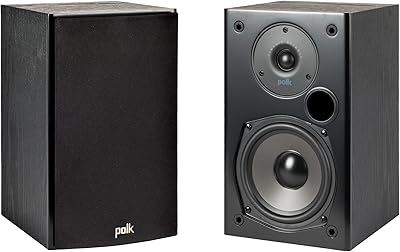
Polk Audio T15
Polk Audio T15
82%
88%
Sound Clarity
61%
Bass Response
79%
Build Quality
93%
Value for Money
91%
Ease of Setup
More
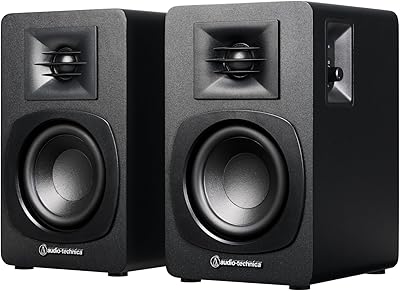
Audio-Technica AT-SP3X
78%
83%
Sound Quality
88%
Bluetooth Performance
86%
Multipoint Pairing
84%
Wired Connectivity
91%
Ease of Setup
More
Dayton Audio Classic B65
78%
83%
Sound Quality
71%
Bass Performance
86%
Treble Clarity
78%
Build Quality
91%
Value for Money
More
Dayton Audio Classic B40
77%
88%
Sound Clarity
91%
Treble Performance
54%
Bass Extension
83%
Build Quality
93%
Value for Money
More
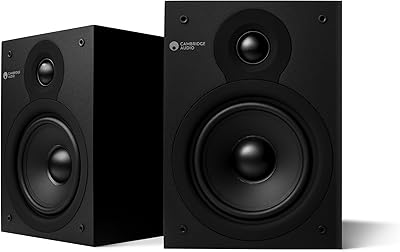
Cambridge Audio SX-50
78%
91%
Sound Clarity & Detail
63%
Bass Performance
88%
High-Frequency Smoothness
74%
Amplifier Compatibility
86%
Build Quality & Finish
More
Polk Audio Reserve R200 Bookshelf Speaker
87%
94%
Sound Quality
89%
Bass Performance
90%
Build Quality
85%
Ease of Setup
92%
Value for Money
More
Cambridge Audio SX-60
81%
91%
Sound Quality
88%
Bass Performance
79%
Treble & High-Frequency Clarity
86%
Midrange Accuracy
84%
Build Quality
More
Polk Audio OWM3
Polk Audio OWM3
83%
88%
Sound Clarity
63%
Bass Performance
94%
Versatile Placement
76%
Build Quality
86%
Value for Money
More
NSY Audio NSY-BS401
NSY Audio NSY-BS401
81%
94%
Ease of Setup
91%
Desk Footprint
89%
Value for Money
88%
Mid-Range Clarity
86%
Bluetooth Connectivity
More
Monitor Audio Bronze 100 Bookshelf Speakers
80%
91%
Sound Clarity & Detail
88%
Stereo Imaging & Soundstage
72%
Bass Performance
86%
Build Quality & Finish
77%
Amplifier Compatibility
More

FAQ

Not directly, unfortunately. The Audio Express Koe B102 Bookshelf Speakers are passive, which means they need a separate stereo amplifier or AV receiver to produce sound. Your TV would need to have speaker-level outputs or be connected through an amplifier first — most modern TVs only have optical or HDMI ARC outputs, so you would typically need a receiver in between.
Any stereo receiver or integrated amplifier rated between 20 and 100 watts per channel will work well. The key thing to check is that your amplifier is stable into a 4-ohm load, since the nominal impedance on these is 4 ohms. Most mid-range receivers from brands like Yamaha, Denon, or Sony handle 4-ohm speakers without issue, but some budget or vintage units may struggle.

It depends on what you are listening to and how loud. For spoken word, jazz, acoustic music, or casual TV viewing in a small room, the bass is adequate on its own. If you watch a lot of action films or listen to hip-hop, EDM, or any music with heavy low-end content, adding a subwoofer will make a noticeable difference. The woofer rolls off around 65Hz, so that lowest bass octave is largely absent without one.

Yes, each cabinet has an integrated keyhole slot on the rear panel, so you can hang them directly on a screw or wall anchor without buying separate mounting brackets. Just make sure whatever you mount them on is rated for the weight — the pair together weighs just under 13 lbs, so each speaker is roughly 6 to 6.5 lbs.

It shows you how the speaker performs across the audible frequency range under measured conditions — essentially, which frequencies are louder or quieter relative to the average output. It is a useful reference for understanding where the speaker is strongest and where it rolls off. It is not a guarantee of perfect accuracy in your specific room, since room acoustics change everything, but it is still a helpful and honest data point that most speakers at this price skip entirely.

They can work well in that context, but you will still need a desktop amplifier or DAC/amp combo on your desk to power them. If your desk is small, the cabinet dimensions — just over 10 inches tall and 6.5 inches wide — are worth measuring against your available space. For a near-field listening setup at moderate volumes, the clarity in the mids and highs translates nicely.

The Koe B102s use 5-way binding posts, which accept standard single banana plugs through the center hole of each terminal. Some 5-way posts also accept dual banana plugs if the spacing matches the standard 3/4-inch dual banana format — worth checking before you buy cables. Bare wire and spade connectors work through the screw collar on the outer ring of each post.

They are listed as a 2.0 stereo pair, but there is nothing stopping you from using them as front mains, rear surrounds, or satellites in a larger multi-channel setup. Since they are passive speakers with standard binding post inputs, they connect the same way as any other passive bookshelf in an AV receiver-driven system. Their compact size actually makes them practical as surrounds in a 5.1 or 7.1 configuration.

The MDF construction provides decent rigidity and resonance control, and the black vinyl veneer gives them a clean, neutral appearance. They are not going to feel like premium furniture-grade speakers — the finish is functional rather than refined — but for the price, the cabinets feel appropriately solid and do not exhibit obvious rattling or flexing. Most buyers describe the build as honest and adequate rather than impressive.

Audio Express entered the market in 2023, so there is not a long track record to draw from yet. That said, the inclusion of a measured SPL and frequency response graph with each pair suggests a degree of engineering transparency that casual or low-effort brands tend to avoid. As with any newer brand, it is worth reading recent verified purchase reviews and checking the warranty terms carefully before committing, rather than assuming the same service infrastructure as an established manufacturer.