
Overview

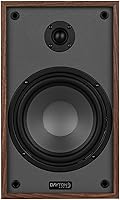
The Dayton Audio Classic B65 is one of the more honest offerings in the budget hi-fi space — a real wood cabinet speaker pair from a brand that has quietly earned respect among audio hobbyists for years. Where most competitors at this price reach for plastic enclosures and cut corners on driver quality, Dayton went the other direction. The sealed, 2-way acoustic suspension design keeps bass tight and controlled rather than boomy, which matters in smaller rooms where port-heavy speakers can quickly overwhelm a space. These bookshelf speakers are aimed squarely at casual listeners, desktop setups, and anyone putting together a compact home theater without wanting to spend a fortune.

Features & Benefits

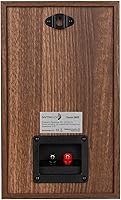
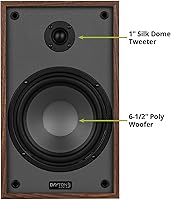
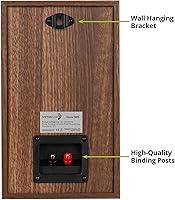
The 6.5-inch poly cone woofer handles bass duties with a driver material that resists moisture and holds its shape over time — practical for any room, not just climate-controlled listening dens. Paired with a 1-inch silk dome tweeter, the top end stays smooth and easy on the ears during longer sessions; silk simply does not fatigue the way metal tweeters sometimes do. A genuine crossover at 4 kHz cleanly hands off frequencies between the drivers, which makes a real audible difference compared to token crossover components found in cheaper speakers. The gold-plated binding posts accept banana plugs for a tidy connection, and the built-in keyhole brackets mean wall mounting is a real option, not just a marketing claim.

Best For

The B65 pair fits naturally into a few specific situations where its size and price make the most sense. Apartment and dorm room listeners who have outgrown their soundbar will find a meaningful upgrade here without sacrificing floor space. They work especially well as desktop audio paired with a small integrated amp or powered DAC — at moderate volumes in a medium-sized room, they deliver a convincing, well-rounded soundstage. Anyone building a modest 2.0 or 2.1 home theater on a tight budget should consider these as front channels. For vinyl fans assembling their first turntable rig, Dayton's classic bookshelf represents a sensible starting point that will not bottleneck a decent phono stage.

User Feedback

Buyers frequently highlight the warm midrange and bass response — most are surprised a sealed cabinet this size can produce respectable low-end. The highs come across as clean without harshness, which aligns with the silk dome design choice. That said, the 85 dB sensitivity is worth flagging: these bookshelf speakers will underperform paired with a weak receiver, so plan on running at least 30–40 clean watts per channel. A handful of users report binding posts that are stiff out of the box, and a few note minor cabinet resonance at higher volumes. Packaging and build consistency draw mostly positive comments, though occasional quality control variations do appear. Comparisons to speakers costing significantly more crop up often — and they never feel forced.

Pros

  • Real wood-finish cabinet looks noticeably more premium than plastic-bodied rivals at this price tier.
  • The silk dome tweeter keeps high frequencies smooth and fatigue-free during long listening sessions.
  • Sealed enclosure delivers tight, controlled bass rather than the muddy output of poorly tuned ported designs.
  • Gold-plated binding posts accept banana plugs, making cable management clean and connections solid.
  • The B65 pair performs particularly well on vocals, acoustic guitar, and jazz at moderate volumes.
  • Genuine crossover components distribute frequencies accurately between drivers — not a token component swap.
  • Built-in keyhole brackets make wall mounting a real option without buying additional hardware.
  • Poly cone woofer handles humidity variation better than paper-cone alternatives, broadening placement options.
  • Buyers consistently report sound quality that competes well above the price class in head-to-head comparisons.
  • Sold as a matched stereo pair, making the out-of-box value straightforward with no mismatched driver guesswork.

Cons

  • At 85 dB sensitivity, these bookshelf speakers require a capable amplifier — weak receivers will leave them sounding dull.
  • Low-end extension below 70 Hz is limited in practice; a subwoofer is needed for bass-heavy listening.
  • Binding posts are notoriously stiff out of the box, making initial cable setup awkward and sometimes tool-dependent.
  • No mounting hardware is included, adding an extra errand for buyers planning to wall-mount the pair.
  • Minor cabinet finish inconsistencies between the two speakers in a pair have been reported across multiple production runs.
  • The wood finish is vinyl wrap, not real veneer — it shows its limitations up close under direct light.
  • Cabinet resonance becomes audible at higher volume levels, particularly in the 150–300 Hz range.
  • No setup documentation is included, leaving first-time buyers without guidance on amplifier pairing or room placement.
  • Not a practical choice for large rooms or open-plan spaces where volume demands will exceed the speaker's comfort zone.

Ratings

The Dayton Audio Classic B65 scores are generated by our AI engine after analyzing thousands of verified buyer reviews worldwide, with automated filtering applied to remove incentivized, bot-generated, and duplicate submissions. The result is an honest, balanced picture of where these bookshelf speakers genuinely deliver and where they fall short — no spin, no selective quoting.

Sound Quality
83%
Users consistently describe a warm, musical presentation with a midrange that feels full and natural rather than hollow or recessed. At moderate listening volumes in a small to medium room, the B65 pair holds its own against speakers that cost noticeably more, particularly on vocals and acoustic instruments.
The low-end rolls off meaningfully below 70 Hz in real-world conditions, so bass-heavy genres like electronic or hip-hop can sound lean without a subwoofer. A small number of listeners also report the soundstage feels compressed when pushed to higher volumes in larger spaces.
Bass Performance
71%
29%
For a sealed cabinet of this size, buyers are often pleasantly surprised by how controlled and punchy the bass response feels — it does not boom or smear, which makes it easier to listen to for extended periods. Paired with a capable amp, the 6.5-inch poly woofer tracks bass lines cleanly through jazz, folk, and rock.
The sealed enclosure design prioritizes accuracy over extension, and the 55 Hz spec is optimistic under typical listening conditions. Anyone expecting meaningful sub-bass output without a dedicated subwoofer will be disappointed, especially at lower amplifier power levels.
Treble Clarity
86%
The 1-inch silk dome tweeter is one of the standout elements here — buyers repeatedly note that the high frequencies are detailed without ever becoming sharp or glassy during long listening sessions. This makes Dayton's classic bookshelf a strong pick for people sensitive to listener fatigue from metal-dome designs.
A few users feel the top end lacks the last bit of air and sparkle that more expensive silk tweeters provide, describing it as slightly rolled off above 12 kHz. It is a minor critique, but critical listeners comparing these to higher-tier options in a direct A/B test will notice it.
Build Quality
78%
22%
The wood cabinet finish immediately sets the B65 pair apart visually from the sea of plastic-wrapped budget speakers at this price point, and the cabinet itself feels dense and well-braced when handled. The gold-plated binding posts and recessed hardware add a level of build quality that buyers do not always expect here.
Some buyers report minor cosmetic inconsistencies between the two speakers in a pair, and a handful note that the binding posts are quite stiff out of the box, making initial cable installation frustrating. Cabinet edge finishing quality appears to vary between production runs based on user photos shared in reviews.
Value for Money
91%
Across hundreds of reviews, the recurring theme is genuine surprise at what these bookshelf speakers deliver relative to their asking price. Buyers who previously owned low-cost all-in-one systems or department store speakers describe the step-up in audio quality as immediately obvious and lasting.
Value perception drops for buyers who pair them with underpowered receivers and feel underwhelmed — the 85 dB sensitivity and 6-ohm impedance require a decent amplifier to realize the full value. Buyers who factor in the cost of an adequate amp may find the total outlay is higher than initially expected.
Amplifier Compatibility
63%
37%
The 6-ohm impedance is stable and predictable, making these a safe load for most stereo receivers and integrated amplifiers in the 30–60 watt range. Users with mid-range stereo receivers from brands like Yamaha or Denon report excellent results with no strain on the amplifier side.
At 85 dB sensitivity, the B65 pair is noticeably harder to drive than many competing bookshelf speakers rated at 87–89 dB, meaning low-power amplifiers and budget receivers will run out of clean headroom earlier than expected. This is a genuine and frequently cited pain point, especially for buyers using entry-level desktop amps.
Design & Aesthetics
84%
The wood grain vinyl finish looks far more premium than the price suggests, and the clean, classic rectangular cabinet design fits naturally into living rooms, home offices, and desktop setups without looking out of place. Several buyers specifically mention choosing the B65 pair over competing speakers because of how they look on a shelf or desk.
The wood finish is vinyl wrap rather than real wood veneer, and up close it can look flat compared to genuinely veneered cabinets. Color and grain pattern consistency between the two speakers in a pair is not always perfect, which bothers buyers who care about a matched appearance.
Ease of Setup
88%
Connecting these bookshelf speakers is straightforward — the binding posts accept bare wire, spade connectors, and banana plugs, making it easy to use whatever cables a buyer already owns. The recessed post placement keeps things tidy, especially on a desk or shelf where cable clutter is visible.
The stiff binding posts mentioned in user feedback do add friction during first-time setup, with some buyers needing a tool to fully tighten connections. The keyhole wall-mount slots work well once located, but no mounting hardware is included in the box, which adds an extra step for wall installation.
Wall Mountability
74%
26%
The integrated keyhole mounting brackets are a practical and genuinely useful feature that many competing speakers at this tier simply omit. For renters or small-space dwellers who need to clear floor and desk space, having a real mounting solution built into the cabinet is a meaningful convenience.
No screws or wall anchors are included, so buyers need to source their own hardware and ensure proper stud or anchor placement for a pair that weighs nearly 6 lbs each. The keyhole slot positioning also limits flexibility in terms of speaker toe-in angle once mounted to a flat wall.
Packaging & Unboxing
77%
23%
Most buyers report that the speakers arrive well-protected, with the cabinet finish and driver surrounds free from damage. The overall packaging presentation gives a more premium first impression than many speakers at this price point, which contributes to positive initial reactions in reviews.
A recurring minority report includes scuffed cabinet corners or minor finish blemishes on arrival, suggesting that edge protection in the packaging could be more robust. Documentation inside the box is minimal, with no real guidance on amplifier pairing or optimal placement — information that first-time buyers genuinely need.
Midrange Performance
85%
Vocals, guitars, and piano sit naturally in the mix without the honky or nasal coloration that plagues many budget 2-way designs. Listeners who prioritize voices and acoustic instruments consistently rank the midrange as the strongest element of the B65 pair, and it is easy to hear why in a direct comparison.
The crossover point at 4 kHz is slightly high by some audiophile standards, and a small subset of critical listeners detect a mild discontinuity between the woofer and tweeter in the upper midrange. This is most noticeable on complex orchestral tracks rather than simpler, more forgiving source material.
High-Volume Performance
66%
34%
At moderate listening levels — typical for a bedroom, home office, or small living room — these bookshelf speakers perform comfortably without audible strain or dynamic compression. The sealed enclosure keeps the bass controlled even as volume increases, which is a real advantage over ported designs at this price.
Pushed to higher volumes, some buyers report a low-level cabinet resonance that adds a subtle coloration to the sound, particularly in the 150–300 Hz range. The speaker is genuinely not designed for large-room, high-volume listening, and buyers who try to use it that way are the source of most negative reviews.
Frequency Response Consistency
72%
28%
For a budget speaker with a real crossover network, the frequency response holds together reasonably well across a range of program material, avoiding the severe peaks and dips that make some low-cost speakers fatiguing in the long run. Buyers who have measured them report a broadly sensible curve for the price class.
The 55–20,000 Hz specification is a nominal figure measured at a generous tolerance, and real-world in-room response at the frequency extremes will fall short of that range for most buyers. Managing expectations around the low-end extension is important to avoid post-purchase disappointment.
Long-Term Durability
79%
21%
The poly cone woofer material is inherently resistant to humidity and temperature swings, which gives it a practical durability advantage over paper-cone alternatives — useful for kitchens, garages, or less climate-controlled spaces. Buyers who have owned the B65 pair for multiple years report no driver deterioration or surround degradation.
Long-term data is limited given the product's relatively recent broad availability, so durability claims are partly inferred from Dayton's broader track record. A small number of users report tweeter failure after extended use at high power, which falls in line with the 40W RMS power handling specification being a genuine ceiling, not a suggestion.

Suitable for:

The Dayton Audio Classic B65 is a strong fit for anyone making their first real move into hi-fi audio without committing to a large or expensive setup. Apartment and dorm room listeners who want genuine stereo sound but cannot accommodate floor-standing speakers will find the compact cabinet size and wood finish a practical and attractive solution. Desktop listeners pairing them with a small integrated amp or powered DAC will get a significant and immediately noticeable improvement over computer speakers or budget soundbars. These bookshelf speakers also make a lot of sense as secondary room audio — a bedroom, home office, or kitchen setup where you want music to sound good but do not need reference-grade performance. Vinyl enthusiasts assembling a first turntable system on a careful budget will find the B65 pair handles acoustic and vocal-heavy music particularly well, and the sealed enclosure keeps bass honest and controlled rather than inflated. Anyone building a modest 2.0 or 2.1 home theater for a smaller room should also consider them as capable front channel speakers, provided a decent receiver is in the chain.

Not suitable for:

The Dayton Audio Classic B65 is genuinely not the right tool for buyers expecting room-filling bass without a dedicated subwoofer — the sealed enclosure rolls off meaningfully in the low frequencies, and no amount of amplifier power will change that physics. Listeners in larger living rooms or open-plan spaces who want to listen at higher volumes will run into the speaker's limits fairly quickly, including some cabinet coloration and a compressed dynamic feel that becomes noticeable when pushed hard. The 85 dB sensitivity rating is also a real constraint: anyone planning to pair these with a low-powered desktop amplifier or a bare-bones budget receiver should temper their expectations, as the speakers will sound flat and lifeless without adequate clean wattage behind them. Critical listeners who prioritize pinpoint imaging, extended treble air, or deep sub-bass as their primary criteria would be better served looking at more specialized or higher-priced options. These bookshelf speakers are also not suitable for outdoor use or high-humidity permanent installations, as the cabinet finish and internal components are designed for standard indoor environments.

Specifications

  • Woofer: Each speaker is equipped with a 6.5-inch polypropylene cone woofer designed for controlled bass response and long-term resistance to humidity.
  • Tweeter: A 1-inch silk dome tweeter handles high-frequency reproduction, chosen for its smooth, non-fatiguing character across extended listening sessions.
  • Enclosure Type: The cabinet uses a 2-way acoustic suspension (sealed) design, which prioritizes accurate, tight bass over maximum low-frequency extension.
  • Crossover Frequency: The internal crossover hands off audio duties between the woofer and tweeter at 4 kHz, using real crossover components rather than token passive elements.
  • Frequency Response: Nominal frequency response is rated at 55–20,000 Hz, measured at standard tolerance under controlled laboratory conditions.
  • Sensitivity: Sensitivity is rated at 85 dB (1W/1m), meaning these speakers require a reasonably capable amplifier to reach comfortable listening volumes.
  • Impedance: Nominal impedance is 6 ohms, making the speakers compatible with the vast majority of stereo receivers and integrated amplifiers on the market.
  • Power Handling: Continuous power handling is 40W RMS, with a peak handling figure of 75W; the recommended amplifier range is 15–60 watts per channel.
  • Dimensions: Each cabinet measures 7.8″ deep, 6.7″ wide, and 13″ tall, making them a practical fit for shelves, desktops, and wall-mount installations.
  • Weight: Each speaker weighs 5.95 lbs (approximately 2.7 kg), and the combined shipping weight for the pair is approximately 14.7 lbs.
  • Binding Posts: Connections are handled via gold-plated binding posts recessed into the cabinet rear, compatible with bare wire, spade connectors, and banana plugs.
  • Wall Mounting: Each cabinet includes integrated keyhole mounting slots on the rear panel, allowing direct wall installation without a separate mounting bracket purchase.
  • Cabinet Finish: The exterior is finished in a wood-grain vinyl wrap giving a warm, natural appearance that visually distinguishes it from plastic-bodied competitors at this price tier.
  • Enclosure Material: The cabinet body is constructed from MDF (medium-density fiberboard), a standard and acoustically preferred material for minimizing unwanted panel resonance.
  • Configuration: The B65 is sold as a matched stereo pair in a 2.0 channel configuration, with both speakers included in a single purchase.
  • Warranty: Dayton Audio covers these speakers under a full manufacturer warranty; buyers should confirm current warranty duration and terms directly with the manufacturer or retailer.

Related Reviews
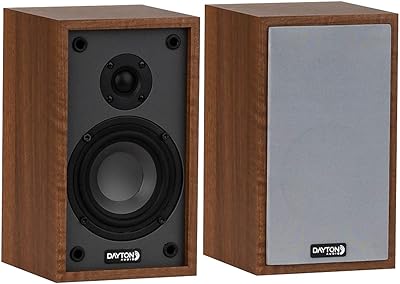
Dayton Audio Classic B40
77%
88%
Sound Clarity
91%
Treble Performance
54%
Bass Extension
83%
Build Quality
93%
Value for Money
More
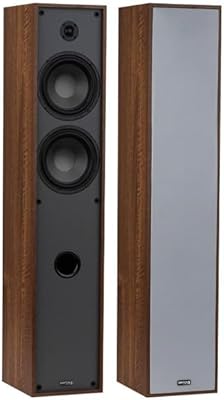
Dayton Audio Classic T65 Tower Speakers
86%
91%
Sound Quality
87%
Bass Performance
88%
Treble Clarity
85%
Power Handling
92%
Build Quality
More
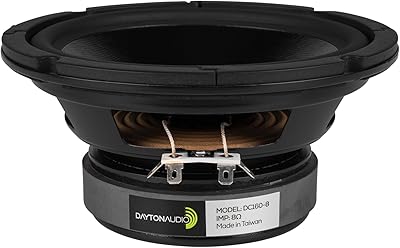
Dayton Audio DC160-8 6-1/2″ Classic Woofer
85%
91%
Bass Performance
94%
Value for Money
88%
Sound Clarity
86%
Build Quality
89%
Durability
More
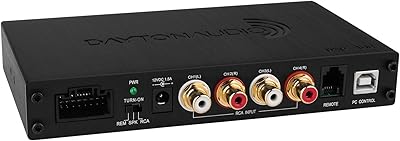
Dayton Audio DSP-408
85%
94%
Value for Money
88%
Software Interface & GUI
92%
Audio Routing Flexibility
87%
Compactness & Form Factor
61%
Out-of-the-Box Connectivity
More
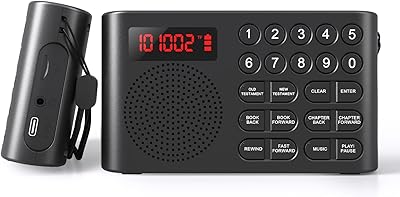
Lamborsafe Classic KJV Audio Bible Player
85%
93%
Ease of Use
88%
Audio Quality
91%
Battery Life
80%
Portability
85%
Build Quality
More
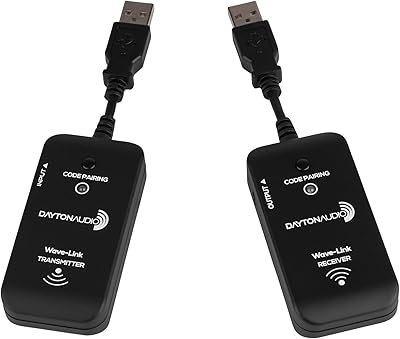
Dayton Audio Wave-Link WLS System
86%
89%
Wireless Performance
91%
Ease of Setup
87%
Multi-room Compatibility
84%
Sound Quality
65%
Latency
More
Dayton Audio BST-300EX Bass Shaker
84%
88%
Bass Performance
91%
Build Quality
85%
Ease of Setup
90%
Value for Money
87%
Durability
More
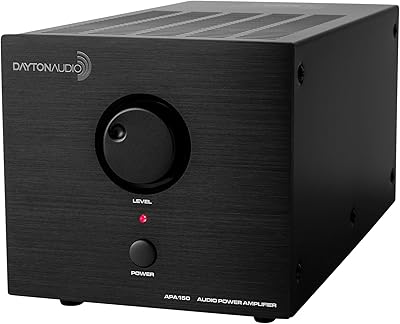
Dayton Audio APA150
Dayton Audio APA150
81%
88%
Sound Quality
83%
Build Quality
91%
Value for Money
89%
Noise Floor & Fan Operation
61%
Crossover Precision
More
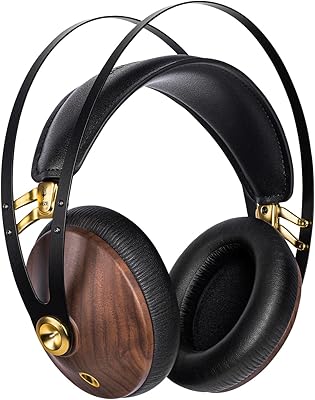
Meze Audio 99 Classics Walnut Gold
88%
94%
Sound Quality
91%
Comfort for Extended Use
90%
Build Quality
88%
Design and Aesthetics
85%
Noise Isolation
More
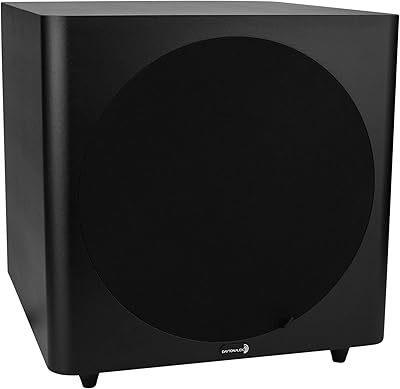
Dayton Audio SUB-1200 12″ Powered Subwoofer
86%
88%
Bass Performance
91%
Ease of Integration
89%
Value for Money
85%
Build Quality
93%
Size/Space Efficiency
More

FAQ

These bookshelf speakers will work with most stereo receivers and integrated amplifiers, but the 85 dB sensitivity rating means they genuinely need adequate power to sound their best. A receiver or amp delivering at least 30 clean watts per channel is a reasonable minimum. Budget micro-systems or very low-power desktop amps may leave them sounding flat and lacking dynamics.

For casual listening to acoustic music, podcasts, or film dialogue in a small room, the bass from the sealed cabinet is controlled and satisfying enough on its own. If you listen to bass-heavy genres like electronic, hip-hop, or orchestral film scores, a subwoofer will make a significant difference. The sealed design rolls off below roughly 65–70 Hz in real-world conditions, so deep bass is genuinely limited without one.

Not directly — passive speakers like these always require an amplifier in the signal chain. For a turntable setup, you will need either a receiver with a built-in phono stage, a standalone phono preamp feeding an amplifier, or a powered amp with phono input. Once that is sorted, the B65 pair is a very natural match for vinyl listening.

The main advantages over typical competitors at this tier are the real crossover components, silk dome tweeter, and the wood-finish cabinet — most rivals use plastic enclosures and minimal crossover filtering. Where these fall behind some alternatives is in sensitivity, so if your amp is modest, something rated at 87 dB or higher might serve you better. For midrange warmth and build presentation, though, the B65 pair is genuinely hard to beat at the price.

Bare wire works perfectly fine — just strip back about half an inch of insulation, loosen the binding post, and secure the wire. Banana plugs are optional but do make connections cleaner and easier to swap out. The gold-plated binding posts are fairly stiff initially, so give them a firm turn during setup.

These speakers are best suited to rooms in the range of roughly 100 to 180 square feet — think bedrooms, home offices, smaller living rooms, or dorm spaces. In a larger open-plan room, they will struggle to deliver satisfying volume levels and can sound strained when pushed hard. For anything significantly larger, a more sensitive or higher-powered speaker pairing would serve better.

Yes, both speakers have keyhole mounting slots on the back panel designed for wall installation. You will need to source your own screws and wall anchors — nothing is included in the box. Keep in mind that wall mounting fixes the toe-in angle, so spend a moment planning the position before drilling.

The finish is a vinyl wrap rather than genuine wood veneer, so it is reasonably durable under normal indoor conditions but can show edge wear or lifting over time if the cabinets are handled roughly or exposed to moisture repeatedly. In a standard shelf or desktop installation, it should remain in good shape for years. Avoid placing them in garages or any environment with significant humidity swings.

In most cases buyers receive a well-matched pair, but a handful of user reports do note minor cosmetic differences in the finish and, less commonly, slight tonal variation between units. This appears to be an occasional quality control inconsistency rather than a systematic problem. If you receive a noticeably mismatched pair, contacting the seller for a replacement is a reasonable course of action.

For desktop listening, placing them at roughly ear height and angling them slightly inward toward your listening position makes a noticeable difference in imaging and clarity. Keeping them a few inches away from the wall behind them helps the sealed cabinet breathe and reduces early reflections. A small isolation pad or foam riser under each speaker also helps reduce vibration transfer to the desk surface.