Overview

The AKG K271 MKII Closed-Back Studio Headphones have been a fixture in professional recording environments for good reason — this isn't a headphone designed to impress at a listening party, it's built for work. The closed-back, over-ear form factor exists specifically for studio tracking, where isolation from the room matters more than a wide soundstage. AKG's Mark II revision refined the original's build and comfort without abandoning what made it useful in the first place. The detachable dual-exit cable and solid construction remain immediate standouts, especially for buyers who want something that survives years of daily studio use rather than a single season.

Features & Benefits

The auto-mute function — which cuts audio the moment you lift the headphones off your head — is one of those features that sounds minor until you're mid-session, constantly taking them on and off between takes. It's not magic, and some users find it intrusive outside a tracking context, but in a real recording setup it prevents a lot of accidental bleed. The sealed design keeps sound from leaking into open microphones, which matters enormously when recording vocals or acoustic instruments. At 55 ohms, the K271 MKII drives cleanly from most audio interfaces without a separate amp. The replaceable ear pads mean you're not forced into buying new gear the moment the foam compresses.

Best For

These studio headphones are genuinely well-suited to anyone doing studio tracking work — recording engineers, musicians overdubbing their own parts, or voiceover artists who need reliable isolation in a home setup that isn't fully treated. Podcasters who want a clean cue mix during recording will find the closed-back design does its job without fuss. What this AKG model is not is a casual listening headphone or a wireless commuter option. If you're an audio professional who values longevity and the ability to swap out worn parts rather than replace the whole unit, the value case here is genuinely strong. It rewards patience over novelty.

User Feedback

Owners consistently praise the self-adjusting headband for making long sessions comfortable without the usual pressure points — that comes up repeatedly in long-term user reviews. The sound signature, which runs analytical and relatively flat, draws appreciation from engineers but occasionally frustrates buyers who expected more warmth or bottom end. The auto-mute divides opinion: some find it indispensable in a tracking booth, others find it grating when they just want to push the headphones off one ear momentarily. A recurring concern is the dual-exit cable connectors, which some report loosening after heavy use. On the other side, part availability is a genuine long-term asset — loyal owners cite sourcing replacements years later as a real reason to stay with this AKG model.

Pros

  • Self-adjusting headband delivers consistent comfort across long recording sessions without manual fiddling.
  • Closed-back design reliably prevents sound bleed into open microphones during tracking.
  • Replaceable ear pads and detachable cable make long-term ownership genuinely practical.
  • At 55 ohms, the K271 MKII drives well from standard audio interfaces without an external headphone amp.
  • Flat frequency response gives engineers an honest picture of a mix rather than a flattering one.
  • Dual-exit detachable cable adds flexibility for different studio routing needs.
  • Build quality feels durable and purposeful rather than plasticky or fragile.
  • Part availability from AKG means owners can service these headphones years after purchase.
  • Auto-mute function reduces accidental mic bleed for engineers constantly moving between headphones and the room.
  • Mid-range pricing gives access to a pro-grade studio tool without flagship-level spending.

Cons

  • The analytical sound signature will disappoint buyers expecting warmth, bass weight, or consumer-friendly coloration.
  • Auto-mute activates whenever the headphones are lifted slightly, which becomes disruptive outside a formal studio setting.
  • Dual-exit cable connectors on both ear cups can loosen over heavy use and become a reliability weak point.
  • No wireless capability whatsoever — a firm limitation for anyone expecting modern connectivity options.
  • The coiled 5-meter cable is cumbersome in anything other than a stationary studio setup.
  • No built-in microphone rules out video calls, mobile use, or remote work scenarios.
  • Sound isolation, while solid for studio use, falls short of active noise cancellation for loud environments.
  • Ear pad foam compresses over time and will require replacement, adding a periodic maintenance cost.

Ratings

The AKG K271 MKII Closed-Back Studio Headphones have been scored by our AI system after processing thousands of verified owner reviews from global markets, with spam, incentivized feedback, and bot activity actively filtered out. The scores below reflect a realistic picture of where these headphones genuinely deliver and where they fall short — no inflated averages, no glossed-over frustrations. Both the consistent praise from long-term studio users and the recurring complaints from buyers with different expectations are transparently represented.

Sound Accuracy
88%
Engineers and serious home studio users consistently describe the frequency response as honest and revealing — exactly what you want when you are trying to catch problems in a vocal take or instrument recording. The flat tuning lets mix decisions translate well across playback systems, which is the whole point of a studio monitoring tool.
That same accuracy works against the K271 MKII for casual listening. Buyers who picked these up expecting a full-bodied, warm sound were often disappointed, and the analytical presentation can feel fatiguing during long non-work listening sessions.
Noise Isolation
83%
The sealed closed-back enclosure does a solid job of keeping external room noise out and preventing headphone bleed from reaching nearby microphones. Voiceover artists and home recording musicians particularly value this during tracking sessions in imperfectly treated rooms.
Passive isolation has its ceiling, and these headphones will not block out loud environmental noise the way active noise cancellation would. In genuinely noisy environments — a busy apartment or shared workspace — the isolation falls noticeably short.
Wearing Comfort
86%
The self-adjusting headband is the standout comfort feature, removing the trial-and-error fitting process that plagues many studio headphones. Long-session users — recording engineers spending four or more hours in a stretch — repeatedly cite this as a reason they keep coming back to this AKG model.
Some users with larger heads or those who wear glasses report that extended sessions still produce pressure around the ear cups. Ear pad condition also plays a significant role in comfort, and worn pads noticeably reduce the experience.
Build Quality
81%
19%
The overall construction feels purposeful rather than flashy — solid plastic and metal components that have proven durable across years of regular studio use. Long-term owners frequently note that the headphones still function well after heavy daily use spanning multiple years.
The dual-exit cable connectors on both ear cups are the most commonly cited weak point. Several users report the connections loosening over time with heavy use, which introduces reliability concerns that the rest of the build does not.
Cable System
74%
26%
Having a detachable cable on both ear cups gives users the flexibility to route the cord from whichever side suits their studio setup, which is a practical advantage during tracking sessions. The included 5-meter coiled cable is long enough for most stationary studio configurations.
The dual-connector design means there are two potential failure points instead of one, and the coiled 5-meter cable is cumbersome outside a fixed studio environment. Users who want to use these headphones on the move find the cable awkward and impractical.
Auto-Mute Feature
67%
33%
In a proper tracking environment, the auto-mute function genuinely reduces the risk of accidental bleed — lifting the headphones between takes cuts the signal automatically without the engineer needing to reach for a volume knob or interface control. It is a considered feature for the intended use case.
Outside a formal studio context, the auto-mute is a consistent source of irritation. Pushing one ear cup back to hear the room, or slightly adjusting the fit mid-session, can trigger it unexpectedly. The lack of any option to disable it is a real limitation.
Value for Money
82%
18%
At its price point in the mid-range pro audio segment, the K271 MKII offers a level of build durability and sound accuracy that genuinely competes with more expensive options. The fact that ear pads and cables are independently replaceable makes the long-term cost of ownership lower than many rivals.
The competitive landscape has shifted since this model launched, and several newer closed-back options have emerged at similar price points with more modern feature sets. Buyers comparing purely on specs may find the value case less clear-cut than it once was.
Repairability
91%
Replacement ear pads, cables, and other consumable parts are still available through AKG and third-party suppliers after more than two decades in production. This is a meaningful advantage for buyers who want a studio tool that can be maintained rather than discarded.
While parts are available, sourcing them through official channels can sometimes involve longer wait times depending on region. Third-party alternatives vary in quality, and not all replacements match the original fit and feel precisely.
Impedance & Driveability
84%
At 55 ohms, the K271 MKII sits in a practical sweet spot — easy enough to drive from a laptop or tablet headphone output without sounding weak, but impedance-matched well enough to benefit from a proper audio interface headphone output. No separate amplifier is required for most users.
Users running these from lower-powered mobile devices like older smartphones may notice the volume ceiling is lower than ideal. It is not a dealbreaker, but those who exclusively use a phone as their source may find the headphones underwhelming at maximum output.
Soundstage & Imaging
63%
37%
For a closed-back design, the stereo imaging is competent enough for tracking purposes — instruments sit in identifiable positions and the stereo field is coherent, which is sufficient for recording work where pinpoint imaging is less critical than isolation.
Closed-back headphones inherently produce a more confined, in-head soundstage compared to open-back alternatives, and the K271 MKII is no exception. Engineers doing critical stereo mixing work will likely find the imaging limiting compared to open-back options in a similar price range.
Headband Adjustability
87%
The self-adjusting mechanism consistently earns praise from users who switch the headphones between multiple people in a shared studio environment. There is no fiddling with sliders or notched adjustments — the headband simply conforms to whoever puts it on.
The automatic adjustment means there is less precise control for users with very specific fit preferences. A small number of users with unusually small or large head sizes report that the self-adjusting range does not fully accommodate them.
Portability
44%
56%
The DJ-style folding ear cups do allow the headphones to pack down into a more compact footprint than a fully rigid design, and the build is sturdy enough to tolerate being placed in a bag without damage if properly stored.
The 5-meter coiled cable, lack of a hard carrying case in the box, and overall design optimized for stationary studio use make portability a genuine weak point. These are not headphones that travel comfortably or conveniently.
Longevity
89%
Owners who have used these studio headphones for five or more years regularly report that the core hardware — drivers, headband mechanism, ear cup structure — remains functional and sonically consistent well beyond what you might expect from mid-range gear.
The weakest links are the consumable components: ear pads compress and lose their seal over time, and the cable connectors can degrade. These are manageable issues, but they require proactive maintenance rather than set-and-forget use.
Ease of Setup
93%
Plug in a cable, put them on — there is genuinely nothing complicated about getting the K271 MKII up and running. The self-adjusting headband removes even the fitting step, so first-time users can have them working in seconds with no configuration required.
Users upgrading from Bluetooth or wireless headphones may find the wired-only setup feels limiting by comparison. There is also no inline remote or microphone on the cable, so controlling playback or taking calls requires reaching for the source device directly.

Suitable for:

The AKG K271 MKII Closed-Back Studio Headphones are a strong choice for anyone whose work centers on recording rather than casual listening. Studio tracking engineers will appreciate how the sealed design prevents headphone bleed from contaminating open microphones during vocal or instrument takes. Musicians who self-produce and need to monitor a cue mix while recording overdubs will find the isolation reliable and the fit consistent session after session. Podcasters and voiceover artists working in home studios — where full acoustic treatment isn't always possible — benefit from a closed-back design that keeps outside noise out and recorded audio clean. Audio-literate buyers who think in terms of total cost of ownership rather than upfront price will also find the replaceable parts and durable construction a genuinely compelling long-term argument.

Not suitable for:

The AKG K271 MKII Closed-Back Studio Headphones are not the right tool for buyers expecting a warm, consumer-tuned sound signature built for enjoyment listening. The flat, analytical response that makes the K271 MKII useful in a tracking context can feel clinical or fatiguing to listeners who want music to sound punchy and full-bodied rather than accurate. There is no wireless option, no noise cancellation, and no microphone, so commuters, remote workers on video calls, and gym users should look elsewhere entirely. The auto-mute feature, while useful in professional sessions, can feel like an obstacle when wearing these studio headphones casually — pushing them off one ear mid-conversation cuts the audio, which irritates a lot of users outside a dedicated studio context. Anyone prioritizing portability should also note the 5-meter coiled cable and overall build are optimized for stationary studio use, not mobility.

Specifications

  • Headphone Type: Closed-back, over-ear design providing passive noise isolation suited to studio tracking environments.
  • Driver Type: Dynamic driver with a 40mm transducer tuned for flat, accurate frequency reproduction.
  • Impedance: 55 ohms, compatible with most standard audio interfaces and headphone outputs without requiring a dedicated amplifier.
  • Frequency Response: Rated from 16Hz to 28kHz, covering the full audible spectrum with extended high-frequency reach.
  • Weight: 8.5 ounces (approximately 240g), keeping the headphones light enough for extended wear sessions.
  • Cable Type: Detachable dual-exit cable with a 5-meter coiled design included, allowing flexibility in studio routing.
  • Connector: 3.5mm TRS audio jack with a 6.3mm screw-on adapter included for professional equipment compatibility.
  • Headband: Self-adjusting headband that conforms automatically to head size without manual repositioning.
  • Ear Pads: Replaceable over-ear cushions that can be sourced and swapped independently to extend the product lifespan.
  • Auto-Mute: Built-in auto-mute mechanism that cuts audio output when the headphones are lifted off the head.
  • Folding Design: DJ-style folding structure allows the ear cups to rotate and fold flat for compact storage.
  • Generation: Mark II revision of the original K271, featuring refined ergonomics and updated driver tuning.
  • Noise Control: Passive sound isolation through the sealed closed-back enclosure; no active noise cancellation is included.
  • Dimensions: Product dimensions are approximately 8.8 x 9.2 x 4.3 inches in standard packaging.
  • Manufacturer: Designed and manufactured by AKG, now operating under the Harman International umbrella.
  • Compatibility: Works with audio interfaces, laptops, desktops, tablets, and smartphones via standard 3.5mm or 6.3mm connections.
  • Wireless: No Bluetooth or wireless capability; this is a fully wired headphone designed for stationary studio use.
  • Water Resistance: Not water resistant; the K271 MKII is intended for indoor studio use only.

Related Reviews

AKG K92 Closed-back Over-Ear Headphones
74%
84%
Sound Accuracy
91%
Value for Money
77%
Comfort & Fit
68%
Build Quality
72%
Passive Isolation
More
AKG K553 MKII Closed-Back Studio Headphones
75%
88%
Sound Accuracy
83%
Soundstage Width
62%
Comfort & Fit
66%
Build Quality
71%
Passive Isolation
More
AKG K240 MKII
AKG K240 MKII
79%
93%
Long-Term Comfort
88%
Soundstage & Imaging
86%
Neutrality & Midrange
61%
Sub-Bass Response
82%
Build Quality & Durability
More
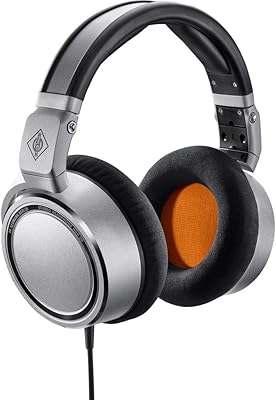
Neumann NDH 20
Neumann NDH 20
79%
94%
Sound Accuracy
88%
Build Quality
61%
Comfort & Wearability
83%
Noise Isolation
58%
Amp Compatibility
More
Tascam TH-MX2 Closed-Back Studio Mixing Headphones
77%
83%
Sound Accuracy
78%
Sound Isolation
81%
Comfort & Fit
61%
Build Quality
88%
Value for Money
More
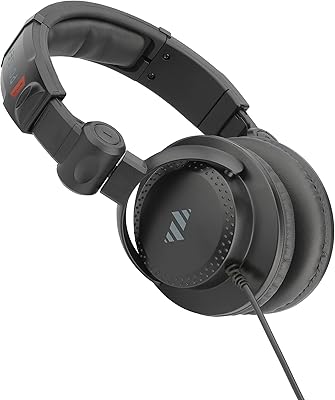
Polsen HPC-A30-MK2 Studio Monitor Headphones
72%
88%
Value for Money
74%
Sound Quality
67%
Build Quality
63%
Comfort
71%
Noise Isolation
More
AKG K361 Closed-Back Studio Monitor Headphones
81%
91%
Sound Accuracy
89%
Driver Performance
92%
Frequency Balance
83%
Passive Isolation
88%
Value for Money
More
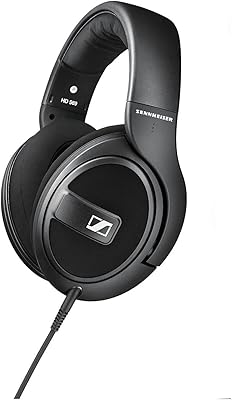
Sennheiser HD 569
Sennheiser HD 569
77%
83%
Sound Quality
88%
Comfort & Fit
67%
Build Quality
81%
Sound Isolation
61%
Microphone Quality
More
Shure SRH1540 Closed-Back Over-Ear Headphones
79%
91%
Sound Quality
88%
Soundstage & Imaging
86%
Comfort & Fit
89%
Build Quality
74%
Passive Noise Isolation
More
Focal Stellia Closed-Back Over-Ear Headphones
82%
93%
Sound Quality
91%
Build Quality
74%
Comfort
82%
Passive Isolation
94%
Driver Technology
More

FAQ

Not really. At 55 ohms, the K271 MKII is fairly easy to drive and will work cleanly from most audio interfaces and even laptop headphone outputs. You might squeeze a bit more headroom from a dedicated amp, but it is not a requirement for everyday studio use.

When you lift the headphones off your head, a small sensor detects the removal and cuts the audio signal automatically. It is genuinely useful during tracking sessions when you are frequently checking the room between takes. That said, there is no official way to disable it, which frustrates some users who find it trips accidentally when they just push one ear cup back momentarily.

Yes on both counts. The ear pads on this AKG model attach without tools and pop off with a bit of careful pressure. Replacement pads are still available through AKG and various third-party suppliers, which is one of the better long-term ownership arguments for these headphones.

The closed-back sealed design does a reasonable job of passive isolation — enough to prevent headphone bleed from reaching a nearby microphone and to reduce room noise during a session. It is not comparable to active noise cancellation, so you will still hear loud external sounds. For a studio or quiet home environment, the isolation is more than adequate.

The AKG K271 MKII Closed-Back Studio Headphones have a relatively flat, analytical response that makes them a solid tool for both tracking and light mixing work. They lean toward accuracy rather than flattery, so they reveal problems in a mix rather than hiding them. That said, most engineers recommend cross-referencing any mix done on closed-back headphones with open-backs or monitors before finalizing.

You can, but the sound profile may not be what you are looking for. The K271 MKII is tuned for accuracy, not enjoyment coloration, so bass-heavy or pop-oriented music can feel a little lean compared to consumer headphones in a similar price range. If you primarily want something to enjoy music on, there are better options. If you want something that does double duty in a studio context, these hold up fine.

It is an unusual design choice that offers flexibility since you can plug the cable into either side depending on your setup. The flip side is that both connectors are potential wear points over time, and some long-term users report the connections loosening after heavy use. It is worth being gentle with the connections and keeping spare cables on hand if you use them heavily.

The included cable terminates in a 3.5mm plug, so yes, it will connect directly to any device that still has a standard headphone jack. For devices that have dropped the headphone port, you would need a separate USB-C or Lightning adapter, which is not included.

Comfort is consistently one of the strongest points owners mention. The self-adjusting headband distributes pressure evenly without requiring any manual fitting, and the over-ear cushions sit around rather than on the ear. Most users report they can wear them for several hours without significant discomfort, though as with any headphone, ear pad condition matters — worn-out pads will reduce both comfort and isolation.

As of current listings, the K271 MKII is not discontinued and remains available through authorized dealers. It has been in production in some form since the early 2000s, which itself speaks to its durability as a product line. Spare parts and replacement cables are still accessible, which makes it a lower-risk long-term purchase than newer models that may not have the same parts ecosystem yet.

Where to Buy