ART USB Dual Pre Two-Channel Preamplifier
Overview
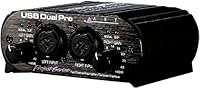
The ART USB Dual Pre Two-Channel Preamplifier has been around long enough to earn a quiet reputation among home recordists who want straightforward mic preamp capability without overspending. It sits comfortably in the entry-to-mid tier — not a boutique studio piece, but a genuinely practical tool for getting two microphones into a computer cleanly. What sets it apart from cheaper USB dongles is its three-way power system: you can run it off the USB bus, an internal 9V battery, or an external supply. That flexibility is rare at this price point and makes it worth considering even when the competition has grown considerably.
Features & Benefits
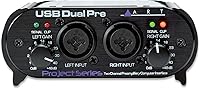
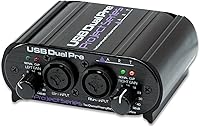
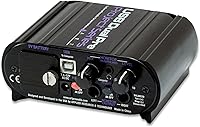
Each of the two combo inputs handles XLR microphones or quarter-inch instruments, with independent gain knobs offering up to 48 dB of clean headroom per channel. Condenser mic users will appreciate the built-in 48V phantom power, which kicks in without requiring a separate supply — though it does shorten battery life to around 20 hours, so plan accordingly on longer sessions. The headphone jack on the rear panel provides latency-free monitoring with a blend control, letting you mix your live input against computer playback in real time. The balanced quarter-inch outputs work equally well feeding powered monitors or routing directly into a mixer.
Best For
This USB preamp makes the most sense for podcasters who need a clean two-mic setup without navigating complex routing software. Singer-songwriters tracking vocals alongside an acoustic instrument will find the dual-channel layout genuinely useful rather than a gimmick. Field interviewers and journalists benefit most from the battery-powered portability, since mains power isn't always on the table. It's also a smart step up for anyone coming from a built-in laptop microphone who wants real phantom power capability without committing to a full-featured audio interface. Plug-and-play USB operation means no driver installation headaches on modern operating systems.
User Feedback
Owners frequently highlight how quickly the Dual Pre gets up and running, with many noting the clean, quiet preamp signal as a genuine strength at this price. On the critical side, some buyers find the plastic chassis feels modest relative to cost, and a handful have hit confusion from the outdated OS compatibility language on the packaging — modern Windows and macOS systems handle it fine via class-compliant USB. A recurring complaint involves low-output dynamic mics occasionally running short on gain before noise becomes a factor. Headphone volume also draws mixed responses, with some users wishing the output hit harder.
Pros
- Plug-and-play USB operation works on modern Mac and Windows systems without any driver installation.
- Built-in 48V phantom power lets you run condenser microphones without any additional hardware.
- Three-way power system — USB, battery, or external supply — is genuinely rare at this price tier.
- Latency-free hardware monitoring with a blend control helps vocalists and instrumentalists perform more confidently.
- Independent gain knobs on each channel make balancing two very different sources quick and intuitive.
- The compact, lightweight form factor fits easily into a laptop bag for location recording sessions.
- Balanced quarter-inch TRS outputs give you a clean feed to powered monitors without an extra adapter.
- Bundled Audacity software means a first-time recordist can start tracking the same day as unboxing.
- The Dual Pre delivers a quiet, clean preamp signal that holds up well for spoken word and vocal recording.
- USB cable is included in the box, so there are no surprise accessories to hunt down before first use.
Cons
- Low-output dynamic microphones frequently run out of clean gain before reaching a usable recording level.
- Plastic housing feels noticeably lightweight compared to metal-chassis competitors at a similar price point.
- Maximum headphone output volume is underwhelming with higher-impedance studio headphones.
- The headphone jack is on the rear panel, making quick monitoring adjustments awkward during an active session.
- Enabling phantom power on battery cuts operating time from 50-plus hours down to roughly 20 hours.
- The printed OS compatibility list references obsolete operating systems and regularly confuses or alarms first-time buyers.
- USB 1.1 specification caps sample rate support, ruling it out for high-resolution recording workflows.
- The external power supply is sold separately, adding cost for buyers who need that power option in the field.
- No high-impedance instrument input means direct electric guitar connections without a DI box can sound colored.
- Two combo inputs is the hard limit — there is no upgrade path within this unit if your I/O needs grow.
Ratings
The ART USB Dual Pre Two-Channel Preamplifier earns a nuanced scorecard built from AI analysis of verified global buyer reviews, with spam, bot-submitted, and incentivized feedback actively filtered out before scoring. Ratings reflect how real home studio users, podcasters, and field recorders have experienced this unit day-to-day — strengths and frustrations included. Where the Dual Pre genuinely delivers, the scores show it; where it falls short of expectations, that is reflected just as transparently.
Ease of Setup
Preamp Sound Quality
Build Quality
Phantom Power Performance
Gain Range & Headroom
Latency-Free Monitoring
Portability & Power Flexibility
Value for Money
USB Connectivity & Compatibility
Input Versatility
Headphone Output Quality
Software Bundle
Size & Footprint
Suitable for:
The ART USB Dual Pre Two-Channel Preamplifier is a strong fit for anyone taking their first serious step into home recording without wanting to navigate a complex audio interface. Home podcasters who need to seat two guests at separate microphones and get clean audio into a laptop will find the setup refreshingly straightforward. Singer-songwriters who track vocals and an acoustic instrument simultaneously — common on a quiet weeknight session — get genuine dual-channel capability in a package that fits on a corner of a desk. Field interviewers, journalists, and educators who move between locations will especially appreciate the battery backup option, since it removes the dependency on a wall outlet entirely. Beginners who own condenser microphones and need phantom power but are not ready to invest in a full studio interface will find this two-channel interface covers that ground without overcomplicating the signal chain. It also suits educational labs or community radio setups where plug-and-play USB reliability and minimal configuration time matter more than cutting-edge specs.
Not suitable for:
The ART USB Dual Pre Two-Channel Preamplifier is not the right tool for recordists who have moved beyond basic tracking and need higher sample rate support, robust gain for demanding dynamic microphones, or a metal-chassis build that can take daily abuse. Anyone relying on broadcast-style dynamic mics with low output sensitivity — the kind that need 60-plus dB of clean gain — will likely hit the noise floor before reaching a workable recording level, which is a practical dealbreaker for that workflow. Producers working at 96 kHz or higher for music or post-production will immediately run into the unit's sample rate ceiling, making it incompatible with modern high-resolution audio pipelines. Users who plan to expand their setup with MIDI gear, additional line inputs, or digital I/O will outgrow the connectivity quickly. If you regularly swap microphone cables and need connectors that hold up to heavy-rotation use, the plastic chassis and lighter-duty input jacks may become a frustration point within a year or two of consistent use.
Specifications
- Input Type: Two combination XLR and quarter-inch TRS inputs accept microphones, line-level sources, and balanced instruments on both channels simultaneously.
- Gain Range: Each channel provides up to 48 dB of independent gain adjustment via dedicated front-panel rotary controls.
- Phantom Power: Built-in 48V phantom power supply supports up to two condenser microphones and can be engaged from any of the three power sources.
- USB Standard: Fully compliant with the USB 1.1 specification, using asynchronous mode for recording and adaptive mode for playback.
- Power Options: Three power sources are supported: USB bus power, an internal 9V battery, or an optional external 12V DC power supply (sold separately).
- Battery Life: Internal 9V battery provides over 50 hours of operation with phantom power off, dropping to approximately 20 hours when phantom power is active.
- Headphone Output: One eighth-inch TRS headphone jack on the rear panel includes a dedicated level control and a monitor mix blend knob.
- Monitor Outputs: Two quarter-inch TRS balanced outputs on the rear panel can serve as direct preamp outputs or as a feed to powered studio monitors.
- Sampling Support: Maximum supported sample rate is 48 kHz, making this unit suitable for standard-definition audio recording workflows.
- Dimensions: The unit measures 4.69 x 4.61 x 1.75 inches, providing a compact desktop footprint suitable for space-limited home setups.
- Weight: The unit weighs 1.43 pounds, making it light enough for portable field recording use alongside a laptop.
- Connectivity: Connects to host computers via USB Type-A, with a USB cable included in the box at purchase.
- OS Compatibility: Compatible with Windows and macOS systems that support class-compliant USB audio devices; no proprietary driver installation is required on modern operating systems.
- Included Software: Audacity recording and production software is included, providing a full multitrack recording environment at no additional cost.
- Monitoring Mode: Hardware-based latency-free monitoring allows live input to be heard directly through the headphone output with no software-induced delay.
- Output Balance: Quarter-inch TRS monitor outputs are electronically balanced, reducing noise susceptibility over longer cable runs to powered speakers.
- Channel Count: Supports two-channel simultaneous recording, with each channel independently controllable for gain and signal routing.
- Model Number: The manufacturer model number is USBDUALPREPS, produced by ART (Applied Research and Technology).
Related Reviews
ART USBMix6 Six-Channel USB Audio Mixer
ART USBMix4 4-Channel USB Audio Mixer
WAVLINK WL-ST334UA Dual-Bay USB 3.0 Hard Drive Docking Station
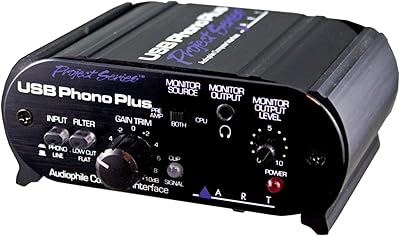
ART USB Phono Plus Phono Preamp
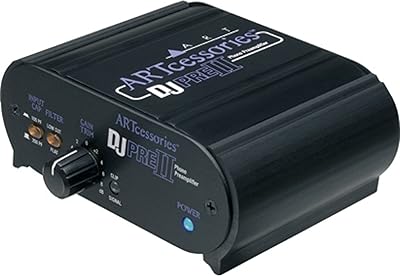
ART DJPRE II Phono Preamplifier
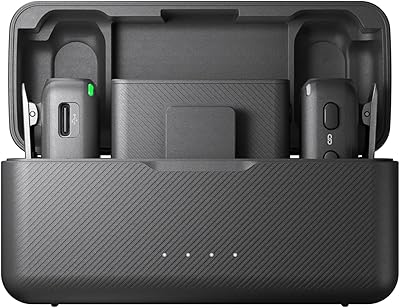
DJI Mic Dual-Channel Wireless Recorder
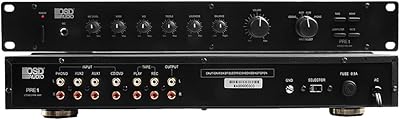
OSD Audio Pre-1 Stereo Preamplifier

SanDisk Extreme PRO 2TB Dual Flash Drive
Kungfuking Pop Up Power Strip with Dual USB Ports