Overview

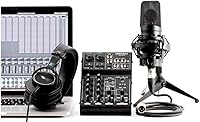
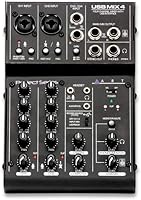
The ART USBMix4 4-Channel USB Audio Mixer is a compact, no-frills unit that bridges the gap between a basic mixer and a dedicated audio interface without requiring you to buy both separately. It connects via USB and works on Mac and PC straight out of the box, no drivers needed. ART includes a 5VDC power adapter, but the unit also runs on USB bus power alone, which is genuinely handy for laptop setups. First available in late 2017, this compact mixer has held its ground in the entry-level segment without being discontinued, which says something about its quiet staying power.

Features & Benefits

The USBMix4 keeps its input layout practical: channels 1 and 2 accept both XLR and balanced 1/4-inch connections via combi-jacks, while channels 3 and 4 use balanced 1/4-inch TRS. Channel 1 carries switchable 48V phantom power, so you can run a condenser microphone — though only one at a time, which is worth knowing upfront. The signal-to-noise ratio clears 90dB, solid for this price tier. You also get an assignable USB record source, meaning you control exactly what feeds your DAW, plus independent level controls for the main and headphone outputs. A 1/8-inch headset jack rounds things out for users who prefer a gaming-style headset.

Best For

This USB mixer interface is well-suited for specific, focused use cases rather than complex productions. Podcasters and streamers who want to plug in and record without wrestling with driver installs will find the plug-and-play setup genuinely refreshing. Home musicians recording a condenser mic alongside a guitar or keyboard will get solid mileage too. The footprint is under 6 inches wide, so it fits tight desktops easily. Running off USB bus power means one fewer adapter to pack when traveling. Just don't expect professional studio-grade routing flexibility — this is an entry-level tool built for simple, straightforward workflows.

User Feedback

With only 18 ratings on Amazon, sweeping conclusions are hard to justify — but the existing feedback paints a fairly consistent picture. Buyers repeatedly highlight quick, easy setup, with several noting they were recording within minutes of unboxing. The compact size earns repeat praise. On the downside, some users wish more than one channel had phantom power, and a handful report picking up hum at higher gain levels, something to watch if you use a sensitive condenser mic. A few reviewers compared it favorably to competing entry-level interfaces on build quality, though it's wise to keep expectations grounded for this price tier.

Pros

  • Plug-and-play USB setup works on Mac and PC with zero driver installation required.
  • Runs on USB bus power alone, so no extra adapter is needed when working from a laptop.
  • Combi-jacks on channels 1 and 2 accept both XLR and balanced 1/4-inch inputs in one socket.
  • Phantom power on channel 1 lets you use a condenser microphone without a separate preamp.
  • Signal-to-noise ratio exceeds 90dB, which is respectable for an entry-level mixer at this price.
  • Independent level controls for the main output and headphone output give you real monitoring flexibility.
  • The 1/8-inch headset jack is a practical touch for users who prefer an all-in-one gaming-style headset.
  • Assignable USB record source lets you decide exactly what signal gets sent to your recording software.
  • Compact dimensions make it easy to fit on a crowded desk without dominating the workspace.
  • An external 5VDC power adapter is included if you ever need more stable power than USB alone provides.

Cons

  • Only channel 1 has phantom power, which limits you to a single condenser microphone at a time.
  • No per-channel EQ means all tonal adjustments must be handled entirely in post-production software.
  • Some users report audible hum or noise when pushing the gain higher, which can affect sensitive recordings.
  • With fewer than 20 ratings at time of writing, the review pool is too small to draw firm reliability conclusions.
  • Channels 3 and 4 lack XLR inputs, so connecting additional microphones to those channels is not an option.
  • USB bus power may not deliver enough headroom for power-hungry condenser mics in all situations.
  • No dedicated pad or high-pass filter controls limits how much you can shape the signal at the hardware level.
  • There is no headphone volume knob separate from the monitor output on some gain-staging workflows, which can be fiddly.

Ratings

The scores below reflect our AI-driven analysis of verified buyer reviews for the ART USBMix4 4-Channel USB Audio Mixer, drawn from global feedback with spam, bot-generated, and incentivized submissions actively filtered out. Every category is scored to honestly reflect both what this compact mixer does well and where real users have run into frustration. Nothing here is rounded up to look prettier than the actual experience warrants.

Ease of Setup
93%
Buyers consistently describe getting this USB mixer interface running in under five minutes, with no driver downloads, no configuration screens, and no manual needed for the basics. For podcasters and streamers who just want to plug in and start recording, that experience is hard to beat at this price tier.
A small number of users on older operating systems report the device not being recognized immediately, requiring a USB port swap or system restart before it worked. This is not common, but it is worth noting for anyone running legacy hardware.
Value for Money
78%
22%
Combining a four-channel mixer and a USB audio interface into one unit at an entry-level price point genuinely saves money compared to buying both separately. Home musicians and podcasters who need basic routing flexibility without a large upfront investment find the math works in their favor.
As you push the USBMix4 past basic use, its limitations become more apparent relative to what slightly higher-priced competitors offer, including per-channel EQ and multi-channel phantom power. Buyers who realize they need those features fairly quickly may feel the value calculation shifts.
Audio Signal Quality
71%
29%
The signal-to-noise ratio exceeding 90dB keeps recordings clean enough for podcasts, voice-overs, and casual home recording sessions where pristine audio is expected but ultra-low noise floors are not critical. Most users report their recordings sound noticeably cleaner than what they got from a basic USB microphone alone.
At higher gain settings, a recurring complaint involves audible hum or background noise, particularly with sensitive condenser microphones. For users in less acoustically treated rooms or those recording quiet instruments, this can require extra noise reduction in post-production.
Build Quality
67%
33%
The chassis feels solid enough for a stationary desktop setup, and the knobs have a consistent, firm rotation that does not feel cheap during everyday use. Several buyers who have owned it for two or more years report no physical deterioration in the controls.
The overall construction is clearly designed to meet a budget, and the unit does not inspire confidence if you need to transport it regularly. A few users mention the casing feels hollow when tapped, and the lack of rubberized feet on some units causes it to slide on smooth desks.
Phantom Power Implementation
58%
42%
Having switchable 48V phantom power available at all is a genuine plus for this class of device, allowing users to connect a condenser microphone on channel 1 without any additional hardware. For solo podcasters or vocalists recording one mic at a time, it covers the requirement adequately.
The restriction to channel 1 only is the most consistently mentioned frustration across buyer feedback. Anyone trying to record two condenser microphones simultaneously — a common two-host podcast scenario — cannot do it on this unit without adding an external preamp.
Input Flexibility
72%
28%
The combi-jacks on channels 1 and 2 handle both XLR microphones and balanced 1/4-inch instruments without requiring adapters, which is practical for a home musician switching between a vocal mic and a keyboard. The inclusion of a 1/8-inch aux input also lets users pipe in music from a phone or tablet easily.
Channels 3 and 4 are limited to balanced 1/4-inch TRS only, which means no additional microphones can be connected on those inputs. Users who discover this after purchase and expected four full mic-capable channels are routinely disappointed.
Headphone Monitoring
76%
24%
Independent level control for the headphone output means you can crank your monitor mix without affecting the main output level going to speakers or a recording chain, which is a small but genuinely useful feature during solo recording sessions. The 1/8-inch headset jack adds flexibility for users who prefer a combined gaming-style headset.
The headphone output does not offer zero-latency direct monitoring in a way that some competing interfaces do, which can be noticeable when recording vocals with in-ear monitoring. The 1/8-inch headset mic input is also mono only, which limits its usefulness for users expecting stereo mic capture.
Portability
82%
18%
Weighing just over two pounds and measuring under 6 inches wide, the USBMix4 fits easily in a laptop bag side pocket, and running on USB bus power means one fewer adapter to carry. Streamers who move between locations and need a consistent audio setup appreciate being able to drop it into a bag without a second thought.
The lack of a protective carry case or bag in the box means the knobs and jacks are exposed during transport. A few users have reported knobs catching on bag fabric over time, which is worth keeping in mind if you travel with it frequently.
USB Routing & Recording
74%
26%
The assignable USB record source is a feature that sets this unit apart from some equally priced competitors, giving users meaningful control over what signal gets sent to their DAW versus what plays through the main mix. Streamers who want to feed a clean mic signal to their broadcasting software while monitoring a full mix locally find this especially useful.
The USB interface is stereo only, meaning you cannot record each channel as a separate track in your DAW — everything gets summed to a stereo pair. Users who expect multi-track recording capability and discover this limitation after purchase tend to leave negative feedback about it.
Power Reliability
79%
21%
The included 5VDC external power adapter provides a stable alternative to USB bus power, and having both options available gives the unit real versatility depending on the setup. Most users find USB bus power reliable in standard laptop and desktop environments without any drop-outs.
A small number of buyers report that certain power-hungry condenser microphones behave inconsistently when the unit is bus-powered, with occasional phantom power drop-outs during extended sessions. Using the included adapter tends to resolve the issue, but it removes the convenience of a cable-only setup.
Compatibility
88%
Class Compliant USB means the USBMix4 is recognized by Windows and macOS without any software installation, and the vast majority of buyers confirm it works out of the box with popular recording apps including Audacity, GarageBand, OBS, and Zoom. Chromebook compatibility has also been reported by several users.
Users on Linux report mixed results depending on distribution and kernel version, and a handful of Windows users on older builds mention inconsistent recognition that required port changes. These are edge cases, but they are real enough to flag.
Onboard Controls
61%
39%
Having dedicated gain knobs and independent output level controls on a unit this small keeps the workflow tactile and avoids the need to constantly reach for software controls during a live session. The layout is logical enough that new users rarely report confusion after the first use.
The absence of per-channel EQ is a meaningful gap that limits how much tonal shaping you can do at the hardware level. Users who record voices with proximity buildup or instruments that need high-frequency presence would need to rely entirely on software EQ, adding steps to an otherwise simple workflow.
Documentation & Support
63%
37%
ART provides a basic product manual, and the plug-and-play nature of the device means most users never need to consult it in the first place. The brand has a reasonable reputation for being reachable on support queries for hardware this straightforward.
The included documentation is minimal for users who want to understand the signal flow or USB routing options in depth, and online resources specific to this model are sparse. Buyers with more technical questions often report having to piece together answers from general audio forums rather than official sources.

Suitable for:

The ART USBMix4 4-Channel USB Audio Mixer is a practical pick for anyone stepping up from a basic USB microphone and wanting a bit more control over their audio without committing to a complex or expensive setup. Podcasters and streamers will appreciate that it requires zero driver installation — plug it in and your computer recognizes it immediately, on both Mac and PC. Home musicians who need to record a single condenser mic alongside a guitar or keyboard will find the input layout covers that workflow without any fuss. Because it runs off USB bus power, it also works well for people who record on a laptop away from a dedicated desk. The small footprint — under 6 inches wide — makes it easy to fit into tight spaces where a full-size mixer would be impractical.

Not suitable for:

The ART USBMix4 4-Channel USB Audio Mixer is not the right tool for anyone pushing beyond basic home recording or simple streaming setups. Only channel 1 carries phantom power, so if your workflow depends on running two condenser microphones simultaneously, you will hit that wall fast. There is no onboard EQ per channel, which means any tonal shaping has to happen in software after the fact. Users who record at higher gain settings have reported picking up background hum, making it a questionable choice for anyone working in a less-than-quiet environment with a sensitive mic. Audio professionals or even serious hobbyists who need more routing options, multiple phantom power channels, or low-latency monitoring with heavy processing should look at a more capable interface rather than expecting this compact mixer to stretch beyond its design intent.

Specifications

  • Channels: The mixer provides 4 input channels, with channels 1 and 2 accepting XLR and balanced 1/4-inch connections via combi-jacks, and channels 3 and 4 using balanced 1/4-inch TRS inputs.
  • Phantom Power: Switchable 48V phantom power is available exclusively on channel 1, enabling the use of condenser microphones on that input.
  • USB Interface: The unit is USB Class Compliant and works as a plug-and-play audio interface on both Mac and PC without requiring any driver installation.
  • Signal-to-Noise: The signal-to-noise ratio is rated at greater than 90dB typical, referenced to 0dBu.
  • Mic Gain: Maximum microphone gain exceeds 55dB, while instrument input gain exceeds 37dB on channels 1 and 2.
  • Input Levels: Maximum input level is +8dBu for microphone inputs and +16dBu for 1/4-inch line inputs.
  • Output Level: The main mix outputs deliver a maximum output level of +15dBu.
  • Power Options: The USBMix4 operates on USB bus power or via the included 5VDC external power adapter rated at 500mA.
  • Input Connections: Input options include XLR and 1/4-inch balanced combi-jacks on CH1 and CH2, balanced 1/4-inch TRS on CH3 and CH4, a 1/8-inch stereo aux input, and a 1/8-inch mono headset mic input.
  • Output Connections: Output connections include balanced 1/4-inch TRS main mix outputs, a 1/4-inch TRS stereo monitor output, and a 1/8-inch stereo headset output.
  • Headset Jack: A dedicated 1/8-inch connector supports a mono microphone input and stereo headset output for users who prefer a combined gaming-style headset.
  • USB Record Source: The USB record source is assignable, giving users control over which signal is routed to their recording software.
  • Output Controls: Independent level controls are provided for both the main mix outputs and the headphone or monitor outputs.
  • Dimensions: The unit measures 1.75″ high by 5.1″ wide by 7.5″ deep (45mm x 130mm x 191mm).
  • Weight: The USBMix4 weighs 2.31 pounds, making it light enough to travel with a laptop bag.
  • Voltage: External power supply input is rated at 5 volts DC.
  • Availability: The product was first made available in October 2017 and has not been discontinued by the manufacturer.
  • Ratings: The unit holds a 4.2 out of 5 star average rating based on 18 customer ratings on Amazon at time of writing.

Related Reviews
ART USBMix6 Six-Channel USB Audio Mixer
73%
93%
Ease of Setup
71%
USB Recording Quality
67%
Preamp Performance
62%
Build Quality
78%
Value for Money
More
Steinberg UR242 4-Channel USB Audio Interface
77%
88%
Preamp Quality
68%
Driver Stability
44%
Mac Compatibility
86%
MIDI Connectivity
76%
Value for Money
More
Recoil DI800.4 4-Channel Car Amplifier
75%
88%
Value for Money
51%
Power Accuracy
63%
Build Quality
79%
Thermal Management
86%
Ease of Installation
More
Recoil REA600.4 4-Channel Car Audio Amplifier
84%
89%
Audio Performance
91%
Ease of Installation
85%
Sound Quality at High Volumes
62%
Heat Management
90%
Power Output
More
Recoil DI550.4 4-Channel Car Audio Amplifier
74%
91%
Value for Money
78%
Power Output
86%
Ease of Installation
74%
Sound Quality
67%
Build Quality
More
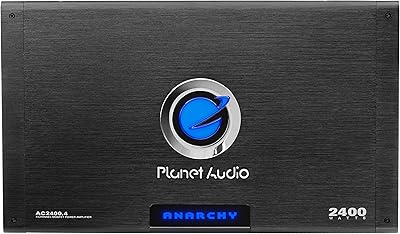
Planet Audio AC2400.4 4-Channel Car Amplifier
84%
95%
Power Output
89%
Sound Clarity
87%
Bass Performance
82%
Ease of Installation
65%
Thermals/Heat Management
More
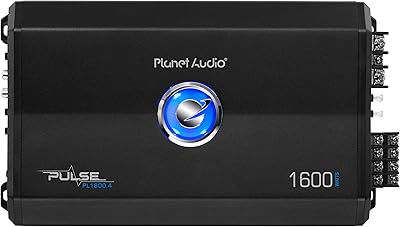
Planet Audio PL1600.4 4-Channel Car Amplifier
72%
88%
Value for Money
84%
Ease of Installation
74%
Sound Quality
58%
Power Output (Real-World)
61%
Build Quality
More
Planet Audio AC1600.4 Anarchy Series 4-Channel Car Amplifier
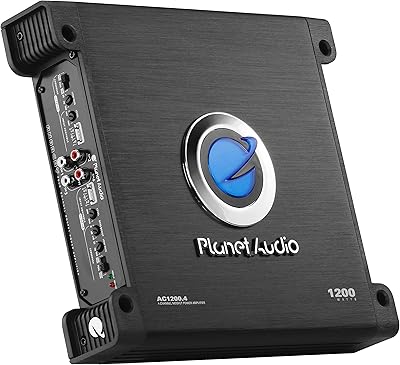
82%
94%
Power Output
88%
Sound Quality
70%
Ease of Installation
92%
Value for Money
85%
Build Quality
More
Planet Audio AC1200.4 4-Channel Car Amplifier
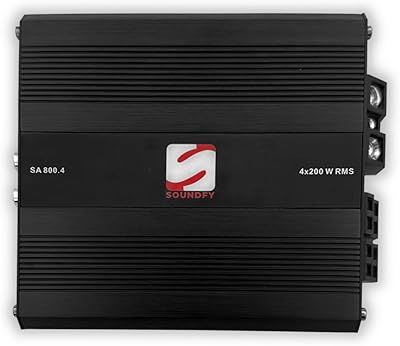
73%
88%
Value for Money
67%
Power Output
83%
Installation Ease
74%
Sound Quality
61%
Build Quality
More
Soundfy SA 400.4 4-Channel Car Amplifier
71%
78%
Value for Money
72%
Sound Quality
63%
Power Output
58%
Build Quality
81%
Thermal Management
More

FAQ

No, you do not. The USBMix4 is USB Class Compliant, which means your Mac or PC will recognize it automatically as an audio device the moment you plug it in. No software installation is required before you can start recording.

Yes, it runs on USB bus power, so a standard USB connection to your laptop is enough to get it working. An external 5VDC adapter is included in the box if you ever need a more stable power source, but most users find bus power sufficient for everyday use.

It does, but only on channel 1. That channel has switchable 48V phantom power, which most condenser mics require. If you need phantom power on more than one channel at a time, this unit will not meet that need.

The mixer includes a dedicated 1/8-inch headset jack that handles both a mono mic input and stereo headphone output, so standard gaming-style headsets should connect without an adapter. Just keep in mind the mic input on that jack is mono only.

Yes, channels 1 and 2 both have combi-jacks that accept XLR for a microphone and a balanced 1/4-inch plug for an instrument, so you can run a mic on one and a guitar or keyboard on the other simultaneously.

It can handle a two-host setup if both hosts are using dynamic microphones, since only channel 1 has phantom power. If both hosts use condenser mics that need 48V, you will hit a limitation right away. For a basic dynamic mic setup, it works fine.

It lets you choose which signal gets sent to your computer over USB. For example, you could send only the microphone channel to your recording software while keeping other inputs in the main mix for monitoring. It gives you a bit more flexibility than a fixed-routing setup.

No, this compact mixer does not include per-channel EQ controls. If you need to shape the tone of individual inputs, you will need to do that inside your recording software after the signal has been captured.

A handful of users have mentioned picking up background noise or hum when pushing the gain on sensitive microphones, though it does not appear to affect every unit. If you are using a high-sensitivity condenser mic in a quiet environment, it is worth testing at your typical gain levels early so you know what to expect.

The USBMix4 has independent level controls for both the main mix outputs and the headphone or monitor output, so you can adjust your listening volume through headphones without changing the signal level going to your speakers or recording chain. It is a small but genuinely useful feature for solo home recording setups.

Where to Buy