




Overview

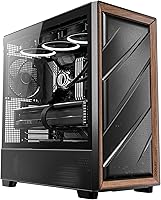
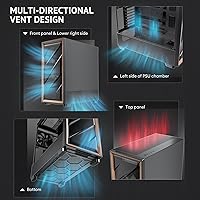
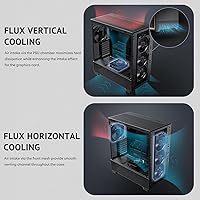
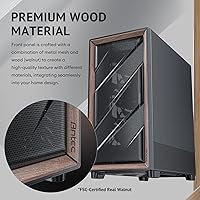
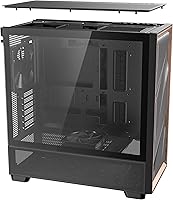
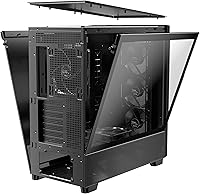
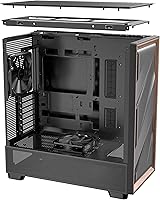
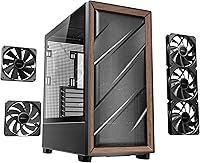
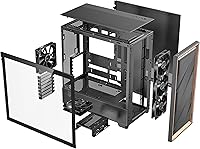
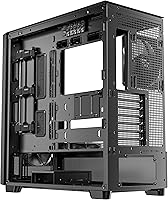
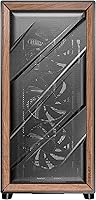
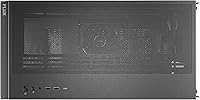
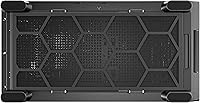
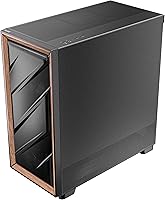
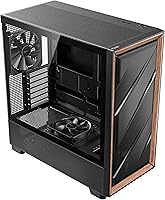
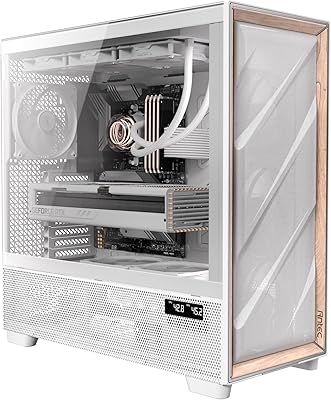
The Antec Flux Wood Mid-Tower PC Case is one of the more genuinely interesting chassis to land in the mid-range market lately — not because of spec-sheet heroics, but because it actually looks different. A walnut wood front panel paired with metal framing and tempered glass gives this wood-accented case a warmth that most aluminum-and-plastic competitors simply cannot match. Antec's Flux airflow system takes a deliberate approach to moving air directionally rather than just throwing fans at the problem. It also supports back-connect motherboards, a smart nod to where clean builds are heading. E-ATX fits, and the overall footprint stays reasonably manageable for a desk setup.

Features & Benefits

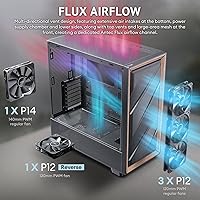
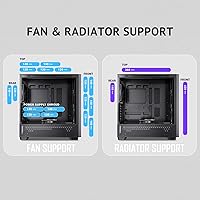
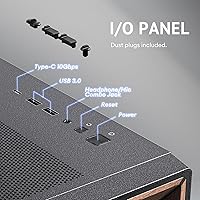
Five fans come pre-installed, and the configuration is smarter than a simple front-to-back stack. Three P12 PWM fans handle front intake, a reverse fan in the PSU chamber pushes heat out through a dedicated exhaust path, and a P14 covers the rear. That is the Flux channel concept in practice — air moves along a controlled route rather than pooling randomly. The Antec Flux Wood can accommodate up to nine fans total, and radiator support is genuinely generous: a 420mm unit up front, or dual 360mm setups split across front and top. Front I/O brings USB Type-C alongside two USB 3.0 and two USB 2.0 ports.

Best For

This mid-tower build makes the most sense for a specific kind of builder: someone who wants their rig to stand out on a desk without going full custom. The walnut front panel handles much of that work on its own. Builders running power-hungry CPUs or GPUs will appreciate real airflow headroom — not just a couple of case fans doing their best. Anyone planning a build around back-connect motherboard layouts will find the internal space accommodating. And if a high-capacity liquid cooling setup is on the agenda, the radiator mounting flexibility covers most configurations without requiring any tray modifications.

User Feedback

With 233 ratings averaging 4.7 stars, early reception has been notably positive. Most buyers point to build quality as the headline win — the metal chassis feels solid, the glass panel fits cleanly, and the wood accent tends to look even better in person than product photos suggest. Fan noise at default speeds earns consistent praise. Where things get slightly more complicated is during the build process itself. A fair number of reviewers mention that cable routing demands patience, particularly around the PSU chamber area. A few also flag occasional questions around PWM header compatibility depending on their specific motherboard. No dealbreakers, but worth knowing before you start.

Pros

  • The walnut wood front panel looks genuinely premium and stands out in any desk setup.
  • Five PWM fans come pre-installed, so you are not immediately spending extra on cooling.
  • The Flux airflow channel moves air directionally, keeping temperatures controlled under sustained loads.
  • Radiator support is unusually flexible, with 420mm front or dual 360mm configurations available.
  • Back-connect motherboard compatibility future-proofs the build for cleaner cable management.
  • Solid metal construction gives the chassis a reassuring rigidity that cheaper cases lack.
  • A 4.7-star average across over 230 ratings reflects consistently positive real-world experience.
  • Front I/O includes USB Type-C alongside USB 3.0 ports for modern peripheral compatibility.
  • E-ATX support means larger, higher-end motherboards fit without any compromise.
  • Fan noise at default speeds earns praise from buyers, staying quiet under typical workloads.

Cons

  • Cable routing near the PSU chamber area can be fiddly and time-consuming during the build.
  • At over 20 pounds unloaded, this mid-tower build is not convenient to move or transport.
  • PWM header compatibility may require double-checking against your specific motherboard before buying.
  • The wood panel, while attractive, raises long-term durability questions some buyers have not yet had time to answer.
  • The internal layout rewards experienced builders more than those doing their first or second build.
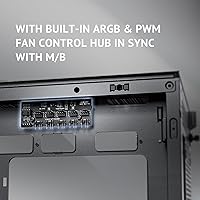
  • No integrated fan hub or controller is included despite support for up to nine fans simultaneously.
  • The large footprint may feel oversized in compact desk setups or smaller workspaces.

Ratings

The scores below for the Antec Flux Wood Mid-Tower PC Case were generated by our AI system after analyzing verified global buyer reviews, with spam, bot submissions, and incentivized feedback actively filtered out before scoring. Each category reflects a genuine synthesis of what real builders experienced — the wins and the friction points alike — so you can make an informed decision without wading through hundreds of individual opinions.

Build Quality
91%
The metal chassis earns consistent praise from builders who have handled cheaper cases and immediately notice the difference in panel rigidity and fit. Screws align cleanly, the tempered glass panel sits flush, and nothing flexes unexpectedly during the build process — details that matter when you are investing in a long-term setup.
A handful of buyers reported minor sharp edges along internal panel cutouts, which is not unusual at this price tier but worth noting if you build without gloves. The overall construction is strong, but it is not quite in the same league as cases at double the price.
Airflow Performance
88%
The Flux airflow channel concept pays off in practice — routing intake air through the front and expelling PSU heat through a separate path keeps component temperatures noticeably more stable under sustained workloads. Builders running power-hungry GPUs found thermals competitive with cases that cost significantly more.
The airflow advantage is most pronounced when all fans are running at reasonable speeds, and a small number of users noted that without a dedicated fan controller, getting all nine fan slots optimally managed requires some extra hardware investment. The included fan count alone does not unlock the full thermal potential.
Aesthetic Design
94%
The walnut wood front panel is the standout feature here, and buyers overwhelmingly agree it looks better in person than in product photos. For anyone building a rig that lives on a desk in a living room or home office, this mid-tower build offers a level of visual character that no amount of RGB lighting can replicate.
Aesthetic preferences are subjective, and a few buyers who expected a more aggressive gaming look found the wood-and-metal combination too understated. The wood finish also prompted questions about long-term aging, though no buyers in the reviewed period reported visible deterioration under normal indoor conditions.
Fan Inclusion & Quality
86%
Getting five PWM fans in the box is genuinely useful — most competing cases at this price ship with two or three average fans and expect you to upgrade immediately. The P12 and P14 fans are solid performers, and the reverse PSU chamber fan in particular is a thoughtful touch that most builders would not think to add themselves.
There is no integrated fan hub included, which becomes a real issue once you start adding fans beyond the five pre-installed units. Some buyers also noted that the PWM fan headers on certain motherboards required checking compatibility before everything ran at expected speeds.
Radiator Compatibility
89%
Supporting a 420mm radiator up front — or dual 360mm setups split across the front and top — puts this wood-accented case in a category usually reserved for larger or pricier chassis. Liquid cooling enthusiasts found they could pursue serious cooling configurations without needing to compromise on radiator size.
Running a large front radiator alongside a full E-ATX board does tighten interior clearances, and a few builders noted that combining the maximum radiator configuration with high-profile RAM required careful planning. It is achievable, but not as plug-and-play as the spec sheet implies.
Cable Management
67%
33%
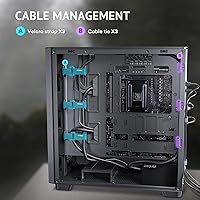
The rear chamber provides reasonable space for routing cables out of the main build area, and the PSU shroud helps keep the lower section tidy. Builders who took time to plan their routing before installing components reported clean-looking finished builds.
This is the most frequently mentioned pain point across buyer reviews. The PSU chamber area in particular makes routing feel cramped, and several builders described the process as noticeably more involved than similarly priced cases. First-time builders in particular flagged it as a source of frustration during the assembly process.
Back-Connect Compatibility
87%
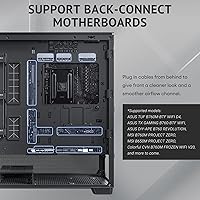
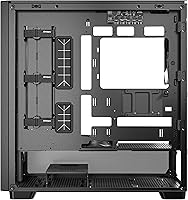
Compatibility with back-connect motherboards like ASUS BTF and MSI Project Zero is handled well, with the internal panel providing the necessary cutouts and clearance. For builders already committed to a back-connect platform, this case makes the investment feel worthwhile with a clean, cable-free front view of the motherboard.
The benefit only applies if you are actually using a back-connect board, and standard ATX builders will not see much difference in the build process compared to other cases. Documentation on which specific back-connect models are tested for compatibility could be more thorough.
Noise Levels
83%
At default PWM-controlled speeds under moderate loads, the stock fans stay impressively quiet — multiple buyers mentioned being surprised by how unobtrusive the system was during everyday desktop use and light gaming sessions. The P14 rear fan in particular runs smoothly without the bearing noise some aftermarket fans develop early.
Pushing the fans toward their upper RPM range under heavy CPU and GPU loads produces noticeable noise, which is expected but worth flagging for users who prioritize silence above all else. Without a dedicated fan curve set in BIOS or a controller, some boards default to higher speeds than necessary.
Front I/O
78%
22%
Having USB Type-C on the front panel alongside two USB 3.0 ports covers the connectivity needs of most modern builds, and buyers appreciated not having to reach around to the rear I/O for everyday peripheral connections. The port layout is logically positioned and accessible without being intrusive.
The inclusion of two USB 2.0 ports alongside the modern ports feels like a dated addition in 2024, and a second USB Type-C port would have been a more future-focused choice. It is functional, but the I/O spec does not quite match the premium impression the rest of the case creates.
Installation Experience
71%
29%
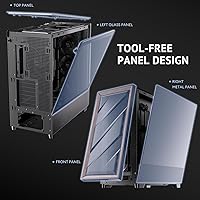
Experienced builders generally find the layout logical once they understand the Flux channel design, and the pre-installed fans reduce the initial setup time significantly compared to starting with an empty case. The glass panel removal process is clean and does not require tools.
The overall installation experience has a steeper learning curve than the exterior suggests, largely due to cable routing complexity and the dual-chamber layout. Several reviewers specifically recommended watching a build guide before starting, which is not a great sign for ease of use.
Value for Money
84%
At its price point, the combination of five included fans, 420mm radiator support, genuine walnut wood, and back-connect compatibility represents strong value — most competitors at the same price offer two of these four things at best. Buyers who compared alternatives consistently concluded this Antec Flux Wood offers more for the money in terms of feature density.
Buyers who do not need back-connect support or large radiator mounts may find they are paying for features they will never use. If pure airflow efficiency per dollar is the priority and aesthetics are secondary, there are simpler cases in the same bracket that perform equally well thermally.
Motherboard Compatibility Range
82%
18%
E-ATX support extends the usable life of the chassis well beyond a single build cycle, and standard ATX boards have plenty of room without feeling lost in the space. The wide back-connect compatibility is a genuine engineering commitment, not a marketing checkbox.
ITX and mATX users would find this chassis oversized for their needs, and the internal layout is clearly optimized for full-size boards. Compatibility documentation could be more explicit about which back-connect models have been physically verified rather than listed as theoretically supported.
Packaging & Unboxing
76%
24%
The case arrives well-protected with foam padding that holds all panels and fans securely in place, and buyers reported no transit damage in the majority of cases reviewed. The included hardware bag is organized clearly, which is a small but appreciated detail during a long build session.
A few international buyers noted that the outer packaging showed significant wear on arrival, suggesting the box design may not hold up as well under longer shipping routes. The documentation included could also be clearer for builders unfamiliar with the Flux airflow layout.

Suitable for:

The Antec Flux Wood Mid-Tower PC Case is a strong pick for builders who want a desktop that looks considered and intentional rather than generic. If you are running a high-TDP CPU or a power-hungry GPU and need real thermal breathing room, the Flux airflow design and nine-fan capacity give you options most cases at this price point simply do not. The walnut wood front panel appeals particularly to builders setting up in a living space or home office where the rig is visible and aesthetics matter as much as performance. Anyone planning a build around a back-connect motherboard will find the internal layout accommodating, and the generous radiator clearance — 420mm up front or dual 360mm across front and top — means liquid cooling ambitions do not need to be scaled back. This mid-tower build also works well for E-ATX boards, making it a practical long-term chassis even if you upgrade your platform down the road.

Not suitable for:

The Antec Flux Wood Mid-Tower PC Case is not the right fit for everyone, and it is worth being honest about where it falls short. If you are a first-time builder or someone who prefers a straightforward, tool-friendly installation experience, the cable routing — particularly around the PSU chamber — can demand more patience than a beginner might expect. The case weighs over 20 pounds before any components are installed, so portability is not a strength; if you regularly take your rig to LAN events, there are lighter options worth considering. Builders on a strict budget who prioritize pure airflow per dollar over aesthetics may find this wood-accented case over-specced for what they actually need. And if your motherboard uses a traditional layout rather than a back-connect design, some of the interior routing advantages simply will not apply to your build.

Specifications

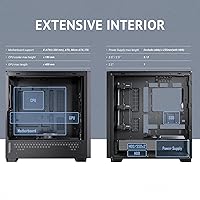
  • Case Type: Mid-tower chassis supporting E-ATX and ATX motherboard form factors.
  • Dimensions: The case measures 19.05 x 19.76 x 9.4 inches (length x height x width).
  • Weight: Unloaded weight is approximately 20.4 pounds (9.27 kg), reflecting the solid metal construction.
  • Front Panel: The front panel is crafted from genuine walnut wood, paired with a high-airflow vent design underneath.
  • Body Materials: The chassis combines a steel frame with a tempered glass side panel for component visibility.
  • Included Fans: Five PWM fans come pre-installed: three P12 PWM at the front, one P12R reverse fan in the PSU chamber, and one P14 PWM at the rear.
  • Max Fan Support: The case accommodates up to nine fans simultaneously across all available mounting positions.
  • Front Radiator: The front mount supports radiators up to 420mm, covering 120mm, 240mm, 360mm, and 420mm units.
  • Top Radiator: The top mount supports radiators up to 280mm, or a 360mm unit when paired with a 360mm front radiator.
  • Back-Connect Support: The interior layout is compatible with a wide range of back-connect motherboards currently available on the market.
  • Front I/O Ports: Front connectivity includes one USB Type-C port, two USB 3.0 ports, and two USB 2.0 ports.
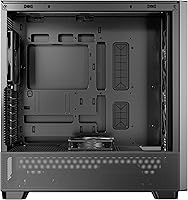
  • PSU Mounting: The power supply mounts at the rear of the case in a dedicated chamber that isolates PSU heat from the main build area.
  • Airflow System: Antec's Flux channel design routes air in a deliberate directional path, using the reverse PSU fan to push heat out through a separate exhaust route.
  • Cooling Method: Primary cooling is air-based with the included fans, though the case is fully equipped for custom liquid cooling loops.
  • BSR Ranking: The case holds a Best Sellers Rank of number 118 in the Computer Cases category on Amazon at time of review.

Related Reviews
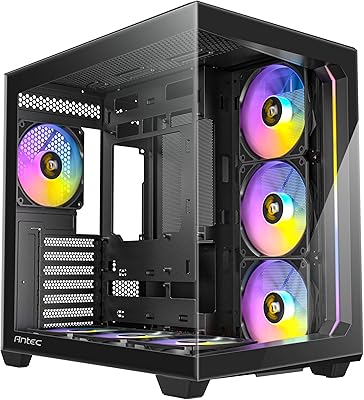
Antec C5 ARGB
Antec C5 ARGB
84%
93%
Out-of-Box Value
88%
Build Quality
84%
Airflow & Thermal Performance
86%
Cable Management
91%
ARGB Lighting Quality
More
Antec Flux Pro White Full-Tower E-ATX Case
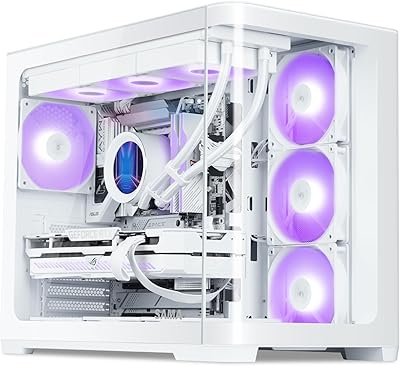
83%
91%
Build Quality
89%
Airflow Performance
93%
Cooling Headroom & Radiator Support
88%
Fan Inclusion & Value
92%
Design & Aesthetics
More
SAMA V60 Mid Tower PC Case
80%
93%
Out-of-Box Cooling Value
78%
Airflow Performance
91%
AIO & Radiator Flexibility
88%
Tempered Glass & Aesthetics
71%
Build Quality & Materials
More
Antec C8 Full-Tower E-ATX PC Case
81%
93%
Build Quality
96%
Cooling Flexibility
89%
Cable Management
91%
Aesthetic Design
74%
Assembly Experience
More
SAMA V Mesh Mid Tower PC Case
79%
91%
Airflow Performance
88%
Included Fans
86%
Value for Money
67%
Build Quality
83%
Ease of Assembly
More
KEDIERS K4 ATX Mid Tower PC Case
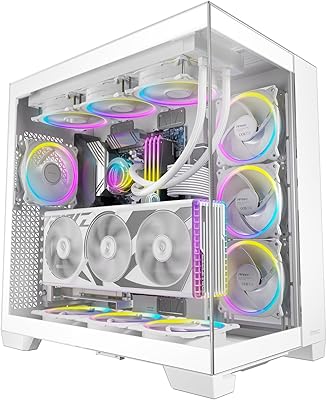
80%
91%
Value for Money
93%
Aesthetic Design
74%
Build Quality
72%
Cooling Performance
84%
Ease of Assembly
More
SAMA S40 Mid Tower ATX PC Case
79%
88%
Airflow Performance
83%
Included Fan Quality
79%
Build Quality & Finish
92%
GPU Compatibility
61%
Cable Management
More
AMANSON H9 Mid-Tower ATX Gaming PC Case
76%
88%
Value for Money
81%
Airflow Performance
67%
Pre-Installed Fan Quality
63%
Build Quality
79%
Tempered Glass Panels
More
ANSAITE W9 Mid-Tower ATX PC Case
77%
88%
Value for Money
91%
RGB & Lighting Performance
74%
Airflow & Cooling Capacity
63%
Build Quality & Materials
84%
Cable Management
More
Corsair FRAME 4000D RS Mid-Tower Case
82%
91%
Airflow Performance
88%
Build Quality
86%
Modularity & Upgradability
83%
Fan Mounting System
78%
GPU Compatibility
More

FAQ

Yes, the Antec Flux Wood Mid-Tower PC Case was designed with back-connect motherboard compatibility in mind and supports the major current-generation options including ASUS BTF and MSI Project Zero layouts. The internal panel has the necessary cutouts and clearance to accommodate the connector routing those boards require.

It is genuine walnut wood, not a vinyl wrap or printed texture. That said, like any natural wood accent on consumer electronics, it will benefit from keeping it away from prolonged moisture exposure. Under normal desktop conditions it holds up well, and several buyers have noted it actually looks richer in person than in product photos.

Yes, that dual 360mm configuration is fully supported. Alternatively, you can go with a 420mm radiator up front paired with a 280mm on top if you prefer a higher-capacity front rad. Both setups work without any modification to the case.

The five pre-installed fans will connect to your motherboard fan headers or an existing PWM hub. If you plan to add more fans and max out all nine slots, you will likely need a fan hub or splitter depending on how many headers your motherboard provides. No integrated hub is included in the box.

Most buyers report the stock fans run quietly at typical operating speeds. The P12 and P14 PWM fans are generally well-regarded in Antec's lineup for balancing airflow and noise. If you push them to full speed under heavy load, you will notice them, but at moderate RPMs they stay in the background.

Most cases just stack intake fans at the front and exhaust fans at the rear or top. The Flux system adds a reverse-mounted fan in the PSU chamber that actively pulls heat out of that compartment through a separate path, rather than letting it mix with the main airflow. The result is that your PSU and the components near it stay cooler without competing for the same exhaust routes as your CPU and GPU.

Full E-ATX is officially supported, and the interior dimensions are generous enough to accommodate it without the build feeling cramped. That said, if you are pairing a large E-ATX board with a 420mm front radiator, plan your component placement carefully before committing — it is doable, but cable routing will demand more attention.

It is manageable but not effortless. The PSU chamber area in particular requires some patience, and a few builders have noted that routing cables cleanly behind the back panel takes more planning than simpler cases. If you have built a few systems before you will handle it fine; if this is your first build, budget extra time and watch a build video specific to this chassis beforehand.

Standard ATX fits perfectly well, and that is likely the most common configuration buyers are using. The E-ATX support simply means the case is oversized enough to handle larger boards if needed — it does not mean smaller boards are disadvantaged in any way.

Most mid-range cases at this price use all-metal or plastic fronts with optional RGB lighting as the main visual feature. The walnut wood panel here takes a different approach entirely, and buyers who have compared it side by side consistently say it stands apart. It is a calmer, more natural look rather than a flashy one, which suits home office and living room setups particularly well.

Where to Buy