AKG K361 Closed-Back Studio Monitor Headphones

AKG K361 Closed-Back Studio Monitor Headphones — image 1
AKG K361 Closed-Back Studio Monitor Headphones — image 2

AKG K361 Closed-Back Studio Monitor Headphones — image 3
AKG K361 Closed-Back Studio Monitor Headphones — image 4
AKG K361 Closed-Back Studio Monitor Headphones — image 5
AKG K361 Closed-Back Studio Monitor Headphones — image 6

AKG K361 Closed-Back Studio Monitor Headphones — image 7
AKG K361 Closed-Back Studio Monitor Headphones — image 8

AKG K361 Closed-Back Studio Monitor Headphones — image 9
AKG K361 Closed-Back Studio Monitor Headphones — image 10
AKG K361 Closed-Back Studio Monitor Headphones — image 11
AKG K361 Closed-Back Studio Monitor Headphones — image 12
AKG K361 Closed-Back Studio Monitor Headphones — image 13
AKG K361 Closed-Back Studio Monitor Headphones — image 14
AKG K361 Closed-Back Studio Monitor Headphones — image 15
81%
19%

Overview

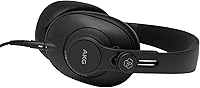
The AKG K361 Closed-Back Studio Monitor Headphones sit at a genuinely useful crossroads: professional enough for real mixing and tracking sessions, yet accessible enough that they don't demand a dedicated studio budget. AKG has spent decades supplying broadcast houses and recording studios with reference-grade tools, and that experience carries into the K361's core design philosophy — prioritizing flat, accurate sound over flattering consumer tuning. The foldable, lightweight build (under 220 grams) is worth calling out specifically, since studio-oriented headphones typically aren't designed with portability in mind. These closed-back monitors make a reasonable case for doing double duty across studio and travel use.

Features & Benefits

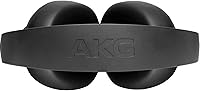
At the heart of the K361 are 50mm dynamic drivers wound with oxygen-free copper voice coils — a construction choice that reduces signal distortion and keeps detail intact across the frequency range. The closed-back oval ear cups do a solid job of keeping ambient noise out, which matters when you're recording a live instrument and can't afford bleed onto the mic. Running at 32 Ohms, these closed-back monitors don't need a headphone amp; plug them straight into a laptop or audio interface and they deliver. The ear pads use slow-retention foam that conforms to your head over time, and both a short 1.2m cable for desk use and a longer 3m option for studio monitoring are included — plus a 3.5mm-to-6.35mm adapter.

Best For

The K361 fits best in the hands of home studio producers and podcasters who want a reference point for mixing without committing to an expensive monitor setup. Vocalists and musicians tracking live takes will appreciate the closed-back isolation — it keeps the headphone mix from leaking into open microphones during recording. Audio engineers who move between a home setup, rehearsal room, and remote sessions will find the foldable build genuinely practical. And if you're a casual listener who finds consumer headphones overly bass-heavy, AKG's studio headphones offer a cleaner, more honest listen. These aren't built for bass-heads; they're built for people who want to hear what's actually in the recording.

User Feedback

Real-world users tend to agree on the sound quality — the flat, accurate response that audiophiles and engineers value is the most praised aspect of these closed-back monitors, particularly for identifying problems in a mix. Where opinions diverge: the clamping force is noticeably firm out of the box, though most users say it relaxes after a few weeks of regular wear. The overall weight earns consistent praise during long sessions. On the downside, buyers expecting a premium feel tend to be surprised by how much plastic makes up the construction — it's functional, not luxurious. Those coming from open-back headphones may also need an adjustment period for the tighter, more enclosed soundstage.

Pros

  • Flat, accurate frequency response gives you a reliable reference point for mixing and editing decisions.
  • Closed-back design provides solid passive isolation without any active noise cancellation circuitry.
  • At 32 Ohms, the K361 runs directly from a laptop, phone, or audio interface with no amplifier needed.
  • Weighing under 220 grams, these closed-back monitors are noticeably lighter than many competing studio headphones.
  • Three-position foldable hinges make the headphones genuinely compact for travel or commuting between sessions.
  • Includes two cable lengths and a 3.5mm-to-6.35mm adapter — ready for multiple setups straight out of the box.
  • Slow-retention oval foam ear pads conform gradually to the head, improving comfort during extended use.
  • The 90-degree swivel ear cups support single-ear monitoring, a practical feature during live tracking.
  • AKG's professional audio background informs a tuning approach that prioritizes accuracy rather than flattering hype.

Cons

  • Initial clamping force is firm enough to cause discomfort during long sessions before the headband breaks in.
  • Predominantly plastic construction feels utilitarian and doesn't match the tactile expectations some buyers bring at this price tier.
  • Wired-only — no Bluetooth despite confusing references to wireless connectivity in the product listing.
  • The neutral sound signature will feel flat and unexciting to listeners accustomed to bass-boosted consumer headphones.
  • The included carrying pouch offers minimal structural protection and won't keep the headphones safe in a crowded bag.
  • Buyers switching from open-back headphones may find the more enclosed soundstage disorienting during the adjustment period.
  • Neither included cable features an inline microphone or playback remote, limiting practical use for phone calls.

Ratings

The scores below reflect an AI-driven analysis of verified global user reviews for the AKG K361 Closed-Back Studio Monitor Headphones, with spam, bot-generated, and incentivized submissions actively filtered out before any scoring was applied. Each category captures what real buyers across home studios, broadcast booths, and mobile recording setups consistently praised or criticized. Both the genuine strengths and the honest frustrations are represented without softening.

Sound Accuracy
91%
Across hundreds of verified reviews, producers and engineers repeatedly called out how honest and uncolored the K361 sounds during mixing sessions. Unlike consumer-tuned alternatives, the flat response lets you hear exactly what is in a recording — a quality that home studio users said noticeably improved their mix translation to speakers.
That same neutrality works against the headphones in recreational listening contexts, where users expecting warmth or bass excitement found the sound dry and unengaging. A handful of reviewers switching from V-shaped consumer headphones described the signature as clinical rather than enjoyable for casual music consumption.
Driver Performance
89%
The 50mm drivers handle dynamic range well, delivering low-distortion playback even when pushed to higher volume levels during tracking sessions. Users who recorded acoustic instruments specifically praised the transient response — fast attack and natural decay that helped them catch timing issues in performances.
A small number of users noted that the low end, while present, lacks the visceral physicality of some competing closed-back designs at a similar price. Bass extension is accurate rather than impressive, which satisfies engineers but occasionally leaves musicians wanting more presence when monitoring their own instrument.
Frequency Balance
92%
The frequency response from 15 Hz to 28 kHz is among the flattest in this price class, and real-world users confirmed that mixes made on these closed-back monitors translated well to other playback systems. Podcast editors praised the midrange clarity specifically, noting that vocal nuance and sibilance were easy to identify and correct.
The high-frequency extension, while technically impressive on paper, can occasionally feel forward on certain recordings — a few users mixing bright source material reported needing to account for a slight presence peak around 8 kHz. This is a minor calibration consideration rather than a defect, but worth knowing before relying on these as your sole reference.
Passive Isolation
83%
The closed-back oval design does a solid job of blocking ambient room noise, which users recording vocals in untreated home studios found especially useful. Several reviewers confirmed that headphone bleed into open condenser microphones was effectively controlled, even at moderate listening volumes during live tracking.
Isolation performance drops noticeably in very loud environments — users in open-plan offices reported that conversation and keyboard noise still bled through enough to be distracting. These are passive isolators only, so anyone expecting noise cancellation-level silence in chaotic environments will be disappointed.
Value for Money
88%
Buyers consistently described these as punching above their price bracket for professional use, particularly when comparing the sound performance directly against more expensive studio monitors. The inclusion of two cable lengths, a quarter-inch adapter, and a carrying pouch means the out-of-box experience feels complete rather than stripped down.
A segment of reviewers felt that the plastic-heavy build does not match the cost when evaluated purely on physical feel and materials. For buyers who associate value with tactile premium quality rather than audio performance, the K361 may feel like it under-delivers on the overall ownership experience.
Comfort
67%
33%
The sub-220-gram weight is a genuine differentiator during marathon editing sessions — users who spent three or more hours mixing consistently called out how little fatigue the lightweight frame created compared to heavier studio headphones they had previously used.
The clamping force is the single most commonly cited comfort complaint in user reviews. Out of the box, many buyers found the grip uncomfortably tight, particularly around the temples and jaw joints. While most reported improvement after a few weeks of regular wear, users with wider heads described the break-in period as genuinely uncomfortable.
Build Quality
62%
38%
The hinge mechanism and swivel joints — the areas most likely to fail under daily folding — are reinforced and held up well in longer-term user reports. Several users commented that despite the plastic frame, the headphones survived being tossed into bags and carried through multiple sessions without structural issues.
The predominantly plastic construction is a persistent criticism, and it is difficult to argue with. In a category where competing products at a similar price often use metal headbands or leather-accented finishes, the K361 feels strictly utilitarian. The headband housing in particular drew comments about feeling hollow and cheap when knocked or flexed.
Ear Pad Quality
74%
26%
The oval slow-retention foam adapts gradually to the shape of the ear over repeated sessions, creating a more personalized fit over time. Users who kept these as their primary studio headphones for six months or more generally reported improved comfort as the pads conformed.
Early wear can feel inconsistent, particularly for users with smaller ears who found the oval shape did not align well with their facial geometry from the start. The pad material also tends to trap heat during longer sessions in warm environments, which several users flagged as a mid-session comfort issue.
Portability
84%
Audio engineers moving between a home setup and external sessions described the three-position folding design as one of the K361's most practical real-world advantages. The headphones collapse into a compact footprint that fits comfortably into a laptop bag alongside other gear without requiring a dedicated hard case.
The included soft pouch provides minimal protection in transit — users who dropped the headphones inside a fully packed bag reported cosmetic scratches appearing relatively quickly. For regular travel use, a third-party semi-rigid case is essentially a necessary purchase that adds cost the product listing does not account for.
Cable & Connectivity
79%
21%
Having two detachable cables at different lengths is a practical decision that real users appreciated — the shorter 1.2m cable works well with a smartphone or compact interface, while the longer 3m option comfortably reaches a desktop setup from a seated position without creating slack on the floor.
Neither cable includes an inline microphone or remote controls, which limits the usability for calls or media playback on a phone. A few users also noted that the locking connector at the headphone end requires a deliberate press-and-turn motion that can feel fiddly in low-light studio conditions.
Setup Simplicity
93%
Plug-and-play operation at 32 Ohms is a genuine advantage for buyers new to studio headphones, removing any guesswork about whether they need an amplifier. Home studio beginners specifically praised being able to connect directly to an audio interface and start working immediately without additional hardware research.
Experienced engineers accustomed to higher-impedance headphones occasionally noted that the K361 reaches maximum volume at lower gain settings, which can limit fine output control on some interface preamps. This is a very minor workflow consideration rather than a functional flaw, but it surprised a small number of power users.
Soundstage
71%
29%
Within the closed-back category specifically, the K361 presents a reasonably wide stereo image that gives mixing engineers enough spatial clarity to make panning and depth decisions with confidence. Users doing podcast post-production found stereo placement of background elements particularly easy to judge.
Buyers transitioning from open-back headphones found the soundstage noticeably more confined and less natural-sounding, and a handful described the shift as disorienting during the first few weeks. The closed-back design inherently limits the sense of air and space around instruments, which is simply a characteristic of this headphone architecture.
Headband Adjustability
76%
24%
The calibrated headband slides smoothly and holds its position reliably across sessions, which users appreciated when sharing headphones between engineers in a shared studio environment. Finding a repeatable fit setting was straightforward enough that several users did not need to readjust between sessions.
The adjustment range at the extreme ends felt limiting to a subset of users — those with very large heads reported reaching the maximum extension with minimal remaining clamping relief, while smaller-headed users found the minimum setting still produced some shifting during active movement. The range is adequate but not generous.

Suitable for:

The AKG K361 Closed-Back Studio Monitor Headphones are a strong fit for anyone who needs accurate, uncolored audio reproduction without the complexity or expense of a high-end monitor setup. Home studio producers and podcasters benefit most — the flat sound signature gives you an honest reference point when mixing vocals, instruments, or dialogue, and the closed-back design keeps outside noise from complicating the listening picture. Vocalists and instrumentalists tracking live takes in a room with open microphones will appreciate how effectively the isolation contains headphone bleed. Audio engineers who split time between a fixed studio and mobile sessions will find the foldable build practically useful — it packs down small, travels in the included pouch, and doesn't require a dedicated headphone amplifier to run properly. Even non-professionals who are tired of consumer headphones artificially boosting bass will find these a refreshing, more transparent listen.

Not suitable for:

The AKG K361 Closed-Back Studio Monitor Headphones are not the right choice if you want wireless freedom or a headphone that feels premium in the hand. These are wired-only monitors — the product listing contains some conflicting Bluetooth references, but there is simply no wireless mode available. If you tend to judge headphones by how they feel to hold, the predominantly plastic construction may disappoint; function takes clear priority over build luxury here. Open-back enthusiasts who depend on a wide, airy soundstage for extended mixing sessions may find the closed-back design feels comparatively confined, and that adjustment can take weeks. Anyone expecting these to flatter bass-heavy music with extra warmth or punch will likely find AKG's studio headphones neutral tuning underwhelming — that flat response is a deliberate design choice suited to critical listening, not recreational bass enjoyment. Buyers with larger heads should also note that the initial clamping force is firm, which can cause fatigue during long sessions before the headband fully breaks in.

Specifications

  • Driver Size: Each ear cup houses a 50mm dynamic driver, which is on the larger end for this category and contributes to extended low-frequency reach and overall detail retrieval.
  • Impedance: Running at 32 Ohms, these headphones are easy to drive from standard consumer devices including laptops, smartphones, and audio interfaces without requiring a dedicated amplifier.
  • Frequency Response: The drivers cover a range of 15 Hz to 28 kHz, enabling reproduction of deep sub-bass and fine high-frequency detail with minimal rolloff at either extreme.
  • Sensitivity: A sensitivity rating of 114 dB SPL/V at 1 kHz means the headphones reach usable listening volumes even from lower-powered portable sources.
  • Weight: The headphones weigh 219 grams without a cable attached, placing them among the lighter options in the closed-back studio monitor category.
  • Design Type: Closed-back oval over-ear construction provides passive sound isolation by physically sealing the ear cups against the sides of the head.
  • Connectivity: Connection is made via a standard 3.5mm headphone jack; the design is strictly wired with no wireless or Bluetooth capability of any kind.
  • Included Adapter: A 3.5mm to 6.35mm (quarter-inch) adapter is included in the box, enabling direct connection to professional audio interfaces and studio equipment.
  • Included Cables: Two straight detachable cables are provided: a 1.2m cable suited for portable use and a 3m cable intended for fixed studio or desktop setups.
  • Voice Coil: The driver voice coils are wound with oxygen-free copper (OFC), a material chosen to reduce electrical resistance and minimize signal distortion during playback.
  • Ear Pad Material: The ear pads use oval-shaped slow-retention foam that gradually conforms to the shape of the listener's head over the course of a session.
  • Fold Mechanism: Three-position hinges allow the headband to fold flat, while the ear cups rotate 90 degrees for single-ear monitoring or compact storage.
  • Body Material: The frame and headband are constructed primarily from plastic, with hinge points reinforced for additional durability under repeated folding and unfolding.
  • Carrying Accessory: A soft fabric protective pouch is included for storage and basic scratch protection when the headphones are folded down for travel.

Related Reviews

AKG K92 Closed-back Over-Ear Headphones
74%
84%
Sound Accuracy
91%
Value for Money
77%
Comfort & Fit
68%
Build Quality
72%
Passive Isolation
More
Polsen HPC-A30-MK2 Studio Monitor Headphones
72%
88%
Value for Money
74%
Sound Quality
67%
Build Quality
63%
Comfort
71%
Noise Isolation
More
Neumann NDH 20
Neumann NDH 20
79%
94%
Sound Accuracy
88%
Build Quality
61%
Comfort & Wearability
83%
Noise Isolation
58%
Amp Compatibility
More
Tascam TH-MX2 Closed-Back Studio Mixing Headphones

77%
83%
Sound Accuracy
78%
Sound Isolation
81%
Comfort & Fit
61%
Build Quality
88%
Value for Money
More
AKG K553 MKII Closed-Back Studio Headphones
75%
88%
Sound Accuracy
83%
Soundstage Width
62%
Comfort & Fit
66%
Build Quality
71%
Passive Isolation
More
Shure SRH1540 Closed-Back Over-Ear Headphones
79%
91%
Sound Quality
88%
Soundstage & Imaging
86%
Comfort & Fit
89%
Build Quality
74%
Passive Noise Isolation
More
MAONO MH601 Professional Studio Monitor Headphones
85%
93%
Value for Money
84%
Low-Frequency Response
89%
Long-Term Comfort
76%
Passive Noise Isolation
72%
Build Materials
More
AKG K240 MKII
AKG K240 MKII
79%
93%
Long-Term Comfort
88%
Soundstage & Imaging
86%
Neutrality & Midrange
61%
Sub-Bass Response
82%
Build Quality & Durability
More
Senal SMH-1200 Studio Monitor Headphones

75%
82%
Sound Accuracy
76%
Build Quality
88%
Cable Design
63%
Comfort & Fit
74%
Noise Isolation
More
AKG K271 MKII Closed-Back Studio Headphones
79%
88%
Sound Accuracy
83%
Noise Isolation
86%
Wearing Comfort
81%
Build Quality
74%
Cable System
More

FAQ

No, you don't. At 32 Ohms, the K361 is easy enough to drive from a standard laptop output, a basic audio interface, or even a phone. A dedicated amp won't hurt, but it is not a requirement the way it would be with higher-impedance studio headphones running at 250 or 600 Ohms.

It is noticeably snug out of the box, particularly if you have a larger or wider head. Most users find it relaxes meaningfully after a few weeks of regular wear. If you want to speed that process up, stretching the headband overnight over a stack of books roughly the width of your head is a widely used trick in the studio headphone community.

They lean solidly toward monitoring and mixing. The frequency response is intentionally flat and uncolored, so you will hear problems in a track rather than having them masked by boosted bass or artificially bright highs. That said, the closed-back design creates a somewhat confined stereo image compared to open-back monitors, so most engineers use them as a reference check rather than a sole mixing tool.

No. The AKG K361 Closed-Back Studio Monitor Headphones are wired only. The Bluetooth references in the product listing appear to be data entry errors from the retailer side; there is no wireless mode, no pairing functionality, and no internal battery of any kind. If wireless connectivity is important to you, these are not the right headphones.

Yes. The pads are removable, and both official AKG replacements and compatible third-party alternatives in matching oval dimensions are available. Swapping them out is straightforward and can extend the usable life of the headphones considerably, which is a genuine long-term advantage over models with glued-on padding.

Yes, and this is one of the more practical design decisions on the K361. Both cables detach using a locking 3.5mm connector at the headphone end, and replacement cables are available from AKG directly as well as from third-party accessory brands. This is a real advantage over headphones with permanently attached cables.

Open-back headphones typically produce a wider, more natural-feeling soundstage, which many engineers prefer for long mixing sessions. These closed-back monitors have a more contained, intimate presentation that can feel less airy by comparison. The tradeoff is isolation — if you work in a noisy environment or need to avoid headphone bleed during recording, closed-back is the right choice regardless of soundstage preference.

For most users, yes — particularly once the initial clamping force softens with use. Weighing under 220 grams, these are noticeably light for studio headphones, and the slow-retention foam pads redistribute pressure reasonably well over time. Users with narrower heads occasionally report that the oval pad shape creates uneven contact early on, though this tends to improve as the foam adjusts.

They work well for both, with the caveat that the neutral tuning means action sequences and bass-heavy soundtracks won't carry the same cinematic punch as a consumer headset tuned for entertainment. If you prefer hearing spatial cues accurately over feeling physical bass impact, you'll likely enjoy the K361 for gaming and film. Just be aware there is no built-in microphone for chat.

It is a soft fabric pouch — enough to prevent light scratches during storage or brief transport, but it provides no real structural protection against impact or compression. If you regularly carry these in a crowded bag, a semi-rigid case is worth picking up separately. The foldable design does at least reduce the headphone's footprint significantly before it goes into the pouch.

Where to Buy