AKG K72 Closed-Back Studio Headphones

AKG K72 Closed-Back Studio Headphones — image 1
AKG K72 Closed-Back Studio Headphones — image 2
AKG K72 Closed-Back Studio Headphones — image 3
AKG K72 Closed-Back Studio Headphones — image 4

AKG K72 Closed-Back Studio Headphones — image 5

AKG K72 Closed-Back Studio Headphones — image 6

AKG K72 Closed-Back Studio Headphones — image 7
AKG K72 Closed-Back Studio Headphones — image 8
AKG K72 Closed-Back Studio Headphones — image 9
AKG K72 Closed-Back Studio Headphones — image 10
78%
22%

Overview

The AKG K72 Closed-Back Studio Headphones represent AKG's entry point into the studio monitoring space — and for a brand with decades of professional audio heritage, that's not a bad place to start. These studio headphones use a closed-back, over-ear design, which means they sit fully around your ears rather than on them, creating a physical seal that naturally blocks out surrounding noise. The K72 is wired only, shipping with a detachable cable and a screw-on 3.5mm-to-6.3mm adapter for plugging into audio interfaces. At roughly 200 grams, the fit is light enough for long sessions, and the self-adjusting headband handles most head shapes without fuss. Expectations should be calibrated accordingly: this is an affordable, entry-level pair, not a high-end mastering tool.

Features & Benefits

The 40mm dynamic drivers inside the K72 cover a frequency range of 16Hz to 20kHz, which translates to solid bass definition and clear high-end detail without exaggeration. Because the impedance sits at just 32 ohms, you can run these straight from a phone, laptop, or audio interface without needing a dedicated headphone amplifier — a genuine practical advantage for beginners. The closed-back housing does real work here: it keeps your audio contained and ambient noise at bay, which matters when you're recording vocals or tracking instruments. A detachable cable is an underrated feature at this price; if it frays or breaks, you replace the cable, not the headphones. The acoustic chamber design also lets you move your head freely without compromising the seal.

Best For

If you're setting up a home recording space on a tight budget, the K72 is worth a serious look. Its closed-back design makes it genuinely useful during tracking sessions — a microphone nearby won't pick up bleed from the headphones, which is one of the most practical requirements in any recording setup. Podcast hosts and voiceover artists will find the monitoring reliable and comfortable across long takes. Students in music production or audio engineering programs get a credible pair of cans that won't embarrass them in a lab setting. Even casual listeners who want something better than typical consumer headphones will appreciate the non-hyped sound. This is not a pair you'll outgrow quickly.

User Feedback

Across thousands of verified purchases, the K72 earns strong marks for comfort — reviewers consistently note they can wear this AKG pair for two or three hours without the ear fatigue that plagues tighter, heavier headphones. The sound signature lands in neutral-to-warm territory, which mixing engineers tend to prefer because it doesn't flatter recordings artificially. On the critical side, the all-plastic construction is the most common point of contention: it feels functional, not luxurious, and a few buyers feel the build quality doesn't fully match the brand's professional image. The coiled cable also arrives fairly stiff and takes time to loosen up. That said, a 4.4-out-of-5 average across a large review pool is hard to argue with.

Pros

  • Neutral sound signature makes the K72 genuinely useful for mixing, not just casual listening.
  • At 200 grams, these studio headphones are light enough to wear through long recording or editing sessions comfortably.
  • The self-adjusting headband accommodates a wide range of head sizes without requiring manual fitting.
  • 32-ohm impedance means you can drive them well from a phone, laptop, or basic audio interface — no external amp needed.
  • Detachable cable is a practical touch; replace it if it wears out rather than buying a whole new pair.
  • Closed-back passive isolation keeps outside noise out and your audio contained — critical during microphone-live sessions.
  • 40mm dynamic drivers deliver solid bass definition and clear highs across a wide 16Hz to 20kHz range.
  • A 4.4-out-of-5 rating across thousands of verified buyers reflects consistently positive real-world experience.
  • Includes a screw-on 6.3mm adapter, so you can plug straight into a studio interface or mixer without hunting for accessories.
  • Compared favorably to the pricier K92 by many users, suggesting strong value relative to cost.

Cons

  • The all-plastic build feels utilitarian — do not expect the fit and finish of more expensive competing models.
  • The coiled cable arrives stiff out of the box and needs time and use before it loosens up noticeably.
  • No wireless option whatsoever; if cable-free listening matters to you, this pair is a non-starter.
  • Sound isolation, while effective, can feel fatiguing in warm environments since the ear cups trap heat over time.
  • The K72 lacks the soundstage depth of open-back headphones, which limits its appeal for purely recreational listening.
  • Bass response, while present, is conservative — listeners who prefer a boosted low end will find it underwhelming.
  • No inline microphone or remote control on the cable, which limits convenience for phone calls or quick playback management.
  • Not ideal for outdoor or commuting use given the wired-only design and over-ear form factor.

Ratings

The scores below reflect our AI-driven analysis of thousands of verified global purchases of the AKG K72 Closed-Back Studio Headphones, with spam, bot-generated, and incentivized reviews actively filtered out before any scoring was applied. Each category is rated independently based on patterns in real buyer experiences, capturing both what users genuinely love and where frustrations consistently surface. Nothing is smoothed over — the ratings reflect the full picture, strengths and trade-offs alike.

Sound Quality
83%
The neutral-to-warm sound signature earns consistent praise from home studio users and podcasters who need accurate audio reproduction rather than hyped bass. Across mixing sessions, buyers report that the K72 presents instruments and vocals with enough clarity and balance to make real production decisions without second-guessing the headphones.
Listeners who prefer a more exciting, bass-forward sound profile — the kind that consumer-oriented headphones deliver — often find the K72 underwhelming. The low end is present and defined but restrained, which suits studio use but can feel flat for pure recreational listening.
Comfort & Fit
86%
The self-adjusting headband is a standout feature that buyers consistently single out, especially during three-plus-hour recording or editing sessions where a poorly fitting pair becomes a real problem. At just 200 grams, the K72 sits lightly on the head, and the over-ear cushions distribute pressure evenly enough that fatigue is rarely an issue.
Some users with larger heads report that the self-adjusting mechanism reaches its limits, creating slightly uneven pressure points over time. The ear cushions, while comfortable initially, tend to compress after extended use and a small number of buyers note warmth buildup during long summer sessions.
Sound Isolation
79%
21%
The closed-back design delivers solid passive isolation that serves its core purpose well — keeping headphone audio from bleeding into a nearby microphone during recording takes. Podcasters and voiceover artists in home studio setups specifically mention this as the feature that sold them on the K72 over open-back alternatives.
The isolation is effective for moderate ambient environments but won't fully block out louder, persistent noise sources like street traffic or a noisy household. Buyers expecting the deep quiet of active noise-cancelling headphones will be disappointed, since the K72 relies entirely on physical seal rather than any electronic noise processing.
Build Quality
61%
39%
The physical structure holds up adequately under regular daily use, and the detachable cable is a genuinely smart design choice that extends the useful life of the headphones significantly — replacing a worn cable costs a fraction of buying a new pair. The hinges and headband flex without feeling like they will snap under normal handling.
The all-plastic construction is the most common point of criticism across buyer reviews, and it is hard to argue with. Holding the K72 next to a Sony MDR-7506 or a Sennheiser HD 280 Pro at a similar or slightly higher price, the material difference is immediately noticeable. The build does the job, but it does not inspire confidence in long-term durability under rough handling.
Value for Money
88%
For the price, the K72 consistently punches above its weight in sound performance, and a large number of reviewers note that it competes closely with the pricier K92 in terms of actual sound staging — making it a smart buy for budget-conscious producers and students. The inclusion of the screw-on 6.3mm adapter adds tangible practical value without requiring an extra purchase.
A handful of buyers feel the plastic-heavy construction does not quite justify the brand's pro-audio positioning at this price point, particularly when competing models offer similar audio performance with slightly better build materials. If build quality is your top priority, the value calculation shifts.
Cable Quality
58%
42%
The detachable design is genuinely appreciated by long-term users, since cable wear is one of the most common failure points in headphones and being able to swap it out independently is a meaningful practical advantage. Replacement cables are widely available and inexpensive.
The coiled cable ships stiff out of the box and pulls noticeably on the headphones when extended, which several buyers found frustrating during early use. It loosens with time, but the break-in period is a real inconvenience, and the cable's resistance to bending freely is a consistent complaint in otherwise positive reviews.
Driver Performance
81%
19%
The 40mm dynamic drivers reproduce a wide frequency range — from low-end kick drum weight to high-frequency vocal nuance — with enough accuracy to be genuinely useful for tracking and rough mixing. Buyers coming from typical consumer headphones consistently remark on how much more detail they can hear through the K72.
At the entry-level price point, the drivers lack the micro-detail retrieval and stereo separation of higher-end studio cans. Experienced engineers doing critical mixing or mastering work may find the imaging less precise than they need, particularly in busy, complex arrangements.
Ease of Use
91%
The 32-ohm impedance means you can plug the K72 straight into a phone, laptop, or basic audio interface and get full, usable volume without any additional hardware — a significant convenience for beginners who have not invested in a dedicated headphone amp yet. Setup involves nothing more than plugging in.
There is no inline microphone or remote control on the cable, which limits convenience for anyone who wants to use these for phone calls or media playback control. This is unlikely to bother dedicated studio users, but it is a real gap for anyone who doubles the headphones across communication tasks.
Portability
67%
33%
At 200 grams, the K72 is light enough to carry between a home studio and a school lab or recording space without feeling like a burden, and the over-ear form factor folds to a reasonably compact profile for transport.
The wired-only design and lack of a carrying case make these less ideal for regular commuting or travel use. The coiled cable adds bulk and tends to tangle when packed loosely, and without a hard or soft case included, the plastic housing is exposed to whatever a bag or backpack throws at it.
Compatibility
93%
The included screw-on 6.3mm adapter broadens compatibility immediately — users can connect to standard consumer devices via 3.5mm or to professional interfaces, mixers, and amplifiers via the adapter without buying anything extra. Very few devices with a headphone output are off-limits to the K72.
The lack of Bluetooth or any wireless capability is an absolute hard stop for users who need wireless freedom in their workflow. This is not a design flaw so much as an intentional category decision, but it is a genuine dealbreaker for a specific type of buyer.
Headband Design
77%
23%
The self-adjusting mechanism works reliably across most head sizes, eliminating the fiddly process of notch-by-notch adjustment that frustrates users who share headphones or who frequently switch between multiple people. It settles quickly and holds its position well during active use.
The mechanism offers no user control for those who prefer a specific fit or firmness level, and for users at the outer ends of head size — very large or very small — the automatic tension does not always land perfectly. A small number of buyers report the headband pressing uncomfortably after extended wear.
Acoustic Isolation Design
76%
24%
The acoustic chamber between the ear cup and the hinge joint is a thoughtful engineering detail that allows the headphone to maintain its seal even when the wearer moves their head freely. Recording artists and musicians who move around during takes specifically benefit from this without needing to readjust the fit.
Despite the engineering effort, the isolation ceiling is still limited by the physical properties of the plastic housing and foam ear pads. Users in particularly loud environments — a rehearsal space, for example — may still find external sound bleeding in enough to be distracting during quiet passages.
Longevity
69%
31%
The replaceable cable is the single biggest durability advantage the K72 has — cable failure is the most common reason headphones are discarded, and sidestepping that failure mode entirely adds meaningful lifespan to the product. Users who treat them with basic care report multi-year use without significant degradation.
The plastic construction raises valid questions about long-term durability under heavy daily use, and there are no metal-reinforced joints or stress-relief points visible on the housing or cable entry points. Buyers who are hard on equipment will likely encounter stress fractures or hinge looseness before the drivers themselves give out.

Suitable for:

The AKG K72 Closed-Back Studio Headphones are a natural fit for anyone building out a home studio on a realistic budget without wanting to sacrifice basic professional standards. Beginner and intermediate music producers will find the neutral-to-warm sound signature genuinely useful for mixing decisions, since it doesn't artificially flatter recordings the way many consumer headphones do. The closed-back design makes the K72 particularly well-suited to recording environments — vocalists, podcasters, and voiceover artists can monitor through these while a microphone is live nearby, with minimal risk of audio bleed. Students enrolled in audio engineering or music production programs will get real mileage from a pair that meets studio expectations without requiring a large financial commitment. Even everyday listeners who are simply tired of mediocre sound and want a comfortable, above-average wired option will find these studio headphones punch above their price class.

Not suitable for:

Buyers expecting a premium, robust build from the AKG K72 Closed-Back Studio Headphones should temper those expectations before purchasing — the all-plastic construction is functional and lightweight, but it does not convey the durability or feel of more expensive studio monitors like the Sony MDR-7506 or Sennheiser HD 280 Pro. Audiophiles or seasoned engineers who need a reference-grade headphone for critical mastering work will likely find the K72 too entry-level for that purpose. Since the K72 is strictly wired, anyone who needs the freedom of wireless listening — for commuting, gym sessions, or general mobility — should look elsewhere entirely. Those who prefer an open-back sound stage for immersive casual listening will also find the closed-back isolation more constricting than they'd like. If you already own a capable mid-range or premium pair and are hoping to upgrade meaningfully, this AKG pair probably won't feel like a step forward.

Specifications

  • Driver Size: The K72 uses 40mm dynamic drivers, a standard size for full-range studio headphones at this tier.
  • Frequency Response: Audio reproduction spans 16Hz to 20,000Hz, covering the full range of human hearing with extended low-end definition.
  • Impedance: At 32 ohms, the K72 can be driven adequately by smartphones, laptops, tablets, and entry-level audio interfaces without a separate headphone amplifier.
  • Sensitivity: Rated at 112 dB SPL/V, meaning the headphones reach comfortable listening volumes from low-power sources without distortion.
  • Max Input Power: The K72 handles up to 200mW of input power, suitable for studio interface outputs and consumer devices alike.
  • Weight: The headphones weigh 200g (approximately 7 oz), making them light enough for extended recording or editing sessions.
  • Ear Design: Closed-back, over-ear construction physically surrounds the ear to create a passive seal that reduces ambient noise leakage in both directions.
  • Headband: A self-adjusting headband automatically conforms to different head sizes and shapes without requiring manual slider adjustment.
  • Cable Type: The cable is detachable, which extends the lifespan of the headphones since a worn or damaged cable can be replaced independently.
  • Connector: Includes a 3.5mm stereo plug with a screw-on 6.3mm (1/4-inch) adapter for compatibility with studio interfaces and mixing boards.
  • Noise Control: Sound isolation is achieved passively through the closed-back housing and over-ear seal — no active noise cancellation is used.
  • Wireless: The K72 is strictly a wired headphone; it does not support Bluetooth or any wireless audio transmission standard.
  • Material: The primary construction material is plastic throughout the housing, ear cups, and headband frame.
  • Compatibility: Works with any device featuring a standard 3.5mm audio jack, or a 6.3mm jack when using the included screw-on adapter.
  • Bluetooth: Bluetooth is not supported; the K72 requires a physical cable connection at all times during use.

Related Reviews

AKG K92 Closed-back Over-Ear Headphones
74%
84%
Sound Accuracy
91%
Value for Money
77%
Comfort & Fit
68%
Build Quality
72%
Passive Isolation
More
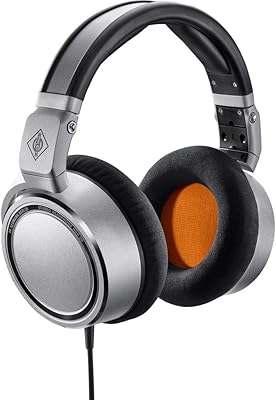
Neumann NDH 20
Neumann NDH 20
79%
94%
Sound Accuracy
88%
Build Quality
61%
Comfort & Wearability
83%
Noise Isolation
58%
Amp Compatibility
More
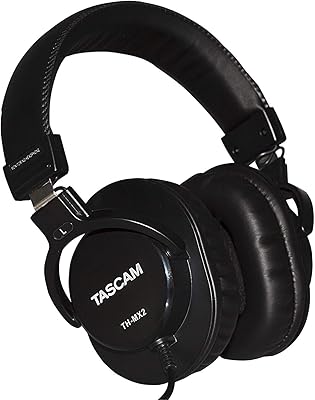
Tascam TH-MX2 Closed-Back Studio Mixing Headphones
77%
83%
Sound Accuracy
78%
Sound Isolation
81%
Comfort & Fit
61%
Build Quality
88%
Value for Money
More
Polsen HPC-A30-MK2 Studio Monitor Headphones
72%
88%
Value for Money
74%
Sound Quality
67%
Build Quality
63%
Comfort
71%
Noise Isolation
More
AKG K361 Closed-Back Studio Monitor Headphones
81%
91%
Sound Accuracy
89%
Driver Performance
92%
Frequency Balance
83%
Passive Isolation
88%
Value for Money
More
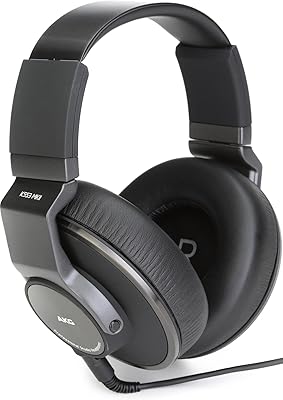
AKG K553 MKII Closed-Back Studio Headphones
75%
88%
Sound Accuracy
83%
Soundstage Width
62%
Comfort & Fit
66%
Build Quality
71%
Passive Isolation
More
Shure SRH1540 Closed-Back Over-Ear Headphones
79%
91%
Sound Quality
88%
Soundstage & Imaging
86%
Comfort & Fit
89%
Build Quality
74%
Passive Noise Isolation
More
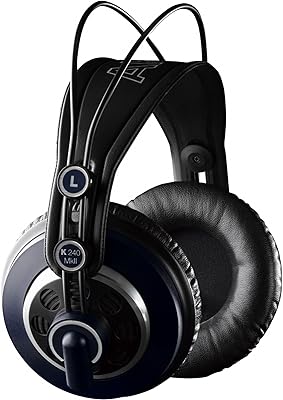
AKG K240 MKII
AKG K240 MKII
79%
93%
Long-Term Comfort
88%
Soundstage & Imaging
86%
Neutrality & Midrange
61%
Sub-Bass Response
82%
Build Quality & Durability
More
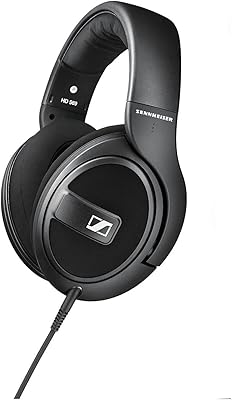
Sennheiser HD 569
Sennheiser HD 569
77%
83%
Sound Quality
88%
Comfort & Fit
67%
Build Quality
81%
Sound Isolation
61%
Microphone Quality
More
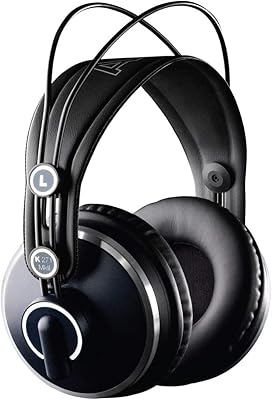
AKG K271 MKII Closed-Back Studio Headphones
79%
88%
Sound Accuracy
83%
Noise Isolation
86%
Wearing Comfort
81%
Build Quality
74%
Cable System
More

FAQ

No, you do not. The K72 runs at 32 ohms, which is low enough that a standard smartphone, laptop headphone jack, or basic USB audio interface can power it to comfortable listening levels without any additional amplifier.

Yes, and this is one of the more practical design choices on the K72. The cable is fully detachable, so if it fries or gets damaged, you just swap in a compatible replacement cable rather than tossing the whole headset.

It works reasonably well for passive isolation — think open office or home studio levels of noise reduction, not full silence. You will still hear loud external sounds, but the seal is effective enough to keep recording bleed out of a nearby microphone, which is the main use case most buyers need it for.

It works perfectly well for everyday listening. The sound signature leans neutral-to-slightly-warm rather than bass-heavy, so if you prefer a punchy, consumer-tuned sound, you might find it a bit flat. But for listeners who enjoy accurate, natural audio reproduction, it is an excellent everyday pair.

The K92 sits a step above in AKG's lineup with a slightly wider frequency extension and a gold-plated adapter. Many users report that the sonic difference is subtle at best. If budget is a concern, the K72 is hard to fault; if you want a modest spec bump and a premium-feeling connector, the K92 is worth considering, but it is not a dramatic leap.

Yes. The included screw-on 6.3mm adapter fits standard quarter-inch headphone outputs found on most guitar amps, mixing boards, and studio interfaces, so you can plug straight in without hunting for a separate adapter.

It means there are no sliders or notches to manually set. The headband flexes and distributes its own tension to fit your head naturally. It works well for most people, though those with very large or very small heads occasionally find the fit imperfect.

The all-plastic construction is functional and holds up fine under normal daily use, but it does not feel particularly robust. If you are the kind of person who throws headphones in a bag without a case, the plastic hinges and ear cups are the first areas likely to show wear over time. Treat them with basic care and they should last several years.

You can use them for audio output in gaming or video calls, but there is no built-in microphone on the cable or ear cup, so you would need a separate mic for communication. They work fine as listening headphones in those contexts.

A fair number of buyers mention that the coiled cable feels quite stiff initially and tends to tug on the headphones when extended. It does loosen up after a few days of regular use, but it is worth knowing upfront if cable flexibility is something you care about.

Where to Buy