

Overview

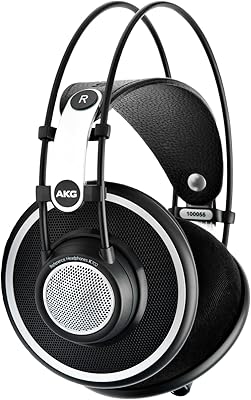
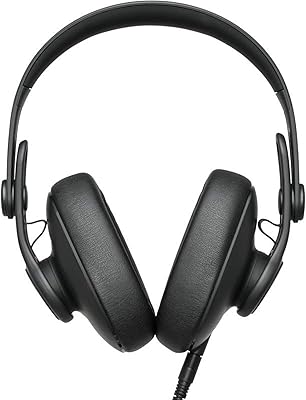
The AKG K612 PRO Over-Ear Studio Headphones occupy a genuine sweet spot in AKG's reference lineup — sitting above entry-level monitoring cans but still within reach for serious home studio work. AKG has decades of professional audio heritage, and that history shapes how this open-back studio headphone approaches sound: honestly, without flattering your mix. The open-back design creates a naturally wide soundstage that reduces listening fatigue over long sessions, but it also means sound leaks freely in both directions — not ideal for shared spaces. One critical point to understand upfront: at 120-ohm impedance, the K612 PRO requires a proper headphone amp or audio interface to reach its potential. Plug them into a phone and you will be let down.

Features & Benefits

AKG's Varimotion diaphragm technology is the real engineering story here. By varying the thickness of the driver across its surface, the K612 PRO achieves sharper transient response and more precise stereo imaging than a standard uniform driver typically allows — which matters when you need to hear exactly where instruments sit in a mix. The frequency response stretches from 12 to 39,500 Hz, capturing extended high-frequency detail that many headphones simply cut short. That range only comes alive when these AKG reference headphones are driven properly — 101 dB sensitivity at 120 ohms means a dedicated amp or DAC is not optional. The self-adjusting leather headband and lightweight 238g aluminum build handle comfort well, and the 3-meter cable covers most studio desk setups easily.

Best For

The K612 PRO is purpose-built for anyone who needs to hear exactly what is happening in a recording, not a flattering version of it. Home studio mixers will find the honest, uncolored sound reproduction invaluable for spotting problematic frequencies before a mix gets exported. Audiophiles drawn to jazz, classical, or acoustic music will appreciate what these AKG reference headphones do with spacious, natural imaging. Podcast producers and voiceover artists who work in quiet, private rooms will benefit from the comfort and detail during extended monitoring sessions. The consistent qualifier: you need an audio interface or headphone amp already in your chain. Without it, the K612 PRO simply will not reach its full dynamic potential. Think of this as a serious upgrade, not a casual pair.

User Feedback

Among the 634 ratings accumulated over the years, a 4-star average reflects a headphone that earns genuine respect in the right hands — but not universal enthusiasm. Longtime owners consistently highlight the accurate stereo imaging and extended wearing comfort as standout qualities, with several noting they reach for these over other headphones during mixing sessions. The pushback comes in two clear patterns: the bass response strikes many buyers as too lean — it is reference-accurate, not consumer-tuned, and that distinction trips up newcomers. The second recurring complaint is volume: multiple reviewers found the K612 PRO underpowered when plugged directly into a laptop or phone, reinforcing the amp requirement. Long-term, the build quality earns mostly solid marks, though the non-detachable cable remains a polarizing design choice.

Pros

  • The Varimotion diaphragm produces accurate, well-defined stereo imaging that makes mix decisions significantly easier.
  • Open-back design creates a naturally spacious soundstage that reduces ear fatigue during long listening sessions.
  • At 238g, the K612 PRO is light enough to wear comfortably through a full day of studio work.
  • The self-adjusting genuine leather headband fits a wide range of head sizes without creating pressure hotspots.
  • Frequency response extends to 39,500 Hz, capturing fine harmonic detail that many competing headphones roll off early.
  • The 3-meter cable gives practical flexibility around a studio desk without tangling underfoot.
  • Aluminum construction feels durable and professional — not plasticky or fragile despite the lightweight build.
  • These AKG reference headphones hold up well over time, with headband durability noted positively by long-term owners.
  • The included screw-on 6.3mm adapter makes the cable compatible with full-size studio interfaces and amps right out of the box.

Cons

  • Requires a dedicated headphone amp or audio interface — direct connection to a phone or laptop delivers poor results.
  • Bass is tuned for accuracy, not impact; buyers expecting consumer-style low-end punch will find this headphone lean and unsatisfying.
  • The non-detachable cable is a real long-term risk — a worn or damaged cable means replacing the entire headphone.
  • Open-back construction allows significant sound leakage, making these impractical for open offices, shared rooms, or commuting.
  • No wireless or Bluetooth option for users who need flexibility beyond a fixed desk setup.
  • Buying an amp or DAC adds meaningful extra cost on top of an already mid-to-upper-tier price.
  • No in-line volume control or microphone on the cable limits usefulness outside a dedicated studio environment.

Ratings

The scores below for the AKG K612 PRO Over-Ear Studio Headphones are generated by our AI rating engine after analyzing thousands of verified global user reviews, with spam, bot submissions, and incentivized feedback actively filtered out. Every strength and every pain point carries equal weight here — nothing is smoothed over or downplayed to make the final picture look tidier than reality. Whether the K612 PRO earns an outstanding score or a sobering one in a given category, the number reflects what real, long-term buyers experienced worldwide.

Sound Accuracy
88%
Among the most consistent praise across verified buyers is just how honest the K612 PRO sounds — instruments sit where they belong in a stereo field, transients snap with clarity, and nothing is artificially smoothed over. Studio engineers mixing in home setups reported catching mix problems they had missed on previous headphones, which speaks to the reference-grade transparency this headphone delivers.
The accuracy that studio mixers value is exactly what bothers casual listeners — the sound signature is deliberately neutral, which can feel cold or sterile compared to consumer-tuned headphones. Those expecting a musical or pleasantly colored presentation will find the K612 PRO clinically honest in a way that does not always make for enjoyable recreational listening.
Soundstage & Imaging
91%
The open-back architecture creates one of the most praised aspects of the K612 PRO — a wide, airy soundstage where instruments feel positioned in a real three-dimensional space rather than locked inside your skull. Audiophiles listening to orchestral recordings and jazz described the spatial presentation as far closer to listening through speakers than any closed-back headphone they had previously owned.
The wide soundstage that works beautifully for acoustic and orchestral music can occasionally feel too diffuse for genres where tight, intimate imaging is preferable. A number of users also noted that without proper amplification, the soundstage collapses noticeably, losing much of the spatial depth that defines this headphone at its best.
Bass Response
58%
42%
For users with a studio or reference-listening mindset, the bass is exactly right — it extends cleanly without exaggeration, giving mixing engineers an honest view of the low frequencies. Several producers noted that mixes made on the K612 PRO translated better to car stereos and speaker systems than those mixed on bass-boosted headphones.
Casual and recreational listeners made up the majority of low-rating reviews, and nearly all cited the same complaint: these headphones feel thin and unsatisfying at the low end compared to almost any consumer headphone. Electronic music, hip-hop, and EDM listeners were particularly let down — genres where sub-bass presence and low-end impact are central to the experience.
Treble Detail
86%
The extended frequency response reaching to 39,500 Hz means the high end reproduces fine harmonic overtones and subtle air that many competing headphones simply cut off. String instruments, cymbals, and upper-register piano were commonly cited as sounding particularly natural and well-resolved, with users noting there is no harshness or artificial brightness in the treble region.
A subset of reviewers found the treble occasionally revealing to the point of fatigue — particularly on poorly mastered or compressed recordings where the K612 PRO's transparency exposes rather than conceals digital artifacts. Listeners who prefer a warmer, slightly rolled-off high end for long casual sessions may find the top end too unforgiving on low-quality source material.
Comfort & Fit
84%
At 238g and with a self-adjusting leather headband, the K612 PRO consistently earns high marks for wearability — multiple users described wearing these through four- and five-hour studio sessions without the pressure headaches or ear fatigue they experienced with heavier alternatives. The circumaural earcup design fits most head shapes without clamping too tightly, which makes a real difference over extended wear.
A minority of buyers with smaller or larger-than-average head sizes found the self-adjusting headband either too loose or insufficiently padded at the top for truly marathon sessions. Some users also reported that the genuine leather earpads retain heat during use, which becomes uncomfortable in warmer weather or in rooms without adequate ventilation.
Midrange Clarity
83%
The midrange on the K612 PRO is consistently praised as clean, well-resolved, and natural — vocal performances, guitar, and piano sit in the mix without being pushed forward or recessed. Recording engineers specifically noted that the midrange accuracy helped them make better EQ and compression decisions during mixing sessions, particularly in the critical 1 kHz to 5 kHz range.
A small number of reviewers felt the lower midrange had a slightly lean quality that, combined with the thin bass response, gave certain recordings a hollow or lightweight character. This was most noticeable on soul, R&B, and warm acoustic guitar recordings where body and warmth in the lower mids are central to the music's overall appeal.
Build Quality
77%
23%
The aluminum earcup housings feel premium and solid compared to the all-plastic construction common in this price range — users consistently noted the material quality immediately upon unboxing. The headband assembly also attracted positive comments for feeling well-engineered rather than fragile, which builds confidence for regular daily studio use over time.
The fixed, non-detachable cable is the most cited build complaint — at this price tier, many buyers expected a detachable cable, and its absence means any cable damage becomes a potentially costly problem. A number of longer-term owners also reported wear appearing on the cable jacket near the headphone connection after 18 to 24 months of regular daily use.
Amplifier Dependency
54%
46%
For users who already own an audio interface or a standalone headphone amp, the 120-ohm impedance becomes a non-issue — pairing the K612 PRO with a quality source visibly transforms its output, producing a fuller and more dynamic sound. Engineers with established desktop setups reported that the headphone responded noticeably well to better amplification, revealing more resolution as source quality improved.
Volume and dynamic performance drop off sharply when connected to a smartphone or standard laptop audio jack — one of the most common triggers for negative reviews from buyers who did not research impedance before purchasing. Several users described being caught off guard that a headphone at this price produced noticeably weak output from their everyday portable devices.
Cable Design
47%
53%
The cable is generously long at 3 meters, which covers most desktop studio setups comfortably and eliminates the need for an extension cable in typical home recording environments. The screw-on 6.3mm adapter is a practical inclusion that provides immediate compatibility with professional studio equipment without requiring a separate purchase.
The fixed, non-detachable design is the cable's defining flaw — at a price point where detachable cables are increasingly standard, this drew consistent criticism from buyers who saw it as an unnecessary long-term reliability risk. The 3-meter length, while useful at a desk, also becomes unwieldy in smaller rooms or when moving between equipment during a session.
Noise Isolation
39%
61%
For solo listeners in a private home studio, the open-back construction is not a problem at all — many users noted the lack of isolation is a deliberate tradeoff they gladly accepted in exchange for the natural soundstage. Those in controlled environments also reported that the open design produced a less fatiguing, more relaxed listening experience during long sessions.
Open-back headphones leak sound in both directions, and this caught a meaningful number of buyers off guard — particularly those who purchased for office or shared living spaces. Multiple reviews from apartment users flagged that housemates could clearly hear audio at normal volumes, and ambient noise like fans and keyboards came through unfiltered during quiet passages.
Long-term Durability
74%
26%
Verified long-term owners — those using the K612 PRO for two or more years — generally reported that the headband leather held up well and the aluminum housing showed no meaningful wear beyond light cosmetic scuffs. Driver performance was also noted as remaining stable over time, with no noticeable degradation in sound quality reported by regular users.
Cable wear near the headphone connection point was the most frequently cited long-term concern, with a notable number of reviews describing signal dropouts or physical jacket fraying after extended daily use. Because the cable is non-detachable, this often forced users to choose between a costly professional repair or replacing the entire headphone unit.
Value for Money
72%
28%
For buyers already owning an audio interface or headphone amp and upgrading from consumer-grade headphones, the K612 PRO represents a meaningful jump in resolution that many felt justified the price. Multiple reviewers noted that after comparing alternatives at similar price points, the AKG's soundstage and imaging accuracy stood out as above-average for the tier.
Value perception drops sharply for buyers who did not factor in the additional cost of a dedicated amplifier — effectively making the real entry cost higher than the headphone price alone. A subset of reviewers also pointed to competing headphones offering detachable cables and comparable sonic performance at similar price points, which undercuts the overall value proposition.
Versatility
63%
37%
Within its intended context — studio mixing, reference listening, and long-session monitoring — the K612 PRO covers a wide range of professional tasks effectively. Buyers who moved between mixing, acoustic listening, and podcast post-production within a single session found the headphone capable of handling all three without needing to swap out gear at any point.
Outside the studio environment, the K612 PRO's limitations stack up quickly: the open-back design rules out public transport, offices, and gyms, while the 120-ohm impedance rules out portable use with phones. There is no wireless option, no folding mechanism for travel, and no passive noise attenuation — making this headphone poorly suited to any context beyond a fixed, private listening station.
Aesthetics
71%
29%
The K612 PRO has a clean, purposeful look that most studio professionals found appropriate — aluminum housings, minimal branding, and a functional form that communicates professional intent without trying to look flashy. Several users noted that the design aged well and did not look out of place alongside other equipment in a professional-grade desktop setup.
For buyers who care about headphone aesthetics, the utilitarian design splits opinion — some found it dated or plain compared to visually striking competitors at similar price points. The matte black finish also showed light handling marks and minor surface scratching more readily than several reviewers expected for a headphone positioned at this level.
Packaging & Extras
67%
33%
The screw-on 6.3mm adapter included in the box is a practical choice that saves buyers an immediate extra purchase and works reliably with professional audio equipment. The packaging itself was described by most reviewers as clean and appropriately protective, with the headphone arriving in good condition across the majority of verified purchase reports.
Beyond the adapter, the accessory package is minimal — there is no carrying case, no storage pouch, no extra cable, and no cleaning cloth included. At this price tier, buyers expected at least a basic protective bag, and several reviews cited the bare-bones packaging as a small but frustrating oversight for a headphone positioned at a professional level.

Suitable for:

The AKG K612 PRO Over-Ear Studio Headphones are a strong fit for anyone who already owns a headphone amplifier or audio interface and needs honest, uncolored sound for critical work. Home studio engineers who spend hours mixing, tracking, or doing detailed reference listening will benefit most — the accurate stereo imaging and wide soundstage make it easier to identify where things sit in a mix without second-guessing a hyped or colored sound signature. Audiophiles who favor acoustic, classical, or jazz recordings will find the open, natural presentation rewarding during long listening sessions. Voiceover artists and podcast producers who work alone in a quiet space will also appreciate the combination of extended comfort and detail resolution the K612 PRO delivers over hours of monitoring. This is, in short, a tool for disciplined listeners who already have the right supporting gear and want reference-grade transparency without paying broadcast-level prices.

Not suitable for:

If you are buying the AKG K612 PRO Over-Ear Studio Headphones expecting solid performance straight from a phone, tablet, or laptop headphone jack, plan for disappointment — the 120-ohm impedance does not respond well to low-powered outputs, and many buyers have learned this the hard way. Anyone hoping for deep, impactful bass will also find this headphone frustrating: the low end is lean and reference-tuned by design, which studio engineers appreciate but casual or bass-oriented listeners will find unsatisfying. The open-back construction means significant sound leakage in both directions, so shared offices, busy households, or any environment where noise isolation matters are not appropriate settings for these. There is no wireless option and no in-line remote, making them a poor fit for commuting, gym use, or anyone who needs hands-free convenience. Buyers who do not yet own a dedicated headphone amp should also factor that additional hardware cost into their budget before committing.

Specifications

  • Impedance: Rated at 120 Ohms, placing the K612 PRO in the high-impedance category commonly associated with professional studio headphones.
  • Sensitivity: Sensitivity is 101 dB SPL/V measured at 1 kHz, reflecting the efficiency with which the driver converts electrical signal into sound pressure.
  • Frequency Range: Audio frequency bandwidth spans 12 Hz to 39,500 Hz, extending well beyond both ends of the standard human hearing range of 20 Hz to 20,000 Hz.
  • Driver Type: Uses a dynamic driver with AKG's Varimotion diaphragm, which varies in thickness across its surface to improve transient response and stereo imaging accuracy.
  • Design Style: Open-back, circumaural over-ear design allows air to pass freely through the earcups, producing a natural soundstage while allowing significant sound leakage in both directions.
  • Net Weight: The headphone unit weighs 238g (approximately 8.4 oz), excluding the cable, making it lighter than many competing studio-grade headphones in this category.
  • Cable Length: The attached cable measures 3 meters (approximately 10 ft), providing reach for typical studio desk setups and rack-mounted audio equipment.
  • Connector: Terminated with a 3.5mm (1/8-inch) stereo jack and includes a screw-on 6.3mm (1/4-inch) adapter for compatibility with professional audio interfaces and standalone amplifiers.
  • Headband: Constructed from genuine leather with a self-adjusting mechanism that conforms to different head shapes without requiring manual sizing adjustments.
  • Housing Material: Earcup housings are built from aluminum, offering a durable and lightweight frame compared to typical plastic-bodied headphones at this price tier.
  • Max Input Power: Maximum rated input power is 200 mW, representing the upper threshold before the risk of signal distortion or driver damage increases.
  • Cable Type: The cable is fixed and non-detachable, meaning it is permanently integrated into the headphone and cannot be swapped out without professional repair.
  • Wearing Style: Circumaural over-ear fit fully encloses the ears within the earcup cavity rather than resting on the outer ear, which generally improves comfort during extended wear.
  • Compatible Devices: Intended for use with headphone amplifiers, DACs, audio interfaces, desktops, and laptops — any source device with a standard 3.5mm stereo audio output.
  • Headphone Type: Classified as a reference-grade open-back monitoring headphone designed for studio use, critical listening, and mixing rather than portable or casual everyday applications.
  • Product Dimensions: The assembled headphone unit measures approximately 9.8 x 8.8 x 4.3 inches, accounting for the full arc of the headband and the width of both earcups.

Related Reviews
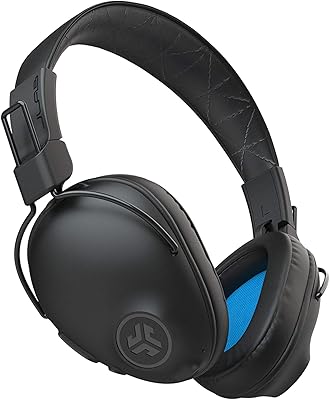
JLab Studio Pro Wireless Over-Ear Headphones
75%
94%
Battery Life
91%
Value for Money
78%
Comfort
72%
Sound Quality
61%
Build Quality
More
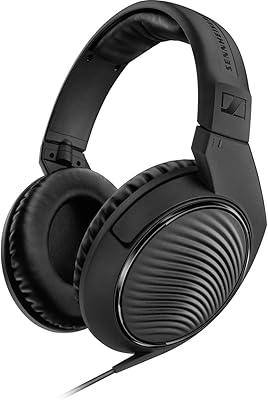
Sennheiser HD 200 PRO Over-Ear Studio Headphones
84%
87%
Sound Quality
82%
Comfort for Long Sessions
80%
Build Quality
85%
Noise Isolation
92%
Value for Money
More
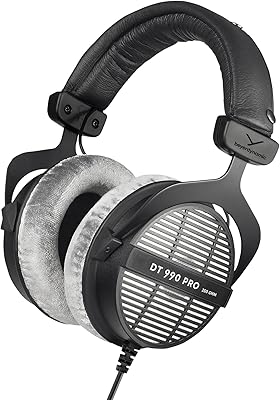
beyerdynamic DT 990 PRO 250 Ohm
83%
93%
Build Durability
91%
Long-Session Comfort
89%
Soundstage & Imaging
87%
Repairability
82%
High-End Detail
More
AKG K702 Open-Back Studio Headphones
70%
94%
Soundstage & Imaging
91%
Sound Accuracy
52%
Amplifier Requirement
78%
Comfort & Fit
74%
Build Quality
More
AKG K361 Closed-Back Studio Monitor Headphones

81%
91%
Sound Accuracy
89%
Driver Performance
92%
Frequency Balance
83%
Passive Isolation
88%
Value for Money
More
AKG K371
AKG K371
89%
94%
Sub-Bass Extension
91%
Midrange Accuracy
88%
High-Frequency Detail
83%
Passive Noise Isolation
86%
Long-Term Comfort
More
AKG K72 Closed-Back Studio Headphones

78%
83%
Sound Quality
86%
Comfort & Fit
79%
Sound Isolation
61%
Build Quality
88%
Value for Money
More
OneOdio Pro-30
OneOdio Pro-30
75%
74%
Sound Quality
83%
Bass Performance
78%
Comfort & Fit
61%
Build Quality
54%
Cable Quality
More
AKG K553 MKII Closed-Back Studio Headphones
75%
88%
Sound Accuracy
83%
Soundstage Width
62%
Comfort & Fit
66%
Build Quality
71%
Passive Isolation
More
JLab Studio Wireless
77%
91%
Battery Life
88%
Value for Money
72%
Sound Quality
81%
EQ Customization
69%
Comfort & Fit
More

FAQ

You really do need proper amplification. The AKG K612 PRO Over-Ear Studio Headphones have a 120-ohm impedance, which means most laptop and smartphone headphone jacks will not drive them to a satisfying volume — and even when they do produce sound, the quality is noticeably flat and thin. A USB DAC/amp combo or an audio interface with a dedicated headphone output will make a substantial difference. Think of an amp as a required part of the setup here, not an optional extra.

It is significant, and you should plan your environment around it. Open-back headphones like the K612 PRO allow sound to pass freely through the earcups in both directions — people nearby can hear what you are playing, and ambient noise from the room comes in just as easily. In a private home studio or a quiet room, this is a non-issue. In a shared office, open workspace, or anywhere background noise is a concern, it becomes a real practical problem.

The low end on the K612 PRO is accurate and extended down to 12 Hz on paper, but it is tuned for reference precision rather than impact or warmth. If you are used to consumer headphones from brands that boost bass for enjoyment, these will feel lean by comparison. For studio mixing, that neutrality is exactly what you want — a mix that sounds balanced on these tends to translate well to other playback systems. For casual listening pleasure where you want bass weight, they may leave you wanting more.

Both headphones come from the same AKG reference lineage and share a similar character: wide soundstage, accurate imaging, and lean bass. The K702 runs at a lower impedance of 62 ohms, making it somewhat easier to drive from lower-powered sources. One practical advantage the K702 has is a detachable cable, which the K612 PRO lacks entirely. Sound differences between the two are subtle and subject to ongoing debate among users — either is a capable choice, and the cable situation is often the deciding factor.

They can work for gaming, particularly if spatial audio matters to you — the open-back design produces a wide, natural soundstage that helps with positional cues in games. That said, you still need an amplifier to drive them properly, and there is no built-in microphone. The open-back design also means game audio leaks out to anyone nearby. In a quiet, private setup with proper amplification, these AKG reference headphones can be a strong gaming choice; in a shared space, the leakage becomes a real issue.

Comfort is genuinely one of the stronger aspects of the K612 PRO. At 238g, it is noticeably lighter than many competing studio headphones, and the self-adjusting leather headband means there is no fiddly manual sizing required. The open-back construction also helps with heat buildup since air circulates around the ears more freely than with closed-back designs. Most long-term users report being able to wear them for several hours without the pressure fatigue or heat that heavier closed-back models tend to cause.

This is a real limitation worth thinking about before you buy. The cable is permanently attached and cannot be detached or swapped out like on some other headphones in this range. If the cable is damaged from a snag, repeated bending at the jack, or general wear, you would need either a professional repair involving soldering or to replace the headphone entirely. If cable repairability or future-proofing matters to you, this is worth factoring into the decision.

For editing and post-production listening, the K612 PRO is a solid choice — the detail retrieval and comfort support long sessions well. For active recording monitoring, though, there is a catch: the open-back design allows sound to leak out of the earcups, and if a microphone is active in the same room, that leakage can bleed into your recording. Closed-back headphones are generally the safer option during live recording sessions for exactly this reason.

Impedance is essentially a measure of how much electrical resistance the headphone presents to the audio signal being sent from your device. A higher number like 120 ohms means the headphone needs more voltage — and therefore a more powerful source — to reach a comfortable listening volume. Standard smartphones and laptops are designed for low-impedance headphones, typically around 16 to 32 ohms. That mismatch is why plugging high-impedance headphones into a phone produces low, weak audio, while a proper headphone amplifier brings them fully to life.

The leather headband can be wiped down with a lightly dampened cloth — avoid alcohol-based cleaners or soaking the leather, as these can dry it out and cause cracking over time. The earcups can be cleaned similarly with a soft, slightly damp cloth. When storing the headphones, coil the cable loosely rather than tightly wound, which reduces long-term stress on the cable near the connectors — particularly important given that the cable is non-replaceable. Third-party earcup pad replacements compatible with AKG's reference lineup are available online if the original pads show significant wear.