Overview

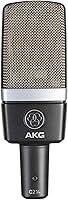
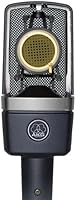
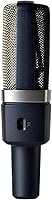
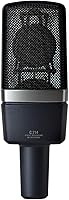
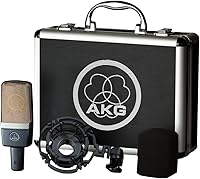
Finding a balance between high-end studio performance and a realistic budget usually leads straight to the AKG C214. It acts as a streamlined alternative to the legendary C414, stripping away the complex multi-pattern polar settings to focus purely on a single, high-quality cardioid capture. This condenser mic is specifically engineered to handle the nuances of lead vocals and solo instruments with a detailed sonic character that feels both classic and modern. Beyond the hardware itself, the package arrives with a rugged hardshell case and a professional shock mount, ensuring your gear stays protected during transport or storage. It is an approachable entry point into the world of professional audio without sacrificing the foundational engineering that made its predecessor a staple in world-class recording environments.

Features & Benefits

The core of this studio workhorse is its large one-inch capsule, which provides an up-front sound profile that helps recordings sit perfectly in a mix. If you are dealing with loud sources like a dimed guitar amp or brass, the switchable 20dB attenuation pad is a lifesaver, allowing the capsule to manage levels up to 156dB SPL without clipping. For those tracking in less-than-ideal rooms, the integrated capsule suspension does a fantastic job of isolating the element from floor vibrations. Additionally, a 160Hz bass-cut filter is available to counteract the muddy proximity effect when you need to get the microphone right up against the sound source. Wrapped in an all-metal die-cast body, the construction feels exceptionally durable, making it suitable for both meticulous studio sessions and demanding live stage environments.

Best For

This cardioid microphone is a top-tier choice for home studio producers who need a professional vocal presence but do not require the figure-eight or omnidirectional patterns of more expensive models. It particularly shines when paired with acoustic instruments; guitarists will notice a crisp high-end definition that brings out the shimmer of new strings. Because it handles high pressure so well, it is also a favorite for capturing the raw energy of electric guitar cabinets or heavy-handed percussion. Voice-over artists also gravitate toward this condenser mic because of its ultra-low noise floor, which ensures that quiet, intimate narrations remain clean and free from distracting electronic hiss. It simplifies the recording process by focusing on the most common studio needs while delivering a transparent, high-fidelity result that mimics far pricier equipment.

User Feedback

Most owners describe this studio workhorse as a reliable investment that performs consistently across various musical genres. The most common compliment involves its airy top-end response, which adds a sense of expensive clarity to vocal tracks without much effort. However, that same brightness is a double-edged sword; some users find it a bit too sharp on naturally sibilant voices, often requiring a touch of EQ or a de-esser to smooth things out. The physical longevity of the unit is rarely questioned, with many noting the tank-like build quality that survives years of regular use. While it may lack the versatility of multiple polar patterns, the consensus is that it excels at its primary job. It is frequently cited as the go-to option for those moving up from entry-level gear into more serious production work.

Pros

  • Delivers a professional, airy top-end that adds immediate clarity to vocal recordings.
  • The 20dB attenuation pad allows for recording extremely loud sources like guitar cabinets.
  • Robust all-metal die-cast body is built to withstand the rigors of daily studio use.
  • Integrated capsule suspension effectively isolates the diaphragm from floor vibrations and handling noise.
  • Includes a high-quality hardshell case and shock mount that provide excellent protection.
  • The 160Hz bass-cut filter is great for removing unwanted low-end rumble during tracking.
  • Provides the iconic sonic character of the AKG C214 at a more accessible price point.
  • Consistently low self-noise ensures clean recordings even during quiet, intimate vocal performances.

Cons

  • Fixed cardioid pattern lacks the versatility needed for specialized multi-person or room recording setups.
  • Bright frequency response can emphasize harsh sibilance on certain high-pitched or nasally voices.
  • Substantial weight requires a high-quality, sturdy microphone stand to prevent the boom arm from sagging.
  • The 160Hz low-cut filter slope is quite aggressive and may strip too much warmth from baritone singers.
  • Recessed physical switches are somewhat difficult to toggle quickly without using a small tool.
  • Elastic bands on the included shock mount can lose their tension and elasticity over several years.
  • Lacks the warm, vintage mid-range response that some engineers prefer for jazz or folk vocals.
  • Requires a significant investment in an external audio interface and XLR cables for beginners.

Ratings

Our evaluation of the AKG C214 is based on a rigorous AI-driven analysis of verified purchaser feedback from around the globe, ensuring spam and incentivized reviews are excluded. This scoring system provides an authentic look at how this cardioid microphone performs in real studio environments, highlighting both its professional-grade strengths and common user frustrations. The resulting scores reflect a balanced synthesis of technical specifications and actual field performance.

Vocal Clarity
92%
Producers love how this condenser mic adds an immediate, airy presence to lead vocals, allowing them to sit prominently in a mix without heavy processing. The detail captured in the upper mid-range is frequently described as professional and polished, giving tracks a radio-ready feel.
While the clarity is impressive, it can sometimes be unforgiving. On thinner or naturally high-pitched voices, it might emphasize sibilant harshness, requiring users to be more diligent with their microphone technique or the use of a high-quality de-esser during the mixing phase.
Acoustic Instrument Capture
89%
Guitarists specifically rave about the shimmer and articulation this studio workhorse brings to acoustic recordings. It captures the subtle transients of fingerpicking and the resonance of the wood with a level of precision usually reserved for much pricier microphones in professional studios.
The lack of switchable polar patterns means you cannot easily adjust for room sound or spill. In smaller, untreated home environments, the sensitive cardioid pattern might pick up more reflected boxiness than some amateur users were expecting for their solo instrumental tracks.
Build Durability
94%
The all-metal die-cast body is a major selling point for users who need gear that can survive a busy studio or occasional stage use. It feels substantial and premium in the hand, giving owners long-term confidence that the internal electronics are well-protected against accidental bumps.
The weight of the heavy metal chassis requires a very sturdy microphone stand to prevent sagging. Users with cheaper, lightweight boom arms have reported that this cardioid microphone can slowly droop during long recording sessions if the stand joints are not tightened excessively.
High-Volume Handling
91%
Thanks to the integrated 20dB attenuation pad, this studio workhorse handles high-output sources like drum overheads or loud brass without breaking a sweat. It maintains its composure even when placed directly in front of a screaming guitar amplifier at high volume levels.
Engaging the pad is necessary for loud sources, but some users find the recessed switch difficult to toggle without using a small tool. A few reviewers wished the physical switch felt a bit more tactile and accessible for quick adjustments during fast-paced recording sessions.
Value for Money
93%
For a professional-grade XLR microphone, the price point represents a massive win for home studio owners. It delivers nearly the same performance as flagship models at a fraction of the cost, making it the perfect upgrade for anyone moving away from entry-level USB equipment.
The initial investment is still significant for casual hobbyists, especially since it requires an external audio interface with 48V phantom power. Some buyers felt they were paying a slight premium for the established brand name compared to newer, budget-focused competitors entering the market.
Low-Frequency Management
84%
The 160Hz bass-cut filter is highly effective at cleaning up low-end rumble and mechanical stage vibration before it reaches your recording interface. It is a vital feature for those recording in home environments where air conditioners or distant traffic might otherwise ruin a take.
Some users find the 160Hz slope a bit too aggressive for certain baritone voices, as it can strip away too much natural warmth. A multi-stage filter with an 80Hz option would have offered more flexibility for balancing different vocal timbres and acoustic guitar bodies.
Self-Noise Levels
88%
With a low equivalent noise level, this condenser mic is exceptionally quiet for its price bracket. This allows for clean, high-gain recording of intimate whispers or delicate instruments without the distraction of annoying electronic hiss or hum in the background of your tracks.
While very low, the noise floor is not as dead-silent as some of the high-end boutique competitors. Very sensitive ears in perfectly treated rooms might notice a tiny bit more floor noise than they would on the more expensive multi-pattern flagship models.
Included Accessories
86%
The inclusion of a hardshell aluminum case and a dedicated shock mount adds significant value to the purchase. Users appreciate having a secure way to transport this cardioid microphone and a mounting system that effectively isolates it from footsteps and floor vibrations.
A few owners noted that the elastic bands on the shock mount can lose their tension over several years of use. Others mentioned that the carrying case, while sturdy, is quite bulky for those with limited storage space in small apartment setups.
High-Frequency Character
78%
22%
The top-end boost is excellent for modern pop and rock sounds where a bright, crisp texture is desired. It saves time during the mixing phase because the tracks already have a professional sheen and clarity right out of the box.
This specific frequency profile is a point of contention; it can sound overly clinical or "brittle" to those who prefer a warm, vintage sound. Reviewers often mention needing to carefully manage the sharp sibilance on certain vocalists to avoid a piercing quality.
Proximity Effect Control
82%
18%
The internal suspension system does a solid job of reducing mechanical noise when moving the microphone slightly during a performance. This makes it a reliable choice for voice-over work where the talent might shift or lean in during a long narration script.
Users have found that because it is a large-diaphragm mic, you have to be very careful with distance to avoid excessive bass buildup. If you get too close without the filter engaged, the low-end can become overwhelming and muddy your signal quite quickly.
Setup Simplicity
87%
Because this cardioid microphone is focused on doing one thing well, the setup is extremely straightforward. It is a plug-and-play solution for solo creators who do not want to fiddle with complex multi-pattern settings every time they record a new vocal take.
The lack of omnidirectional or figure-eight patterns limits its use for multi-person interviews or ambient room miking. If your production needs expand to recording two people at once with a single mic, you will eventually need to invest in additional equipment.
Connector Quality
85%
The XLR connector feels secure and the electrical impedance is well-matched for a wide variety of modern preamps and affordable audio interfaces. It draws phantom power reliably without any popping or inconsistent signal issues across different hardware brands.
A handful of users reported that the XLR pins can be very tight on certain brands of cables, making it difficult to unplug them. It requires a bit of force, which can be nerve-wracking when handling such a sensitive piece of electronic recording equipment.

Suitable for:

The AKG C214 is a fantastic choice for home studio owners who want the professional sonic signature of high-end European condensers without paying for unnecessary polar patterns. It is particularly well-suited for solo vocalists and podcasters who need a crisp, detailed high-end that helps their voice cut through a mix naturally. Acoustic instrumentalists, especially guitarists and percussionists, will appreciate how accurately this studio workhorse captures fast transients and high frequencies. If you primarily record one source at a time and value durability, this microphone offers a reliable, rugged solution for long-term use.

Not suitable for:

This cardioid microphone is not the right fit for creators who need versatility, such as those conducting two-person interviews with a single mic or recording room ambience. Because the AKG C214 lacks omnidirectional and figure-eight patterns, it is strictly limited to capturing sound from the front. It may also be a poor match for vocalists with naturally thin or very sharp, sibilant voices due to its inherently bright frequency response. Furthermore, it is not a budget-friendly option for casual hobbyists, as it requires a dedicated audio interface and 48V phantom power to operate.

Specifications

  • Transducer Type: This unit utilizes a one-inch large diaphragm condenser capsule for high-fidelity audio capture.
  • Polar Pattern: The fixed cardioid pattern focuses sensitivity directly in front of the microphone while rejecting rear sound.
  • Frequency Response: The audio bandwidth covers a full range from 20 Hz to 20,000 Hz.
  • Sensitivity: The capsule provides a sensitivity rating of 20 mV/Pa for detailed recording of subtle nuances.
  • Maximum SPL: It can handle high-output sources up to 156dB when the 20dB attenuation pad is engaged.
  • Self-Noise: An equivalent noise level of 13 dB-A ensures very quiet performance for professional studio tracks.
  • Bass Cut Filter: A selectable 160 Hz filter is built-in to reduce low-end rumble and proximity effect.
  • Attenuation Pad: The switchable 20dB pad prevents overloading the internal circuitry when miking loud instruments.
  • Electrical Impedance: The device has a rated electrical impedance of 200 Ohms.
  • Power Requirements: Standard phantom power between 12V and 52V is required via the XLR connection.
  • Body Material: The microphone features a robust all-metal die-cast body for long-term durability.
  • Connector Type: It uses a standard balanced 3-pin XLR male connector for professional audio interfaces.
  • Weight: The microphone itself weighs approximately 0.8 kg, making it a substantial piece of gear.
  • Dimensions: The physical footprint of the unit measures approximately 11.3 x 8.6 x 3.9 inches.
  • Included Accessories: The package includes a professional shock mount and a rugged aluminum carrying case.

Related Reviews
AKG K52 Headphones
AKG K52 Headphones
84%
89%
Sound Clarity
78%
Bass Accuracy
85%
Midrange Balance
82%
High-Frequency Detail
91%
Comfort
More
AKG K812PRO Audiophile Headphones
85%
96%
Sound Quality
85%
Comfort for Extended Use
89%
Build Quality
94%
Soundstage & Imaging
60%
Noise Isolation
More
AKG K361 Studio Headphones
85%
91%
Sound Quality
84%
Comfort & Fit
90%
Noise Isolation
88%
Build Quality
86%
Portability
More
AKG K72 Over-Ear Headphones
84%
88%
Sound Quality
91%
Comfort for Long Listening
85%
Noise Isolation
67%
Build Quality
92%
Value for Money
More
AKG C1000S Condenser Microphone
85%
89%
Sound Quality
91%
Polar Pattern Flexibility
85%
Portability & Design
88%
Build Quality
83%
Ease of Use
More
AKG K702 Over-Ear Headphones
83%
92%
Sound Quality
90%
Comfort for Long Sessions
85%
Build Quality
60%
Noise Isolation
91%
Frequency Response
More
AKG K371
AKG K371
89%
94%
Sub-Bass Extension
91%
Midrange Accuracy
88%
High-Frequency Detail
83%
Passive Noise Isolation
86%
Long-Term Comfort
More
AKG C414 XLS
AKG C414 XLS
83%
94%
Audio Transparency
92%
Polar Pattern Versatility
91%
Self-Noise & Quiet Source Capture
93%
Build Quality & Durability
88%
Onboard Signal Shaping
More
AKG C5 Professional Condenser Microphone
88%
94%
Sound Quality
92%
Durability
88%
Ease of Use
72%
Weight/Ergonomics
91%
Build Quality
More
AKG K612 PRO Over-Ear Headphones
84%
89%
Sound Quality
91%
Comfort for Extended Use
85%
Build Quality
60%
Noise Isolation
88%
Impedance Compatibility
More

FAQ

No, it typically does not include a cable in the box. You will need to purchase a balanced XLR cable separately to connect this cardioid microphone to your audio interface or mixer.

You cannot connect it directly via USB because this is an analog XLR microphone. To use the AKG C214 with a computer, you will need an audio interface that provides 48V phantom power.

Absolutely, it is one of the better choices for that. By engaging the 20dB attenuation pad, this studio workhorse can handle extreme volume levels without distorting the capsule or your preamp.

Yes, it is highly recommended to use it. Large diaphragm condensers are very sensitive to vibrations like footsteps or truck traffic outside, and the included mount helps isolate those noises from your recording.

It uses the same one-inch capsule found in the C414 XLII, so the sonic character is very similar. The main difference is that this version is fixed to a cardioid pattern, making it a more affordable "set-it-and-forget-it" tool.

You should sing into the side with the logo and the switches. Since this condenser mic has a cardioid pattern, it captures sound from the front and rejects it from the back.

It is an excellent choice for a professional podcasting setup, though keep in mind it will pick up more room noise than a dynamic mic. You will want a relatively quiet, treated space to get the best results from this studio workhorse.

That is a bass-cut filter that rolls off the low frequencies. It is very helpful if your voice sounds too boomy when you get close to the mic or if there is low-end hum in your room.

Yes, the aluminum case is quite rugged and padded on the inside. It provides excellent protection for this cardioid microphone if you need to take it between different studios or sessions.

No batteries are needed, but it does require phantom power from your interface or mixer. Most modern interfaces have a "48V" button that you must engage for this condenser mic to produce a signal.