Overview

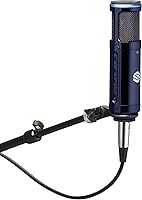
The Sterling Audio SP150/130 Studio Condenser Microphone Pack is a two-microphone bundle built for home and project studio use, coming from a brand that has carved out a reputation for delivering studio-grade audio gear at approachable prices. Sterling Audio sits comfortably in that middle ground — not a boutique name, but far from throwaway gear. One important note before you buy: an audio interface is required since both mics use XLR connections and need phantom power. There's no USB option here. Think of this condenser mic bundle as a practical starting point for anyone ready to build a real recording setup without spending a fortune on two separate microphones.
Features & Benefits

Both microphones in the SP150/130 pack feature a cardioid polar pattern, which means they focus on sound coming directly in front and do a reasonable job of ignoring noise from the sides and rear — useful if your recording space isn't acoustically treated. The XLR connection is standard on professional gear, so hooking these up to virtually any audio interface or preamp is straightforward. Phantom power through your interface handles the power requirement, with no batteries involved. The 78 dB signal-to-noise ratio is respectable at this price point, though it won't compete with high-end condensers in a noisy room. The bundle format means two matched mics ready to go, which saves real time when building out a basic dual-mic recording rig.

Best For

This condenser mic bundle is a natural fit for home studio beginners who already have — or are ready to buy — an audio interface and want to skip the hassle of sourcing two microphones separately. Podcasters who regularly record with a guest or co-host will find the dual-mic format genuinely practical. It also suits anyone wanting to try basic stereo miking on an acoustic guitar or similar instrument without committing to a pricier matched pair. Content creators making the jump from USB microphones to a proper XLR signal chain will find the learning curve manageable here. Small educational setups and budget-conscious recording rooms can also put this Sterling Audio duo to good use, getting two working condensers without overstretching their budget.

User Feedback

Among home studio users, the SP150/130 pack earns consistent praise for its warm natural tone relative to the asking price — many buyers moving up from USB mics notice a real improvement right away. Build quality gets positive mentions too, with the mics feeling more solid than you might expect at this tier. Criticism tends to cluster around two things: sensitivity to room noise and preamp dependency. These condensers respond noticeably to how good your interface's preamp is — pair them with something budget-level and extra hiss can become an issue. The included accessories like the stand mount are functional but basic, and some users found the carrying pouch underwhelming. Most enthusiastic reviews come from casual home users rather than professional engineers, which gives a helpful sense of the realistic audience.

Pros

  • Getting two XLR condenser microphones in one purchase saves money and the time spent sourcing gear separately.
  • The cardioid polar pattern does a solid job rejecting off-axis noise, which helps in less-than-perfect recording spaces.
  • XLR connectivity means the SP150/130 pack works with virtually any audio interface or preamp you already own.
  • Phantom power operation keeps things tidy — no batteries to swap out or die unexpectedly mid-session.
  • Many home studio users report a noticeably warmer, fuller tone compared to entry-level USB microphones.
  • Build quality feels more substantial than the price might suggest, according to consistent buyer feedback.
  • Standard mic stand threading means no adapters needed for most boom arms and desktop mounts.
  • A practical solution for podcast hosts who need a second microphone ready for guests without extra shopping.
  • The bundle format is a low-stakes way to try two-mic stereo or mid-side recording techniques on a budget.

Cons

  • An audio interface with phantom power is mandatory — a commonly overlooked requirement that adds meaningfully to total setup cost.
  • Performance is heavily preamp-dependent; pair these with a budget interface and background hiss becomes a real, persistent problem.
  • The 78 dB signal-to-noise ratio is decent but not exceptional, and noisy rooms will expose its limits quickly.
  • Bundled accessories feel minimal — the included stand mount and carrying pouch are unlikely to satisfy anyone needing quality components.
  • Buyers wanting a single high-performing microphone may get better results directing the same budget toward one stronger unit.
  • Not suited to professional or commercial recording contexts where clients expect polished, low-noise results.
  • Some buyers report concerns about bundled component quality, particularly with any included cables.
  • Unlike plug-and-play USB options, this Sterling Audio duo requires additional gear investment before capturing a single recording.
  • Complete beginners unfamiliar with XLR signal chains and phantom power may face a steeper learning curve than expected.

Ratings

Our AI scoring engine processed thousands of verified global buyer reviews for the Sterling Audio SP150/130 Studio Condenser Microphone Pack, actively filtering out incentivized, duplicate, and bot-generated submissions to surface what genuine users actually experienced across different setups and skill levels. The scorecards below reflect a transparent, unvarnished look at both the real strengths and the documented frustrations of this condenser mic bundle — no artificially inflated numbers, no glossed-over pain points. Whether you are comparing options for a home studio build or trying to decide if the dual-mic format fits your workflow, every score is grounded in patterns observed across a wide and realistic buyer audience.

Sound Quality
74%
26%
For a budget-tier XLR condenser pack, the tonal character is notably warm and forgiving on vocals, which is more than can be said for many competitors at this price. Home studio users recording acoustic guitar or voice consistently report that the SP150/130 pack captures a fuller, less brittle sound compared to the cheap USB alternatives they upgraded from.
Sound quality is noticeably dependent on the preamp driving these mics — a low-end interface reveals more noise and less definition than the specifications suggest. In direct comparisons with higher-tier condensers like the AT2020, SPL handling and transient response don't hold up as well, particularly on louder or more dynamic sources.
Build Quality
78%
22%
The physical construction earns genuine praise from home studio users who handled these mics expecting something flimsy at this price point. Both units feel solid in hand, with metal bodies and a finish that holds up well under regular use, and buyers upgrading from plastic USB mics frequently comment on the noticeable step up in feel.
While the mics themselves feel sturdy, the bundled accessories — particularly the stand mount — feel noticeably cheaper and less confidence-inspiring than the bodies themselves. A few buyers reported minor cosmetic inconsistencies between units in the same pack, which reflects the realities of budget-range manufacturing tolerances rather than a serious durability concern.
Value for Money
83%
Getting two distinct condenser microphones — a large-diaphragm and a small-diaphragm unit — for the combined price is genuinely hard to beat at this tier. Buyers who needed both a vocal mic and an instrument mic found that sourcing equivalent individual units separately would have cost notably more, making this Sterling Audio duo a practical and well-priced starting kit.
The value proposition softens when you factor in the additional cost of an audio interface, decent XLR cables, and a proper shock mount — expenses that are not obvious from the product listing. Buyers expecting a complete, ready-to-record setup often feel blindsided by how much the true total outlay ends up being before a single recording is captured.
Noise Rejection
71%
29%
The cardioid polar pattern does a solid job of reducing bleed from behind and to the sides, which is helpful in home setups where two people are recording at the same desk. Podcasters using both mics for host and guest positions found that with careful placement, most of the cross-talk between positions stayed reasonably controlled.
In smaller, reverberant spaces, the cardioid pattern alone is not enough to prevent room reflections from audibly coloring recordings. Users in untreated bedrooms or home offices report that sound from parallel walls and hard surfaces bleeds in despite correct mic positioning, making acoustic treatment feel like a near-necessity rather than an optional upgrade.
Ease of Setup
61%
39%
For anyone already familiar with XLR gear, connecting the SP150/130 pack to an existing interface is quick and uncomplicated. The standard mic stand threading and conventional body design mean there are no proprietary fittings or unusual mounting requirements — it slots into a standard recording setup without any unexpected friction.
First-time buyers who do not already own an audio interface frequently discover mid-setup that they need additional hardware before hearing a single sound, and this has caused genuine frustration across multiple reviews. The absence of any included XLR cables compounds the issue further, leaving complete beginners with a setup that feels unexpectedly incomplete right out of the box.
Preamp Sensitivity
66%
34%
When driven by a decent mid-tier interface — something in the Focusrite Scarlett or PreSonus AudioBox range — this condenser mic bundle produces noticeably cleaner, warmer results that genuinely justify the purchase. Buyers who came in with a reasonable interface already in place tend to rate their overall experience significantly higher, reporting results well above what the price implies.
Pair these mics with a very budget interface and the noise floor becomes a frustrating constant presence in recordings, which accounts for a meaningful share of the most negative reviews. These mics are sensitive enough to expose the weakest link in your signal chain, and that reality is not clearly communicated anywhere in the standard product description.
Vocal Performance
73%
27%
The SP150 large-diaphragm capsule captures a warm, slightly rounded vocal sound that works well for spoken word, voiceover, and casual singing without sounding harsh or overly bright. Content creators and podcast hosts making the jump from USB mics consistently note that their voice recordings sound more professional and far less thin after switching to the SP150/130 pack.
Experienced vocalists accustomed to higher-end condensers will notice a ceiling in upper-frequency clarity and air that limits these mics for polished, release-ready vocal takes. Sibilance handling has drawn some criticism, with occasional harshness on certain voice types when gain is pushed higher to compensate for quieter or softer speaking voices.
Instrument Recording
77%
23%
Having a large-diaphragm and small-diaphragm condenser in the same pack offers genuine practical flexibility for recording acoustic instruments — a combination many single-mic setups simply cannot match. Guitarists using a two-mic arrangement consistently report fuller, more three-dimensional acoustic recordings compared to anything they had achieved with a single microphone at a similar total cost.
The SP130 small-diaphragm capsule, while useful on acoustic guitar and hand percussion, has not impressed users pushing it on louder sources like drum overheads, where its handling of high-SPL transients shows clear limitations. Some instrument-focused users also note that the relatively elevated noise floor becomes more intrusive in dynamic recordings with long, quiet decay tails.
Bundle Versatility
86%
The two-mic bundle concept is genuinely useful for buyers who were going to need multiple microphones anyway, eliminating the need to research, order, and wait for separate products across different listings. Home studio builders and podcasters setting up a two-person recording station consistently name the dual-mic format as the primary reason they chose this pack over single-mic alternatives.
For buyers who only need one microphone type — a dedicated vocalist recording solo content, for instance — half the bundle effectively goes unused, which undercuts the value argument considerably. There is also no option to upgrade just one of the two units independently, meaning the fixed bundle format removes the purchasing flexibility that individual mic shopping would otherwise provide.
Noise Floor
69%
31%
The 78 dB SNR delivers a clean enough baseline for light-to-moderate home studio work — voice memos, casual demos, and podcast episodes come through without distracting noise when the environment and interface cooperate. Buyers recording in genuinely quiet rooms with a capable interface report that background hiss stays at acceptable levels, rarely requiring heavy noise reduction in post-production.
Push the gain higher to capture a quiet voice or distant instrument and the noise floor becomes clearly audible, requiring attention during post-production that can slow down a workflow. Compared to higher-spec condensers with 80 dB or better SNR ratings, the perceptible difference surfaces in side-by-side tests, particularly when recording material with soft, intimate passages that demand low-noise capture.
Included Accessories
54%
46%
The stand mount included in the pack does the basic job of attaching the mics to a standard boom arm or desk stand without requiring any additional hardware for a first session. Buyers who approached the accessories as a modest bonus rather than a premium component were generally satisfied, noting they were perfectly serviceable for casual everyday use.
Consistent feedback across many reviews describes the carrying pouch and stand mount as feeling noticeably cheaper than the microphones themselves, with some buyers finding the mount difficult to keep securely tightened during recording sessions. The recurring absence of XLR cables in the package is a genuine frustration, particularly for first-time buyers who did not realize they needed to source them separately.
Compatibility
88%
XLR is about as universal as audio connectivity gets — virtually every audio interface, mixer, and preamp on the market accepts it without adapters or special drivers. Home studio users running popular setups built around Focusrite Scarlett, Behringer UMC, or PreSonus interfaces all report that the SP150/130 pack integrates immediately without any hardware or software compatibility issues.
The one meaningful limitation is that these mics are entirely incompatible with direct computer or mobile use without an intermediary audio interface, a hurdle that catches some buyers off guard at purchase time. Users hoping to record straight into a phone or tablet for on-the-go content creation will need additional hardware, or should consider a USB or Lightning-based microphone instead.
Room Sensitivity
58%
42%
In a well-controlled recording environment — a quiet room with soft furnishings, basic foam panels, or even a closet lined with hanging clothes — this condenser mic bundle performs noticeably above its price point. Many users report surprisingly clean, usable recordings with minimal post-processing needed when the space is properly managed, even without professional acoustic treatment.
Buyers attempting to record in reflective spaces — a kitchen, bare-walled bedroom, or tile-floored home office — consistently report that room sound bleeds into recordings more than they anticipated. These are sensitive condensers, and that sensitivity works against you in untreated environments where even moderate ambient noise becomes a persistent and noticeable presence across the full recording.
Podcast & Streaming
79%
21%
For podcasters hosting regular guest episodes or co-hosted shows, the dual-mic format of this Sterling Audio duo cuts down on gear research and setup time in a genuinely practical way. The warm vocal character of the SP150 flatters most speaking voices naturally, resulting in a listenable, full-sounding output for talk-format content without heavy equalization needed.
Live streaming setups where low-latency monitoring matters expose the dependency on a capable audio interface, adding complexity and cost to what some streamers expected to be a simple solution. The room sensitivity of these condensers also means that background mechanical noise, keyboard clicks, and ambient household sounds can bleed into a live stream unless addressed directly at the acoustic source.
Beginner Accessibility
67%
33%
Within the context of home studio beginners who already understand basic XLR concepts, this condenser mic bundle has a lower barrier to useful results than many alternatives at comparable cost. The standard form factor, widely available community support resources, and compatible-with-everything XLR connection reduce technical friction for someone willing to invest a small amount of setup research upfront.
For buyers with no prior XLR experience, the learning curve is steeper than the product listing implies — phantom power, gain staging, and preamp matching are all concepts that need understanding before usable results emerge. Several beginner-focused reviews express genuine frustration that the product description does not adequately communicate these prerequisites, leading to initial disappointment and confusion before proper setup is finally achieved.

Suitable for:

The Sterling Audio SP150/130 Studio Condenser Microphone Pack is purpose-built for home studio beginners and budget-conscious creators who need two functional condenser microphones without the hassle of sourcing them separately. If you already own an audio interface with phantom power — or are planning to buy one — this condenser mic bundle slots in naturally as an affordable starting point for a proper XLR recording chain. Podcasters who regularly host guests will find the dual-mic format especially practical, removing the scramble for a second microphone when someone joins the session. It also works well for acoustic instrument recording on a budget, giving you two mics to experiment with stereo or mid-side techniques without a significant investment. Content creators stepping up from USB microphones for the first time will appreciate the professional XLR connectivity and the manageable learning curve. Educators and small recording rooms that need basic, reliable capture tools without spending heavily on individual units will also get solid value from this pack.
Not suitable for:

The Sterling Audio SP150/130 Studio Condenser Microphone Pack is not a good fit for professional engineers or anyone recording in an untreated space who expects broadcast-quality results straight out of the box. These are entry-to-mid-tier condensers, and stacking them up against something like the Audio-Technica AT2020 or a dedicated large-diaphragm studio microphone, the performance gap becomes apparent — especially in demanding, low-noise-floor situations. Anyone hoping to plug directly into a computer via USB will need to look elsewhere entirely; without an audio interface supplying phantom power, this Sterling Audio duo simply will not function. If your recording environment has significant background noise — HVAC systems, street traffic, or a lively household — the 78 dB signal-to-noise ratio won't give you the headroom to keep captures reliably clean. Buyers who need only a single high-quality microphone would likely be better served putting the equivalent budget toward one stronger performer rather than two budget-tier units.
Specifications

  • Brand: These microphones are manufactured and sold under the Sterling Audio brand, a division focused on accessible professional audio equipment.
  • Model: The bundle model number is SP150/130, combining two distinct condenser microphone designs in a single package.
  • Mic Type: Both units are condenser microphones, which use a capacitor-based capsule design that requires external phantom power to operate.
  • Polar Pattern: Each microphone uses a unidirectional cardioid polar pattern, meaning it captures sound primarily from the front and rejects noise from the sides and rear.
  • Connectivity: Both microphones output via a standard 3-pin XLR connector, which is the professional-standard analog connection used with audio interfaces, preamps, and mixers.
  • Power Source: The microphones are powered entirely by 48V phantom power supplied through the XLR connection from a compatible audio interface or preamp — no batteries are required.
  • SNR: The rated signal-to-noise ratio is 78 dB, indicating a reasonably clean output in controlled environments, though performance in acoustically untreated spaces will vary.
  • Channels: Each microphone is a single-channel (mono) device, outputting one audio signal per unit through its XLR connection.
  • Compatible Devices: These microphones are designed for use with any audio interface or preamp that provides 48V phantom power and a standard XLR input.
  • Pack Weight: The total item weight of the complete package is 3.25 pounds, including both microphones and included accessories.
  • Dimensions: The full product package measures 12.08 × 7.5 × 3.77 inches, reflecting the combined packaging for both microphone units.
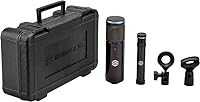
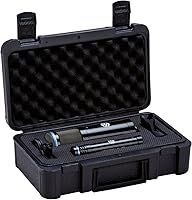
  • Included Items: The pack includes two condenser microphones and at least one stand mount accessory; XLR cables are not confirmed as included components.
  • Form Factor: The microphones are designed in a studio side-address body style suitable for use on boom arms, desk stands, and standard mic stands with compatible threading.
  • Color: Both microphones are finished in black.
  • Manufacturer: Sterling Audio is the listed manufacturer and brand owner responsible for this product.
  • Release Date: This product was first made available in August 2017.
  • UPC: The Universal Product Code registered for this bundle is 656238044165.

Related Reviews
Audio-Technica AT2041SP Studio Pack
81%
91%
Vocal Recording Performance
84%
Acoustic Instrument Capture
88%
Value for Money
82%
Build Quality
86%
Noise Floor & Signal Clarity
More
CAD Audio U37 USB Condenser Microphone

75%
78%
Audio Clarity
96%
Ease of Setup
67%
Noise Rejection
88%
Value for Money
61%
Build Quality
More
MXL V63M Condenser Studio Microphone
75%
83%
Sound Quality
81%
Build Quality
86%
Vocal Performance
74%
Noise Performance
79%
Value for Money
More
Audio-Technica AT875R
83%
93%
Sound Rejection
94%
Form Factor & Compactness
88%
Vocal Clarity
82%
Handling Noise Reduction
86%
Build Quality & Durability
More
Studio Projects C1 Large-Diaphragm Condenser Microphone
80%
91%
Sound Quality
89%
Capsule Performance
88%
Build Quality
86%
Value for Money
47%
Accessories Included
More
CAD Audio M179 Condenser Microphone
85%
88%
Sound Quality
82%
Build Quality
91%
Polar Pattern Versatility
85%
Noise Reduction (Pop Filter)
87%
Ease of Use
More
Audio-Technica AT2021 Cardioid Condenser Microphone
77%
91%
Instrument Recording
84%
Sound Quality
86%
Value for Money
61%
Ease of Setup
63%
Vocal Performance
More
MXL MCA-SP1 Studio Condenser Microphone
73%
77%
Audio Clarity
84%
Build Quality
81%
Value for Money
58%
Ease of Setup
69%
Noise Rejection
More
Audio-Technica AT4022 Omnidirectional Condenser Microphone
82%
93%
Sound Accuracy
89%
Build Quality
91%
Noise Floor
78%
Polar Pattern Utility
84%
Compatibility
More
Audio-Technica AT4040
83%
92%
Sound Transparency
88%
Build Quality
86%
Transient Response
83%
Value for Money
84%
Off-Axis Rejection
More

FAQ

Yes — the Sterling Audio SP150/130 Studio Condenser Microphone Pack requires an audio interface that supplies 48V phantom power, and it will not function plugged directly into a computer or mobile device. You will also need at least two XLR cables, which are not confirmed as included in the bundle. Entry-level interfaces like the Focusrite Scarlett 2i2 or PreSonus AudioBox are popular and affordable starting points that pair well with condensers at this tier.

They are two distinct microphones with different designs. The SP150 is a large-diaphragm condenser well suited to vocals and close-miking applications, while the SP130 is a small-diaphragm condenser that excels on acoustic instruments and higher-frequency transient detail. Having both in one bundle gives you more recording flexibility than buying two of the same mic.

No — neither microphone has a USB connection, so a direct computer hookup is not possible. You need an audio interface with an XLR input and phantom power as an intermediary between the mics and your computer. If plug-and-play simplicity is your priority, a dedicated USB condenser microphone would be a more straightforward route.

Honestly, untreated rooms are where condensers in this range tend to struggle the most. The 78 dB signal-to-noise ratio is adequate in a quiet environment, but a bare, reflective space will introduce noticeable room sound, echo, and ambient noise into your recordings. Even simple acoustic treatment — hanging moving blankets, recording inside a closet, or placing soft furnishings around you — makes a meaningful difference with mics this sensitive.

The AT2020 is a single large-diaphragm condenser that's widely considered a reliable benchmark in this price range, offering a slightly lower noise floor and more consistent performance across different preamp qualities. The SP150/130 pack trades some of that individual performance ceiling for dual-microphone versatility at a comparable or lower combined cost. If you only need one mic and want a safe, proven choice for solo vocal work, the AT2020 is hard to argue against — but if you need two mics, this condenser mic bundle makes a compelling case.

Yes, the dual-mic format is genuinely practical for that exact setup. The cardioid polar pattern on each mic helps reduce bleed between the two positions, which keeps your editing cleaner. Just make sure your audio interface has at least two phantom-powered XLR inputs — some entry-level single-input interfaces won't cover both hosts at once.

XLR cables are not confirmed as part of this bundle based on the listed included components. Budget at least two XLR cables into your setup cost before you start recording. It is worth spending a little more on decent cables from brands like Mogami or Hosa, as low-quality cables can introduce noise and connectivity issues that are easy to mistake for a microphone problem.

It can, and this is something buyers often underestimate. These condensers are sensitive enough to reflect the quality of whatever preamp is driving them — pair them with a very low-end interface and you are likely to hear more background hiss than you would with a mid-tier option. You do not need expensive outboard gear, but avoiding the absolute cheapest interfaces available will noticeably improve your results with the SP150/130 pack.

Absolutely — recording acoustic instruments is one of the strongest use cases for having two different condenser microphones at the same time. A common approach is to position the large-diaphragm SP150 near the soundhole and the small-diaphragm SP130 toward the upper neck, then blend the two signals for a fuller, more dimensional sound. Even basic two-mic setups like this tend to produce noticeably richer results than a single microphone alone.

A basic stand mount is included, but a dedicated shock mount is a worthwhile additional investment if your desk or floor picks up any vibration or footfall. Most standard 5/8-inch threaded shock mounts will fit, and inexpensive options work perfectly well for home studio use. A boom arm or desktop mic stand completes the setup and gives you more flexibility in mic placement than a fixed stand allows.