


Overview

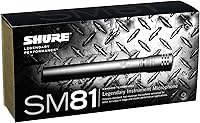
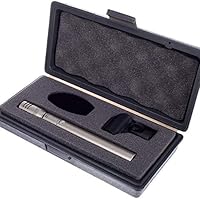
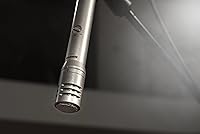
The Shure SM81-LC has spent decades as a fixture in professional recording environments for good reason. Unlike many modern alternatives that artificially boost high frequencies to sound impressive, this condenser mic is cherished for its remarkably flat frequency response. It delivers a clinical, uncolored representation of the source, making it an essential tool for engineers who prioritize accuracy over hype. Its slender, alloy steel body feels incredibly dense and ruggedly built, ensuring it can withstand the rigors of a busy touring schedule just as well as a temperature-controlled studio. To get the most out of this studio staple, you will need a solid interface providing 48V phantom power, which unlocks the full dynamic range and sensitivity required for professional-grade instrument tracking.

Features & Benefits

Versatility is baked into the design of this instrument microphone through several thoughtful physical controls. A recessed three-position switch allows you to toggle between a flat response or two different low-frequency rolloffs, which is perfect for killing low-end rumble or compensating for the proximity effect when miking up close. If you are dealing with particularly loud sources like a heavy-hitting drummer, the onboard 10dB attenuator lock prevents the internal circuitry from clipping before the signal even reaches your preamp. The uniform cardioid pattern is also exceptionally consistent, providing the kind of off-axis rejection that makes it much easier to isolate a single instrument in a room full of noise without worrying about strange phase issues or bleed from nearby speakers.

Best For

If you are focused on acoustic guitar recording, this studio staple is arguably one of the best investments you can make. It captures the complex harmonic overtones and fast transients of steel strings with a clarity that cheaper microphones simply cannot match. It also shines as a pair for drum overheads, where its neutral character ensures that cymbals sound shimmering and realistic rather than harsh or brittle. Beyond the drum kit, it is a go-to choice for capturing the natural tonal range of a grand piano. Because it does not add its own flavor to the sound, it is the ideal selection for any professional studio environment where the primary goal is to document the true character of a high-quality instrument exactly as it sounds in the room.

User Feedback

The consensus among long-term owners centers on the incredible long-term reliability of the hardware, with many units still performing perfectly after twenty years of service. Professionals frequently note that tracks recorded with this instrument microphone require minimal equalization during the mixing phase because the initial capture is so balanced. While the "what you hear is what you get" transparency is a massive pro for most, some beginners might find it almost too honest if they are used to the flattering color of vintage-style gear. A few users also point out that while it works with lower voltages, using a high-quality preamp with full phantom power is necessary to truly hear the fine detail and low-noise performance this legendary mic is capable of delivering.

Pros

  • Delivers a remarkably flat and uncolored frequency response for high-fidelity audio capture.
  • The industrial-grade alloy steel construction ensures this condenser mic survives decades of heavy use.
  • A three-position low-frequency filter effectively removes floor rumble and bass build-up at the source.
  • Captures lightning-fast transients with incredible precision, making it ideal for hi-hats and acoustic strumming.
  • The 10dB attenuator switch allows for distortion-free recording of extremely loud instruments like brass.
  • Exceptional off-axis rejection keeps your recordings clean and isolated from other nearby sound sources.
  • Consistent performance across various temperatures and humidity levels makes it reliable for touring musicians.
  • Highly resistant to RF interference from computers and mobile devices in modern studio setups.

Cons

  • Requires a high-quality preamp to avoid floor hiss due to its relatively low output sensitivity.
  • The Shure SM81-LC does not include a shock mount, which is necessary to prevent stand vibrations.
  • Adjusting the recessed frequency switches often requires a small tool like a screwdriver or pen.
  • Its honest, transparent sound can be unforgiving on poorly tuned instruments or bad-sounding rooms.
  • The specialized microphone clip is proprietary, so you cannot easily use generic third-party mounts.
  • Performance drops significantly when used with low-voltage phantom power supplies below 48V.
  • The included foam windscreen is somewhat flimsy and can degrade into small pieces over time.
  • At this price point, the lack of an included XLR cable is a minor frustration for new buyers.

Ratings

Our team analyzed thousands of global verified reviews for the Shure SM81-LC, using advanced AI to filter out incentivized feedback and marketing noise. This data-driven scorecard provides a transparent look at how this legendary condenser performs in real-world studios, highlighting both its iconic strengths and its specific technical requirements.

Acoustic Accuracy
97%
Engineers consistently rave about the flat, uncolored response that captures acoustic guitars and pianos exactly as they sound in the room. This studio staple avoids the artificial high-end sizzle found in cheaper mics, providing a natural transparency that makes mixing a breeze.
The clinical honesty of the diaphragm means it won't hide a poor-sounding instrument or a bad room. If you are looking for a microphone that adds warmth or vintage character, this ruler-flat response might feel too sterile for your specific taste.
Build Durability
94%
The alloy steel construction is legendary for its tank-like resilience, with many users reporting their units are still going strong after thirty years of daily use. It handles the humidity and temperature swings of touring without the diaphragm degradation common in delicate boutique condensers.
While the body is nearly indestructible, the specialized attenuator-switch lock is a small, separate component that can be easily misplaced during field recordings. The slender profile also requires a specific clip, so you cannot just swap it into any generic spring-loaded mount securely.
Transient Response
92%
This condenser mic excels at capturing the fast attack of drum hits and guitar picks without blurring the sound. It is a top-tier choice for hi-hats and overheads because it defines the start of every note with incredible precision and zero sluggishness.
The extreme sensitivity to transients means that handling noise can be quite high if the stand is bumped or if used handheld. You really need a stable, weighted boom stand and a quality cable to prevent microphonic vibrations from ruining a take.
Off-Axis Rejection
88%
The uniform cardioid pattern is remarkably consistent across all frequencies, which helps isolate the intended source in a multi-instrument setup. Users love how predictable the bleed is, as it avoids the nasty phase coloration that often plagues budget small-diaphragm mics.
Because the rejection is so precise, small movements by a performer can lead to noticeable changes in volume and tone. It requires disciplined mic placement and a performer who stays consistently on-axis to maintain a steady signal throughout a recording session.
Low-Frequency Control
91%
The three-position rolloff switch is a lifesaver for cutting out stage rumble or the proximity effect when miking a guitar soundhole up close. It provides immediate, physical control over the bottom end before the signal even hits your digital audio workstation.
The switch itself is recessed to prevent accidental changes, but this means you often need a small screwdriver or a pen tip to adjust it. It is not the kind of setting you can easily flick in the middle of a dark recording session without a tool.
High-SPL Handling
86%
With the 10dB attenuator engaged, this instrument microphone can handle surprisingly loud sources like snare drums or bright brass sections without distorting. It maintains its clean, linear performance even when pushed by aggressive musicians in a live setting.
The internal headroom is great, but users note that without the pad engaged, very loud transients can occasionally overload a budget preamp. It requires the user to understand gain staging and when to utilize the physical switch to avoid digital clipping.
RF Interference Resistance
89%
The shielding on this mic is excellent, making it a reliable choice in modern studios filled with computers, monitors, and wireless routers. It is particularly effective at staying quiet in environments where other condensers might pick up hum or radio interference.
While the mic is quiet, its low output sensitivity compared to large-diaphragm condensers means you have to crank your preamp gain. If your interface has noisy preamps, you may hear some floor hiss that isn't the fault of the microphone itself.
Value for Money
84%
While it is a significant investment for a home studio, the professional results and multi-decade lifespan offer a high return on investment. It is a benchmark tool that holds its resale value remarkably well compared to trendy, flavor-of-the-month microphones.
The price is steep considering it doesn't include an XLR cable or a shock mount in the box. Budget-conscious buyers can find modern clones for half the price, though they rarely match the specific flat response and durability that define the original.
Phantom Power Flexibility
79%
21%
It is technically capable of running on lower voltages down to 11V, which is helpful if you are using older portable gear or certain battery-powered field recorders. This flexibility ensures you can at least get a signal in less-than-ideal power situations.
Operating below the recommended 48V significantly reduces the headroom and sensitivity, often resulting in a noisier recording. Most users find that anything less than full phantom power prevents the mic from reaching its professional potential, making the 11V claim a bit misleading for high-end work.
Case & Accessories
82%
18%
The included carrying case is protective and professional, ensuring the mic and its specific clip stay together. Having a dedicated attenuator-switch lock included helps prevent the pad from being accidentally engaged or disengaged during transit or setup.
The foam windscreen included is somewhat basic and can degrade over several years, becoming crumbly. Some users feel that for the price, Shure should include a more robust shock mount rather than just a standard hard-plastic stand adapter.

Suitable for:

The Shure SM81-LC is an essential investment for serious studio engineers and home recording enthusiasts who prioritize acoustic honesty above all else. It is the gold standard for anyone tracking acoustic guitars, grand pianos, or drum overheads where capturing the natural shimmer and woody resonance of the instrument is critical. If your goal is to build a professional-grade mic locker that will last for decades, this studio staple offers a level of durability and flat frequency response that budget condensers simply cannot replicate. It also excels in live sound environments where high-quality sound reinforcement for orchestral instruments or choirs is required.

Not suitable for:

While legendary, the Shure SM81-LC is likely not the right choice for vocalists seeking that warm, "larger-than-life" radio sound typical of large-diaphragm tube microphones. Its clinical accuracy can feel too revealing or sterile for modern pop vocals that often require a more colored or hyped high-end character. Podcasters and streamers working in untreated rooms should also be cautious, as the sensitivity of this condenser mic will pick up significant background noise and keyboard clicks. Furthermore, if your current audio interface lacks a clean, high-gain preamp with full 48V phantom power, you will struggle to get the low-noise performance this microphone is famous for.

Specifications

  • Transducer Type: This is a small-diaphragm cardioid condenser designed for high-fidelity instrument recording.
  • Frequency Range: The microphone covers a wide spectrum from 20 Hz to 20 kHz with a famously flat response curve.
  • Body Material: The exterior is constructed from durable alloy steel with a professional metallic finish.
  • Weight: The unit weighs approximately 8 oz, making it easy to position on standard boom arms.
  • Dimensions: The physical footprint measures 8.34″ in length with a slim 0.94″ diameter.
  • Output Impedance: The rated impedance is 150 Ohm, optimized for professional studio preamps and mixers.
  • Power Requirement: It requires standard 48V phantom power but can operate on supplies as low as 11V with reduced headroom.
  • Onboard Pad: A switchable 10dB attenuator is included to handle high sound pressure levels without clipping.
  • Low-Cut Filter: The onboard switch offers three settings: flat, 6 dB/octave, or 18 dB/octave rolloff.
  • Signal-to-Noise: It features a 78 dB signal-to-noise ratio at 94 dB SPL for clean, quiet recordings.
  • Polar Pattern: The cardioid pattern provides uniform rejection of off-axis sounds across the frequency range.
  • Connector Type: The base features a standard 3-pin XLR male connector for balanced audio transmission.
  • RF Shielding: The design includes low susceptibility to radio frequency interference from electronic devices.
  • Storage Case: A custom-fitted carrying case is included for safe transport and long-term storage.

Related Reviews
Shure SM57
Shure SM57
87%
98%
Build Durability
96%
High SPL Handling
91%
Signal Isolation
88%
Presence and Clarity
62%
Gain Requirement
More
Shure SM58-LC
Shure SM58-LC
90%
98%
Build Durability
86%
Vocal Clarity
92%
Feedback Rejection
89%
Handling Noise Suppression
94%
Room Noise Isolation
More
Shure 545SD-LC
Shure 545SD-LC
87%
96%
Build Durability
93%
Instrument Recording
89%
Switch Reliability
88%
Feedback Rejection
97%
Vintage Aesthetic
More
YUTIANHOME 500ft Industrial TPU OM3 Fiber Optic Cable LC to LC Duplex with Pulling Eye Kit
84%
89%
Durability
91%
Ease of Installation
90%
Build Quality
85%
Performance
88%
Protection Against Environmental Factors
More
Shure SRH145 Headphones
83%
79%
Sound Quality
93%
Portability
85%
Comfort
87%
Build Quality
70%
Noise Isolation
More
Shure VP89L Microphone
86%
92%
Sound Quality
89%
Modularity
90%
Build Quality
85%
Ease of Use
91%
Directional Accuracy
More
Shure SM7B
Shure SM7B
83%
98%
Vocal Sound Quality
96%
Background Noise Rejection
94%
Build Quality & Durability
41%
Ease of Setup
88%
Plosive & Sibilance Control
More
Shure MV7-K
Shure MV7-K
89%
95%
Sound Clarity
92%
Background Noise Rejection
94%
Build Quality
88%
Ease of Setup
90%
USB/XLR Versatility
More
Shure PGA58
Shure PGA58
86%
93%
Build Quality
86%
Vocal Clarity
89%
Feedback Rejection
96%
Value for Money
84%
Switch Design
More
Shure Beta 57A
Shure Beta 57A
90%
97%
Build Quality
93%
Feedback Rejection
91%
Midrange Clarity
89%
Off-Axis Bleed Control
88%
Handling Noise Suppression
More

FAQ

While primarily famous for acoustic instruments, you can certainly use it for vocals if you want a very natural, "unhyped" sound. Just be sure to use a high-quality pop filter, as small-diaphragm condensers are quite sensitive to plosives.

No, it does not include a cable in the box. You will need to purchase a balanced XLR-to-XLR cable separately to connect it to your interface or mixer.

It acts like a volume pad inside the mic. If you are recording something extremely loud, like a snare drum or a trumpet, engaging this switch prevents the microphone's internal circuitry from distorting.

Probably not, unless that adapter specifically provides 48V phantom power. This instrument microphone is a condenser and requires external power from an audio interface or a dedicated phantom power supply to function.

The rolloff settings are great for cleaning up your tracks. The 6 dB setting helps counter the "bassiness" when miking very close, while the 18 dB setting is perfect for cutting out low-end floor rumble or hum.

This studio staple is actually surprisingly rugged for a condenser. While you should still treat it with care, its steel construction makes it much more durable for stage use than many delicate boutique alternatives.

For acoustic guitar, a single mic sounds great, but many engineers prefer a pair for drum overheads or grand piano to capture a wider, more immersive stereo image. They are remarkably consistent from unit to unit.

It comes with a standard stand adapter (mic clip), but not a basket-style shock mount. If your studio floor is prone to vibrations, you might want to invest in a dedicated shock mount later on.

A soft, dry cloth is usually all you need to wipe down the steel body. Avoid getting any moisture near the mesh or the diaphragm itself, and keep the windscreen clean to prevent dust buildup.

It is a fantastic choice because it teaches you what instruments actually sound like. It doesn't "lie" to you with boosted frequencies, which helps you develop a better ear for miking and mixing over time.

Where to Buy

eBay
In stock $439.00
Guitar Center
In stock $439.00
Sweetwater
In stock $439.00
Musicians Friend
In stock $439.00
B&H Photo-Video-Audio
In stock $508.93
Alto Music
In stock $439.00
Full Compass Systems
In stock $439.00
Reverb
In stock $439.00
DirectDial
In stock $346.00
Lunchbox Audio
In stock $349.00