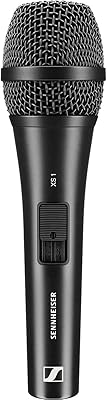
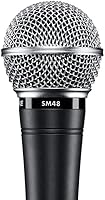
Shure SM48 Handheld Dynamic Microphone
Overview
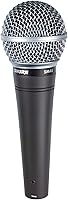
The Shure SM48 Handheld Dynamic Microphone has been a go-to entry-level option for vocalists and presenters since 2004 — a long run that says something real about its reliability. Shure built its name on mics that survive touring, and this dynamic mic carries that DNA at an accessible price point. One important note upfront: it uses XLR connectivity exclusively, so you will need a mixer, PA system, or audio interface to get sound out of it — there is no plug-and-play USB option here. Think of the SM48 as a workhorse, not a precision studio tool. Solid, practical, and dependable.
Features & Benefits
The cardioid polar pattern is the SM48's most practical live asset — it focuses on the source directly in front while naturally rejecting noise from the sides and rear, cutting down on stage feedback significantly. A built-in pop filter handles plosive sounds without needing foam tape over the capsule, and the shock-mounted cartridge keeps handling rumble out of the signal when the mic gets passed around or clipped onto a stand mid-set. The all-metal body feels genuinely solid in hand. It ships with a stand adapter and a small carrying bag, so the basics are covered without extra spending on day one.
Best For
This dynamic mic makes the most sense for people stepping into XLR audio for the first time — vocalists, community theater groups, churches buying stage mics in small batches, or presenters who need something dependable through a PA system. It is also a reasonable choice for podcasters and streamers who already own an interface and want to move past a flimsy USB option. Where it fits less cleanly is in settings demanding a wide, airy high-end response. For rehearsal rooms and karaoke setups, the sheer durability alone tips the scales in its favor.
User Feedback
People who buy this Shure vocal mic tend to fall into one of two camps: genuinely satisfied with the value, or mildly let down after comparing it to Shure's SM58. The build quality consistently draws praise — the metal housing feels far more substantial than its price tier implies. In live settings, feedback rejection comes up repeatedly as a reliable strength across many user accounts. On the critical side, the high-frequency response is noticeably rolled off, producing a warm, mid-forward character that flatters some voices more than others. The included carrying bag gets called out often as feeling cheap — a fair knock on an otherwise well-constructed package.
Pros
- The all-metal body genuinely feels built to last, surviving drops and rough handling that would kill cheaper mics
- Cardioid pickup pattern does a reliable job controlling feedback on stage, even in smaller untreated rooms
- No phantom power required, so it works with virtually any mixer or PA system out of the box
- Built-in pop filter reduces plosive bursts without needing foam windscreens or external accessories
- Ships with a stand adapter and carrying bag, covering the basics without extra day-one purchases
- Warm, mid-forward sound character works particularly well for lower and mid-range male vocals
- Shock-mounted cartridge keeps handling noise out of the signal when the mic moves around during use
- Two decades on the market with consistent availability and easy replacement parts give it long-term value
- Does not require batteries or any power source beyond the XLR connection itself
Cons
- High-frequency response rolls off noticeably, making brighter voices sound slightly muffled compared to pricier alternatives
- XLR-only output means first-time buyers must also budget for a mixer or audio interface separately
- The included carrying bag feels flimsy and cheap relative to the solid build quality of the mic itself
- Vocal detail and airiness fall short of what even a budget condenser microphone can deliver in a quiet studio
- Gain-hungry preamps may need to push harder to get a clean, full-volume signal from this dynamic mic
- Not ideal for instruments or spoken word applications that benefit from a wider, more extended frequency range
- Side-by-side comparisons with the SM58 reveal a noticeable gap in high-end clarity that some buyers do not expect
Ratings
The scores below for the Shure SM48 Handheld Dynamic Microphone were generated by our AI engine after analyzing thousands of verified global user reviews, with spam, bot submissions, and incentivized feedback actively filtered out. Every category reflects the honest distribution of real buyer experiences — strengths and frustrations alike — so you can make a genuinely informed decision rather than one based on curated highlights.
Build Quality
Value for Money
Sound Quality
Feedback Rejection
Handling Noise
Plosive Control
Ease of Setup
Compatibility
Durability Over Time
Included Accessories
Vocal Presence
Weight & Ergonomics
Stage Reliability
Suitable for:
The Shure SM48 Handheld Dynamic Microphone is a strong match for anyone stepping into live audio for the first time without wanting to gamble on an unknown brand. Beginner vocalists, open-mic regulars, and amateur bands will find it handles stage environments competently and survives the inevitable drops and knocks that come with learning the ropes. Schools, community theaters, and houses of worship often buy several at once precisely because the durability-to-cost ratio makes bulk purchases sensible rather than risky. Public speakers and presenters running through a PA system will appreciate how well it controls feedback in reverberant rooms. Podcasters and streamers who already own an XLR interface and want to move away from cheap USB mics will get a meaningful audio quality step-up without a painful outlay.
Not suitable for:
The Shure SM48 Handheld Dynamic Microphone is not the right call for anyone prioritizing crisp, extended high-frequency detail — the frequency response is deliberately voiced for warmth and mid-range presence, which leaves some vocalists, especially those with brighter voices, sounding slightly dull on the top end. Recording engineers or home studio owners tracking vocals for professional release will quickly feel limited by what this dynamic mic can resolve compared to even a modest large-diaphragm condenser. It is also a poor fit for buyers expecting a plug-and-play experience, since XLR-only output means a mixer or audio interface is a required additional purchase — a hidden cost that catches many beginners off guard. Anyone comparing it directly to the SM58 for a significant vocal performance upgrade will likely find the difference smaller than the marketing distance between the two models suggests.
Specifications
- Microphone Type: Handheld dynamic microphone with a shock-mounted cartridge designed primarily for vocal applications.
- Polar Pattern: Cardioid (unidirectional), capturing sound from the front while rejecting noise from the sides and rear.
- Connector: Single XLR output, requiring a compatible mixer, PA system, or audio interface to operate.
- Phantom Power: Phantom power is not required; the mic draws no power from the signal chain beyond the XLR connection itself.
- Pop Filter: A built-in integrated pop filter is included to reduce plosive sounds without needing external accessories.
- Body Material: The outer shell is constructed from metal alloy, providing road-ready durability for live and rehearsal use.
- Capsule Material: The internal capsule housing is made from plastic, standard for dynamic mics in this category.
- Weight: The mic weighs 1.25 pounds, making it comfortable for extended handheld use during performances or presentations.
- Dimensions: Overall dimensions measure 10 x 5 x 3.5 inches, consistent with a standard full-size handheld dynamic form factor.
- Channels: Single-channel mono output, transmitting one audio signal through the XLR connection.
- Compatible Devices: Works with amplifiers, audio mixers, PA systems, and computers equipped with an XLR-compatible audio interface.
- Included Accessories: Package includes a swivel stand adapter and a soft carrying and storage bag.
- Power Source: Corded electric operation via XLR; no batteries are needed for standard microphone use.
- Frequency Response: Frequency response is tailored and voiced for vocal use, with a warm mid-forward character and a natural roll-off in the upper frequencies.
- Available Since: This model has been in continuous production and available on the market since July 2004.
- Manufacturer: Designed and manufactured by Shure Incorporated, a company with a longstanding reputation in professional audio equipment.
- Model Number: The unit is sold under the model designation SM48-LC, where LC indicates the mic ships without a cable included.
Related Reviews

Shure SM63LB Omnidirectional Dynamic Microphone
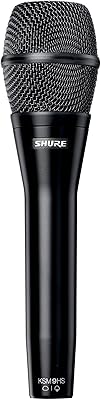
Shure KSM9HS Condenser Handheld Vocal Microphone
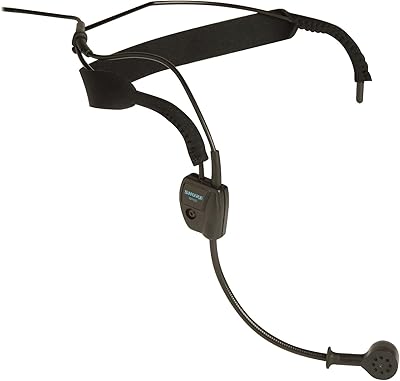
Shure WH20TQG Dynamic Headset Microphone
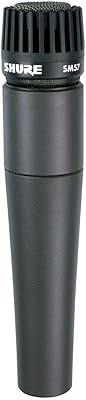
Shure SM57
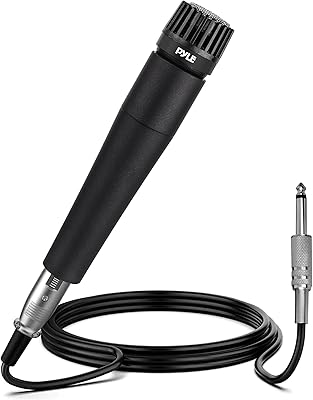
Pyle PDMIC78 Dynamic Handheld Microphone
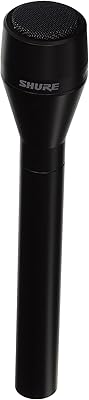
Shure VP64A Omnidirectional Handheld Microphone

Shure 545SD-LC