Overview

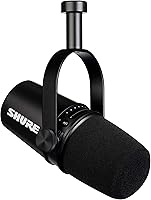
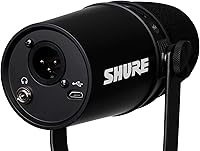
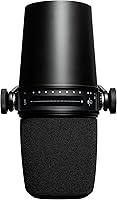
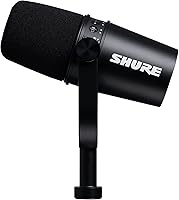
The Shure MV7 USB/XLR Dynamic Microphone occupies a smart middle ground between casual USB mics and full professional XLR setups, and that positioning is exactly what makes it worth considering. Shure has been building microphones for broadcast and stage use for decades, so there is genuine engineering behind this thing, not just branding. The all-metal build makes that clear the moment you pick it up; it feels serious. Worth noting upfront: this is a dynamic mic, not a condenser. That means it is less sensitive overall, but background noise rejection is considerably better, which matters a lot if you are recording in an untreated bedroom or home office.

Features & Benefits

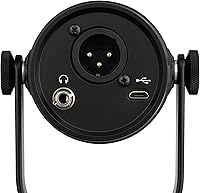
The dual USB and XLR output is the MV7's defining practical advantage. Plug it straight into your computer via USB today, and when you are ready for an audio interface, switch to XLR without replacing anything. The built-in headphone jack with zero-latency monitoring is genuinely useful — you hear yourself in real time without the annoying delay that plagues some USB mics. On-body touch controls let you adjust gain and headphone volume on the fly. For users who want more control, the ShurePlus MOTIV app unlocks EQ and compression settings that go well beyond what the hardware alone offers, a meaningful bonus for anyone serious about consistent tone across recordings.

Best For

This dynamic mic is built for people who need reliable audio without a complicated setup. Podcasters recording in untreated rooms will appreciate how little ambient noise bleeds in compared to condenser alternatives. Streamers and gamers get broadcast-quality voice audio without needing an audio interface at all. It also makes a strong case for voice-over artists and remote workers who want plug-and-play reliability across sessions. The real sleeper use case is for creators who know they will eventually upgrade to an XLR interface — the MV7 grows with that ambition rather than becoming obsolete. It works across PC, Mac, and most smartphones, making it genuinely adaptable to different workflows.

User Feedback

Across thousands of verified purchases, the most consistent praise centers on vocal warmth and clarity — buyers report their recordings sound polished without heavy post-processing, which is a big deal for solo creators without production teams. Long-term owners also frequently mention that the build quality holds up well after years of regular use. On the critical side, new users are often caught off guard by how close you need to position this dual-output microphone to get optimal results; back off too far and the audio thins out noticeably. The touch controls draw occasional complaints about accidental activation during live sessions, and anyone bothered by desk vibration should note that a shock mount is sold separately.

Pros

  • Dual USB and XLR outputs mean you can start simple and upgrade your signal chain without replacing the mic
  • Background noise rejection is strong enough for untreated rooms, a real advantage over condenser alternatives
  • Built-in zero-latency headphone monitoring lets you hear yourself clearly during recording without extra hardware
  • All-metal construction feels and performs like a long-term investment, not a product you replace in two years
  • The ShurePlus MOTIV app adds meaningful EQ and compression control for users who want dialed-in tone consistency
  • Warm, full-bodied vocal output sounds polished with minimal post-processing, which saves real editing time
  • Both USB-A and USB-C cables are included in the box, covering most modern setups immediately
  • TeamSpeak certified and broadly compatible across PC, Mac, and most smartphones without driver headaches
  • Touch controls for gain and headphone volume make real-time adjustments quick during live sessions
  • Long-term owners consistently report reliable performance over years of regular daily use

Cons

  • Mic must be positioned very close to your mouth to sound its best, which limits flexible placement options
  • A shock mount is not included, and desk vibration can bleed into recordings without one
  • Touch-sensitive controls are prone to accidental activation, a genuine nuisance during live streams or recordings
  • Heavier than most USB-only competitors at 2.2 pounds, which puts real stress on lightweight boom arms
  • Lightning adapter for iPhone is not included, making mobile use on iOS require an additional purchase
  • The dynamic capsule is less sensitive than condensers, so it is a poor fit for instrument recording or room ambience
  • Buyers already owning an XLR interface are paying for USB hardware they may never actually use
  • No onboard mute button, which is a notable omission for streamers who need quick silencing during sessions
  • ShurePlus MOTIV app control adds useful features but requires a separate device to access during recording
  • Yoke mount included in the box offers no vibration isolation, making the shock mount omission more impactful

Ratings

The scores below reflect an AI-assisted analysis of verified global buyer reviews for the Shure MV7 USB/XLR Dynamic Microphone, with spam, bot-generated, and incentivized feedback actively filtered out before scoring. Each category is rated on real-world patterns — both what users genuinely loved and where frustrations surfaced most consistently. Nothing is glossed over, and the scores reflect that honestly.

Audio Quality
91%
Buyers across podcasting, streaming, and voice-over communities consistently describe the vocal output as warm and broadcast-ready without heavy post-processing. The dynamic capsule produces a natural fullness that makes voices sound confident and present, which is a meaningful advantage for solo creators working without audio engineers.
Users with higher-pitched voices occasionally find the low-mid emphasis a little heavy, and some note the sound can feel slightly compressed compared to a high-end condenser in a treated room. For music recording or detailed acoustic capture, the tonal character is a deliberate mismatch.
Background Noise Rejection
89%
The cardioid dynamic capsule earns consistent praise from users recording in apartments, shared offices, and untreated rooms where background noise is unavoidable. HVAC hum, keyboard clicks, and room echo are substantially reduced compared to condenser alternatives, often without any additional noise gate needed.
The MV7 is not completely immune to low-frequency rumble, particularly from desk vibrations caused by typing or nearby foot traffic. Without a shock mount — which is not included — some users report a subtle but persistent thud or rumble that affects otherwise clean recordings.
Build Quality
93%
The all-metal construction is one of the most frequently praised physical attributes across long-term owner reviews. Users who have recorded daily for two or more years report zero degradation in the chassis or connection points, which stands in sharp contrast to plastic-bodied USB mics in a similar price range.
The weight, at 2.2 pounds, is the flip side of that solid build — lighter or budget-grade boom arms struggle to hold it securely over time, and some users report arm creep or instability. This adds an unplanned cost if your existing stand was bought for a lighter mic.
Ease of Setup
88%
Plug-and-play USB operation is a genuine strength here — most users report being fully set up and recording within minutes of unboxing, with no driver installation required on Windows or macOS. For streamers and remote workers who need reliable audio without technical overhead, this simplicity is a consistent selling point.
Mobile setup is less smooth; iOS Lightning users need a separately purchased adapter that is not included, and the omission catches some buyers off guard. First-time users unfamiliar with gain staging also occasionally struggle to find the optimal input level before their first recording session.
Onboard Controls
71%
29%
The touch-sensitive controls for gain and headphone volume are genuinely convenient during active recording sessions, letting you make quick adjustments without diving into software menus. For livestreamers who need to respond fast, having physical control on the mic body is a practical advantage over software-only solutions.
The touch panels are prone to accidental activation, which is one of the most commonly repeated complaints among regular users. Brushing the mic body while adjusting a stand or shifting position mid-session can unexpectedly shift your gain levels, a real problem during live streams where there is no opportunity to fix it in post.
Value for Money
78%
22%
The dual USB and XLR output effectively means buyers are purchasing future-proofing alongside current functionality — the MV7 does not become obsolete the moment you add an audio interface to your setup. For creators who plan to scale their studio over time, that long-term utility justifies the price relative to single-output competitors.
Buyers who already own an XLR interface and have no use for USB output are paying a premium for hardware they will never use. The separately sold shock mount also adds real cost to the total ownership price, which makes the value calculation less clean than the box price suggests.
Headphone Monitoring
84%
Zero-latency direct monitoring through the built-in 3.5mm jack is a feature that podcasters and streamers specifically call out as a reason they chose this mic over alternatives. Hearing yourself in real time without any digital delay makes it significantly easier to control your voice level and delivery during a long recording session.
The headphone output volume, while adjustable, tops out at a level that some users describe as not quite loud enough in noisy environments or for listeners using high-impedance headphones. There is also no independent control over the mix between mic monitoring and system playback audio directly on the unit itself.
Software & App Integration
76%
24%
The ShurePlus MOTIV app unlocks EQ, compression, and limiter controls that meaningfully extend what the hardware can do on its own, and users who take the time to explore it report noticeably more consistent and polished results across sessions. For creators who want fine-tuned tonal control without a separate DAW, it fills a real gap.
Accessing the app requires a secondary device during recording, which adds friction to what is otherwise a streamlined setup. Some users also report that app updates have occasionally introduced connectivity quirks, and a small number find the interface less intuitive than expected for a product at this price point.
Noise Floor
86%
The 132 dB signal-to-noise ratio translates to noticeably clean recordings in practice — background hiss is minimal even at higher gain settings, which reduces the need for noise reduction plugins during editing. Voice-over artists in particular appreciate how little cleanup work is required before audio is ready to deliver.
At very high gain settings, some low-level self-noise does creep in, which is worth knowing for anyone recording in a very quiet environment who pushes the gain aggressively. This is a minor issue for most use cases but worth flagging for users with very sensitive monitoring setups.
Microphone Placement Flexibility
62%
38%
For users who build their setup around close-mic technique — which is standard practice in professional podcasting and broadcast — the MV7 performs exactly as expected and rewards disciplined mic positioning with consistently full and warm audio.
The close-positioning requirement is a frequent pain point for buyers who expected more flexibility, particularly those coming from condenser mics with wider pickup patterns. Users who cannot position the mic within a few inches of their mouth due to desk constraints or ergonomic preferences will consistently find the audio thinner and less impressive than reviews suggest.
Compatibility
82%
18%
Cross-platform USB compatibility is solid across Windows, macOS, and Android, and the TeamSpeak certification confirms reliable performance in voice communication applications beyond standard recording software. The included USB-A and USB-C cables cover most modern desktop and laptop configurations right out of the box.
Lightning compatibility for older iPhones requires a separately purchased adapter, which is a notable gap for mobile content creators. Smartphone compatibility in general requires more workarounds than the marketing implies, and the experience is less polished than desktop use.
Durability Over Time
92%
Long-term owner reviews are unusually consistent in their praise of how well this mic holds up — users reporting two, three, or more years of daily recording without any degradation in audio performance or physical integrity. The all-metal build appears to live up to its appearance in real-world use.
The touch control panel surface has drawn occasional reports of responsiveness changes over extended use, though this appears to be a minority experience rather than a widespread durability concern. The yoke mount, while sturdy, can show wear at the tilt adjustment points with heavy daily repositioning.
Vibration Isolation
53%
47%
Users who work on isolated, vibration-free surfaces — like a well-dampened studio desk or a mic stand positioned away from the work surface — report clean, rumble-free recordings without any additional accessories. In those conditions, the included yoke mount handles the job adequately.
The lack of an included shock mount is a meaningful omission at this price point, and users recording on shared desks or in environments with foot traffic frequently report audible desk rumble in their recordings. The shock mount is sold separately, and for many buyers it should be considered a required rather than optional add-on.

Suitable for:

The Shure MV7 USB/XLR Dynamic Microphone is genuinely well-matched to creators who are serious about audio quality but not yet ready — or willing — to build out a full studio chain. Podcasters recording in living rooms, spare bedrooms, or any space without acoustic treatment will find the dynamic capsule forgiving in ways that condenser mics simply are not, since it naturally rejects HVAC hum, keyboard clatter, and ambient room noise without heavy editing afterward. Streamers and gamers benefit from the same noise-rejection qualities, and the USB plug-and-play setup means there is no audio interface standing between them and a clean signal. Remote workers and voice-over artists who move between machines or record on tight schedules will appreciate how reliably it performs across PC, Mac, and even smartphones without fussy driver installations. Perhaps most importantly, this is a strong choice for anyone who plans to eventually upgrade to an XLR-based setup, since the mic grows with that investment rather than becoming a hand-me-down the moment you add an interface.

Not suitable for:

The Shure MV7 USB/XLR Dynamic Microphone is not the right call for every buyer, and being honest about that matters. Musicians tracking instruments, vocalists recording detailed acoustic performances, or podcasters who need to capture a wide room sound will find a dynamic cardioid capsule limiting — condenser mics with broader sensitivity patterns are simply better tools for those applications. This mic also requires close positioning, typically within a few inches of your mouth, to deliver the full-bodied tone it is known for; if your setup does not allow for that kind of placement, the audio thins out and the price premium becomes harder to justify. Budget-conscious buyers should also factor in that a shock mount — genuinely useful for anyone with a desk that transmits vibration — is not included and costs extra. If you are already running an audio interface and have no use for USB output, there are XLR-only dynamic mics at lower price points that cover the same acoustic ground without paying for dual-output hardware you will never use.

Specifications

  • Connectivity: The mic offers both USB and XLR outputs, allowing it to connect directly to a computer or to a professional audio interface.
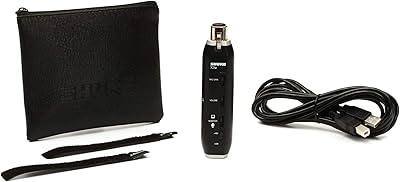
  • Included Cables: The box includes one USB-A to USB-C cable and one USB-C to USB-C cable, each measuring 10 ft / 3m in length.
  • Capsule Type: It uses a dynamic, unidirectional (cardioid) capsule designed to isolate the speaker's voice and reject off-axis ambient noise.
  • Polar Pattern: The unidirectional polar pattern captures sound primarily from the front of the mic and naturally rejects noise from the sides and rear.
  • Frequency Response: The mic covers a frequency range of 20 Hz to 20,000 Hz, suitable for full-range vocal reproduction in speech and broadcast applications.
  • Signal-to-Noise Ratio: The signal-to-noise ratio is rated at 132 dB, indicating a very low noise floor relative to the captured signal level.
  • Audio Sensitivity: Maximum SPL handling is rated at 132 dB, giving the capsule headroom to handle loud close-mic vocal delivery without distorting.
  • Body Material: The entire chassis is constructed from metal, which contributes to both its durability and its weight compared to plastic-bodied competitors.
  • Weight: The microphone weighs 2.2 pounds, which is on the heavier side and should be factored in when selecting a compatible boom arm.
  • Dimensions: The unit measures 4.3 x 12.3 x 5 inches, making it a compact but substantial desktop or boom-mounted microphone.
  • Headphone Output: A built-in 3.5mm headphone jack provides zero-latency direct monitoring so users can hear their voice in real time during recording.
  • Platform Support: The mic is compatible with PC, Mac, and most smartphones; however, iOS users with Lightning ports will need a separate adapter not included in the box.
  • App Support: The ShurePlus MOTIV app for iOS and Android unlocks advanced EQ, compression, and limiter controls beyond the onboard hardware adjustments.
  • Certification: The MV7 is TeamSpeak Certified, confirming its voice clarity and compatibility with TeamSpeak voice communication software.
  • Mount Type: A sturdy yoke-style mount is included for desktop or stand placement, though a shock mount for vibration isolation is sold separately.
  • Onboard Controls: Touch-sensitive panels on the mic body allow direct adjustment of input gain and headphone output volume without opening any software.
  • Power Source: The mic is bus-powered via USB when used in USB mode and requires no external power supply or batteries for standard operation.
  • Channels: It operates as a single-channel (mono) microphone, which is standard for voice recording, podcasting, and broadcast applications.
  • User Rating: The mic holds an average rating of 4.7 out of 5 stars across 6,897 verified ratings on Amazon at the time of this review.
  • Manufacturer: The MV7 is designed and manufactured by Shure Incorporated, a company with a long-standing reputation in professional audio equipment.

Related Reviews
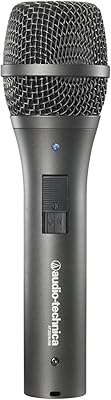
Audio-Technica AT2005USB
88%
93%
Build Durability
88%
Vocal Clarity
91%
Ambient Noise Rejection
96%
Plug-and-Play Simplicity
87%
Zero-Latency Monitoring
More
Shure PGA48-XLR
Shure PGA48-XLR
83%
93%
Build Quality
86%
Vocal Clarity
91%
Value for Money
82%
Feedback Rejection
74%
Handling Noise
More
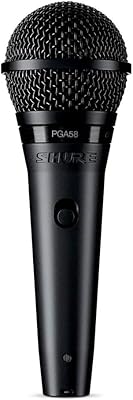
Shure PGA58
Shure PGA58
86%
93%
Build Quality
86%
Vocal Clarity
89%
Feedback Rejection
96%
Value for Money
84%
Switch Design
More
Shure SM63LB Omnidirectional Dynamic Microphone
85%
93%
Build Quality
88%
Audio Clarity for Speech
84%
Omnidirectional Performance
94%
Durability in Field Use
81%
Handling Noise Rejection
More
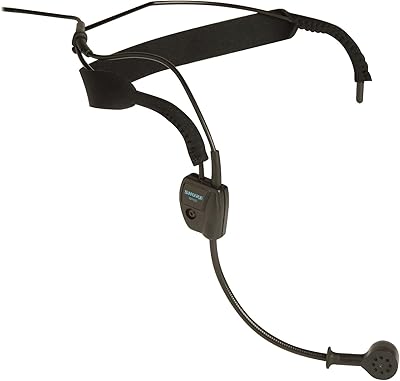
Shure WH20 Dynamic Headset Microphone
85%
90%
Sound Clarity
87%
Comfort and Fit
85%
Durability
88%
Ease of Use
84%
Design and Portability
More
Shure SM57
Shure SM57
87%
98%
Build Durability
96%
High SPL Handling
91%
Signal Isolation
88%
Presence and Clarity
62%
Gain Requirement
More
Shure X2u XLR-to-USB Audio Interface
82%
88%
Audio Quality
93%
Ease of Setup
91%
Phantom Power
82%
Preamp Quality
89%
Zero-Latency Monitoring
More
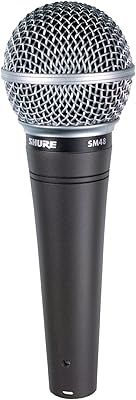
Shure SM48 Handheld Dynamic Microphone
83%
91%
Build Quality
88%
Value for Money
74%
Sound Quality
89%
Feedback Rejection
83%
Handling Noise
More
Shure SM58-LC
Shure SM58-LC
90%
98%
Build Durability
86%
Vocal Clarity
92%
Feedback Rejection
89%
Handling Noise Suppression
94%
Room Noise Isolation
More
Blue Yeti Pro USB XLR Condenser Microphone
80%
93%
Audio Clarity
88%
Build Quality
91%
Ease of Setup
86%
Polar Pattern Versatility
89%
USB Recording Resolution
More
Shure 545SD-LC
Shure 545SD-LC
87%
96%
Build Durability
93%
Instrument Recording
89%
Switch Reliability
88%
Feedback Rejection
97%
Vintage Aesthetic
More

FAQ

You can plug it directly into your computer using the included USB cable and start recording right away — no audio interface required. The USB connection handles everything, including power. The XLR output is there if and when you decide to upgrade your setup, but it is entirely optional.

Most users find that positioning themselves around 2 to 4 inches from the capsule gives the warmest, most full-bodied tone. Back off much further and the audio starts to thin out noticeably, which is a common surprise for new owners. If you are used to condenser mics that pick up sound across a wider distance, this dynamic mic will require a small adjustment in how you position yourself.

It handles both pretty well compared to condenser alternatives. The dynamic cardioid capsule is designed to reject off-axis noise, so keyboard clatter and ambient room sounds are significantly reduced when you are speaking directly into the mic. It is not completely immune to desk vibrations, though — if your setup is prone to that, a shock mount is worth adding separately.

Android users with USB-C ports can connect directly using the included USB-C cable. iPhone users with a Lightning port will need a Lightning-to-USB adapter, which is not included in the box. If you have a newer iPhone with USB-C, you are covered with the included cable.

The app is not necessary for basic recording, but it adds real value if you want more control over your sound. It lets you dial in EQ curves, set compression levels, and apply a high-pass filter — things that would otherwise require post-processing in your editing software. Think of it as a free upgrade that turns the hardware into a more complete recording tool.

The yoke mount works fine for most desk setups where vibration is not a major issue. If your desk picks up a lot of rumble from typing, footsteps, or HVAC vibrations, a shock mount will make a noticeable difference in your audio cleanliness. It is one of those purchases that feels optional until you actually need it.

The Shure MV7 USB/XLR Dynamic Microphone has a key advantage over the Yeti in noisy or untreated environments because the dynamic capsule is inherently better at rejecting background sound. The Yeti is a condenser mic, which is more sensitive and picks up more of the room — great in a treated space, but problematic in a typical home setup. The MV7 also has the XLR upgrade path, which the Yeti does not offer in the same way.

It does happen, and it is a known complaint among regular users. The touch-sensitive gain and headphone controls are responsive enough that brushing the mic body during a session can shift your levels unexpectedly. It is worth being mindful of where your hands are, especially during live streams where you cannot easily fix a sudden volume jump in post.

The all-metal body is one of its most reassuring qualities — it genuinely feels like a piece of equipment made to survive regular daily use. Long-term owners frequently note that their units hold up well after years of recording without any degradation in build quality or audio performance. It is not a mic you will feel the need to handle delicately.

Yes, the built-in 3.5mm headphone jack supports direct monitoring of your mic input with zero latency, and most operating systems allow you to mix that with your system audio output. You may need to adjust your audio settings in Windows or macOS to route both sources to the same headphone output, but it is a straightforward setup that many streamers use daily.