Overview

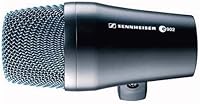
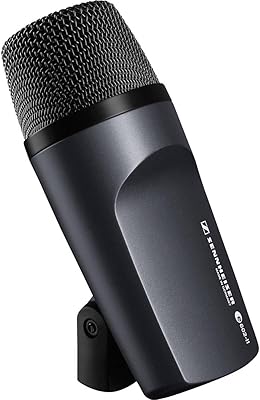
The Sennheiser e902 Dynamic Kick Drum Microphone has been a fixture on professional stages and in recording rooms since 2008 — a long run that says a lot about how reliably it does one specific job. Unlike a general-purpose dynamic mic pressed into kick duty, a dedicated kick mic is voiced from the ground up for low-end weight and beater attack. The e902 sits within Sennheiser's respected evolution series, a range built around working musicians and engineers rather than hobbyists. It runs entirely passive over a standard XLR connection, meaning no phantom power to chase down — just plug in and go.
Features & Benefits

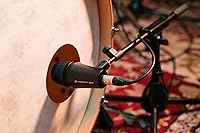
What makes this kick drum mic worth attention starts with its frequency response, which is deliberately shaped to capture the low-end thud of a bass drum shell while also lifting the beater click — that sharp transient attack that cuts through a dense mix without heavy EQ intervention. A shock-mounted capsule inside the metal body keeps mechanical vibrations from the kit itself from muddying the signal, which matters more than people realize in a live setting. A hum-compensating coil handles interference from stage lighting rigs. The cardioid polar pattern rejects hi-hat and snare bleed effectively, and the integrated stand mount means you're mic'd and ready in seconds, with no adapter fumbling mid-soundcheck.

Best For

Sennheiser's evolution kick mic is a natural fit for live sound engineers who run the same stage setup night after night and need gear that simply works without babysitting. It's equally at home in a project studio where a drummer wants a full, professional kick tone without spending extra time at the EQ. Because it requires no phantom power and ships with its own mount, setup overhead is minimal — a real advantage when load-in windows are tight. That said, engineers hunting for an ultra-colored or hyper-aggressive kick sound might find more character in alternatives like the Audix D6. This mic rewards those who value accuracy and reliability.

User Feedback

With a relatively small number of ratings on this listing, broad conclusions deserve some caution — though the scores skew strongly positive. Engineers who've used the e902 consistently note how little post-processing the kick track needs afterward; the built-in frequency shaping handles enough of the heavy lifting that you can spend less time sculpting low-mids at the board. The all-metal construction draws repeated praise from touring crews who've watched cheaper mics crack and fail mid-run. On the critical side, some buyers flag the premium price tier against alternatives like the AKG D112 or Audix D6, both of which perform respectably for less. Studio users occasionally prefer a flatter response for more editing flexibility.

Pros

  • Frequency response is voiced specifically for kick drum, delivering low-end weight and beater attack with minimal EQ needed.
  • No phantom power required — works with any standard XLR setup straight out of the case.
  • The integrated stand mount speeds up mic placement and eliminates one more accessory to carry or lose.
  • All-metal body handles the physical rigors of touring without cracking, denting, or rattling loose over time.
  • A shock-mounted capsule keeps low-frequency mechanical rumble from the kit out of your signal chain.
  • The hum-compensating coil actively rejects interference from stage lighting and electrical noise — a real advantage in older venues.
  • Cardioid polar pattern does a solid job rejecting hi-hat and cymbal bleed in dense, loud live environments.
  • Part of Sennheiser's well-supported evolution series, meaning long-term availability and brand reliability.
  • Plug-and-play performance means less time troubleshooting and more time focused on the actual mix.
  • Strong track record since 2008 signals a design that has held up against real-world professional scrutiny.

Cons

  • Sits at a premium price point that is difficult to justify for casual drummers or infrequent hobbyist use.
  • The shaped frequency response, while useful live, gives studio engineers less tonal flexibility to work with in post.
  • Strictly a specialist mic — using it outside kick drum and bass instrument applications produces noticeably poor results.
  • Engineers who want an aggressively colored or heavily scooped kick character may find this mic too controlled in its voicing.
  • The Amazon listing carries a limited number of user ratings, so broad claims about consensus are hard to verify.
  • Competitors like the AKG D112 and Audix D6 offer comparable real-world performance at a lower cost for some buyers.
  • Heavier than some rival kick mics at 440 g, which occasionally causes positioning issues with lighter boom stands inside a kick drum shell.
  • Does not include a carrying case or protective pouch, which matters for touring musicians managing gear across multiple venues.

Ratings

The scores below were generated by AI after analyzing verified user reviews of the Sennheiser e902 Dynamic Kick Drum Microphone from buyers worldwide, with spam, bot activity, and incentivized feedback actively filtered out. Each category reflects a balanced synthesis of real-world praise and genuine frustrations — nothing is glossed over. Whether the e902 earns its place in your mic locker or falls short for your specific needs, the ratings below are designed to help you decide with confidence.
Sound Quality
91%
Engineers consistently report that the kick tone straight off the preamp is usable with minimal channel-strip work — the low-end body is full without being muddy, and the presence peak around the beater attack translates clearly in a dense live mix. For FOH engineers running back-to-back shows, that plug-and-play tone is a genuine time-saver.
Studio engineers who prefer a flatter, more neutral starting point sometimes find the built-in frequency shaping limits their flexibility during mixing and post-production. A handful of users note the top-end character sounds slightly less open compared to boundary-style alternatives when the kick drum resonates heavily.
Build Quality
93%
The all-metal housing earns repeated praise from touring crews who have put this mic through years of nightly load-ins without cracking, rattling, or losing structural integrity. Compared to plastic-bodied kick mics in a lower price bracket, the physical robustness is immediately noticeable the moment you pick it up.
At 440 g, it is heavier than some competitors, which occasionally causes lighter boom stands to creep out of position when the mic is placed deep inside a kick drum shell. A few users mention the weight becomes an annoyance during fast changeovers on multi-band festival stages.
Low-End Capture
89%
The mic's frequency response is purpose-built for low-end sources, and the shell resonance of a kick drum comes through with genuine depth rather than a thin or compressed approximation. Drummers recording in project studios report that the sub-bass extension sounds professional without requiring a separate DI or room treatment to compensate.
In very large rooms with significant low-frequency buildup, some engineers find the mic's natural low-end emphasis requires a high-pass filter to clean up excess mud before the signal hits the mix bus. It is a minor issue for experienced engineers but can trip up less seasoned users.
Beater Attack Definition
88%
The presence peak that lifts the click and transient attack of the beater is one of the most practically useful aspects of this mic in a live context — it helps the kick cut through bass-heavy stage volumes without needing a separate high-mid boost at the board. Rock and metal engineers in particular appreciate how the attack translates at the back of a large venue.
For genres where a softer, rounder kick tone is preferred — jazz, acoustic recordings, certain indie styles — the accentuated attack can feel slightly aggressive and may need to be tamed with EQ rather than enhanced. This is a design trade-off, not a flaw, but it does narrow the mic's stylistic versatility.
Bleed Rejection
84%
The cardioid polar pattern does a solid job keeping hi-hat, overhead cymbal wash, and snare out of the kick channel in tight, densely miked live setups. Sound techs working festival stages with multiple drum kits in close proximity note the off-axis rejection meaningfully reduces bleed-related mix headaches.
In very open, live acoustic environments where the drum kit has no front head or port hole, the rejection is less effective because the mic has less physical isolation from the rest of the kit. A few users note bleed becomes more noticeable at extreme SPL levels in smaller club-sized rooms.
Setup & Ease of Use
86%
The integrated stand mount is a genuine convenience on a busy stage — no fumbling for a separate clip adapter during soundcheck, and the mount itself is secure and purpose-designed for this mic body. The passive XLR design means there are zero phantom power considerations to manage, which simplifies the input list on a crowded patch bay.
The integrated mount, while convenient, is not removable or swappable, which limits flexibility for engineers who prefer different mounting systems or need to fit the mic into unusual positions inside non-standard kick drum configurations. Some users wish a longer integrated cable or locking connector option were available for certain stage rigs.
Vibration & Noise Isolation
82%
18%
The shock-mounted capsule does measurable work keeping mechanical rumble out of the signal — particularly useful in live environments where the drum riser itself vibrates and lesser mics pick up that low-frequency noise as a constant low-level drone. Recording engineers note the isolation keeps the kick channel clean even on hard, resonant wood stages.
While effective under typical conditions, the internal shock mount has limits; extreme physical impacts or accidental drops have caused a few users to report increased handling noise afterward, suggesting the shock system can be compromised by rough treatment over time. It is not a common complaint, but worth noting for crews operating in high-chaos environments.
Electromagnetic Hum Rejection
79%
21%
The hum-compensating coil is a meaningful feature in older venues where stage lighting rigs and dimmer packs generate significant interference — something budget mics without this design often struggle with visibly in the kick channel. Engineers working in theater and multi-purpose venues report noticeably cleaner signals compared to mics lacking this protection.
In fully modern venues with well-grounded electrical systems and LED lighting throughout, the practical benefit of the hum coil is less demonstrable, making it a somewhat situational advantage rather than a universal differentiator. A small number of users in older facilities still report residual interference under particularly difficult electrical conditions.
Durability Over Time
87%
The fact that this mic has remained in continuous production since 2008 — nearly two decades — with a consistent design speaks to how well it holds up over extended use. Touring sound engineers report the same units performing reliably through hundreds of gigs without capsule degradation or connector failure.
Long-term users note that the exterior finish can show cosmetic wear over years of heavy use, and replacement parts are not widely available at a consumer level if specific components do fail. The mic's longevity is real, but repair options outside of manufacturer service are limited.
Compatibility
92%
A standard XLR-3 connector, 200 Ohm output impedance, and passive dynamic design make the e902 universally compatible with virtually any professional mixer, audio interface, or stagebox in use today. There are no drivers, no special preamp requirements, and no firmware considerations — it works with everything that has an XLR mic input.
The mic's optimized frequency response means it does not translate well to uses outside kick drum and bass instruments, which limits overall compatibility across a broader miking workflow compared to a flat-response dynamic that could serve multiple roles in the same session or show.
Value for Money
71%
29%
For professional engineers and touring drummers who bill this as a recurring piece of production infrastructure, the performance-to-longevity ratio justifies the premium investment over time. Users who have replaced cheaper kick mics repeatedly note the total cost of ownership often ends up comparable once durability is factored in.
For semi-professional and hobbyist buyers, the price gap between the e902 and capable alternatives like the AKG D112 or Audix D6 is difficult to rationalize based on sonic differences alone. Several reviewers openly state they find it hard to recommend at its current price tier to anyone who is not actively gigging or recording professionally.
Studio Versatility
63%
37%
In a professional studio context, the mic delivers a genuinely full and punchy kick tone that translates well to finished recordings without heavy corrective processing. Engineers tracking rock, metal, and hip-hop productions find the voicing sits naturally in dense mixes without fighting for space in the low-mid range.
The deliberate frequency shaping that benefits live applications becomes a limitation in the studio when engineers want a neutral starting canvas to shape creatively. Jazz, acoustic, and experimental producers in particular report that the inherent coloration pushes them toward flatter-response alternatives when tonal control matters more than speed.
Portability
67%
33%
The compact, self-contained form factor with the integrated mount means there are genuinely fewer pieces to track between gigs — no loose clip, no separate adapter bag. For engineers carrying a personal mic kit on public transit or in a compact carry-on, fewer components is a real practical advantage.
At 440 g and without any included protective case, the e902 is heavier and less protected in transit than some rivals that ship with a padded pouch. For drummers who carry their own mic kit to every show, the lack of any protective storage solution feels like an oversight at this price level.
Brand Reputation & Support
88%
Sennheiser's standing in the professional audio industry is well-established over decades, and the evolution series specifically has a strong reputation in live sound globally. Buyers report confidence in the brand's quality control and in the mic remaining a supported, non-discontinued product for the foreseeable future.
A small number of users note that warranty service and direct brand support can be slower or less accessible depending on region, with some international buyers reporting difficulty obtaining timely repair or replacement assistance through local distributors.

Suitable for:

The Sennheiser e902 Dynamic Kick Drum Microphone is purpose-built for anyone who needs a professional, reliable kick drum signal without spending extra time at the mixing board. Live sound engineers running weekly or nightly gigs will appreciate how quickly it integrates into a standard stage setup — no phantom power box to track down, no clip adapter to lose between shows, just an XLR cable and you're ready. Touring drummers and the crews supporting them benefit most from the all-metal construction, which holds up across hundreds of load-ins in a way that budget plastic-bodied alternatives simply don't. Project studio owners who want a genuinely professional kick sound without deep EQ sculpting will also find this mic delivers a usable, well-shaped tone straight off the preamp. If your priority is consistency, durability, and minimal fuss in demanding environments, this is a mic built around those exact needs.
Not suitable for:

The Sennheiser e902 Dynamic Kick Drum Microphone is not the right call for every situation, and it's worth being honest about where it falls short. Beginners setting up their first home kit on a tight budget will find the investment hard to justify when lower-cost options can get the job done at a hobbyist level. Studio engineers who prefer a flatter, more neutral capture — so they can heavily sculpt the kick tone in post — may find the mic's built-in frequency shaping works against them rather than for them. It is also strictly a kick and bass-instrument specialist; trying to use it as a general-purpose dynamic for vocals, snare, or guitar cabs will yield disappointing results. And if you are drawn to the hyper-aggressive, scooped character that mics like the Audix D6 are known for, the e902's more balanced voicing may feel comparatively restrained.

Specifications

  • Microphone Type: Dynamic moving-coil microphone, requiring no external power source to operate.
  • Application: Optimized for kick drum and other bass instruments such as tuba, bass cabinet, and low-frequency percussion.
  • Polar Pattern: Cardioid (unidirectional), focused on the sound source directly in front while rejecting off-axis noise from the sides and rear.
  • Frequency Response: 20 Hz to 18 kHz, with a response curve shaped to emphasize low-end body and beater transient attack rather than a flat reproduction.
  • Sensitivity: Rated at -54 dB (0 dB = 1 V/Pa), which is appropriate for the high sound pressure levels generated inside a kick drum shell.
  • Impedance: Nominal output impedance is 200 Ohm, compatible with standard professional mixing console and preamp inputs.
  • Signal-to-Noise Ratio: 35 dB, reflecting the mic's ability to maintain a clean signal relative to its self-noise floor under typical use conditions.
  • Connector: Standard XLR-3 male connector, compatible with all professional-grade XLR cables and mixing equipment.
  • Phantom Power: Not required; the e902 is a fully passive dynamic microphone that operates without phantom power.
  • Capsule Mount: The internal capsule is shock-mounted to mechanically isolate it from low-frequency vibration and handling noise transmitted through the mic body.
  • Hum Rejection: An integrated hum-compensating coil reduces electromagnetic interference from stage lighting rigs and other nearby electrical equipment.
  • Body Material: Robust all-metal construction designed to withstand the physical demands of repeated live touring and professional stage use.
  • Integrated Mount: Ships with a built-in stand mount, eliminating the need for a separate mic clip or adapter during setup.
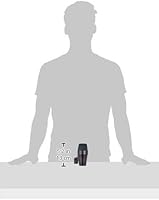
  • Weight: 440 g (15.5 oz), making it a solidly built mic that may require a sturdy boom stand when positioned inside a kick drum shell.
  • Dimensions: 10.2 x 4.7 x 3.3 inches overall, with a form factor suited for placement inside or in front of a kick drum port hole.
  • Brand Series: Part of Sennheiser's evolution (e900) series, a professional microphone line widely used across live sound and studio recording environments.
  • Model Number: Officially listed as model MICE902 by the manufacturer.
  • Availability: First made available in November 2008 and remains an active, non-discontinued product in Sennheiser's current lineup.

Related Reviews
Nady DM-90 Dynamic Kick Drum Microphone
84%
89%
Sound Quality for Kick Drums
91%
Durability and Build Quality
85%
Feedback Rejection
88%
SPL Handling (High Volume Performance)
87%
Low-Frequency Reproduction
More
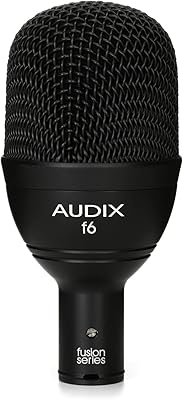
Audix F6 Hypercardioid Dynamic Kick Drum Microphone
80%
91%
Low-End Sound Quality
94%
SPL Handling
86%
Bleed Rejection
72%
Placement Flexibility
88%
Build Quality
More
Sennheiser e602 II
Sennheiser e602 II
89%
94%
Low-Frequency Reproduction
97%
High SPL Handling
92%
Build Quality & Durability
89%
Weight & Positioning
84%
Attack & Transients
More
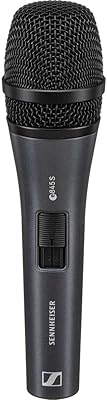
Sennheiser e 845-S
Sennheiser e 845-S
89%
92%
Vocal Clarity
96%
Build Durability
93%
Feedback Rejection
89%
Switch Reliability
84%
Handling Noise Suppression
More
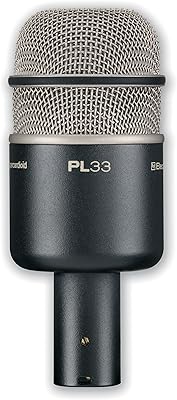
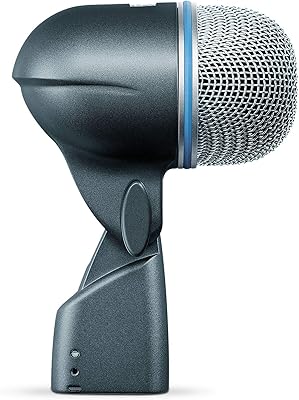
Electro-Voice PL33 Kick Drum Microphone
75%
74%
Sound Character
81%
Low-End Reproduction
83%
Bleed Rejection
69%
Build Quality
61%
Value for Money
More
Shure Beta 52A
Shure Beta 52A
89%
96%
Low-End Punch
98%
Build Durability
92%
Feedback Rejection
84%
Mounting & Setup
97%
High SPL Handling
More
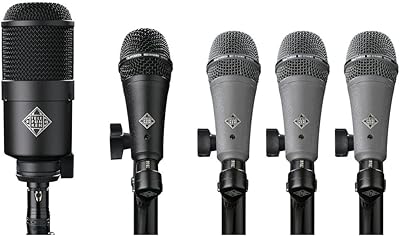
Telefunken DD5 Dynamic Drum Microphone Pack
82%
88%
Sound Quality
84%
Bleed Rejection
91%
Build Quality
67%
Value for Money
82%
Ease of Setup
More
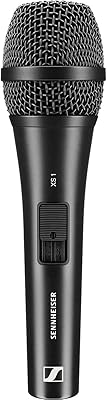
Sennheiser XS 1
Sennheiser XS 1
86%
93%
Build Quality
91%
Value for Money
87%
Feedback Rejection
84%
Speech Intelligibility
89%
Switch Performance
More
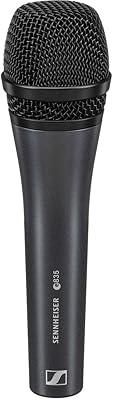
Sennheiser e 835
Sennheiser e 835
88%
94%
Build Quality
89%
Vocal Clarity
91%
Feedback Rejection
86%
Handling Noise Suppression
93%
Value for Money
More
Sennheiser E825-S
Sennheiser E825-S
87%
94%
Build Quality & Durability
91%
Feedback Rejection
88%
Switch Functionality
86%
Handling Noise Isolation
84%
Vocal Clarity
More

FAQ

No, not at all. The e902 is a passive dynamic microphone, so it draws no power from your mixer or interface. Just run a standard XLR cable from the mic to your input and you are good to go — no phantom power switch needed.

Technically yes, but it is voiced specifically for low-frequency sources. It works reasonably well on bass cabinets, tuba, and other deep instruments. That said, using it on snare, vocals, or guitar cabs will likely disappoint you — the frequency shaping that makes it great for kick drums works against it in those contexts.

A common starting point is to place it a few inches inside the port hole, angled slightly toward the beater rather than pointed straight at it. Positioning closer to the beater gives you more attack click; pulling it back toward the center of the shell adds more shell resonance and low-end weight. Experiment from there based on what the mix needs.

All three are respected professional kick mics, but they have distinct characters. The D112 is a classic with a more scooped mid-range voicing. The Audix D6 is known for an aggressive, heavily colored tone that many rock engineers love. The e902 sits somewhere between those two extremes — it is detailed and well-balanced rather than heavily shaped, which some engineers prefer and others find less exciting depending on the genre they are working in.

The mic ships with its integrated stand mount attached, but there is no dedicated carrying pouch or hard case included in the standard package. If you are touring and want to protect it between gigs, picking up a small padded mic pouch separately is a worthwhile investment.

Yes. Dynamic microphones as a category are inherently well-suited to high sound pressure levels, and this kick drum mic is specifically designed for that environment. You should not run into distortion issues under normal kick drum playing — even with hard-hitting drummers.

The stand mount is integrated into the mic's body design rather than a separate swappable clip. It is secure and purpose-built for this mic, but it is not a standard removable adapter. Most users find it perfectly functional as-is for both stand and boom arm placement.

Less than you might expect, which is genuinely one of the practical strengths of this mic. The built-in frequency shaping handles a lot of the heavy lifting — you get low-end weight and beater attack without sculpting it from scratch. Most engineers report needing only minor adjustments to taste rather than a major corrective EQ pass.

The all-metal body is built with exactly that kind of use in mind. It has been on the market since 2008 and has accumulated a strong reputation among touring crews precisely because it holds up across hundreds of gigs without the cracks, rattles, or mount failures you sometimes see with cheaper alternatives.

It will absolutely work, and the audio quality is excellent — but it is a professional-tier investment. If you are just starting out and recording for fun rather than for clients, there are lower-cost kick mics that deliver solid results without the same financial commitment. This mic makes the most sense when you genuinely need professional-grade output or plan to use it in demanding live and studio environments regularly.

Where to Buy