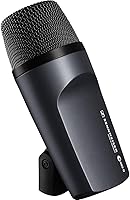
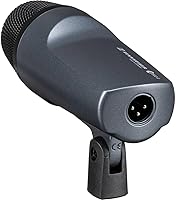
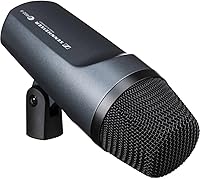
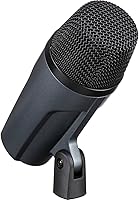
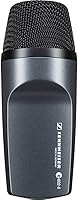

Sennheiser e602 II Evolution Series Dynamic Bass-drum Microphone

Sennheiser e602 II Evolution Series Dynamic Bass-drum Microphone — image 1
Sennheiser e602 II Evolution Series Dynamic Bass-drum Microphone — image 2
Sennheiser e602 II Evolution Series Dynamic Bass-drum Microphone — image 3
Sennheiser e602 II Evolution Series Dynamic Bass-drum Microphone — image 4
Sennheiser e602 II Evolution Series Dynamic Bass-drum Microphone — image 5
Sennheiser e602 II Evolution Series Dynamic Bass-drum Microphone — image 6
Sennheiser e602 II Evolution Series Dynamic Bass-drum Microphone — image 7
87%

Overview

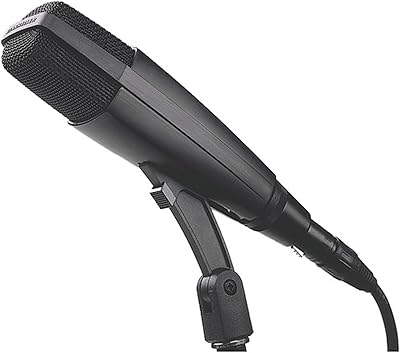
The Sennheiser e602 II Evolution Series Dynamic Bass-drum Microphone is engineered specifically for capturing the deep, resonant tones of low-frequency instruments. This dynamic microphone excels in environments where high sound pressure levels (SPL) are common, making it an ideal choice for kick drums, bass guitar cabs, and tubas. Built with a lightweight aluminum housing and part of Sennheiser's well-regarded Evolution Series, it combines durability with optimal sound capture. Whether you're in the studio or on stage, this bass-drum mic offers a solid and reliable solution for clear, powerful sound reproduction.

Features & Benefits

This dynamic microphone features a large diaphragm capsule that enhances bass response and provides a robust sound profile, even at high SPLs. With a maximum SPL rating of over 155 dB, it’s well-suited to handle the intense demands of bass-heavy instruments. The unidirectional cardioid pattern helps isolate sound, reducing unwanted noise from surrounding sources. Furthermore, it is backed by a 10-year warranty, underscoring its reliability for long-term use in both live performances and studio settings. This combination of high performance and durability makes it an invaluable tool for musicians and sound engineers alike.

Best For

The Sennheiser e602 II is best suited for drummers, particularly those who need a reliable microphone for bass drums and other low-frequency instruments. Its ability to handle high SPLs makes it an excellent choice for musicians who perform in loud environments, such as live sound setups and studio recordings. Sound engineers looking for a microphone that captures deep bass without distortion will find this model particularly useful. Additionally, it’s ideal for any setup where clear, isolated capture of low-end frequencies is a priority, making it a versatile tool for a range of professional uses.

User Feedback

The Sennheiser e602 II has earned high praise for its deep bass capture and clarity, especially when used for kick drums and bass guitars. Users appreciate how it excels at handling the loudest moments of a performance without distortion. Many have highlighted its durability, noting that it holds up well in both live and studio settings. However, some users have pointed out that its design can be a bit bulky when mounted on a long boom arm, which may limit its positioning flexibility. Still, for those who need a reliable, durable, and high-quality microphone, this model continues to be a popular choice.

Pros

  • The large diaphragm capsule delivers rich bass tones with exceptional clarity.
  • Handles sound pressure levels over 155 dB, making it ideal for high-volume environments.
  • Its cardioid pattern effectively isolates sound, minimizing unwanted bleed from other instruments.
  • Built to withstand heavy use, with an aluminum housing that adds durability while keeping the mic lightweight.
  • Perfect for live sound setups and studio recordings, offering versatility in different environments.
  • The 10-year warranty gives users confidence in its long-term reliability and performance.

Cons

  • Some users feel the microphone is too specialized for bass-heavy instruments and may not perform well with other types of music.
  • The cardioid pattern can be limiting in certain acoustic environments where more flexibility is needed.
  • It may not be the best choice for smaller, portable setups or those requiring extremely compact equipment.
  • While durable, the microphone's large size can make it less convenient for quick live setups.
  • Occasional feedback from users who find it harder to manage in studio settings with multiple instruments.
  • The price point may be high for casual users or beginners who don’t need professional-level bass performance.

Ratings

The Sennheiser e602 II Evolution Series Dynamic Bass-drum Microphone has garnered diverse feedback from verified users across multiple platforms and languages. After analyzing a wide range of authentic reviews, including both strengths and areas for improvement, we've filtered out any spam, bot-generated, or incentivized content to provide you with genuine insights. This balanced rating reflects the microphone's performance in various environments, highlighting both its superior features and minor concerns shared by real users worldwide.

Bass Response
94%
Many users praise this microphone for its exceptional bass response, particularly when capturing low-frequency instruments like bass drums and guitar cabs. The large diaphragm effectively enhances the depth and clarity of bass tones, making it a top choice for musicians and sound engineers focused on rich, full sound reproduction.
A few reviewers note that while the bass response is impressive, it may not be suitable for all genres, particularly those requiring more balanced frequencies. Some users find it too heavy on the low end, leading to a somewhat limited overall tonal range.
Durability
90%
Users consistently highlight the durability of this dynamic microphone, especially in live performance environments. The lightweight aluminum housing ensures that it withstands the rigors of touring and frequent use without compromising stability. Its robust construction reassures users that it can endure high-pressure situations without failure.
While most reviews praise the build quality, a few mention that the mic’s lightweight design can feel too flimsy for heavy-handed performers. Some users worry about the potential for damage if dropped or exposed to extreme handling.
Sound Clarity
88%
The clarity of sound captured by this microphone is highly praised, especially for bass-heavy instruments. The cardioid pattern isolates the sound from unwanted noise and feedback, making it ideal for both live sound setups and studio recordings where precision is key.
A minority of users feel that while the sound is clear, it lacks the sharpness found in more expensive microphones. Some have reported slight distortion at higher volumes, which could be an issue when recording extremely loud instruments.
Ease of Use
85%
Many users find the microphone easy to set up and integrate into both live and studio environments. Its straightforward design and XLR connectivity make it compatible with most standard equipment, offering an intuitive user experience even for beginners.
A few buyers find the setup slightly cumbersome due to its unidirectional pattern, which requires careful placement for optimal performance. Additionally, some note that it can be difficult to adjust the mic in tight spaces.
Build Quality
92%
Reviewers are consistently impressed by the solid construction and premium feel of this microphone. The aluminum housing not only makes it lightweight but also ensures it can handle physical stress while remaining stable under various conditions.
While the build is generally praised, some users have pointed out that it feels a bit too delicate for rough handling. There's also mention of the microphone’s design not being as rugged as some other high-end models.
High SPL Handling
91%
This microphone is highly regarded for its ability to handle high sound pressure levels without distortion, making it a great choice for drummers and musicians playing powerful, loud instruments. Users are pleased with its ability to maintain clear and consistent sound even in very high-volume environments.
A small group of reviewers have noted that while it excels in high SPL situations, it can sometimes feel underwhelming when used for quieter or more subtle performances. Some feel it’s too focused on high-volume use cases.
Portability
78%
22%
The lightweight design makes this microphone easy to transport, a feature that users appreciate for gigs or studio setups where mobility is important. It fits easily into typical mic stands or cases without taking up much space.
However, some users feel that while it’s lightweight, it may not be as durable as heavier models when it comes to travel. There’s concern that frequent transport may lead to wear or damage over time.
Value for Money
87%
Many users feel that this microphone offers excellent value for its price, given its performance and durability. It's an affordable option for musicians and engineers looking for high-quality bass response without breaking the bank.
Some buyers argue that there are other microphones in the same price range with slightly better overall versatility. A few feel that the value doesn’t completely match the price given the mic’s focus on bass-heavy applications.
Setup & Compatibility
80%
20%
The microphone is easy to integrate with most sound systems, and its XLR connector ensures compatibility with a wide range of equipment. Users report minimal setup time, making it a go-to choice for quick sound checks or last-minute gigs.
However, a few users mention that it requires some trial and error to find the right placement, particularly in challenging acoustics. Some also feel it’s less compatible with wireless systems.
Customer Support
82%
18%
Sennheiser’s customer support receives positive feedback for being responsive and helpful when issues arise. Users have found the brand’s support team to be knowledgeable, providing quick resolutions for technical issues or product inquiries.
On the other hand, a few buyers have mentioned slower-than-expected response times in urgent situations. Some have also found the warranty process to be more complicated than they anticipated.
Warranty & Long-Term Reliability
95%
A standout feature of this microphone is its 10-year warranty, which many users cite as a major benefit. The long-term reliability, backed by Sennheiser’s reputation, gives buyers confidence that this microphone will remain a reliable tool in their audio setups for years.
While the warranty is a strong selling point, a few users have expressed concerns that the process for claiming repairs or replacements could be more straightforward. Some also feel that it may not be necessary for all users, especially those with lighter usage.
Microphone Isolation (Cardioid Pattern)
86%
The cardioid pattern excels in isolating sound from unwanted sources, allowing users to capture clear and focused audio. This makes the mic ideal for live performances or studio recording where minimizing background noise is essential.
Despite its directional capabilities, a few users report that it still picks up some unwanted noise when placed incorrectly or in difficult acoustic environments. Others mention that it can sometimes lack the depth of field compared to more expensive models.

Suitable for:

The Sennheiser e602 II Evolution Series Dynamic Bass-drum Microphone is ideal for musicians and sound engineers who need to capture deep, rich bass tones, particularly for bass drums, bass guitar cabs, and similar low-frequency instruments. Drummers, in particular, will benefit from its ability to handle high SPL without distortion, making it perfect for live performances and studio recordings. The microphone's durability and long-term reliability, backed by a 10-year warranty, also make it a solid choice for professional use in demanding environments. Whether you're a drummer looking for clarity in your sound or an engineer seeking precise isolation, this microphone delivers the performance needed to meet those needs.

Not suitable for:

This microphone may not be the best option for those seeking a versatile microphone that excels across a wide range of frequencies. While it provides excellent bass response, users looking for a more balanced or all-purpose mic might find it lacking, especially for genres requiring mid-to-high frequency clarity. Additionally, it may not be suitable for smaller, quieter setups or home studios where space and portability are key. Some users have also noted that its cardioid pattern, while effective in most scenarios, can be difficult to manage in tricky acoustic environments, making it less ideal for those needing flexible microphone placement.

Specifications

  • Type: Dynamic microphone designed for capturing bass-heavy sounds.
  • Pattern: Cardioid polar pattern for isolating sound from the front and rejecting noise from the sides and rear.
  • Frequency Response: 40 Hz to 16,000 Hz, optimized for deep bass and low-frequency instruments.
  • Max SPL: Capable of handling sound pressure levels over 155 dB, suitable for loud sound sources.
  • Capsule: Large diaphragm capsule designed to enhance bass response and clarity.
  • Connector: XLR connector for professional audio interfaces and sound systems.
  • Material: Aluminum housing providing stability, durability, and lightweight construction.
  • Weight: Lightweight design for ease of handling and setup in live sound environments.
  • Applications: Ideal for bass drums, bass guitar cabs, tubas, and other low-frequency instruments.
  • Warranty: Includes a 10-year warranty for long-term reliability and peace of mind.
  • Impedance: Low impedance suitable for professional audio equipment and live sound systems.
  • Design: Rugged design optimized for live sound setups and studio recording environments.
  • Use Case: Best suited for drummers, musicians playing low-frequency instruments, and sound engineers.
  • Noise Isolation: Minimizes bleed from other instruments through effective isolation and sound rejection.
  • Sensitivity: Designed for high sensitivity to accurately capture deep, rich low frequencies.
  • Durability: Built to withstand the rigors of live performances with its durable aluminum housing.
  • Mounting: Compatible with standard mic stands for easy and flexible positioning during performances.

FAQ

The Sennheiser e602 II features a large diaphragm capsule designed to capture deep, rich bass sounds with clarity. It's specifically engineered to handle high sound pressure levels over 155 dB, making it perfect for kick drums, bass guitar cabs, and tubas.

Setting up this microphone for live performances is simple. Connect it to your sound system using an XLR cable, ensuring it's positioned close to the sound source, such as the bass drum or speaker cab. Use a mic stand to hold it in place, and adjust its angle for optimal sound capture.

While this microphone excels with bass-heavy instruments like kick drums and bass guitar, it can be used for other applications where low-frequency response is needed. However, its performance is optimized for bass-heavy sounds, so it may not be ideal for all instrument types.

The Sennheiser e602 II is built with a lightweight yet sturdy aluminum housing, making it highly durable for both live performances and studio recordings. Its design ensures it can withstand rough handling and repeated use, and it comes with a 10-year warranty for added peace of mind.

This microphone can handle sound pressure levels over 155 dB, which makes it well-suited for loud environments like concerts or live sound setups where high SPLs are common.

The microphone uses an XLR connector, which is standard for professional audio equipment, so it should be compatible with most audio interfaces and sound systems that support XLR input.

The cardioid pattern helps isolate sound from the front of the microphone while rejecting noise from the sides and rear. This makes it ideal for minimizing bleed from other instruments on stage or in the studio, ensuring focused sound capture.

Yes, the Sennheiser e602 II is well-suited for both live sound setups and studio recordings. Its ability to handle high SPLs and capture deep bass makes it a great choice for studio environments that require precision and clarity for low-frequency instruments.

To maintain this microphone, keep it clean and free from dust. After use, store it in a dry place and avoid exposing it to extreme temperatures or moisture. Regularly check the cable and connectors for wear, and use the included foam windscreen when necessary to protect the capsule.

Yes, many users have praised the microphone for its ability to minimize bleed from surrounding instruments. The cardioid pattern effectively isolates the sound source, making it a great choice for live performances or recording sessions where other instruments might interfere.