
Overview
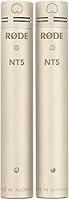
Rode NT5 Matched Pair Condenser Microphones land in that category of gear engineers buy once and keep for a decade. They are small-diaphragm cardioid condensers sold and shipped together as a matched set, which matters more than it sounds like it would once you start tracking stereo sources. The build is a satin-nickel body, slim enough to tuck between drum cymbals or angle in close on an acoustic guitar without getting in the way. Rode backs the pair with a 10-year warranty, which says something about how long they expect these to keep working. This is not a vocal mic dressed up for streaming; it is a dedicated instrument tool, and it behaves like one from the first session.
Features & Benefits
Each capsule in this mic pair uses a half-inch, gold-sputtered cardioid design aimed at capturing source material with minimal coloration, so a guitar sounds like a guitar rather than a flattering version of one. The cardioid pattern does real work in untreated rooms, pulling focus toward the source and rejecting a fair amount of spill from amps or other players nearby. Low self-noise matters most on quiet passages, fingerstyle guitar or a soft piano part, where a noisier mic would leave a faint hiss under everything. Frequency response stays even and wide enough to handle strings, brass, and percussion without needing a different mic for each. Standard XLR connectivity means no proprietary cables, and the slim profile makes positioning two mics as a stereo pair noticeably less fiddly than with bulkier designs.
Best For
These condenser microphones make the most sense for home and project studios recording acoustic guitar, piano, or other instruments where tonal accuracy actually matters. Drummers and engineers reaching for overheads will find the slim bodies easier to angle without colliding with cymbals, and the matched specs keep the stereo image honest rather than lopsided. Anyone capturing small ensembles or orchestral sections benefits from having two mics that measure the same, since mismatched capsules can subtly skew a stereo mix. Streamers and podcasters looking to step up from a USB mic could use this stereo pair too, though that is not really its primary job. Engineers who need repeatable results session after session are the ones who will appreciate it most.
User Feedback
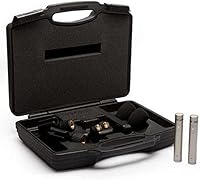
Owners consistently describe the tone as natural and uncolored, the kind of result that does not call attention to the microphone itself, which is usually the goal on acoustic instruments. Build quality earns regular praise as well, with several long-term users reporting that their pair has held up through years of regular sessions and travel without issues. Not every comment is glowing, though: a recurring complaint is that the asking price feels high for two mics, especially compared to budget alternatives that get close on paper. A handful of buyers also wish shockmounts or a proper case came included rather than sold separately. On balance, most reviews land on the same conclusion, calling it a dependable workhorse rather than anything flashy.
Pros
- Delivers a natural, uncolored tone that does not flatter or distort acoustic sources
- Factory-matched capsules keep stereo recordings balanced without manual correction
- Slim, discreet bodies make tight placement around drums and cymbals much easier
- Low self-noise keeps quiet fingerstyle or piano passages free of hiss
- Cardioid pattern helps reject spill in untreated or busy rooms
- Standard XLR connectivity works with virtually any audio interface
- Rode NT5 Matched Pair Condenser Microphones come backed by a generous 10-year warranty
- Build quality holds up well over years of regular studio and travel use
Cons
- Price feels steep for a pair compared to single general-purpose condensers
- Shockmounts and a proper carrying case are sold separately, not included
- Not designed or voiced specifically for vocal or broadcast recording
- Overkill for casual users who only need one microphone, not a matched set
- Slim instrument-focused design offers less flexibility for general podcasting setups
- Requires an audio interface and XLR cabling, adding to the total setup cost
- Benefits of matched-pair precision are wasted if you are not recording true stereo sources
Ratings
Our scores for the Rode NT5 Matched Pair Condenser Microphones come from an AI analysis of verified buyer reviews collected worldwide, with spam, bot activity, and incentivized feedback filtered out before anything gets tallied. What is left is a transparent picture built from people actually tracking acoustic guitar, drum overheads, and small ensembles. Both the genuine strengths and the recurring frustrations are reflected here, not just the flattering parts.
Tonal Accuracy
Build Quality
Stereo Imaging
Value for Money
Self-Noise Performance
Frequency Response
Ease of Positioning
Connectivity & Compatibility
Included Accessories
Versatility Across Instruments
Warranty & Long-Term Reliability
Suitable for:
Rode NT5 Matched Pair Condenser Microphones make the most sense for home and project studio owners who record acoustic instruments and care about getting an honest, uncolored capture. Drummers setting up overheads will appreciate the slim, discreet bodies, which slot between cymbals more easily than bulkier mics and keep the stereo image balanced since the capsules are factory matched. Anyone recording small ensembles, strings, or piano benefits from that same matching, since two mics with slightly different responses can subtly skew a mix in ways that are hard to fix later. Engineers who need consistent, repeatable results from session to session, rather than a one-off vocal sound, are exactly the buyers this pair was designed around. Streamers or podcasters who have outgrown a USB mic and want proper XLR gear could also get real use out of it, even if that is not the primary intent.
Not suitable for:
Anyone shopping primarily for a vocal or broadcast mic should look elsewhere, since this pair is tuned and positioned for instruments rather than voice work. Buyers on a tight budget will likely balk at the price of two matched condensers when single large-diaphragm mics cost less and cover more general-purpose ground. People who only need one microphone, not a matched stereo set, are paying for a feature they will not use. Those expecting accessories like shockmounts or a hard case included in the box will be disappointed, since those typically come as separate purchases. Casual hobbyists who record occasionally and do not need precise stereo imaging probably will not notice enough benefit to justify the cost over a simpler, cheaper option.
Specifications
- Capsule Type: Each microphone uses a half-inch gold-sputtered cardioid condenser capsule designed for accurate, low-coloration capture.
- Polar Pattern: Both mics use a fixed cardioid (unidirectional) polar pattern that focuses on the source and reduces off-axis pickup.
- Set Contents: The pair ships as two factory-matched microphones with closely aligned frequency and output characteristics.
- Connectivity: Each microphone connects via a standard 3-pin XLR output compatible with typical audio interfaces and mixers.
- Body Material: The housing is a heavy-duty, satin-nickel plated metal body designed for durability in regular studio use.
- Finish Color: The microphones are finished in silver.
- Audio Sensitivity: Audio sensitivity is rated at 143 decibels.
- Impedance: Output impedance is rated at 100 ohms.
- Signal-to-Noise Ratio: Signal-to-noise ratio is rated at 74 dB.
- Weight: Each microphone weighs approximately 7.1 ounces (200 grams).
- Dimensions: Product dimensions are listed as 17 x 6 x 13 inches for the packaged set.
- Power Source: The microphones are corded and require phantom power delivered through a compatible interface or mixer, as is standard for condenser mics.
- Warranty: Rode backs the pair with a 10-year manufacturer warranty.
- Recommended Uses: The manufacturer lists singing and streaming as recommended uses, though the design favors instrument recording.
- Channels: The set provides one channel per microphone for a total of two discrete audio channels.
Related Reviews
Rode M5 Matched Pair

Rode NT5-S

Rode NTG-1 Shotgun Condenser Microphone
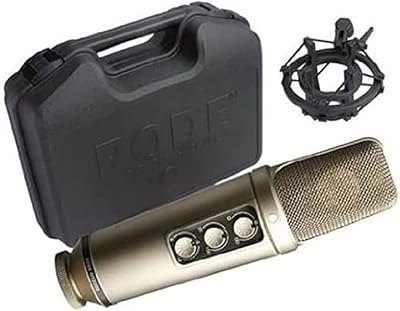
Rode NT2000 Large-Diaphragm Condenser Microphone
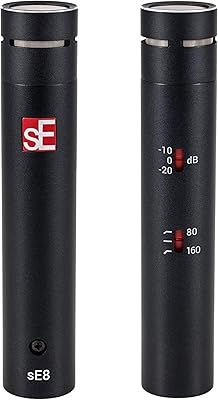
sE Electronics sE8 Matched Pair

Rode NT3 Medium-Diaphragm Condenser Microphone
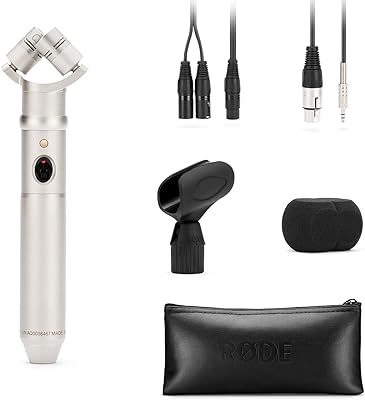
Rode NT4 Stereo Condenser Microphone
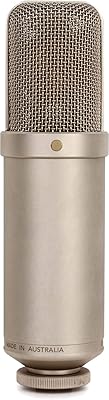
Rode NTK

Rode NT55 Multi-Pattern Condenser Microphone