Overview

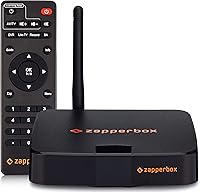
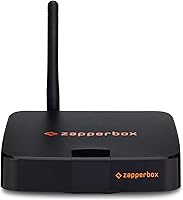
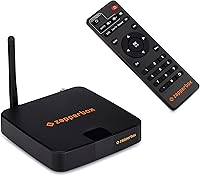
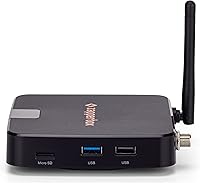
The ZapperBox M1 is one of the more compelling options if you're ready to cut cable and start pulling free over-the-air TV through an antenna, especially if you live in a city where ATSC 3.0 broadcasts have already launched. It's a compact, unassuming black box that sits neatly near your TV, and setup is relatively painless as long as you already own a compatible antenna (sold separately). The dual-tuner design lets you record one channel while watching another — a practical feature most people won't appreciate until they actually need it. Compared to older-generation OTA boxes at similar price points, it offers a noticeably higher capability ceiling.

Features & Benefits

What sets this ATSC 3.0 receiver apart from older tuner boxes is the quality ceiling it can hit. When your local broadcaster transmits in ATSC 3.0, you can pull in true 4K HDR picture quality completely free, with both HDR10 and HLG supported. Dolby Atmos and Dolby AC-4 audio decoding means the sound can hold its own on a real home theater setup. The DVR side works via a microSD card or USB drive you supply yourself, which keeps the upfront cost manageable. There's also a whole-home gateway mode that streams live OTA channels to other devices on your network — genuinely useful in a multi-TV household.

Best For

This OTA tuner is a strong fit for cord-cutters who live in metro areas with active ATSC 3.0 coverage — that part really matters. If your city hasn't rolled out the new broadcast standard yet, you'll still get ATSC 1.0 performance, which is fine but not the reason you'd choose this over something cheaper. Sports fans and anyone who watches a lot of network primetime TV will get real value from the dual-tuner DVR setup. It's also worth considering if you want to stop depending on your smart TV's built-in tuner, or if you'd like a single antenna signal distributed across multiple rooms through the gateway feature.

User Feedback

Most buyers already living in ATSC 3.0 markets are impressed by the picture quality jump compared to their old antenna boxes. The channel guide earns decent marks for usability, though a handful of users mention a slight learning curve early on. Where opinions split is around the annual subscription fee for advanced DVR features — some find it fair given what's included, while others feel the core DVR experience should come fully unlocked at this price. A few users have flagged that initial setup can get confusing if network configuration isn't your strong suit. Firmware updates have been fairly consistent, and most long-term owners report solid reliability once everything is properly configured.

Pros

  • Free 4K HDR broadcast TV with no monthly cable bill in supported ATSC 3.0 markets.
  • Dual-tuner design lets you record one channel while watching a completely different one.
  • Dolby Atmos audio decoding is rare at this price point for an OTA tuner.
  • Backward compatible with ATSC 1.0 signals, so no channels are lost during the transition.
  • Gigabit Ethernet ensures a rock-solid wired connection for DVR and network streaming.
  • Gateway mode distributes your antenna signal to multiple devices across your home network.
  • All essential cables — including HDMI and Ethernet — are included in the box.
  • Firmware updates have addressed early bugs, and long-term reliability is generally solid.
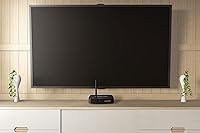
  • Compact footprint fits discreetly on any entertainment shelf without demanding dedicated space.
  • Both microSD and USB storage options give you flexibility in how you set up DVR recording.

Cons

  • ATSC 3.0 channel availability varies dramatically by city — some buyers get very little benefit.
  • Advanced DVR features require an annual subscription fee that is not prominently disclosed upfront.
  • A compatible TV antenna is required but sold separately, adding to the real total cost.
  • The channel guide interface feels sluggish when scrolling through larger local channel lineups.
  • Setup can be genuinely confusing for users unfamiliar with network configuration or antenna placement.
  • Only one HDMI output makes routing audio through a separate AV receiver more complicated.
  • The remote lacks backlighting, which becomes noticeably inconvenient in a darkened home theater.
  • Some users experienced temporary instability immediately following certain firmware update pushes.
  • The subscription paywall on full DVR functionality consistently frustrates buyers expecting an all-in price.
  • Bluetooth 4.0 is present but serves no meaningful practical function in the current feature set.

Ratings

The ZapperBox M1 has been evaluated by our AI after analyzing thousands of verified global user reviews, with spam, bot submissions, and incentivized feedback actively filtered out to ensure accuracy. Scores reflect what real buyers consistently experienced — both the aspects that genuinely impressed them and the friction points that caused frustration. The result is a transparent, balanced snapshot of where this ATSC 3.0 receiver earns its reputation and where it still has room to grow.

Picture Quality
91%
In cities where ATSC 3.0 broadcasts are live, users consistently report a striking improvement over their old antenna boxes — sharper detail, more stable color, and noticeably better motion handling during live sports. HDR10 support adds visible depth on compatible 4K TVs, making free over-the-air TV feel closer to a streaming service than traditional antenna reception.
The improvement is entirely dependent on your local market having active ATSC 3.0 towers. Buyers in smaller markets often end up watching standard ATSC 1.0 signals, which look no better than any other mid-range tuner box — making the picture quality advantage feel geography-locked rather than universal.
ATSC 3.0 Signal Performance
78%
22%
When conditions are right, the tuner locks onto ATSC 3.0 signals reliably and holds them well even with a modest indoor antenna. Several users in major metro areas praised how it handled marginal signal situations better than they expected, picking up channels that older ATSC 1.0 boxes would drop entirely.
ATSC 3.0 coverage is still patchy across the country, and a significant portion of buyers discover after purchase that their market only has a handful of ATSC 3.0 channels — or none at all. This is not a flaw in the hardware itself, but it is the single biggest source of buyer disappointment in user reviews.
DVR Functionality
74%
26%
Recording live OTA broadcasts to a microSD card or USB drive works reliably for most users, and the dual-tuner design means you can record one program while watching another without any conflict. Sports fans in particular appreciate being able to schedule recordings of primetime games on multiple networks simultaneously.
The advanced DVR features — including extended scheduling and series recording — sit behind an optional annual subscription fee. Buyers who skipped the fine print feel caught off guard by this after unboxing. Basic recording works without the subscription, but the experience is notably limited compared to what the marketing implies at first glance.
Channel Guide & Interface
67%
33%
The channel guide is functional and clearly organized, with enough information displayed to navigate your local lineup without confusion. Most tech-comfortable users describe getting up to speed with the interface within a day or two, and appreciate that it shows program metadata rather than just channel numbers.
Responsiveness is a recurring complaint — scrolling through the guide can feel sluggish, especially on longer channel lists. Less tech-savvy users tend to find the interface less intuitive than they expected, and several reviewers noted that it lacks the polished feel of smart TV interfaces they were used to before switching.
Setup Experience
71%
29%
The box ships with an HDMI cable, power adapter, and Ethernet cable included, which helps reduce the initial out-of-pocket friction. For users comfortable with home networking, the initial channel scan and network configuration is straightforward and takes under 30 minutes in most cases.
Several buyers who are less familiar with home networks reported real difficulty during setup, particularly around Wi-Fi configuration and antenna placement. The instruction materials have been described as sparse, and it is easy to miss the fact that a separate antenna — sold independently — is required before the device will do anything at all.
Audio Quality
83%
Dolby Atmos and Dolby AC-4 decoding is a genuine differentiator here — users with AV receivers or Atmos-enabled soundbars noticed richer, more spatially accurate audio on broadcasts that carry the format. For free OTA content, the audio output is well above what most people expect from an antenna-based setup.
Dolby Atmos on OTA broadcasts is still rare, so most users will hear the benefit only occasionally. Those running the box through a basic TV speaker setup will notice very little difference from a standard tuner in day-to-day use, making this a feature that rewards the home theater crowd more than the average living room viewer.
Gateway & Whole-Home Streaming
69%
31%
The gateway mode is a practical bonus for households with multiple TVs, allowing a single antenna signal to be distributed across devices on the same network. Users who took the time to configure it properly found it worked reliably, removing the need for additional antennas or signal splitters in other rooms.
Setting up the gateway feature requires a bit more technical confidence than the core tuner setup, and several users abandoned it after encountering buffering or connection drops on secondary devices. Network stability matters a lot here — on congested or older routers, the experience is noticeably inconsistent.
Build Quality & Design
76%
24%
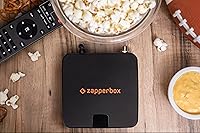
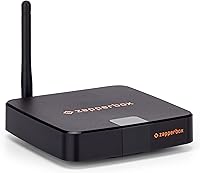
The compact footprint — just 4.5 by 4.75 inches and under two pounds — means it fits easily behind or beside a TV without demanding dedicated shelf space. The matte black finish looks clean and unobtrusive in most living room setups, and the physical build feels solid enough for a set-and-forget device.
The plastic housing feels a step below premium at this price point, and a few users noted the unit runs slightly warm during extended use. Nothing alarming, but it is the kind of thing you notice when handling it compared to pricier home electronics.
Remote Control
62%
38%
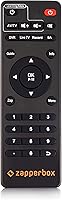
The included remote covers all the core functions without requiring a separate app or phone, and the AAA batteries are included in the box. Button layout is logical enough for navigating the guide and controlling playback without much of a learning curve.
The remote feels lightweight and plasticky, and several users wished it included backlighting for use in a darkened home theater. A few reviews also mentioned inconsistent IR response at wider angles, requiring more direct pointing than expected — a minor but recurring annoyance during daily use.
Connectivity Options
87%
Gigabit Ethernet alongside dual-band Wi-Fi gives users real flexibility in how they connect, and the Gigabit port is particularly appreciated by buyers who want a rock-solid wired connection for streaming and DVR access. Having both a USB 3.0 and USB 2.0 port also adds storage flexibility beyond just the microSD slot.
Bluetooth 4.0 is present but rarely mentioned in user reviews, suggesting it offers limited practical utility in the current feature set. Some users also noted they would have preferred a second HDMI port, since the single output requires a workaround if you want to run audio through an AV receiver while the TV is also connected.
Value for Money
73%
27%
For buyers in strong ATSC 3.0 markets who take full advantage of 4K HDR broadcasts, dual-tuner recording, and the gateway feature, the price represents strong value compared to what a cable subscription costs per month. The included accessories add tangible box value that competitors sometimes leave out.
For buyers in markets without ATSC 3.0 coverage yet, the value equation is harder to justify against cheaper ATSC 1.0 alternatives. Factor in the optional DVR subscription and the separately purchased antenna and storage, and the total cost of ownership creeps higher than the sticker price alone suggests.
Reliability & Firmware Updates
79%
21%
Long-term owners generally report stable day-to-day performance once the device is properly configured. Firmware updates have been delivered with reasonable regularity, and several users noted that specific bugs — including guide refresh issues — were resolved through updates after launch.
There have been reports of occasional freezes or reboots after certain firmware pushes, which created temporary frustration before follow-up fixes arrived. For a device that some users rely on as their primary TV source, any instability in updates is felt more acutely than it would be on a secondary device.
Subscription Transparency
54%
46%
The base device does function without the subscription for simple recording and playback, which means buyers can use the core product without committing to ongoing costs. Some users who opted into the annual plan felt the price was reasonable given the DVR scheduling features it unlocks.
This is one of the most consistently mentioned frustrations across user reviews — many buyers did not realize advanced DVR features required a recurring fee until after purchase. The perception of a paywall on features that feel standard on competing devices continues to affect overall satisfaction scores meaningfully.

Suitable for:

The ZapperBox M1 is genuinely worth considering if you live in a major metro area where ATSC 3.0 broadcasts have already launched and you want to watch free over-the-air TV at the highest quality currently available. It rewards cord-cutters who are serious about their setup — people willing to pair it with a good outdoor or attic antenna, a 4K HDR television, and ideally a home theater audio system that can take advantage of Dolby Atmos. Sports fans who follow NFL, college football, or primetime network programming will get real day-to-day utility from the dual-tuner DVR, especially since recording two channels simultaneously without a cable box subscription is a privilege most people don't realize is possible. Households with multiple TVs will also find the whole-home gateway feature genuinely useful, cutting out the need for additional antennas or splitters in secondary rooms. If your goal is to future-proof your antenna setup as ATSC 3.0 coverage continues to expand nationally, this OTA tuner is one of the most capable options currently on the market at this price tier.

Not suitable for:

If you live outside a major city or in a region where ATSC 3.0 broadcasting has not yet rolled out, the ZapperBox M1 will essentially function as an expensive ATSC 1.0 tuner — capable, but hard to justify over cheaper alternatives that do the same job. Buyers who are not comfortable with basic home networking setup, antenna placement, or storage configuration may find the experience more frustrating than rewarding, particularly without strong instructional support from the included materials. This ATSC 3.0 receiver is also not the right fit for anyone expecting a fully unlocked DVR experience out of the box — advanced scheduling and series recording features require an optional annual subscription that is easy to overlook before purchase. People looking for a plug-and-play, no-fuss TV experience similar to a cable box will likely find the interface and setup process more demanding than they want. Finally, if you only have a 1080p television or no interest in HDR or surround sound, you will not get meaningful value from the premium features that drive this device's price above entry-level competition.

Specifications

  • Tuner Standards: Supports both ATSC 3.0 (NextGen TV) and ATSC 1.0 broadcast standards, ensuring compatibility with current and legacy over-the-air signals.
  • Tuner Count: Dual-tuner design allows two channels to be received simultaneously, enabling one to be recorded while another is watched live.
  • Video Output: Outputs up to 4K resolution at 60, 30, or 24fps, with full support for 1080p, 1080i, and 720p on compatible displays.
  • HDR Support: Decodes HDR10 and HLG high dynamic range formats for improved brightness, contrast, and color on HDR-capable televisions.
  • Audio Decoding: Supports Dolby Atmos and Dolby AC-4 audio formats for immersive, object-based surround sound on compatible receivers and soundbars.
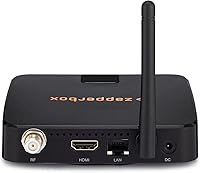
  • HDMI Output: Equipped with one HDMI port for connecting directly to a television or AV receiver.
  • USB Ports: Includes one USB 3.0 port and one USB 2.0 port, both usable for attaching external storage drives for DVR recording.
  • Storage Slot: Features a built-in microSD card slot as an alternative storage option for DVR recording without requiring an external USB drive.
  • Wi-Fi: Dual-band 802.11 b/g/n/ac Wi-Fi supports both 2.4GHz and 5GHz bands for flexible wireless network connectivity.
  • Ethernet: Gigabit Ethernet port (10/100/1000 Mbps) provides a fast, stable wired network connection for DVR access and whole-home gateway streaming.
  • Bluetooth: Bluetooth 4.0 is included for short-range wireless peripheral connectivity.
  • Dimensions: Measures 4.5 x 4.75 x 1 inches, making it compact enough to sit discreetly on an entertainment shelf or behind a television.
  • Weight: Weighs 1.7 pounds, light enough to position flexibly near your display without dedicated mounting hardware.
  • DVR Subscription: Advanced DVR features such as series scheduling require an optional subscription priced at 29.99 USD per year; basic recording functions without a subscription.
  • Power: Powered via the included AC power adapter; no USB bus power option is available.
  • Remote & Batteries: Ships with an IR remote control powered by two AAA batteries, which are included in the box.
  • In-Box Contents: Package includes the tuner unit, remote control, HDMI cable, power adapter, Ethernet cable, and two AAA batteries.
  • Antenna Required: A compatible over-the-air TV antenna is required for operation but is not included and must be purchased separately.

Related Reviews
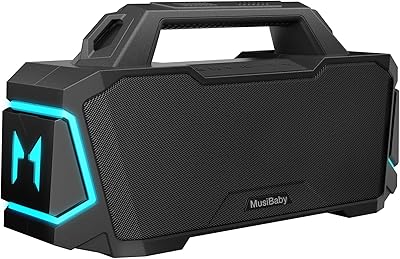
MusiBaby M1 Bluetooth Speaker
84%
88%
Sound Quality
91%
Battery Life
85%
Waterproofing & Durability
77%
Portability & Weight
83%
Ease of Use
More
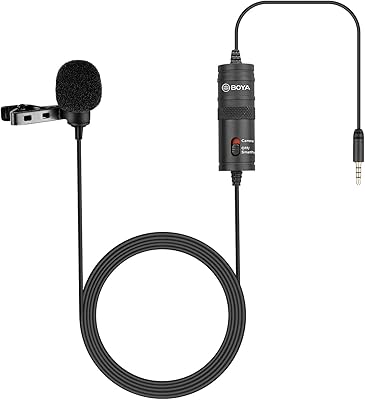
BOYA BY-M1 Lavalier Microphone
85%
92%
Value for Money
88%
Sound Quality
91%
Ease of Use
93%
Portability
75%
Noise Cancellation
More
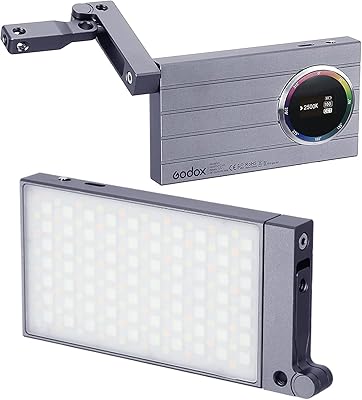
Godox M1 RGB LED Video Light
78%
94%
Color Accuracy
91%
Build Quality
93%
Portability
63%
Battery Life
89%
RGB Color Range & Control
More
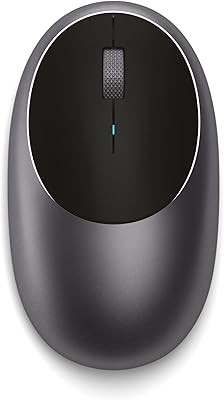
Satechi M1 Wireless Bluetooth Mouse
90%
95%
Tracking Accuracy
92%
Connectivity Stability
90%
Battery Life
88%
Ergonomics & Comfort
89%
Build Quality
More
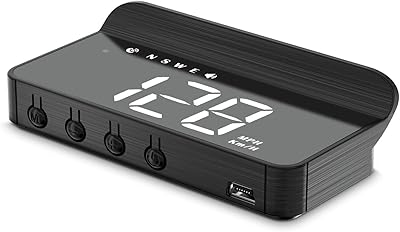
Liiiyuan M1 White Windshield HUD
85%
89%
Display Clarity
94%
Ease of Installation
88%
Brightness Adjustment
85%
Safety Alerts (Overspeed/Fatigue)
73%
GPS Signal Acquisition
More
Victrola M1 Monitors Powered Bookshelf Speakers
86%
89%
Sound Quality
92%
Bluetooth Connectivity
85%
Bass Performance
88%
Build Quality
90%
Ease of Setup
More
GeowFiiTech M1 4K Night Vision Monocular
83%
89%
Image Quality
85%
Zoom and Range
72%
Battery Life
91%
Ease of Use
80%
Build Quality
More
Sena M1 Bluetooth Mountain Bike Helmet
83%
93%
Intercom Performance
91%
Battery Life
78%
Comfort & Fit
85%
Build Quality
88%
Visibility & Safety Features
More
iTwano M1 Mini Vintage Digital Camera
84%
88%
Ease of Use
94%
Portability & Size
83%
Photo Quality
80%
Video Quality
90%
Design & Build Quality
More
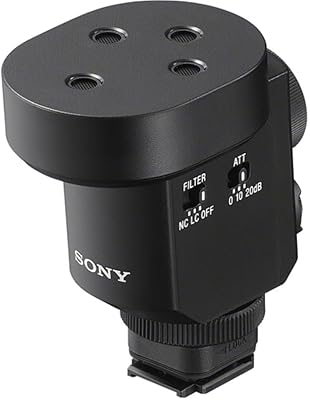
Sony Digital Shotgun Microphone ECM-M1
86%
88%
Sound Quality
92%
Directional Audio Performance
90%
Portability
87%
Ease of Use
80%
Build Quality
More

FAQ

Not at all — the ZapperBox M1 is designed specifically for free over-the-air TV. All you need is a compatible TV antenna (sold separately) and a broadband connection if you want to use DVR or gateway features. There are no mandatory monthly fees just to watch live broadcast channels.

The best way to check is by visiting the NextGenTV website or searching for ATSC 3.0 stations in your market. Coverage is concentrated in larger metro areas right now and is still expanding, so if you are in a smaller city or rural area, you may only have access to standard ATSC 1.0 broadcasts for the time being.

You will need to supply your own microSD card or USB external drive — neither is included in the box. For casual recording, a 64GB or 128GB microSD card works well. If you plan to record a lot of 4K content, a larger USB hard drive is a smarter long-term investment since 4K video files take up considerably more space than 1080p.

You can record without the subscription, but your options will be limited to basic manual recordings. The annual subscription unlocks series recording, extended program scheduling, and other features that make the DVR genuinely convenient to use day to day. Whether it is worth the cost depends on how heavily you rely on recording — casual users may find the free tier sufficient.

You will need a 4K-capable television to see any benefit from the 4K output, and your TV should also support HDR10 or HLG to take full advantage of the picture quality improvements available from ATSC 3.0 broadcasts. If your TV is 1080p only, the OTA tuner will still work fine — you just will not see the 4K or HDR benefits.

When enabled, this ATSC 3.0 receiver acts as a server on your home network, streaming live OTA channels to other compatible apps and devices connected to the same Wi-Fi or Ethernet network. This means you can watch your antenna TV on a tablet or second television in another room without running a second antenna or cable. Your home network needs to be reasonably stable for this to work smoothly.

Yes, the dual-tuner design was built specifically for this. You can record two different channels simultaneously, or record one channel while watching a completely separate live broadcast on the other tuner. It is one of the more practical features for households that follow multiple shows or sports events that air at the same time.

It depends on your comfort level with home electronics. Connecting the box to your TV via the included HDMI cable and running a channel scan is straightforward for most people. Where things can get tricky is Wi-Fi configuration, antenna positioning for best signal reception, and setting up external storage for DVR use. The included setup documentation is fairly minimal, so some buyers find it helpful to look up setup guides online before starting.

It works with standard coaxial-connected TV antennas — indoor, outdoor, or attic-mounted. That said, ATSC 3.0 signals can sometimes require a stronger or better-positioned antenna than older ATSC 1.0 signals, so if you have been using a basic indoor antenna, you may want to consider upgrading to an amplified or outdoor model to get the best possible reception.

The manufacturer has been reasonably consistent with firmware updates since launch, and several early software issues — including guide-related bugs — have been addressed through those updates. Long-term owners generally report stable day-to-day performance, though a small number of users have noted temporary glitches immediately after a firmware push before a follow-up fix arrives. Overall, the software support track record is better than average for a device in this category.