Overview
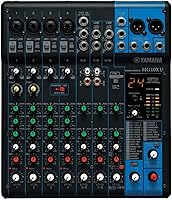
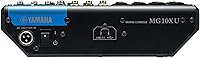
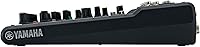
The Yamaha MG10XU stands out as a reliable centerpiece for anyone needing a mix of classic analog control and modern digital convenience. Built into a powder-coated metal chassis, this analog mixer feels substantial enough to survive the rigors of travel while maintaining a footprint small enough for a cluttered desk. Inside, it utilizes high-quality D-PRE preamps, which essentially act as the clean engine of your sound. Unlike cheaper alternatives that add hiss or coloration, these preamps keep your microphones sounding natural and open. While many small boards feel like disposable plastic toys, this unit is clearly designed for longevity. The addition of a 2-in/2-out USB interface makes it easy to bridge the gap between physical instruments and your favorite recording software without needing extra boxes.
Features & Benefits
Shaping your sound on the MG10XU console is remarkably intuitive thanks to the one-knob compressors found on the first few channels. Instead of fussing with complex threshold or ratio settings, a simple turn brings vocals forward and keeps bass lines tight. To add depth, the SPX digital effects engine provides a generous variety of reverbs and delays that sound professional rather than metallic. You also get a tactile three-band EQ and high-pass filters to strip away unwanted low-end rumble, ensuring a transparent signal path to your monitors. Having physical knobs to grab during a live session offers a level of immediacy that software menus simply cannot replicate. Every balanced XLR and TRS output is designed to maintain signal integrity, keeping your final mix crisp and free from interference.
Best For
Whether you are a solo performer or part of a small acoustic ensemble, this compact board offers the perfect balance of inputs and portability. It is equally at home in a podcasting setup, where the ability to blend multiple microphones and computer audio in real-time is essential for a polished broadcast. Content creators will appreciate the tactile hardware control over their levels, which helps avoid the frustration of clicking through digital faders mid-stream. Additionally, its straightforward layout makes it a reliable choice for houses of worship or classrooms where volunteers may need to operate the sound without extensive technical training. It provides enough flexibility for 24-bit recording in a home studio while remaining rugged enough to be tossed into a gig bag for a weekend show at a local coffee shop.
User Feedback
Real-world users frequently highlight the ultra-low noise floor when discussing this analog mixer, noting that the preamps remain impressively quiet even when pushed. The interface is often praised for being beginner-friendly, allowing newcomers to get a clean signal without a steep learning curve. However, it is worth noting that some owners find the no physical power switch slightly annoying, as you have to physically unplug the unit or use a power strip to turn it off. Despite this quirk, the consensus remains overwhelmingly positive regarding its long-term durability in mobile environments. Many reviewers have expressed relief that the knobs and faders feel sturdy rather than wobbly after months of heavy use. It consistently earns high marks for delivering a professional sound profile that belies its relatively modest price point and compact size.
Pros
- The powder-coated metal chassis provides exceptional durability for mobile gigging and frequent travel.
- Signature D-PRE preamps offer a transparent, low-noise floor that captures vocals and instruments with impressive clarity.
- Integrated USB interface supports high-resolution 24-bit/192kHz audio for professional-sounding home studio recordings.
- Intuitive one-knob compressors allow users to balance audio dynamics effortlessly without deep technical expertise.
- The built-in SPX effects engine provides 24 high-quality presets that add professional polish to any live performance.
- A color-coded interface and tactile knobs offer immediate, beginner-friendly control that software-only solutions simply cannot match.
- Compact dimensions and a weight under five pounds make it remarkably easy to transport in a standard gig bag.
- Balanced XLR outputs ensure a clean, interference-free signal path to professional powered speakers and monitors.
Cons
- The lack of a dedicated physical power switch requires users to unplug the unit or use a power strip to turn it off.
- An oversized external power brick adds significant bulk and clutter to a portable or desktop setup.
- Fixed-frequency EQ dials lack sweepable mid-range controls, making it difficult to correct specific tonal issues in resonant rooms.
- The proprietary power connector is difficult to replace if lost or damaged compared to standard universal cables.
- This analog mixer lacks dedicated channel inserts, preventing the use of external hardware processors on individual inputs.
- USB output levels can be somewhat low, often requiring significant gain adjustments within recording software to achieve a strong signal.
- All input channels must share the same internal effect preset, limiting the ability to apply different processing to diverse sources.
Ratings
After synthesizing thousands of global verified buyer experiences, our AI has carefully analyzed the Yamaha MG10XU to provide a transparent look at its real-world performance. By filtering out incentivized reviews and spam, we have compiled these scores to reflect the genuine strengths and recurring frustrations reported by professional and amateur users alike.
Build Quality
Preamp Clarity
Ease of Use
USB Interface Stability
Internal Effects Quality
Portability
Dynamic Range
Connectivity Options
One-Knob Compression
Value for Money
Low Frequency Control
Suitable for:
The Yamaha MG10XU is an excellent fit for solo musicians, small acoustic bands, and content creators who need professional-grade sound without a steep learning curve. Its compact footprint makes it a favorite for traveling performers who need a board that can survive life on the road while still providing clean, transparent audio. Podcasters and livestreamers will particularly appreciate the built-in USB interface, which allows for direct recording to a computer without needing extra hardware. The inclusion of phantom power and one-knob compression makes it easy to get a polished vocal sound for voice-overs or singing. Additionally, its straightforward layout is ideal for educational environments or houses of worship where volunteers need to manage multiple audio sources reliably.
Not suitable for:
While highly versatile, the Yamaha MG10XU is not the right choice for large ensembles or complex theater productions that require more than four microphone inputs. Professional studio engineers who need surgical control might find the fixed-frequency EQ limiting, as it lacks sweepable mid-range controls for troubleshooting difficult frequencies. The absence of a physical power switch is a genuine frustration for users who want to leave their gear plugged in at a desk without keeping it powered on 24/7. Buyers looking for advanced routing options, like dedicated channel inserts for external gear, will likely find this analog mixer too restrictive for their workflow. Finally, those who require a bus-powered device for field recording should look elsewhere, as this unit depends on a bulky external power adapter.
Specifications
- Mixer Type: This is a 10-channel analog mixing console with a built-in digital effects engine.
- USB Interface: It features a 2-in/2-out USB 2.0 interface supporting up to 24-bit / 192kHz resolution.
- Microphone Preamps: The unit includes 4 D-PRE discrete Class-A microphone preamps with inverted Darlington circuits.
- Phantom Power: Global +48V phantom power is available for all four XLR input channels.
- Chassis Material: The external casing is constructed from impact-resistant, powder-coated metal for high durability.
- Dimensions: The physical footprint measures 9.6″ in width, 2.8″ in height, and 11.6″ in depth.
- Weight: The mixer itself weighs approximately 4.63 pounds, excluding the external power adapter.
- Input Configuration: It provides 4 mono combo inputs (XLR/TRS) and 3 stereo line inputs.
- Compression: Dedicated one-knob compressors are integrated into channels 1 and 2 for easy dynamic control.
- Equalization: Each channel features a 3-band EQ and high-pass filters set at 80Hz to eliminate low-frequency rumble.
- Digital Effects: The internal SPX processor offers 24 editable programs including reverb, delay, and modulation.
- Output Ports: Connections include balanced XLR and TRS stereo outs, a monitor out, and a dedicated headphone jack.
- Metering: Visual monitoring is provided by a 7-segment LED level meter for accurate signal tracking.
- Power Source: The device requires an external AC adapter (PA-10) which is included in the box.
- Pad Switch: Channels 1 through 4 include a 26dB pad switch for handling high-output signal sources.
Related Reviews
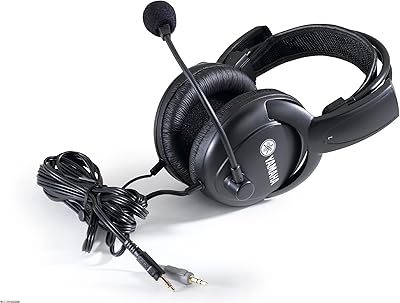
Yamaha CM500 Computer Headset with Microphone
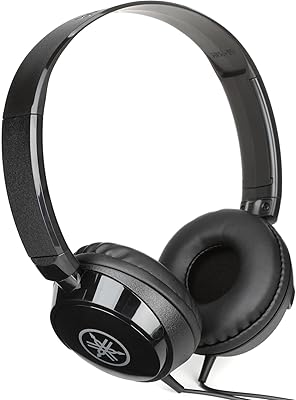
Yamaha HPH-50 Closed-Back Headphones

Yamaha HPH-100 On-Ear Headphones
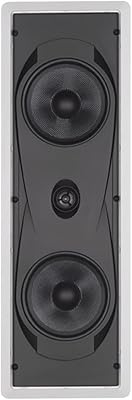
Yamaha NSIW960 In-Wall Speaker
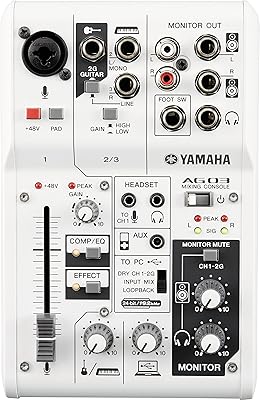
Yamaha AG03 3-Channel USB Mixer
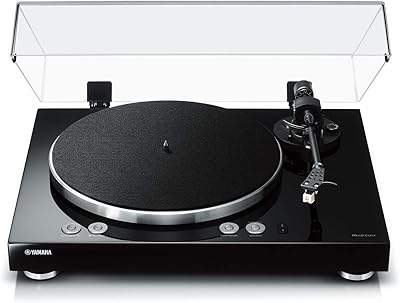
Yamaha MusicCast Vinyl 500 Turntable
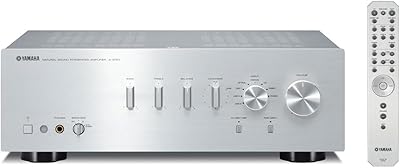
Yamaha A-S701SL Integrated Stereo Amplifier
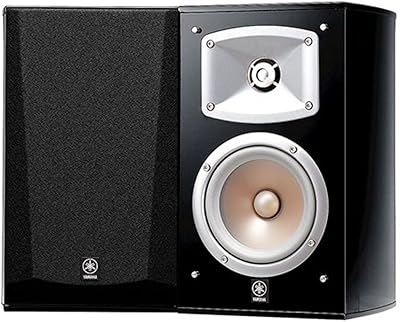
Yamaha NS-333

Yamaha HPH-MT5 Studio Monitor Headphones