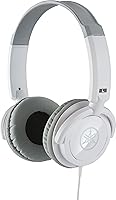

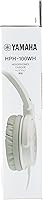
Overview

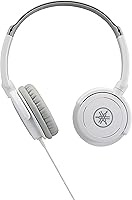
The Yamaha HPH-100 On-Ear Headphones are not trying to compete with the latest consumer audio brands — and that's exactly the point. Yamaha designed these specifically to complement their own keyboards and digital pianos, drawing on decades of instrument manufacturing experience rather than chasing street-audio trends. The closed-back on-ear design means ambient noise gets passively blocked during home practice, which matters far more to a pianist than punchy bass response. These are wired only, no Bluetooth, built around a straightforward purpose: helping musicians focus on their playing without disturbing anyone else in the house.

Features & Benefits

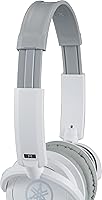
What makes the HPH-100 worth considering isn't any single standout spec — it's how thoughtfully the whole package is assembled for instrument use. The ear cups rotate 90 degrees and the headband adjusts with enough range to genuinely fit different head sizes, so long practice sessions stay comfortable rather than becoming a distraction. The single-sided 2-meter cable keeps things tidy on a desk or music stand, and Yamaha includes both a 3.5mm plug and a 6.3mm adapter in the box — the kind of practical detail that matters when you just want to plug in and play. At 46 Ohm impedance and 103 dB sensitivity, it drives cleanly from any keyboard headphone jack without an external amp.

Best For

These Yamaha practice headphones are squarely aimed at pianists and keyboard players who practice at home and need to keep the volume contained. Students working through lessons late at night, hobbyists with neighbors nearby, or parents setting up a child's keyboard corner — all fit the profile well. If you already own a Yamaha instrument, there's something to be said for using an accessory designed by the same company; the sonic character tends to suit piano tones rather than EDM or podcast listening. Anyone chasing audiophile detail or wireless freedom should look elsewhere. This on-ear set is honest about what it is: a reliable practice tool, not a lifestyle headphone.

User Feedback

Across more than 1,400 ratings, the HPH-100 holds a 4.4-star average — a score that reflects genuine satisfaction rather than enthusiasm. The most consistent praise centers on wearing comfort during extended sessions; players report practicing for an hour or two without the ear fatigue that cheaper alternatives cause. Sound quality gets described as clear and balanced, well-suited to piano and keys, not artificially bass-boosted like many consumer models. Where honest criticism appears, it tends to focus on headband durability: a handful of long-term users have noted the plastic feeling fragile after a year or more of regular use. Worth keeping in mind if this will see daily, heavy-use practice.

Pros

  • Comfortable enough for hour-long practice sessions without causing ear fatigue.
  • The adjustable headband and rotating ear cups fit a wide range of head sizes well.
  • Closed-back design passively blocks ambient noise, helping players stay focused.
  • Both 3.5mm and 6.3mm adapters are included, covering most keyboards out of the box.
  • The single-sided 2-meter cable keeps the desk tidy and eliminates tangles.
  • At 148g, the HPH-100 is light enough that you genuinely forget you are wearing it.
  • Sound reproduction is clear and balanced — well-matched to piano and keyboard tones.
  • Drives cleanly from any standard keyboard headphone output without needing extra gear.
  • A 4.4-star average across well over a thousand reviews signals consistent real-world satisfaction.
  • Yamaha brand reliability gives buyers confidence in after-purchase support and parts availability.

Cons

  • No Bluetooth or wireless option — you are always tethered to the instrument.
  • The headband plastic has been flagged by some long-term users as feeling fragile over time.
  • On-ear fit may feel less isolating than over-ear alternatives for players in noisy environments.
  • Not suited for general casual listening — sound tuning is narrow in its intended use case.
  • No inline microphone or remote, so these cannot double as a hands-free call headset.
  • Faux leather ear cushions may cause discomfort or warmth during very long sessions in summer.
  • The 2-meter cable, while practical at a desk, can feel restrictive if you move around while playing.
  • Limited color options mean personalisation choices are minimal compared to consumer headphone brands.

Ratings

The scores below reflect an AI-driven analysis of verified global buyer reviews for the Yamaha HPH-100 On-Ear Headphones, with spam, bot-generated, and incentivized feedback actively filtered out before any scoring was applied. These Yamaha practice headphones were evaluated across categories that matter most to real musicians and students — not generic consumer headphone benchmarks. Both the genuine strengths and the honest pain points are reflected in every score.

Wearing Comfort
91%
This is the category where the HPH-100 earns the most consistent praise across thousands of reviews. Players report wearing them for 60 to 90 minutes of uninterrupted practice without the ear fatigue or headband pressure that cheaper alternatives cause. The lightweight 148g build and rotating ear cups make a real, noticeable difference.
On-ear designs inherently apply more pressure to the outer ear than over-ear alternatives, and a small number of users with smaller heads found the fit less stable during movement. In warmer environments, the faux leather cushions can trap heat over very long sessions.
Sound Quality
78%
22%
For the specific purpose of monitoring piano and keyboard tones, the balanced, neutral sound profile works in the HPH-100's favor. Users consistently note that acoustic piano patches and electric piano sounds come through clearly and naturally, without the artificial bass boost common in consumer headphones that can muddy low-register notes.
Outside of instrument practice, the sound character feels flat to ears accustomed to consumer-tuned headphones. There is limited low-end energy and no particular sparkle in the high frequencies, so listeners expecting an engaging general-music listening experience will likely find these underwhelming.
Build Quality
63%
37%
Out of the box, the HPH-100 feels solid enough for regular home use, and the hinges and ear cup rotation mechanism hold up well through daily adjustments. The cable connection point and jack feel robust, which matters since those tend to be the first failure point on wired headphones.
The headband plastic is the most commonly cited long-term concern, with multiple reviewers noting it feels thin and develops stress marks or cracks after a year or more of consistent daily use. For a practice headphone that is picked up and put down repeatedly, this is a real consideration worth factoring into the purchase decision.
Instrument Compatibility
94%
The inclusion of both a 3.5mm plug and a 6.3mm screw-on adapter means this on-ear set covers virtually every keyboard and digital piano headphone output without any additional purchases. Players switching between an entry-level Yamaha PSR and a stage piano with a larger jack do not need to carry extra gear.
Compatibility is essentially limited to wired instrument outputs — there is no Bluetooth and no wireless workaround, so players who want to move around freely or connect to a tablet-based lesson app wirelessly will need a different solution entirely.
Passive Noise Isolation
74%
26%
The closed-back design does a respectable job of containing sound bleed, which is the primary reason most people buy practice headphones in the first place. Family members in adjacent rooms generally cannot hear keyboard playing at moderate volumes, which is the core use case these were built around.
Passive isolation is not the same as active noise cancellation, and in genuinely loud environments — a busy household, street noise through a thin wall — outside sound still bleeds in enough to be distracting. Players in very noisy settings may find the isolation level insufficient.
Cable Design
86%
The single-sided, 2-meter tangle-free cable is one of those practical design choices that players only fully appreciate once they have dealt with the alternative. It stays neatly out of the way of the playing hand, and the 2-meter length is generous enough to reach a keyboard on a stand without pulling tight.
The cable is not detachable, which is a common limitation at this price point but still worth noting — if the cable is damaged near the plug, the whole headphone becomes unusable without a repair. Some players also found 2 meters slightly long for use with a keyboard placed directly on a desk.
Value for Money
82%
18%
For a wired practice headphone from a brand that actually makes the instruments it is designed to work with, the HPH-100 represents fair value. Buyers get a branded, purpose-built accessory with adapters included, rather than a generic rebranded unit with a music-brand logo stuck on the housing.
At this price, the plastic build durability leaves some buyers feeling the product does not quite justify the cost over the long term, particularly compared to a few third-party alternatives that offer a more robust chassis for similar money.
Headband Adjustability
83%
The sliding headband mechanism adjusts smoothly and locks into position reliably, which matters when the headphones are shared between a parent and a child or between multiple students. Most users find a comfortable setting quickly without fiddling.
The adjustment range, while adequate for most adults, sits on the smaller side of what over-ear alternatives typically offer. Users with notably larger heads reported the band feeling slightly tight even at maximum extension after prolonged wear.
Ear Cushion Quality
71%
29%
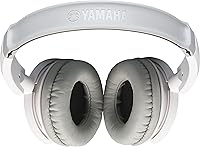
The faux leather ear pads provide a smooth, easy-to-clean surface and contribute meaningfully to the passive isolation the closed-back design offers. They feel adequately soft for the first hour of use and are easy to wipe down after sessions.
Faux leather ear cushions have a known durability ceiling — several long-term owners noted peeling or cracking of the pad surface after 18 to 24 months of regular use. Replacement pads are not widely stocked, which can cut the functional life of an otherwise working headphone short.
Portability & Storage
67%
33%
The 90-degree rotating ear cups allow the headphones to fold into a reasonably compact profile, making them easy to store in a keyboard bag or instrument case. At 148g, they add negligible weight to any carry setup.
No carry pouch or hard case is included in the box, which means loose storage in a bag risks scratching the housing or stressing the headband over time. For a product positioned as a companion accessory, a basic protective bag would have been a welcome addition.
Setup & Ease of Use
97%
There is genuinely nothing to configure — plug in, choose the right adapter for your instrument jack, and play. For beginners and students, this zero-friction setup removes a real barrier. The physical controls are minimal by design, which means there is nothing to accidentally adjust mid-session.
The complete absence of any controls — no volume wheel, no cable remote — means players must adjust volume at the instrument itself. For some setups where the keyboard volume knob is awkwardly positioned, this can be a minor inconvenience during practice.
Aesthetic Design
76%
24%
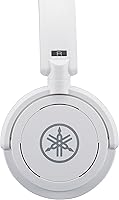
The clean white colorway reviewed here complements Yamaha's own instrument color palette well, and the Yamaha branding is tasteful rather than oversized. For students who care about how their practice setup looks, these hold up aesthetically alongside modern digital pianos.
The design is conservative and functional rather than expressive, with limited color options compared to consumer headphone brands. Younger players or those who want a more distinctive personal style will find the aesthetic choices narrow.
Brand Trust & Support
88%
Yamaha's long-standing reputation in the musical instrument industry provides a layer of confidence that pure audio brands cannot easily replicate for musician buyers. Knowing the same company built both the instrument and the headphone carries real weight for students and their parents.
Dedicated after-sales support for headphone accessories tends to be thinner than for Yamaha's core instrument lines. Sourcing replacement parts like ear pads or cables through official channels can be slow or difficult depending on region.

Suitable for:

The Yamaha HPH-100 On-Ear Headphones are an ideal choice for pianists and keyboard players who practice at home and need to keep things quiet — whether that means not waking up a sleeping household or simply avoiding the awkwardness of neighbors hearing every mistake. Students taking lessons on a Yamaha digital piano will find the plug-and-play compatibility genuinely convenient, since the included adapters cover both standard jack sizes without any additional purchases. Hobbyists who play for an hour or two at a stretch will appreciate how lightweight and adjustable the fit is, making extended sessions physically comfortable rather than a chore. For anyone already invested in the Yamaha ecosystem, there is a real logic to using an accessory tuned to complement the sonic character of those instruments specifically. This on-ear set also works well as a first serious practice headphone for younger students, given its durability-meets-value positioning and trusted brand backing.

Not suitable for:

The Yamaha HPH-100 On-Ear Headphones are a poor fit for anyone expecting a general-purpose headphone they can use across workouts, commutes, and casual listening sessions. There is no Bluetooth, no inline remote, and no noise-cancellation technology — so buyers coming from the wireless consumer audio world will find this setup feels stripped-down by comparison. Audiophiles or producers seeking precise, studio-accurate sound reproduction will likely find the HPH-100 too basic; it is optimized for comfortable practice monitoring, not critical listening or mixing work. If long-term build durability is a top priority, it is worth noting that some users have flagged concerns about the headband plastic after prolonged daily use, which may give pause to those who are hard on their gear. Finally, anyone hoping to use these away from a fixed instrument setup — on a phone, laptop, or tablet without an adapter — will find the experience less convenient than a more versatile wired or wireless option.

Specifications

  • Headphone Type: Closed-back, on-ear design that passively blocks ambient sound during practice sessions.
  • Driver Type: Dynamic driver, tuned to reproduce piano and keyboard tones with clarity and balance.
  • Impedance: 46 Ohm impedance, compatible with standard headphone outputs on digital pianos and keyboards without a separate amplifier.
  • Sensitivity: 103 dB sensitivity, delivering adequate volume from low-powered instrument headphone jacks.
  • Cable Length: Single-sided cable measuring 2 meters, designed to reach comfortably from a keyboard on a stand or desk.
  • Cable Style: Tangle-free, single-sided arrangement that keeps the cable away from the non-dominant side during play.
  • Connectivity: Wired only via 3.5mm stereo plug; no Bluetooth or wireless functionality is supported.
  • Included Adapters: Ships with both a 3.5mm stereo plug and a screw-on 6.3mm adapter to cover standard keyboard and piano headphone jacks.
  • Weight: 148g (5.2 oz), making it lightweight enough for extended wear during long practice sessions.
  • Ear Cup Rotation: Ear cups rotate up to 90 degrees, allowing a flat fold and a flexible fit across different head shapes.
  • Headband: Finely adjustable headband with a sliding mechanism to accommodate a wide range of head sizes.
  • Ear Cushion Material: Faux leather ear pads that provide a soft contact surface and contribute to passive sound isolation.
  • Compatible Devices: Designed primarily for use with Yamaha digital pianos and keyboards, but compatible with any device featuring a 3.5mm or 6.3mm headphone output.
  • Noise Control: Passive isolation only through the closed-back design; no active noise cancellation technology is included.
  • Dimensions: Product dimensions measure approximately 9.45 x 6.69 x 1.97 inches in packaged form.
  • Available Colors: Available in white or black to match the aesthetic of Yamaha instrument lines.
  • Bluetooth: Bluetooth is not supported; this is a strictly wired headphone.
  • Manufacturer: Designed and produced by Yamaha Corporation, a company with a long-established history in musical instruments and audio equipment.

Related Reviews
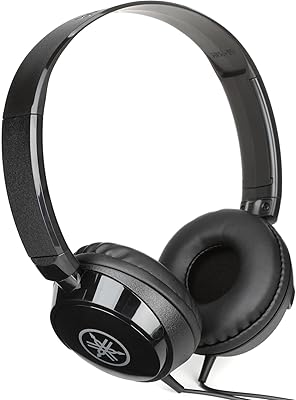
Yamaha HPH-50 Closed-Back Headphones
81%
88%
Comfort & Fit
76%
Sound Quality
62%
Build Quality
91%
Cable & Connectivity
71%
Passive Isolation
More
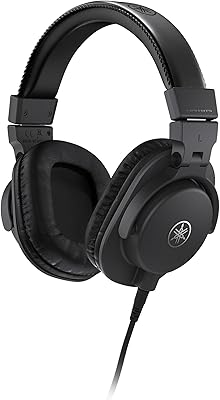
Yamaha HPH-MT8 Monitor Headphones
86%
91%
Sound Accuracy
85%
Comfort for Long Sessions
89%
Build Quality
94%
Noise Isolation
87%
Value for Money
More
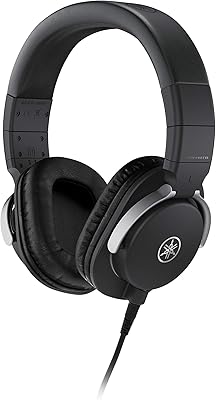
Yamaha HPH-MT5 Studio Monitor Headphones
74%
83%
Sound Accuracy
71%
Bass Response
79%
Comfort & Fit
67%
Build Quality
74%
Passive Isolation
More
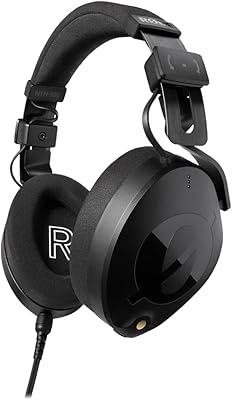
RØDE NTH-100
RØDE NTH-100
86%
91%
Acoustic Accuracy
94%
Thermal Management
87%
Build Durability
83%
Long-Term Comfort
89%
Cable Versatility
More
Kiwi Ears Altruva
Kiwi Ears Altruva
81%
91%
Sound Quality
93%
Soundstage & Imaging
88%
Build Quality
74%
Comfort & Fit
89%
Driver Performance
More
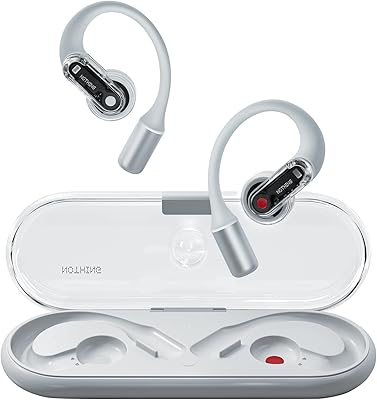
Nothing Ear (Open) Open-Ear Earbuds
79%
91%
Wearing Comfort
83%
Workout Stability
74%
Sound Quality
77%
Call Quality
49%
Sound Leakage
More
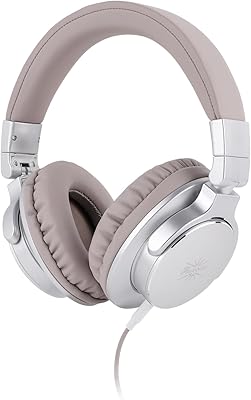
Linsoul Kiwi Ears Division Over-Ear Headphones
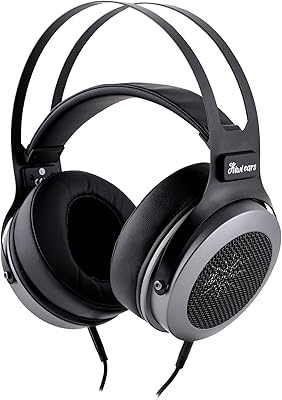
86%
92%
Sound Quality
89%
Comfort for Extended Use
75%
Noise Isolation
88%
Build Quality
85%
Ease of Use
More
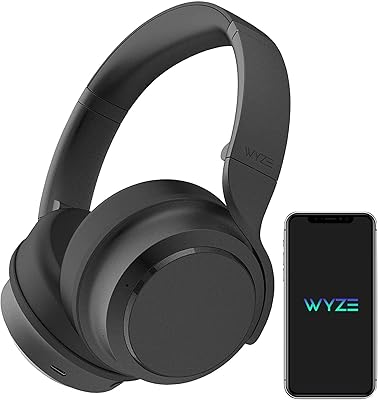
Wyze Headphones WNCH1 Noise Cancelling Bluetooth Over-Ear Headphones
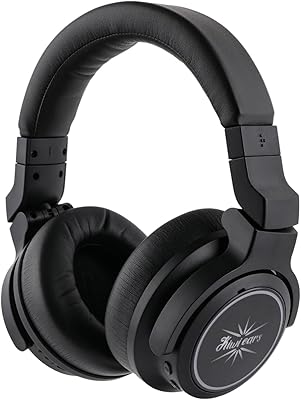
83%
87%
Noise Cancellation
91%
Battery Life
85%
Comfort for Extended Use
78%
Bluetooth Connectivity
65%
Microphone Quality
More
Kiwi Ears Ardor
Kiwi Ears Ardor
78%
88%
Sound Quality
67%
Active Noise Cancellation
93%
Battery Life
61%
Build Quality
82%
Comfort & Fit
More
Kiwi Ears Aventus
Kiwi Ears Aventus
77%
83%
Sound Quality
71%
Active Noise Cancellation
78%
Battery Life
81%
Build Quality
77%
Comfort & Fit
More

FAQ

Yes, they will work with any keyboard or digital piano that has a standard 3.5mm or 6.3mm headphone output. The included adapter covers both sizes, so you can plug in without any extra purchases regardless of the brand of instrument you own.

No. At 46 Ohm impedance and 103 dB sensitivity, the HPH-100 drives cleanly and loudly from any standard keyboard headphone jack. You will not need an external amp for home practice use.

Quite comfortable for most players. The headband is adjustable and the ear cups rotate to fit different head shapes, and at just 148g the whole unit sits lightly on your head. Many users report wearing them for extended sessions without discomfort, though on-ear designs can vary by individual — if you have particularly sensitive ears, an over-ear style might suit you better.

The audio components and cushioning hold up well, but it is worth being upfront: some long-term users have noted that the headband plastic can feel a little fragile after a year or more of daily use. These Yamaha practice headphones are solidly built for regular home practice, but if you are especially rough on your gear, handle the headband with some care.

You can, but they were not designed with that in mind. The sound is balanced and clear rather than bass-boosted, which many casual listeners prefer in consumer headphones. They will work fine for general listening, but if that is your main use case, you might get more enjoyment from a headphone tuned specifically for entertainment.

Not really. The cable is single-sided, meaning it exits from one ear cup only, and at 2 meters it gives you plenty of slack to reach the headphone jack on a keyboard that is sitting on a stand or desk. Most players find it stays out of the way naturally.

They will connect to any device with a 3.5mm headphone jack using the included plug. However, there is no inline microphone or remote, so you cannot use them for calls or media controls. For a phone or laptop they will play audio fine, just without the convenience features you might expect from consumer earphones.

The faux leather ear pads can be wiped down gently with a slightly damp cloth. Avoid soaking them or using harsh chemical cleaners, as this can cause the faux leather to crack or peel over time. A quick wipe after each session keeps them in good condition.

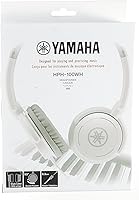
The box includes the headphones themselves, the 2-meter single-sided cable with a 3.5mm stereo plug, a screw-on 6.3mm adapter, and a basic instruction leaflet. Everything you need to connect to a keyboard or digital piano is included — no separate purchases required.

They are a reasonable option for older children and teenagers, but the fit may be too large for very young kids. The adjustable headband helps, and the lightweight design means it will not feel heavy during a lesson. For a child under eight or so, it is worth checking the sizing before committing.