Overview

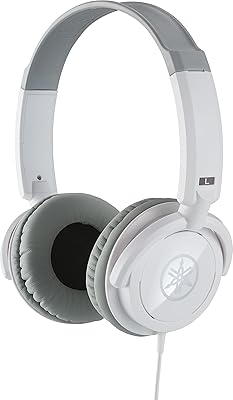
The Yamaha HPH-50 Closed-Back Headphones are Yamaha's answer to a question a lot of beginners ask: can a trusted instrument brand make a decent practice headphone without charging a premium? The short answer is yes. Yamaha has spent decades building instruments and audio gear, and that background shows in how these are designed — practically, not flashily. They're compact, surprisingly lightweight, and available in black or white. Don't expect studio-grade sound reproduction here; these are built for everyday practice sessions and casual listening, and they deliver on that promise without overcomplicating things.

Features & Benefits

The 38mm dynamic driver inside the HPH-50s covers a 20Hz–20kHz frequency range, which is solid enough for practice and casual listening. One detail that genuinely stands out is the dual-connector cable — a 2-meter cord with a 3.5mm plug and a screw-on 6.3mm adapter, so you can plug straight into a keyboard or guitar amp without hunting for a separate accessory. The 35-ohm impedance is easy to drive from any standard device. At 133 grams, these Yamaha headphones sit lightly on your head across long sessions, and the closed-back cups provide passive isolation without any active noise-canceling circuitry required.

Best For

This compact closed-back set is a natural pick for beginner musicians — keyboard players, guitarists, and home studio hobbyists who want something reliable without a significant investment. Students who prefer wired simplicity over Bluetooth will appreciate the no-fuss connection. If you regularly switch between a phone and an instrument output, the included connectors handle both without issue. Where these headphones fall short is in noisy commuting environments where active noise cancellation would help, or in critical mixing situations demanding a precise, flat soundstage. Within their intended use case, though, they strike a solid balance of practicality and comfort.

User Feedback

Buyers across a wide range of reviews land on a few consistent points. Long session comfort gets mentioned repeatedly — the light weight earns genuine appreciation from people wearing them through hour-long practice blocks. Sound quality draws mostly favorable remarks, with reviewers describing it as clear and balanced rather than tinny or muddy. The plastic construction is where opinions diverge; some find it perfectly acceptable, while others wonder about long-term durability under daily use. A handful of buyers found the cable length awkward in certain setups. Overall, satisfaction runs noticeably high relative to expectations at this accessible price tier.

Pros

  • Yamaha is a brand musicians already trust, which gives these headphones credibility other budget options lack.
  • At 133 grams, the HPH-50s are light enough to wear through long practice sessions without neck or ear fatigue.
  • The included dual-connector cable works with both standard 3.5mm devices and 6.3mm instrument outputs right out of the box.
  • Closed-back design provides decent passive isolation for home practice without needing any batteries or charging.
  • 35-ohm impedance means these Yamaha headphones drive easily from phones, tablets, and digital pianos alike.
  • Swivel ear cups accommodate different head angles and make one-ear monitoring practical during live instrument play.
  • Sound quality is consistently described as clear and balanced — honest performance for the price tier.
  • The 2-meter cable gives enough slack to move around during a practice session without feeling tethered.
  • Available in black or white, so they coordinate naturally with most instruments and practice setups.
  • Setup is instant — no pairing, no apps, no charging required.

Cons

  • The all-plastic construction raises legitimate durability questions for buyers planning years of heavy daily use.
  • No active noise cancellation makes these a poor fit for loud commuting environments or open-plan offices.
  • Wired-only connectivity is a hard limit for anyone who has moved on to wireless listening habits.
  • The 2-meter cable, while generous for most setups, has been flagged as awkward in tighter or more mobile configurations.
  • Passive isolation from the closed-back cups is modest — enough for home practice, not enough for genuinely noisy spaces.
  • There are no in-line controls or microphone on the cable, so call handling or track skipping requires reaching for your device.
  • Bass response is adequate but not deep or punchy enough to satisfy listeners who prioritize low-end weight.
  • The plastic headband and ear cup materials may feel less premium compared to competitors using metal or leatherette at a similar price.

Ratings

Our AI-generated scores for the Yamaha HPH-50 Closed-Back Headphones were built by analyzing thousands of verified global user reviews, with spam, bot submissions, and incentivized feedback actively filtered out before scoring. Each category reflects the honest distribution of real buyer experiences — both the consistent praise and the recurring frustrations. The result is a transparent, balanced scorecard that helps you weigh exactly what these Yamaha headphones do well and where they fall short.

Comfort & Fit
88%
At just 133 grams, these Yamaha headphones are among the lighter over-ear options in their category, and reviewers frequently mention wearing them through hour-long keyboard practice sessions without significant fatigue. The swivel ear cups adjust to different ear angles, which reduces the hot-spot pressure that fixed cups can cause over time.
A small number of users with larger heads found the headband adjustment range limiting, and the plastic ear cup padding, while adequate initially, has been noted to feel less cushioned after extended wear compared to leatherette options.
Sound Quality
76%
24%
For the price tier, the 38mm dynamic driver produces a sound that most users describe as clear and balanced — not artificially boosted in the bass or harsh in the highs. Musicians using them for keyboard and acoustic guitar practice find the midrange representation honest and useful.
Bass depth and overall sonic resolution do not compete with dedicated studio monitor headphones or even some consumer alternatives at a slightly higher price. Critical listeners and audiophiles will notice the ceiling quickly, particularly with complex, layered music.
Build Quality
62%
38%
The lightweight plastic construction does what it sets out to do — keep the headphones light and the price accessible. For users treating them carefully, the build holds up through regular home practice use without notable issues.
The all-plastic housing and headband feel noticeably budget-grade in hand, and durability over years of heavy daily use is a real concern for buyers who want a long-term investment. A few reviewers reported joint creaking or connector wear after sustained use.
Cable & Connectivity
91%
The dual-connector setup — a 3.5mm plug with a screw-on 6.3mm adapter — is a genuinely useful design choice that saves musicians from hunting for a separate adapter when switching between a smartphone and a digital piano or guitar amplifier. The 2-meter cable length covers most desktop and instrument practice setups comfortably.
The cable is hardwired and non-detachable, which means a damaged cable effectively renders the headphones unusable without a repair. A small number of users also found the 2-meter length either slightly short for floor-standing amplifier rigs or slightly excessive for compact desk setups.
Passive Isolation
71%
29%
The closed-back design does a solid job of reducing ambient sound bleed during home practice, making it easier to focus on playing without external distractions pulling attention. Most reviewers in quiet-to-moderate home environments found the isolation more than sufficient.
In genuinely noisy environments — public transit, open offices, or shared practice spaces — the passive isolation proves insufficient, and the absence of any active noise-cancellation circuitry is a hard limitation. These are home practice headphones, not commuter headphones.
Value for Money
87%
Compared to unbranded budget headphones in the same price range, the HPH-50s carry the weight of Yamaha's instrument-making credibility, and reviewers consistently feel they are getting honest performance for the spend. The included 6.3mm adapter alone adds practical value that generic alternatives often skip.
Buyers who stretch the budget only slightly can access headphones with detachable cables, better padding, or improved driver performance — so the value case depends heavily on how much the Yamaha brand and dual-connector cable matter to the individual buyer.
Ease of Use
93%
There is nothing complicated about using this compact closed-back set — plug in, adjust the headband, and you are ready. No pairing process, no charging, no app required, which is exactly what beginners and casual users want from a practice headphone.
The lack of any in-line remote or microphone means you cannot skip tracks or take calls without reaching for your device directly, which is a minor but real inconvenience for users switching between music practice and everyday phone use.
Driver Performance
74%
26%
The 38mm dynamic driver covers the full 20Hz to 20kHz range, and the 35-ohm impedance pairs easily with consumer devices without requiring amplification. For practice monitoring and casual listening, the output is clean and consistent across the frequency range.
The driver does not offer the imaging depth or stereo separation that more specialized headphones achieve, and at higher volumes some users detect a slight compression in the upper midrange that limits the sense of openness in the sound.
Design & Aesthetics
79%
21%
The HPH-50s have a clean, understated look in both black and white that pairs naturally with most instruments and home setups. The compact form factor avoids the oversized, gaming-headset aesthetic that can feel out of place in a practice room.
The all-plastic finish looks noticeably entry-level up close, and the headphones lack the premium visual cues — brushed metal, quality stitching, branded accents — that buyers sometimes expect even from mid-tier headphones at this price point.
Headband Adjustability
81%
19%
The adjustable headband accommodates a reasonable range of head sizes, and most users find a comfortable position quickly without fiddling. The adjustment mechanism is straightforward and stays in place without slipping during normal movement.
The adjustment range has limits that some larger-headed users bump against, and the plastic slider mechanism, while functional, does not inspire long-term confidence compared to metal-ratcheted headbands found on more durable designs.
Portability
83%
At under 150 grams and with compact dimensions, these Yamaha headphones fold down small enough to slip into a bag or instrument case without much effort. Students and users who carry them between rooms or to lessons will not find the size or weight burdensome.
There is no included carry pouch or hard case in the packaging, which is a minor omission that leaves the plastic build exposed during transport. The non-detachable cable also complicates compact packing compared to headphones with removable cables.
Brand Reliability
86%
Yamaha's deep history in musical instrument manufacturing gives these headphones a credibility advantage over generic alternatives. Buyers trust the brand name, and that trust is generally validated by the consistent quality control observed across user reviews.
While the brand reputation is strong, the HPH-50s sit at the entry level of Yamaha's audio lineup, and buyers should not expect the engineering depth of Yamaha's higher-tier products to translate fully into this budget-tier headphone.

Suitable for:

The Yamaha HPH-50 Closed-Back Headphones are a smart pick for beginner and intermediate musicians who need a dependable, no-frills pair of headphones for daily practice. Keyboard players and guitarists will especially appreciate the included 6.3mm adapter, which means plugging directly into an instrument amp or digital piano requires zero extra accessories. Students learning at home benefit from the closed-back passive isolation, which keeps their playing from disturbing others without requiring any powered noise-canceling features. At just 133 grams, these Yamaha headphones are genuinely comfortable during the kind of long practice blocks that heavier pairs make unpleasant. Casual listeners who want a simple, wired over-ear option for phones, tablets, or laptops will find these do the job cleanly and reliably. If your priority is getting a trustworthy practice tool from a brand that actually understands musical instruments, this set makes a lot of sense.

Not suitable for:

The Yamaha HPH-50 Closed-Back Headphones are not the right tool for anyone expecting audiophile-grade sound or professional mixing accuracy. Critical listeners who need a flat, analytically precise soundstage for studio production work should look at purpose-built monitor headphones in a higher price bracket. Commuters relying on headphones to block out loud transit noise will find the passive isolation insufficient — there is no active noise cancellation here, and the closed-back cups can only do so much on a busy subway or plane. Buyers who prefer wireless freedom will need to look elsewhere entirely, as these are strictly wired with no Bluetooth capability. Those who tend to be rough on gear may also have reservations, since the all-plastic build, while lightweight, does invite questions about how it holds up under years of heavy daily use. If longevity under demanding conditions or advanced audio performance is your benchmark, this compact closed-back set is not the right match.

Specifications

  • Driver Type: These headphones use a 38mm dynamic, closed-back driver designed to reproduce the full audible frequency range.
  • Frequency Response: The frequency response spans 20Hz to 20kHz, covering the full range of human hearing for general listening and practice use.
  • Impedance: At 35 ohms, these headphones are easy to drive directly from smartphones, tablets, laptops, and instrument outputs without an external amplifier.
  • Sensitivity: Sensitivity is rated at 103 dB, meaning these Yamaha headphones produce adequate volume from low-power consumer devices.
  • Maximum Input: The maximum input is rated at 1,000mW, providing headroom well beyond typical casual listening or instrument practice levels.
  • Cable Length: The attached cable measures 2.0 meters, giving enough reach for most desktop and instrument practice setups.
  • Connectors: The cable terminates in a 3.5mm stereo plug with a screw-on 6.3mm stereo adapter included for connecting to instruments and amplifiers.
  • Weight: The total weight including the cable is 133g, keeping the headphones light enough for extended wear during practice sessions.
  • Ear Form Factor: The over-ear cups feature a swivel mechanism that rotates up to 90 degrees to accommodate different ear angles and one-ear monitoring positions.
  • Headband: The headband is adjustable to fit a range of head sizes comfortably across extended listening or practice periods.
  • Noise Control: Noise isolation is passive only, provided by the closed-back cup design; there is no active noise-cancellation circuitry.
  • Connectivity: These are strictly wired headphones with no Bluetooth or wireless capability of any kind.
  • Material: The headphone housing and headband are constructed from plastic, keeping weight low but requiring careful handling for long-term durability.
  • Compatible Devices: Compatible with laptops, desktop computers, smartphones, tablets, televisions, digital pianos, guitar amplifiers, and car audio systems.
  • Color Options: Available in black or white to suit personal preference or match common instrument finishes.
  • Dimensions: Product dimensions are approximately 9.5 x 7.5 x 2 inches, making this a compact set that stores and travels easily.
  • Item Weight: The unit weighs approximately 4.6 ounces (around 133g), confirming its classification as a lightweight over-ear design.
  • Bluetooth Support: Bluetooth is not supported; the connection is exclusively via the included wired 3.5mm and 6.3mm stereo cable.

Related Reviews
Yamaha HPH-100 On-Ear Headphones
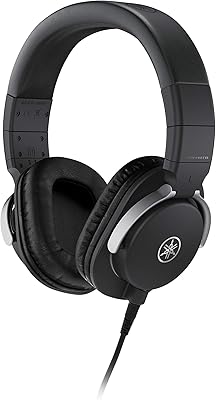
81%
91%
Wearing Comfort
78%
Sound Quality
63%
Build Quality
94%
Instrument Compatibility
74%
Passive Noise Isolation
More
Yamaha HPH-MT5 Studio Monitor Headphones
74%
83%
Sound Accuracy
71%
Bass Response
79%
Comfort & Fit
67%
Build Quality
74%
Passive Isolation
More
Yamaha HPH-MT8 Monitor Headphones
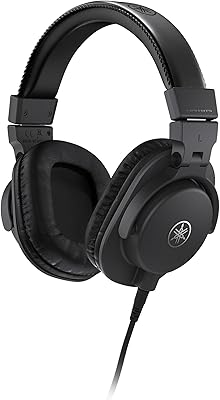
86%
91%
Sound Accuracy
85%
Comfort for Long Sessions
89%
Build Quality
94%
Noise Isolation
87%
Value for Money
More
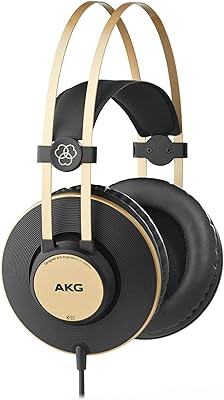
AKG K92 Closed-back Studio Headphones
85%
91%
Sound Quality
88%
Comfort for Extended Use
78%
Build Quality
80%
Noise Isolation
92%
Value for Money
More
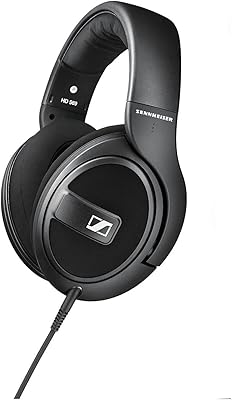
Sennheiser HD 569
Sennheiser HD 569
77%
83%
Sound Quality
88%
Comfort & Fit
67%
Build Quality
81%
Sound Isolation
61%
Microphone Quality
More
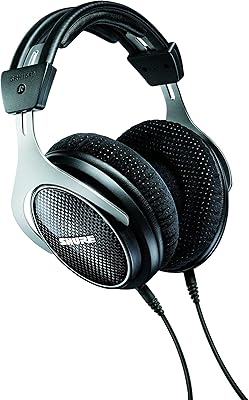
Shure SRH1540 Premium Closed-Back Headphones
89%
95%
Sound Quality
88%
Comfort
91%
Noise Isolation
90%
Build Quality
82%
Value for Money
More
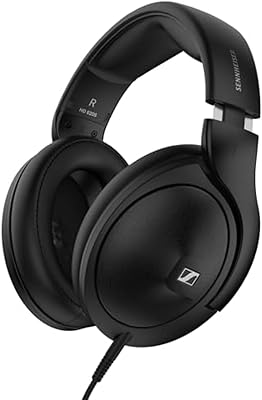
Sennheiser HD 620S
Sennheiser HD 620S
80%
93%
Sound Quality
91%
Soundstage & Imaging
89%
Build Quality
88%
Comfort & Wearability
61%
Amplifier Requirements
More
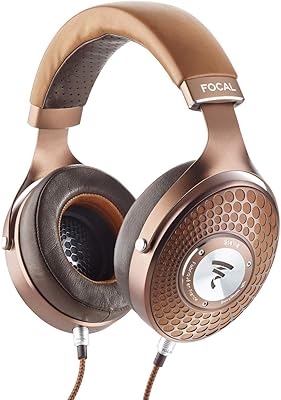
Focal Stellia High-Fidelity Closed-Back Headphones
86%
94%
Sound Quality
87%
Comfort for Long Sessions
92%
Build Quality & Durability
90%
Noise Isolation
91%
Design & Materials
More
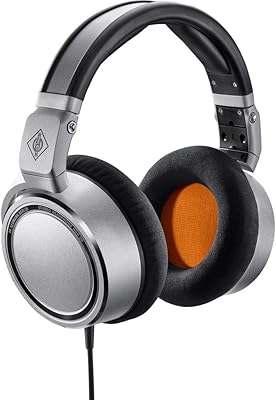
Neumann NDH 20
Neumann NDH 20
79%
94%
Sound Accuracy
88%
Build Quality
61%
Comfort & Wearability
83%
Noise Isolation
58%
Amp Compatibility
More
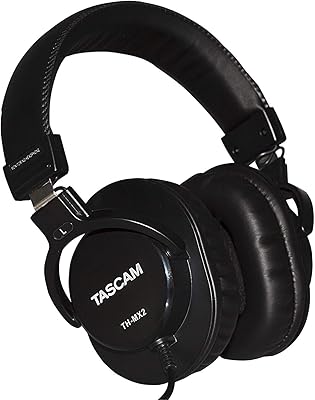
Tascam TH-MX2 Closed-Back Studio Mixing Headphones
85%
89%
Comfort for Long Sessions
91%
Sound Isolation
85%
Build Quality
88%
Cable Flexibility
90%
Sound Clarity
More

FAQ

Yes, and this is actually one of the most practical things about the HPH-50s. The cable comes with a screw-on 6.3mm adapter that attaches to the standard 3.5mm plug, so you can connect straight into most keyboard and digital piano headphone outputs without buying anything extra.

Absolutely. The 3.5mm plug connects to any standard headphone jack on phones, laptops, tablets, and most other consumer devices. The 35-ohm impedance means you won't need a headphone amplifier to get decent volume — your phone handles it fine.

Unfortunately, the cable on this compact closed-back set is not detachable. It is hardwired into the headphones, so if the cable is damaged, repair or replacement is not straightforward. This is worth factoring in if you plan heavy daily use.

The closed-back design does a reasonable job of reducing ambient sound passively, which is helpful during home practice sessions. That said, there is no active noise cancellation, so in genuinely loud environments — like public transit or an open office — you will still hear quite a bit of what is happening around you.

Most users find them quite comfortable. At around 133 grams total weight, they sit lightly on your head, and the adjustable headband accommodates a wide range of head sizes. The ear cups also swivel, which helps you find a natural fit. That said, comfort is personal, and the plastic build means the clamping force or padding may feel different to different people over time.

The only difference is the color. Both the black and white versions of these Yamaha headphones share identical specs, drivers, cables, and features — it is purely a cosmetic choice.

Yes. The swivel mechanism on the ear cups rotates up to 90 degrees, which lets you flip one cup flat and rest it against your head while keeping the other ear open. This is useful for musicians who want to monitor what they are playing while staying aware of the room.

They can work for casual reference checks, but the Yamaha HPH-50 Closed-Back Headphones are not designed as professional mixing tools. If you need an analytically flat response for critical mixing decisions, purpose-built studio monitor headphones at a higher price point would serve you better. For hobbyist home recording and rough checks, these are adequate.

This is a fair concern and worth being honest about. The plastic construction keeps the weight low, but it does not inspire the same confidence as metal-reinforced designs. With careful, regular use they hold up well for most buyers, but if you tend to toss your headphones in a bag without a case or handle them roughly, you may find the build tests your patience over a couple of years.

No, there is no in-line microphone or remote control on the cable. These headphones are audio-only, so you cannot use them hands-free for phone calls or video meetings without a separate microphone. If call handling is important to you, you would want to look at a headset designed specifically for that purpose.

Where to Buy