Overview

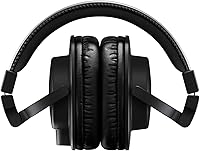
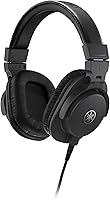
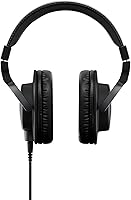
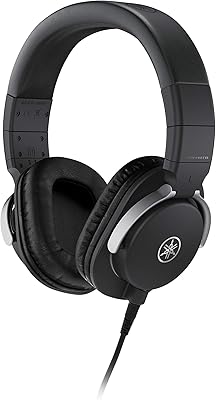
The Yamaha HPH-MT5 Studio Monitor Headphones occupy an interesting niche — Yamaha's attempt to bring their monitor philosophy within reach of home producers and intermediate-level engineers. The closed-back, over-ear design folds flat for storage, and the 3m straight cable with a bundled 6.3mm adapter makes plugging into a mixing desk or audio interface straightforward. Synthetic leather cushions keep the fit comfortable over long sessions, which matters when tracking or doing critical listening for hours at a stretch. At this price tier, they compete against established names like Audio-Technica and Sennheiser — not a weak field.
Features & Benefits

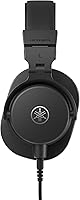
The HPH-MT5 runs on 40mm dynamic drivers paired with CCAW voice coils, covering a 20Hz–20kHz frequency range that handles everything from sub-bass rumble to the top end of a hi-hat. At 51 Ohm impedance, they are easy to drive directly from a laptop headphone output or audio interface — no separate amp required. The three-dimensional swivel and adjustable headband slider dial in a secure fit without much fuss. Passive isolation from the closed-back design does a reasonable job of cutting ambient noise during recording, though it is worth being clear: this is moderate isolation, not active noise cancellation. The foldable joints and fabric bag are practical additions.

Best For

These monitor cans are a solid fit for home studio owners who need a reliable pair of closed-back headphones without stretching the budget too far. Bedroom producers tracking vocals or acoustic instruments will appreciate the passive isolation keeping room noise from bleeding into recordings. They also work well as a secondary reference pair — some engineers keep a budget set alongside their main monitors specifically to cross-check a mix on different transducers. Audio engineering students will find the honest, unhyped sound signature useful for developing critical listening skills. Casual listeners who prefer accuracy over bass-heavy consumer tuning may find them rewarding at home too.

User Feedback

Owners of these Yamaha studio headphones generally land in a positive place, with the neutral sound signature drawing the most consistent praise — it reflects Yamaha's heritage in studio monitoring. Comfort across multi-hour sessions comes up repeatedly as a genuine strength. On the downside, the all-plastic ABS construction draws fair criticism for feeling a little light compared to some rivals at a similar price. The 3m cable is studio-friendly but awkward when you are just listening at a desk or on the go. A smaller number of users report initial clamping pressure being on the firm side, though most say it loosens naturally with use.

Pros

  • Neutral, balanced sound tuning reflects Yamaha's studio monitor heritage accurately.
  • 51 Ohm impedance drives easily from any standard audio interface without extra gear.
  • Closed-back design reduces recording bleed effectively for tracked sessions at home.
  • Comfortable synthetic leather cushions hold up well across multi-hour listening sessions.
  • Foldable build and included fabric bag make storage and short-distance transport practical.
  • The 3m cable with a 6.3mm adapter covers most studio desk and mixing board setups.
  • At this price point, these monitor cans compete credibly with well-known rivals like the Audio-Technica M40x.
  • Lightweight at around 250g, reducing neck and ear fatigue during longer work sessions.
  • Adjustable headband and swivel mechanism accommodate a wide range of head shapes.

Cons

  • The all-plastic ABS housing feels noticeably light and less premium than some competitors in the same price range.
  • A fixed, non-detachable 3m cable becomes awkward the moment you step away from your desk.
  • No wireless or Bluetooth option limits flexibility for users who move around frequently.
  • Initial clamping force can feel tight and may cause discomfort until the headband loosens naturally with use.
  • Passive isolation is moderate — fine for quiet home studios, but not enough for genuinely noisy environments.
  • Bass extension, while technically present, lacks the weight some producers prefer when checking low-end decisions.
  • No in-line remote or microphone on the cable rules these out for calls or mobile device use.
  • The carrying bag is minimal protection — not ideal if you need to travel with them regularly.

Ratings

The Yamaha HPH-MT5 Studio Monitor Headphones have been scored by our AI system after processing thousands of verified global buyer reviews, with spam, bot-generated, and incentivized feedback actively filtered out before analysis. Scores reflect the real-world consensus of home producers, students, and intermediate engineers who have used the HPH-MT5 in daily studio and listening contexts. Both the genuine strengths and the recurring frustrations are transparently represented in each category below.
Sound Accuracy
83%
Buyers with monitoring experience consistently note that the HPH-MT5 reproduces audio with a neutral, relatively uncolored signature that makes it easier to identify problem frequencies in a mix. For home producers cross-referencing tracks, this honest presentation is exactly what a monitoring headphone should deliver at this price tier.
Those accustomed to consumer-tuned headphones sometimes find the sound dry or lacking excitement, which is a feature rather than a flaw — but it does limit appeal for casual listeners who want their music to sound punchy and immersive rather than accurate.
Bass Response
71%
29%
Low-end representation is controlled and present without being exaggerated, which is appreciated by producers checking whether their bass and kick drum sit correctly in a mix without over-relying on a hyped bottom end. It translates well to real speaker playback.
Users who need to feel confident about sub-bass decisions — particularly in electronic or hip-hop production — report the low-frequency extension feels somewhat thin below 40Hz, making it harder to judge deep sub content without a second reference system.
Comfort & Fit
79%
21%
The combination of lightweight ABS housing, synthetic leather cushions, and an adjustable headband slider creates a setup that most users find comfortable across two to four hour sessions without significant fatigue. The swivel mechanism helps the earcups seat naturally on a wide range of head shapes.
A consistent minority of reviewers report that the clamping force is noticeably firm out of the box, causing discomfort around the temples during the first few weeks of use. The fit improves with time, but for people with larger or wider heads the break-in period can be a genuine inconvenience.
Build Quality
67%
33%
For a wired studio headphone at this price point, the overall construction feels solid enough for regular home studio use. The foldable joints are reasonably sturdy, and most users report no structural issues after months of consistent use in a fixed desk environment.
The all-plastic ABS build is the single most common criticism in buyer feedback. Compared to rivals that incorporate metal reinforcement in the headband or earcup joints, the HPH-MT5 feels lightweight in a way that raises durability questions — particularly for users who travel with them or handle them roughly.
Passive Isolation
74%
26%
In a quiet home studio or bedroom production setup, the closed-back design does a competent job of keeping ambient noise out and preventing microphone bleed when tracking at moderate levels. Producers recording vocals at close range report minimal headphone leakage picked up by sensitive condenser microphones.
The isolation is firmly in the moderate category and should not be mistaken for serious noise attenuation. In environments with significant background noise — a loud household, a shared workspace, or any urban setting — the passive seal is not sufficient to block out distractions reliably.
Cable Quality
58%
42%
The 3-meter straight cable gives home studio users enough reach to move comfortably between a mixing desk and a seated monitoring position without cable tension. The tangle-resistant cable construction holds up reasonably well under normal stationary use.
The cable is fixed and non-detachable, which is the most practical design limitation of the HPH-MT5. A damaged cable means the whole unit needs repair, and the 3-meter length — while studio-friendly — is genuinely unwieldy for any use case beyond a fixed desk, making mobile listening awkward.
Value for Money
81%
19%
Considering the brand heritage, neutral tuning, and the full package including cable and 6.3mm adapter, most buyers feel these monitor cans represent fair value for home producers and students who do not yet want to invest in higher-tier monitoring equipment. The price-to-performance ratio holds up well against direct competitors.
A portion of buyers who compared the HPH-MT5 directly against the Audio-Technica M40x found the M40x offered a detachable cable and slightly broader community support for the same outlay, which makes the value comparison tighter than it first appears.
Portability
62%
38%
The foldable joint design reduces bulk meaningfully when the headphones are stored, and the included fabric bag provides enough protection for moving between rooms or carrying in a backpack on an occasional basis. For light travel between home and a practice studio, the form factor is workable.
The 3m fixed cable undermines the portability story considerably — there is no practical way to use these on the go without managing a significant length of cable. Users who commute with headphones or use them away from a fixed desk will find the setup inconvenient by design.
Ease of Use
88%
Plug-and-play simplicity is a genuine strength here. At 51 Ohm impedance and 100 dB sensitivity, these headphones work out of the box with any audio interface, laptop, or phone without configuration, drivers, or additional hardware — a meaningful advantage for students and beginners getting their studio started.
The lack of any in-line controls, volume adjustment, or microphone on the cable means users cannot manage calls or playback without reaching for their source device. For a dedicated studio headphone this is expected, but it limits flexibility if buyers had hoped to use them across multiple contexts.
Soundstage & Imaging
69%
31%
Within the constraints of a closed-back design, the HPH-MT5 produces a reasonably defined stereo image that helps producers place elements in the left-right field with some confidence. Instrument separation is adequate for the genre of work these headphones are designed to support.
Closed-back headphones inherently create a more intimate, in-head sound compared to open-back alternatives, and the HPH-MT5 is no exception. Users accustomed to open-back studio headphones will notice that the perceived width and natural depth of the soundstage feel noticeably compressed by comparison.
Long-Session Fatigue
76%
24%
The low weight and adequately padded ear cushions mean that most users can push through two to three hour sessions without the kind of physical fatigue — jaw pressure, heat buildup, ear soreness — that plagues heavier closed-back designs. For regular home studio use this is a real practical benefit.
Synthetic leather cushions do accumulate heat over longer sessions, particularly in warmer environments, which causes noticeable discomfort for some users past the two-hour mark. Velour or breathable fabric alternatives would manage heat better, though these are rarely found at this price point.
Frequency Detail
73%
27%
Mid-range reproduction is a relative strong point, with vocals and lead instruments coming through with enough presence and definition to identify tonal issues during a tracking session. This makes the HPH-MT5 useful for evaluating vocal takes and acoustic recordings in a home studio context.
High-frequency detail, while present, is not as refined or extended as what higher-tier studio headphones deliver. Some producers note a slight softness in the upper treble that can make it harder to judge cymbal shimmer or the air of a recorded acoustic instrument with full confidence.
Packaging & Accessories
77%
23%
The inclusion of both a 3.5mm termination and a 6.3mm adapter covers the two most common connection scenarios a home producer or student will encounter. The fabric carrying bag, while modest, adds a functional layer of protection that feels appropriate for the product tier.
The carrying bag is fabric rather than a semi-rigid case, so it offers minimal protection against impact if the headphones are packed into a bag alongside heavier gear. Users who travel regularly with their equipment will likely want to invest in a separate protective case.

Suitable for:

The Yamaha HPH-MT5 Studio Monitor Headphones are a well-matched option for home studio owners and bedroom producers who need an honest-sounding, closed-back pair without spending heavily. If you are tracking vocals, acoustic guitar, or any source where passive bleed reduction matters, the closed-back design does its job at this price tier. Audio engineering students will find the neutral tuning valuable for training their ears, since the HPH-MT5 does not flatter recordings the way consumer headphones tend to. Musicians who already own a primary set of monitors or open-back headphones and want a secondary closed-back pair for cross-referencing mixes will get real utility here. The included 6.3mm adapter and long cable also make these a practical fit for anyone plugging directly into an audio interface or mixing desk.
Not suitable for:

Buyers expecting the Yamaha HPH-MT5 Studio Monitor Headphones to function as everyday commuter or gym headphones will likely be frustrated — the 3m cable is studio-optimized and awkward outside a fixed desk setup, and there is no wireless option. Listeners who enjoy a boosted, bass-forward sound signature will find the neutral tuning underwhelming, as these headphones are deliberately honest rather than entertaining. If you are working in genuinely loud environments and need strong noise blocking, the passive isolation here is moderate at best and should not be mistaken for active noise cancellation. Professionals requiring premium build quality with metal reinforcement and detachable cables may find the all-plastic construction falls short of their expectations at this stage in their career. Those with larger heads may also find the clamping force uncomfortable before the headband has had time to break in.

Specifications

  • Driver Size: The HPH-MT5 uses 40mm dynamic drivers with CCAW (Copper-Clad Aluminum Wire) voice coils for efficient signal response.
  • Frequency Response: These headphones cover a full 20Hz to 20kHz frequency range, spanning the audible spectrum relevant to studio monitoring work.
  • Impedance: Rated at 51 Ohm, the HPH-MT5 is compatible with most consumer and professional audio interfaces without requiring a dedicated headphone amplifier.
  • Sensitivity: Sensitivity is rated at 100 dB, meaning the headphones produce adequate listening volume at standard output levels from typical audio equipment.
  • Cable Length: A fixed, straight 3-meter cable is attached, suited to stationary studio or desk use where cable slack is not a concern.
  • Connector: The cable terminates in a 3.5mm stereo jack, and a 6.3mm standard stereo adapter plug is included in the box for professional equipment connections.
  • Ear Coupling: The closed-back, over-ear design fully encloses the ear, providing moderate passive sound isolation suitable for quiet studio environments.
  • Weight: The headphones weigh approximately 250g (8.6 oz), keeping fatigue manageable during extended monitoring or tracking sessions.
  • Ear Cushions: Cushions are made from synthetic leather, offering a soft contact surface that reduces pressure discomfort over long listening periods.
  • Housing Material: The outer shell and headband structure are constructed from ABS (Acrylonitrile Butadiene Styrene) plastic, balancing light weight with reasonable everyday durability.
  • Fold Design: Foldable joints allow the earcups to collapse inward, reducing the overall footprint for storage in the included fabric carrying bag.
  • Headband Adjustment: An adjustable slider mechanism on both sides of the headband allows the user to set a consistent fit across a range of head sizes.
  • Swivel Mechanism: A three-dimensional swivel on each earcup allows them to rotate and tilt independently, accommodating different ear placements and head shapes.
  • Carrying Case: A soft fabric carrying bag is included in the package, providing basic protection during storage or short-distance transport.
  • Noise Control: Noise isolation is achieved passively through the closed-back housing rather than any active electronic noise-cancellation system.
  • Proficiency Level: The HPH-MT5 is designed for intermediate users, including home studio producers, music students, and semi-professional engineers.
  • Package Contents: The box includes the headphones, a 3-meter straight cable, a 6.3mm stereo adapter plug, and a fabric carrying bag.
  • Model Number: The official Yamaha model designation for this unit is HPHMT5, as listed on the manufacturer documentation and product labeling.

Related Reviews
Yamaha HPH-MT8 Monitor Headphones
86%
91%
Sound Accuracy
85%
Comfort for Long Sessions
89%
Build Quality
94%
Noise Isolation
87%
Value for Money
More
Yamaha HPH-50 Closed-Back Headphones
81%
88%
Comfort & Fit
76%
Sound Quality
62%
Build Quality
91%
Cable & Connectivity
71%
Passive Isolation
More
Yamaha HPH-100 On-Ear Headphones
81%
91%
Wearing Comfort
78%
Sound Quality
63%
Build Quality
94%
Instrument Compatibility
74%
Passive Noise Isolation
More
OneOdio Monitor 60
OneOdio Monitor 60
88%
88%
Audio Clarity & Detail
96%
Connectivity Versatility
91%
Long-Session Comfort
73%
Build Materials & Durability
84%
Passive Noise Isolation
More
MAONO MH601 Professional Studio Monitor Headphones
85%
93%
Value for Money
84%
Low-Frequency Response
89%
Long-Term Comfort
76%
Passive Noise Isolation
72%
Build Materials
More
Senal SMH-1200 Studio Monitor Headphones
85%
89%
Sound Clarity
84%
Comfort for Long Sessions
77%
Cable Retractability
91%
Noise Isolation
82%
Durability
More
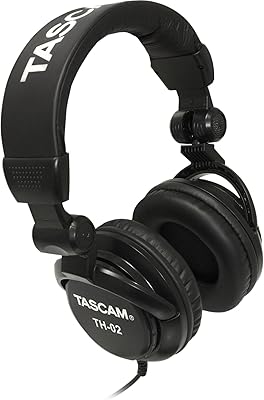
Tascam TH-02
Tascam TH-02
73%
83%
Sound Quality
91%
Value for Money
67%
Build Quality
63%
Comfort & Fit
74%
Passive Noise Isolation
More
Roland RH-200S Studio Monitoring Headphones
79%
88%
Sound Accuracy
61%
Low-End Response
86%
Midrange Clarity
81%
Noise Isolation
83%
Comfort & Fit
More
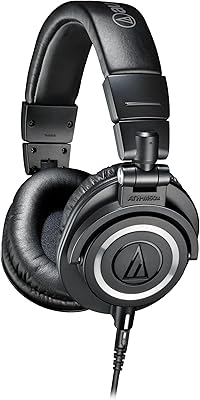
Audio-Technica ATH-M50x
89%
92%
Audio Accuracy
94%
Build Durability
89%
Value for Money
86%
Passive Noise Isolation
67%
Long-Term Comfort
More
Tascam TH-07 High Definition Studio Monitor Headphones
85%
91%
Sound Quality
94%
Bass Response
88%
Comfort for Long Sessions
90%
Sound Isolation
85%
Build Quality
More

FAQ

Not really. At 51 Ohm impedance, the HPH-MT5 drives fine from a standard audio interface headphone output or even a laptop headphone jack. You will not be leaving significant performance on the table by skipping an amp at this tier.

Unfortunately, the cable on these is fixed and not detachable. If the cable develops a fault, replacement would require either a DIY repair or manufacturer servicing. It is something worth keeping in mind if you are hard on cables.

The closed-back design offers moderate passive isolation — enough to keep room noise from being too distracting in a quiet home studio, and enough to prevent significant bleed into a microphone during recording. That said, do not expect the kind of isolation you would get from active noise-cancelling headphones; these are not built for loud environments like busy cafes or open offices.

Most users find them comfortable enough for long sessions. The synthetic leather cushions are reasonably soft, and at around 250g the headphones do not put much strain on your neck. A small number of users report the clamping force feels firm at first, but it typically softens after a break-in period of regular use.

Both sit in a similar price bracket and share a closed-back, wired monitoring philosophy. The M40x has a detachable cable, which gives it a practical edge for longevity. Sound-wise, both aim for a neutral tuning, though the M40x has a slightly wider reputation in mixing circles. The HPH-MT5 holds its own and is worth considering if Yamaha's monitor heritage is important to you.

Technically yes, but they are not optimized for those use cases. There is no in-line microphone or remote on the cable, so for calls you would need a separate mic. For gaming the sound signature will be accurate but not the immersive, bass-heavy experience many gamers prefer.

The fold mechanism is plastic, which naturally raises questions about long-term durability. Under normal studio use — folding and unfolding occasionally for storage — most users report no issues. Rough daily handling or frequent travel could eventually wear the joints, so treat them with reasonable care.

A lightly dampened cloth with a mild cleaner works well on synthetic leather cushions. Avoid soaking the material or using alcohol-based products repeatedly, as these can dry out and crack the surface over time. A quick wipe-down after each session goes a long way in keeping them in good shape.

They work for both, though expectations should be realistic at this price tier. The neutral sound signature makes them useful for checking a mix or as a secondary reference pair. For primary professional mixing work, most engineers eventually graduate to higher-tier open-back headphones or studio monitors — but for home producers and students, these monitor cans are a reasonable mixing tool.

At a desk, the 3m length is actually well-suited — there is enough slack to move around comfortably without the cable pulling tight. Where it becomes inconvenient is if you step away from your workstation or try to use them on the go, at which point the cable length becomes genuinely cumbersome.

Where to Buy