




Overview

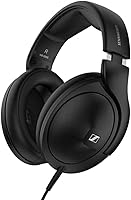
The Sennheiser HD 620S arrived in mid-2024 to fill a real gap in the company's lineup — a closed-back option serious enough for audiophiles who actually need isolation. Most closed-back headphones sacrifice soundstage to achieve that seal, but Sennheiser's approach here feels genuinely different. The build is refined without being flashy, with a steel-reinforced headband and artificial leather pads that suggest longevity over aesthetics. This is a wired-only, no-frills design aimed squarely at home listeners who want fidelity above all else — not commuters, not gym-goers, just people who sit down and listen.

Features & Benefits

The angled driver configuration is what sets these closed-back headphones apart technically. Rather than pointing drivers straight at your ears, Sennheiser tilts them to mimic the geometry of a stereo speaker setup — which genuinely affects how the soundstage feels. The result is imaging that sounds wider and less boxed-in than you'd expect from a sealed design. Worth noting: at 150 ohms, this Sennheiser model demands a proper source. Plug them into a laptop headphone jack and you'll hear something flat and lifeless. A dedicated DAC or amp transforms them. The detachable cable and included adapter also make them genuinely practical at a desk setup.

Best For

These closed-back headphones are built for one specific scenario: sitting still, in a room, and listening closely. If you work from home and share a space, they'll block enough ambient noise to stay focused without resorting to active noise cancellation. Audiophiles upgrading from an entry-level open-back setup for practical reasons will find this Sennheiser model a natural landing spot. It also works well for home recording or podcasting when you need accurate monitoring without bleed. What it isn't: portable, wireless, or casual. No Bluetooth, no microphone, no inline controls. These are dedicated home headphones, full stop.

User Feedback

Across thousands of reviews, the response is overwhelmingly positive — but with a few consistent caveats worth knowing. The praise centers on two things: build quality and the surprisingly open soundstage for a sealed design. Long listening sessions come up repeatedly as a strength, with the ventilated pads making a noticeable difference in comfort. Where buyers push back is on amplification — many note that plugging these directly into a phone or laptop produces underwhelming results. A smaller group wishes for a bit more treble presence, finding the warm tuning slightly muted up top. Still, a 4.6-star average across more than 6,000 ratings is hard to argue with.

Pros

  • Unusually wide, speaker-like soundstage for a sealed, closed-back design.
  • Exceptionally low distortion keeps the sound clean and composed even at high volumes.
  • Ventilated earpads reduce heat and pressure during multi-hour listening sessions.
  • Detachable cable is a practical, long-term reliability advantage at this price tier.
  • Steel-reinforced headband slider inspires real confidence in long-term durability.
  • Warm tuning makes acoustic, vocal, and classical recordings sound natural and engaging.
  • Passive noise isolation handles typical home and office background noise without electronics.
  • Scales noticeably with better amplification — rewards investment in upstream equipment.
  • The HD 620S fills a genuine gap as a premium closed-back option in Sennheiser's lineup.
  • Included 6.3mm adapter means immediate compatibility with desktop amplifiers out of the box.

Cons

  • Requires a dedicated headphone amplifier to sound its best — a hidden extra cost many buyers overlook.
  • No Bluetooth or wireless option makes these headphones entirely desk-bound.
  • No inline microphone or cable controls, so video calls require a separate mic solution.
  • Warm tuning will disappoint listeners who prefer a brighter, more analytical frequency response.
  • No carrying case is included, which feels like an oversight at this price point.
  • Artificial leather earpads retain more heat than fabric or velour alternatives during warm weather.
  • Larger-eared or broader-headed users may find the fit snug after extended wear.
  • The all-black, conservative design offers no visual variety for buyers who want aesthetic options.

Ratings

The Sennheiser HD 620S earns consistently high marks from audiophiles worldwide, and the scores below reflect what real buyers actually experienced — not marketing claims. Our AI analyzed thousands of verified global reviews, actively filtering out incentivized, bot-generated, and spam submissions, to surface an honest picture of where these closed-back headphones genuinely excel and where they fall short. Both the strengths and the frustrations are represented here transparently.

Sound Quality
93%
Users repeatedly describe the sound as unusually transparent and wide-open for a closed-back design — something most competitors in this tier simply cannot match. The warm tuning with low distortion makes long listening sessions through albums feel natural and fatigue-free, especially with well-recorded jazz, classical, and acoustic music.
A vocal minority finds the high-frequency presentation slightly rolled off, particularly listeners who migrated from bright-tuned open-back headphones. Those chasing analytical treble detail or air in the upper registers may find the warmer signature a touch too relaxed for their taste.
Soundstage & Imaging
91%
The angled driver geometry pays real dividends here — buyers consistently note that instruments feel spatially separated in a way that closed-back headphones rarely achieve. For home listeners used to open-back cans, the width and placement cues come closer to that experience than almost anything else in a sealed design.
It still does not fully replicate the effortless, room-filling depth of a true open-back headphone — the ceiling on soundstage width is real. Listeners who exclusively use open-back models as a reference point will still notice the difference, particularly on dense orchestral recordings.
Build Quality
89%
The steel-reinforced headband slider is one of the most frequently praised physical details across reviews — it instills genuine confidence that the headphones will survive years of daily desktop use without loosening or cracking. The overall assembly feels considered rather than cost-cut, which buyers in this price tier rightly expect.
A small number of users note the plastic used on the earcup housings, while sturdy, does not feel quite as premium as the metal headband components suggest. At this price point, some buyers expected an all-metal or higher-grade polymer construction throughout.
Comfort & Wearability
88%
Multi-hour listening sessions are where these closed-back headphones genuinely shine in comfort terms. The ventilated earpads reduce heat buildup noticeably compared to typical sealed designs, and at just over 400 grams the clamping force stays comfortable without feeling loose or insecure during extended wear.
Users with larger heads or ears report that the ear cups, while roomy by most standards, can feel slightly snug after two or more hours. The artificial leather, while well-implemented, does not breathe as well as fabric or velour alternatives during warm-weather listening.
Amplifier Requirements
61%
39%
For buyers with a DAC and headphone amplifier already on their desk, the high impedance design is actually a selling point — the headphones respond beautifully to clean amplification and scale noticeably with better upstream equipment, rewarding investment in a proper listening chain.
This is the single most common source of buyer disappointment. Plugging these directly into a laptop, smartphone, or TV headphone jack produces a flat, thin sound that seriously undersells what the headphones are capable of. Casual buyers who skip an amp may feel they received a subpar product when the real issue is the source.
Noise Isolation
74%
26%
Passive isolation from the sealed earcup design is solid enough to block out household background noise, a loud HVAC system, or a roommate on a call in the next room. For home office use it does the job without requiring any active electronics or battery-dependent processing.
These are not noise-cancelling headphones, and reviewers who expected ANC-level isolation were disappointed. Commuters, open-plan office workers, or anyone in a high-noise environment will find the passive seal insufficient compared to dedicated noise-cancelling options.
Cable & Connectivity
78%
22%
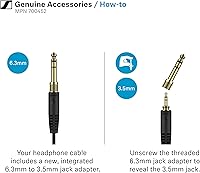
The detachable cable design is genuinely practical — buyers appreciate being able to replace it if damaged rather than writing off the whole headphone. The included 3.5mm to 6.3mm adapter means the headphones work immediately with both portable sources and desktop amplifiers without a separate purchase.
There is no wireless option whatsoever, and the cable at 1.8 meters, while appropriate for desk use, offers no flexibility for different room setups. Some users wanted a longer cable option or a balanced termination for higher-end amplifier pairings.
Value for Money
82%
18%
Buyers who went in informed — knowing they needed an amp and wanted a premium closed-back — consistently feel the purchase was justified. The combination of engineering, build, and sonic performance at this price point is difficult to replicate from other brands without spending considerably more.
Buyers who did not account for the additional cost of a DAC or headphone amplifier feel the total investment climbs quickly past what they anticipated. Without that context, the out-of-box experience from an unamplified source does not reflect the asking price.
Tuning & Tonal Balance
84%
The warm tuning profile works especially well for genres where midrange presence and bass body matter most — acoustic instruments, vocals, and classical recordings all reproduce with a pleasing weight and organic quality that less carefully tuned headphones at this tier miss.
The signature is intentionally warm, which means it is not a neutral reference tool in the strict studio monitoring sense. Users who prefer a flatter or brighter frequency response for mixing work or analytical listening will find the coloration an obstacle rather than an asset.
Low Distortion Performance
94%
At loud volumes, these closed-back headphones remain composed in a way that many dynamic driver headphones do not — there is no harshness, compression, or grain creeping in at higher playback levels. This makes them particularly rewarding for high-resolution audio files where distortion artifacts are otherwise exposed.
For casual listeners playing standard streaming audio at moderate volumes, this level of distortion control is largely imperceptible and adds little practical benefit. It is a strength that audiophiles will appreciate but that typical users will never consciously notice.
Design & Aesthetics
77%
23%
The understated all-black finish and clean lines make these headphones look at home on a high-end desk setup without drawing attention. The design avoids the aggressive gamer aesthetic common at lower price points and fits naturally alongside premium audio equipment.
Some buyers find the visual presentation too conservative — there is no color variant, no distinctive visual signature, and little to differentiate the look from older Sennheiser models. For buyers who also care about visual personality, the design offers very little to get excited about.
Portability
38%
62%
The detachable cable technically makes packing these away slightly more manageable, and the relatively compact folded profile means they can fit in a large bag if needed. For occasional transport between rooms or to a studio space, they are workable.
These are fundamentally not portable headphones — no folding mechanism, no carrying case included, no wireless capability, and a high impedance that renders them nearly unusable from a phone. Buyers looking for a commute or travel headphone should look elsewhere entirely.
Frequency Extension
87%
The extended low-frequency reach adds genuine weight and texture to bass-heavy music without the bloat or one-note quality that plagues lesser closed-back designs. Sub-bass on well-recorded electronic music and orchestral timpani registers with convincing depth and control.
The upper frequency extension, while technically wide on paper, is perceived by some listeners as tailing off in perceived brightness before it reaches its measured ceiling. The practical impact on most music is minor, but trained listeners doing critical evaluation will notice it.

Suitable for:

The Sennheiser HD 620S was built for a specific kind of listener, and if you match that profile, it is genuinely hard to beat at this tier. Home audio enthusiasts who already own a DAC or headphone amplifier will get the most out of it — the high impedance design responds beautifully to clean amplification, and the angled driver configuration rewards attentive, seated listening in a way that casual headphones simply do not. It is also an excellent choice for audiophiles who love open-back headphones but live in a shared apartment, home office, or any space where ambient noise is a daily reality — these closed-back headphones provide enough passive isolation to focus without resorting to active noise cancellation. Recording musicians and podcasters who need honest, relatively accurate monitoring without the bleed of open-back cans will find this Sennheiser model a practical and capable desk companion. Remote workers and students who treat music as a serious part of their day, rather than background noise, will also appreciate the comfort engineering that makes hours-long sessions genuinely sustainable.

Not suitable for:

The Sennheiser HD 620S is a poor fit for anyone who expects a plug-and-play experience from a phone or laptop headphone jack — at high impedance, these headphones sound flat and lifeless without proper amplification, and buyers who skip that investment will feel shortchanged regardless of the headphone's actual capabilities. Commuters, gym-goers, and frequent travelers should look elsewhere entirely: there is no wireless option, no folding design, no inline microphone, and no carrying case in the box. If you need to take calls, control playback from the cable, or step away from your desk frequently, these closed-back headphones will frustrate you quickly. Listeners who prefer a bright, analytical tuning — particularly those coming from V-shaped or treble-forward headphones — may find the warm tonal character too relaxed for their taste, especially on high-hat-heavy or string-heavy recordings. And if your budget does not stretch to include a separate amplifier, the true cost of ownership climbs meaningfully beyond the sticker price.

Specifications

  • Driver Size: Each ear uses a 42mm dynamic transducer with a 38mm diaphragm, angled to replicate the geometry of a stereo speaker placement.
  • Impedance: Rated at 150 ohms, which requires a dedicated headphone amplifier or DAC/amp combo to reach its full sonic potential.
  • Frequency Response: Covers 6 Hz to 30,000 Hz, extending well beyond the typical range of human hearing and supporting high-resolution audio formats.
  • Distortion: Total harmonic distortion measures below 0.05% across all frequencies, ensuring a clean signal even at elevated listening volumes.
  • Max SPL: The maximum sound pressure level is rated at 110 dB, providing ample headroom for dynamic recordings without compression or clipping.
  • Ear Coupling: Over-ear, closed-back design with roomy ear cups that fully enclose the ear for passive sound isolation and an immersive listening environment.
  • Earpads: Soft artificial leather earpads with internal venting to reduce heat buildup and pressure during extended listening sessions.
  • Headband: Features a steel-reinforced slider mechanism for adjustable fit and long-term structural durability under daily use.
  • Cable: Includes a detachable 1.8-meter cable terminated with a 3.5mm plug, suitable for desktop and portable amplifier connections.
  • Adapter: A 3.5mm to 6.3mm screw-on adapter is included in the box for direct compatibility with standard desktop amplifier outputs.
  • Weight: The headphone weighs approximately 400 grams (14.1 oz), balancing a solid build with manageable long-session wearability.
  • Connectivity: Wired only via 3.5mm audio jack — no Bluetooth, no wireless mode, and no active electronics in the signal path.
  • Noise Control: Passive sound isolation through the sealed closed-back earcup design; no active noise cancellation technology is present.
  • Tuning Profile: Warm tonal character with a spatially engineered soundstage that prioritizes natural midrange body and low-distortion bass over sharp treble emphasis.
  • Compatible Devices: Works with any device equipped with a 3.5mm headphone output, though a dedicated amplifier is strongly recommended for optimal performance.
  • Included Items: Box contains the HD 620S headphones, a 1.8m detachable cable with 3.5mm plug, and a 3.5mm to 6.3mm adapter.
  • Water Resistance: Not water resistant — these headphones are intended strictly for indoor, dry-environment use.
  • Control Type: Basic media control is available via the cable remote; there is no inline microphone for calls or voice assistant access.
  • Material: Construction combines a steel-reinforced headband with artificial leather earpads and a mixed plastic and metal chassis.
  • First Available: The product was first made available in May 2024, representing Sennheiser's latest closed-back addition to their consumer audiophile lineup.

Related Reviews
Sennheiser HD 650
Sennheiser HD 650
84%
96%
Sound Clarity
88%
Bass Response
94%
Midrange Accuracy
91%
Treble Detail
89%
Comfort
More
Sennheiser HD 560S
Sennheiser HD 560S
74%
93%
Sound Accuracy
91%
Soundstage & Imaging
88%
Comfort & Fit
63%
Build Quality
71%
Amplifier Dependency
More
Sennheiser HD 25 Special Edition
85%
94%
Build Durability
89%
Ambient Noise Isolation
86%
Professional Sound Accuracy
68%
Ergonomics & Comfort
91%
Overall Value
More
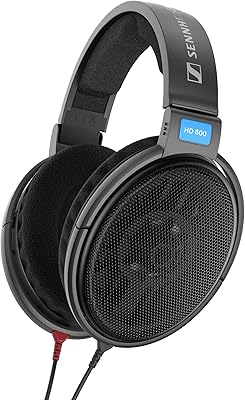
Sennheiser HD 600
Sennheiser HD 600
75%
94%
Sound Accuracy & Neutrality
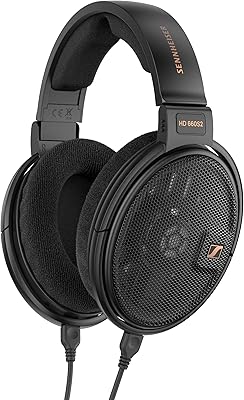
91%
Soundstage & Imaging
88%
Comfort & Wearability
61%
Amplifier Dependency
72%
Build Quality
More
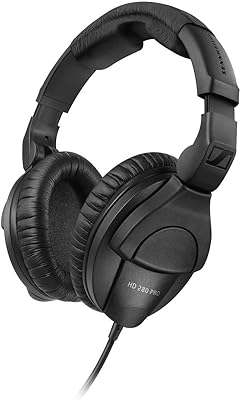
Sennheiser HD 280 Pro
81%
91%
Noise Isolation
88%
Sound Accuracy
86%
Build Quality
63%
Comfort Over Long Sessions
89%
Passive Attenuation Performance
More
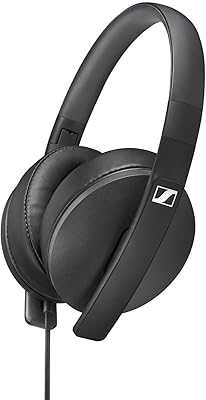
Sennheiser HD 300 Over-Ear Headphones
82%
85%
Sound Quality
87%
Comfort & Fit
82%
Noise Isolation
88%
Portability
80%
Build Quality
More
Sennheiser HD 206 Stereo Headphones
82%
92%
Value for Money
85%
Sound Quality
88%
Comfort & Fit
70%
Noise Isolation
80%
Build Quality
More
Sennheiser HD 400S
Sennheiser HD 400S
77%
88%
Sound Quality
81%
Comfort & Fit
74%
Passive Noise Isolation
67%
Build Quality
63%
Cable & Connectivity
More
Sennheiser HD 4.50 SE
82%
91%
Sound Quality
88%
Active Noise Cancellation
76%
Comfort & Fit
85%
Battery Life
79%
Wireless Connectivity
More
Sennheiser HD 660S2
Sennheiser HD 660S2
80%
93%
Sound Quality
84%
Bass Performance
91%
Soundstage & Imaging
58%
Amplifier Dependency
88%
Comfort & Wearability
More

FAQ

It is not hype — it genuinely matters with these headphones. The high impedance design means that low-powered sources like a phone or laptop headphone jack will produce flat, thin sound that does not reflect what the headphones are capable of. A modest desktop DAC and amp is enough to unlock their full performance, and you do not need to spend a fortune on one.

It is closer to open-back than most closed-back designs, which is one of the main reasons people buy these. The angled drivers create a noticeably wider and more naturally placed stereo image than typical closed-back headphones. That said, it still does not fully match the effortless depth of a true open-back headphone — but for a sealed design, the difference is surprisingly small.

For music listening during work hours, yes — it is excellent. But for calls specifically, there is no inline microphone on the cable, so you would need a separate desk or headset microphone to take calls through these. Keep that in mind if call handling is a regular part of your day.

Yes, the earpads on this Sennheiser model are designed to be replaceable, which is expected at this price tier and adds meaningfully to the long-term value. Sennheiser sells replacement pads, and third-party options are also available, though sticking with official replacements is recommended to preserve the acoustic seal and comfort characteristics.

They do a solid job with typical indoor noise — air conditioning, background conversations, keyboard clatter, and similar ambient sounds are attenuated noticeably. Do not expect ANC-level isolation, though. In genuinely loud environments like open offices or public transport, the passive seal will not be enough on its own.

Most users report that they hold up well for long sessions, which is partly down to the ventilated earpads that reduce heat and pressure compared to typical sealed designs. That said, comfort is personal — people with larger heads or ears have noted that the clamping fit can become noticeable after two to three hours. If possible, try them on before committing to an all-day use case.

The warm, natural tuning works particularly well for acoustic music, jazz, classical, and vocals — anything where midrange texture and natural instrument timbre matter. They also handle bass-heavy genres well without the bloated low end that plagues lesser closed-back designs. Where they are less ideal is highly analytical listening of electronic or metal recordings where listeners typically want more treble brightness and edge.

Yes, the cable detaches cleanly from the left earcup, and the connector is a standard 2.5mm locking socket, which means third-party cable options are readily available. This is a welcome feature since cables are often the first thing to fail with regular use, and being able to replace just the cable rather than the whole headphone is a practical long-term advantage.

The open-back HD 600 series has a more airy and naturally expansive presentation, and many listeners consider it a higher reference point for pure sound quality. These closed-back headphones close the gap more than most competitors, but the primary reason to choose them over the HD 600 is noise isolation and reduced sound leakage — not a strict sonic upgrade. If you have no isolation requirement, the HD 600 series remains the go-to recommendation.

Not at all — warm tuning here means the bass has body and presence without being exaggerated, and the midrange sounds full and natural rather than recessed. The low end is controlled and textured, not muddy. Listeners who are used to very bass-heavy consumer headphones might actually find these more restrained than expected, while those coming from neutral reference headphones will find the warmth pleasant and musical.