Overview

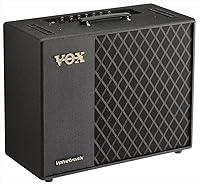
The Vox VT100X Modeling Guitar Combo Amplifier sits at an interesting crossroads in the modeling amp world — it isn't purely digital, and it isn't a traditional tube combo either. Built on Vox's Valvetronix platform, it pairs a real tube preamp stage with sophisticated digital modeling, which gives it a character that purely software-based competitors often lack. This is a stage-ready amp that doubles convincingly as a home recording tool. It targets intermediate-to-advanced players who want real tonal flexibility without hauling separate rigs for different gigs. At its price point, it competes squarely with heavyweights like the Fender Mustang GTX100 and Boss Katana 100.
Features & Benefits

What separates this Vox combo from a standard digital modeler is how the signal actually flows. The tube preamp stage — a real, functioning tube, not a cosmetic one — handles the initial gain shaping before handing off to the digital section. Vox calls this VET, or Virtual Element Technology, and the practical effect is that amp models feel more responsive under your fingers than you'd expect from a modeler. Eleven onboard amp models cover a wide stylistic range, and Tone Room software nearly doubles that count. The Power Level control lets you dial back the wattage significantly without the tone going flat, which matters enormously for home use.

Best For

The VT100X is a natural fit for gigging guitarists who've grown tired of juggling separate rigs just to cover different tonal ground on a single setlist. Its 100 watts through a 12-inch speaker handles club and small-venue volumes comfortably. Players recording at home will appreciate the direct USB output — plug in and you have a usable recorded signal without mics or interfaces. Genre explorers who need convincing cleans one night and high-gain crunch the next get real mileage here. Intermediate guitarists stepping up from compact practice amps will immediately feel the difference in headroom and dynamic response.

User Feedback

With over 800 verified ratings averaging 4.3 stars, the consensus around this hybrid modeling amp is largely positive, though not without nuance. Players consistently highlight the clean and crunch tones as the strongest performers, with many noting the cleans rival amps at considerably higher price points. The power attenuation feature earns consistent praise from home and apartment players. On the flip side, the control layout draws real complaints — several long-term owners mention a steep learning curve for navigating presets and parameters. Some also find the Tone Room software integration more fiddly than it needs to be. Build quality reports are generally solid, with no widespread durability concerns.

Pros

  • The hybrid tube-and-digital preamp produces noticeably more organic-feeling tones than purely software-based modeling competitors.
  • Clean and crunch amp models are consistently praised by long-term owners as the strongest performers in the lineup.
  • Power Level control lets you dial back volume significantly at home without the tone thinning out.
  • Direct USB recording means you can capture a solid amp-modeled signal without microphones or an audio interface.
  • Onboard effects cover a wide range — compression, modulation, delay, and four reverb types — reducing the need for a separate pedalboard.
  • Tone Room software nearly doubles the available amp models and presets, adding serious long-term value.
  • At 100 watts through a 12-inch speaker, the VT100X has enough headroom to hold its own on a real stage.
  • The aux input lets you practice along to backing tracks or recordings without any extra gear.
  • Build quality has held up well for most owners across years of reported use.
  • Bias Shift and Class Selector controls allow meaningful tonal shaping that goes beyond typical modeling amp presets.

Cons

  • The control layout has a steep learning curve, and navigating amp models and parameters takes real time to master.
  • Tone Room software integration, while useful, adds a layer of setup that some players find more trouble than it is worth.
  • At approximately 42 pounds, it is noticeably heavier than several competing 100-watt modeling combos.
  • Players who skip the software will only access 11 amp models and 33 presets, leaving a portion of the amp's potential unused.
  • The single 12-inch speaker, while capable, can feel limiting at higher volumes compared to multi-speaker cabinet configurations.
  • The USB port is Type-B Mini, which is an older connector that may require hunting down a specific cable.
  • Some users report that high-gain amp models feel less convincing compared to the cleaner and mid-gain options.
  • With 33 presets and multiple selector banks, recalling a specific saved tone quickly during a live set can be awkward.

Ratings

The scores below reflect our AI-driven analysis of verified buyer reviews for the Vox VT100X Modeling Guitar Combo Amplifier, sourced globally and actively filtered to exclude incentivized, spam, and bot-generated feedback. Each category captures what real players praised and where they ran into friction — no spin, no omissions. The result is a transparent snapshot of how this hybrid modeling amp actually performs across different playing contexts.

Tone Authenticity
86%
The hybrid tube preamp stage makes a genuinely audible difference — players consistently note that clean tones have a warmth and touch sensitivity that purely digital competitors in this price range rarely match. Crunch and mid-gain models receive particularly strong praise, with many owners comparing them favorably to much pricier tube combos.
High-gain amp models divide opinion more sharply, with a portion of players finding them compressed and less convincing than the cleaner voices. Tone purists who spend time A/B testing against real vintage amps tend to notice the digital ceiling more readily than casual players.
Value for Money
78%
22%
For a single amp that covers stage gigging, home practice with attenuation, and direct USB recording, the all-in cost is reasonable when compared to assembling those capabilities separately. Long-term owners frequently mention that the Tone Room software expansion adds meaningful longevity to the purchase without any additional spend.
At this price point, buyers expect a footswitch to be included, and its absence is a recurring gripe. Some players also feel the amp's full value is gated behind software setup, which feels like an incomplete out-of-box experience for the money.
Ease of Use
58%
42%
Once a player invests the time to learn the control layout, the depth of the system becomes genuinely rewarding — preset management, effects routing, and voicing controls all make sense within their own logic. Players who read the manual thoroughly tend to rate their experience considerably higher.
The learning curve is steep enough to be a real barrier for players accustomed to straightforward amp controls. Multiple selector knobs, user-defined banks, and the interaction between Bias Shift and Class Selector controls create a menu-diving experience that frustrates a notable segment of buyers in the first weeks of ownership.
Stage Performance
83%
At 100 watts through a 12-inch speaker, the VT100X holds its own in club and rehearsal settings without needing a PA boost for the guitar signal. Players who gig regularly report that having 11-plus amp models on tap — without a pedalboard full of switching gear — is a practical advantage during multi-genre setlists.
The absence of an included footswitch becomes a real problem live, since switching presets or toggling effects manually mid-song is not practical on stage. A small number of players also report that the 12-inch speaker struggles to project evenly in larger, untreated rooms without PA support.
Home Practice Usability
88%
The Power Level control is legitimately one of the most appreciated features among apartment and home players — winding back the wattage keeps neighbors happy while the tone remains usable and shaped. The headphone output adds another layer of flexibility for late-night sessions, and owners regularly cite this combination as a primary reason they chose this amp.
The control complexity does not simplify at lower volumes, so players who just want a quick quiet practice session still have to navigate the same interface. A handful of owners note that the headphone output sounds slightly processed compared to the speaker output, though most find it acceptable.
Build Quality
77%
23%
Long-term owners — some reporting several years of regular gigging use — generally describe the cabinet and hardware as holding up well under real-world conditions. The chassis feels solid for a modeling combo, and there are no widespread reports of premature speaker failure or electronic issues under normal use.
The cabinet covering and corner guards show wear faster than some competing combos in the same class, particularly for players who transport the amp frequently without a cover. A small but consistent minority of owners mention that knobs and selectors feel less precise after extended use.
Effects Quality
74%
26%
Having 13 effect types across three assignable slots — including four reverb characters and a noise reduction circuit — means most players can build a complete working rig without a pedalboard. The spring and hall reverb settings in particular earn consistent praise for sounding natural rather than synthetic.
Effects purists note that while the selection is broad, the individual effect quality does not match dedicated stompboxes in the same category. The delay and modulation options are serviceable but lack the depth and parameter control that players accustomed to boutique pedals would expect.
Recording Capability
79%
21%
The direct USB output with 24-bit signal processing makes home recording genuinely practical — plug in, select an amp model, and the DAW receives a clean, amp-modeled signal without a microphone or interface in the chain. Several owners have shared recordings made entirely with the VT100X that hold up well in mixed tracks.
The USB Type-B Mini connector is an older standard that can be tricky to source if the cable goes missing, and a few users report minor driver compatibility issues on certain operating systems. The recorded signal, while clean, sometimes benefits from additional EQ in the DAW to sit well in a mix.
Amp Model Variety
81%
19%
The 20-model roster accessible through Tone Room covers a genuinely useful range of amp characters — from glassy single-coil-friendly cleans to tighter British crunch to scooped American voicings — without feeling artificially padded. Players who explore genres regularly find enough variety to stay creatively engaged for a long time.
Without the software, the onboard 11 models feel like a narrower selection than competitors offer natively, and the reliance on a computer connection to unlock the full roster is a design trade-off that not every buyer is comfortable with. A few specific voicings that players expect — particularly certain modern high-gain flavors — are absent even with the full model set.
Portability
63%
37%
The cabinet dimensions are reasonably compact for a 100-watt combo, and the overall footprint does not dominate a small stage or practice room. Players who use a hand truck or load into venues with help report that the size is not a problem in practice.
At roughly 42 pounds, this hybrid modeling amp is noticeably heavier than several competing 100-watt combos — the Boss Katana 100 Mk2, for comparison, comes in lighter. Solo load-ins up staircases or through tight venue corridors are a recurring complaint from gigging owners who transport the amp themselves.
Software Integration
67%
33%
Tone Room is free, and when it works smoothly it meaningfully extends the amp's capabilities — editing amp models, fine-tuning presets, and organizing user programs from a computer interface is more practical than tweaking everything by hand on the front panel.
The software dependency is a genuine friction point: players on older operating systems, those without a computer nearby, or those who simply prefer hardware-only control find the experience incomplete. Setup occasionally requires troubleshooting driver installations, and the software has not received consistent updates that keep pace with modern OS releases.
Clean Tone Performance
89%
Clean tones are repeatedly cited as the standout strength of this amp, with the tube preamp adding a dimensional quality to single-coil and humbucker cleans that digital-only competitors rarely replicate convincingly. Jazz, pop, and country players in particular highlight the clean voices as a primary reason they chose the VT100X over alternatives.
At higher Power Level settings in very large rooms, the single 12-inch speaker can struggle to maintain the same open, airy quality that makes the clean tones compelling at moderate volumes. Players who want pristine cleans at full-stage volumes sometimes find the speaker is the limiting factor rather than the amp model itself.
Crunch & Overdrive Tones
82%
18%
Mid-gain and crunch voicings are the second-most praised aspect of the amp, with British-style breakup receiving particular attention from classic rock and blues players. The Bias Shift control adds a layer of character adjustment that lets players fine-tune the feel of overdriven tones in a way that goes beyond typical preset selection.
The transition from mid-gain to high-gain territory is where the amp loses some consistency in user sentiment — heavily distorted tones feel compressed and slightly synthetic to players who regularly use dedicated high-gain tube amps for comparison. Metal-oriented players specifically should audition the high-gain models before committing.
Noise Performance
71%
29%
The onboard noise reduction circuit is genuinely useful for high-gain settings and eliminates most of the hiss that modeling amps sometimes produce at bedroom volumes. Players who record direct particularly appreciate having noise reduction available without needing an external gate pedal in the chain.
At higher gain levels with certain amp models, some residual noise floor remains even with noise reduction engaged, which is audible in quiet recording environments. A small number of owners report a faint digital hiss through the headphone output that is not present at the speaker, suggesting the issue is partly in the output stage rather than the preamp.

Suitable for:

The Vox VT100X Modeling Guitar Combo Amplifier is genuinely well-suited to intermediate and advanced guitarists who need one amp that can convincingly cover multiple roles without compromise. If you play regular gigs at clubs or small venues and also want to record at home without a complicated mic setup, this hybrid modeling amp checks both boxes in a way that few single-unit solutions do. Players who shift between genres — covering chimey British cleans one night and heavier American crunch the next — will appreciate having 11 to 20 amp characters available without swapping gear. The power attenuation feature is a real practical benefit for anyone living in an apartment or practicing late at night, since you can pull the wattage back without the tone going lifeless. It also makes a strong case for guitarists who are ready to graduate from a small practice amp but aren't prepared to invest in separate studio and stage rigs.

Not suitable for:

The Vox VT100X Modeling Guitar Combo Amplifier is likely not the right fit for players who simply want to plug in and play without any learning curve. The control interface — with its multiple selector knobs, user-defined channels, and Bias Shift options — rewards patience and study, and guitarists who prefer straightforward operation may find it frustrating. Purists who want the feel and interaction of a real all-tube amp will notice that, despite the hybrid design, it isn't a substitute for a quality valve combo in terms of tactile responsiveness at full power. At roughly 42 pounds, it also isn't the lightest option in its class, which could be a real consideration for players who load in and out of gigs solo. Those who plan to skip the Tone Room software entirely will also miss out on a significant portion of what the amp can offer, which means some of its value is locked behind a computer.

Specifications

  • Output Power: The amp delivers 100 watts at 3 ohms, providing enough headroom for club gigs and small venues without needing external amplification.
  • Speaker: A single 12-inch standard speaker handles the full output, producing a broad, dynamic sound suitable for both clean and high-gain tones.
  • Preamp Design: The multi-stage Valvetronix preamp combines a real tube stage with digital modeling circuitry, giving the signal an analog quality before digital processing shapes the final tone.
  • Amp Models: Eleven amp models are available onboard out of the box, expandable to 20 distinct models when connected to the free Vox Tone Room software.
  • Onboard Effects: Thirteen effect types are distributed across three slots: four Pedal 1 types (compressor, chorus, overdrive, distortion), four Pedal 2 types (flanger, phaser, tremolo, delay), and four reverb types (room, spring, hall, plate), plus one noise reduction.
  • Programs: The amp stores 33 preset programs internally, which expand to 60 when using Tone Room software, with 8 user-definable slots organized across two banks of four channels.
  • Signal Processing: Both analog-to-digital and digital-to-analog conversion run at 24-bit resolution, ensuring clean signal integrity throughout the processing chain.
  • Inputs: Connectivity includes a standard instrument input jack, an aux input jack for external playback devices, a footswitch jack, and a USB Type-B Mini port for computer integration.
  • Outputs: A single headphone output jack allows silent practice without disturbing others, and the USB port doubles as a direct recording output to a connected computer.
  • Key Controls: The front panel includes Power Level, Volume, Gain, Bass, Middle, Treble, an Amp Model selector, five user-defined selectors, three effects selectors, two value knobs, plus Bias Shift and Class Selector for tube voicing character.
  • Dimensions: The cabinet measures 23.62 inches wide, 10.51 inches deep, and 19.25 inches tall, making it a reasonably compact footprint for a 100-watt combo.
  • Weight: The amp weighs approximately 41.67 pounds, which places it in a manageable range for a single person to transport but is worth factoring in for frequent solo load-ins.
  • Power Source: The VT100X is a corded electric unit and requires a standard AC mains connection; it has no battery or rechargeable power option.
  • USB Standard: The USB port uses a Type-B Mini connector, which is an older format and may require sourcing a specific cable if one is not already on hand.
  • Availability: This model was first made available in January 2016 and remains in active production, with no discontinuation announced by the manufacturer as of the latest product data.

Related Reviews
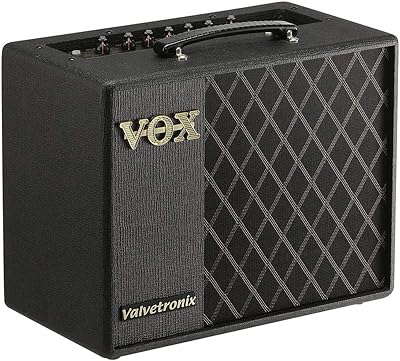
Vox VT20X 20-watt Modeling Guitar Combo Amplifier
84%
88%
Sound Quality
82%
Build Quality
91%
Ease of Use
84%
Portability
86%
Connectivity (USB)
More
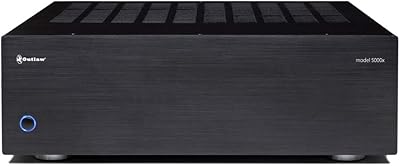
Outlaw Audio Model 5000x
84%
93%
Audio Clarity & Noise Floor
91%
Power Delivery & Dynamics
89%
Build Quality & chassis
88%
Channel Isolation & Crosstalk
87%
Speaker Protection & Safety
More
LOXJIE A30
LOXJIE A30
79%
86%
Sound Quality
82%
Build Quality
91%
Value for Money
89%
Input Versatility
63%
Bluetooth Performance
More
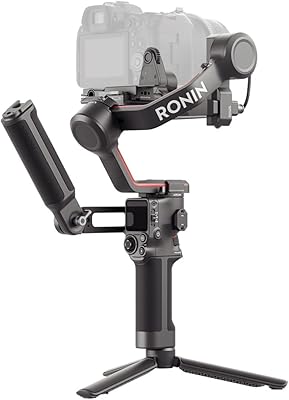
Riworal P2 Portable Headphone Amplifier
73%
74%
Build Quality
83%
Value for Money
68%
Audio Quality
88%
Input Connectivity
71%
Battery Life
More
AK55 Stereo Amplifier
79%
88%
Value for Money
74%
Sound Quality
86%
Karaoke & Mic Performance
83%
Bluetooth Connectivity
91%
Input Variety
More
Bose Music Amplifier Speaker Amp
76%
88%
Sound Quality
91%
Ease of Setup
93%
Streaming Versatility
74%
App Experience
86%
Build Quality
More
AK35 Stereo Mini Amplifier
71%
83%
Value for Money
67%
Sound Quality
71%
Bluetooth Performance
54%
Build Quality
89%
Setup & Ease of Use
More
NVX VAD27001 Monoblock Class D Amplifier
79%
91%
Power Output Accuracy
88%
Build Quality
72%
Thermal Management
69%
Installation Experience
86%
Bass Control & Tuning
More
Audiobank P1601 Monoblock Car Amplifier
73%
84%
Value for Money
57%
Power Output Accuracy
88%
Installation Experience
61%
Thermal Management
76%
Bass Quality
More
Logitech POP ICON Combo
83%
92%
Multi-Device Switching
91%
Noise Level
94%
Battery Life
79%
Keyboard Typing Feel
67%
Mouse Ergonomics
More

FAQ

There is a genuine tube in the preamp stage — it is not cosmetic. The Valvetronix design routes your guitar signal through a real tube before it hits the digital modeling section, which is a meaningful part of why the amp feels more responsive than a purely digital unit. That said, it is not an all-tube amp, so expectations should be calibrated accordingly.

Yes, and this is one of its more practical strengths. The Power Level control lets you scale back the output significantly, and there is a headphone output jack for completely silent playing. Many owners specifically mention using the power attenuation late at night without the tone going flat, which is not always the case with comparable modeling amps.

Tone Room is a free desktop application that connects to the amp via the USB port and unlocks additional amp models and presets beyond what is available onboard. You do not need it to use the amp — 11 models and 33 presets are accessible without a computer — but skipping it does mean leaving a meaningful portion of the amp's capabilities unused. Setup is straightforward, though some users find the interface takes a little getting used to.

At 100 watts through a 12-inch speaker, it handles club-sized venues and rehearsal rooms without breaking a sweat. Whether it is loud enough for your specific situation depends on the room and whether the PA system is carrying the vocals, but most gigging guitarists report it holds its own in typical live settings.

The onboard amp models span a wide range, from clean Fender-style tones to British-voiced crunch to higher-gain American characters. Clean and mid-gain tones tend to get the strongest praise from owners. It handles blues, classic rock, pop, and country very naturally. Extreme metal players may find the high-gain models less convincing compared to dedicated modern high-gain amps.

Yes — the USB port sends a digital signal directly to your DAW, so you can record without microphones or an audio interface. The 24-bit signal processing means the recorded quality is respectable. It works well for home demos and even more polished recordings when combined with good amp model selection.

The amp includes a footswitch jack but does not ship with a footswitch in the box. You would need to purchase a compatible Vox footswitch separately if you want hands-free channel and effects switching during a live performance.

This is one of the most common points of friction owners mention. The front panel has multiple selector knobs, user-defined channels, and value controls that interact with each other in ways that take time to learn. If you are used to straightforward amps with basic EQ and volume controls, plan to spend a few sessions with the manual before it feels intuitive.

Technically you can, but the VT100X is designed and voiced for six-string electric guitar, and the amp models reflect that. Bass frequencies through a single 12-inch guitar speaker will not reproduce well and could stress the speaker at higher volumes. For bass, a dedicated bass amp is the better choice.

Both are strong 100-watt modeling combos in a similar price bracket, but they take different approaches. The Katana is widely praised for being intuitive and easy to use right out of the box. This hybrid modeling amp offers a more organic feel due to the tube preamp stage, but that comes with a more complex control layout. If ease of use is your priority, the Katana has an edge; if tone character and versatility matter more, many players prefer the Vox.