Overview

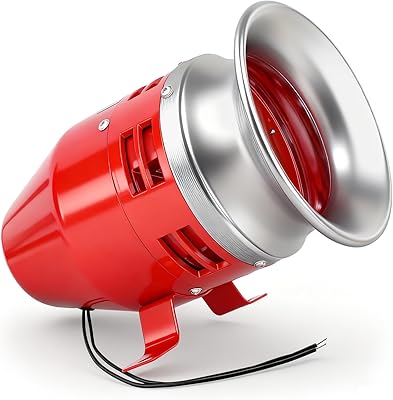
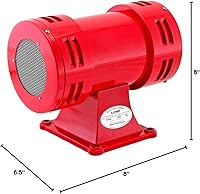
The Vixen Horns VXS-1050AR 116dB Air Raid Siren is a serious piece of industrial hardware — not the kind of alarm you buy to deter a porch thief. At 116 dB, this thing is roughly as loud as standing near a jet engine at close range, and its omnidirectional sound projection means the alert radiates outward in every direction up to 1600 feet. The housing is aluminum alloy with a stainless steel mesh grille, which puts it well above the flimsy plastic construction you find on budget alarm horns. One important caveat upfront: this is a wired 120V AC unit that mounts to a wall — no battery backup, no wireless option. If you need something portable, look elsewhere.

Features & Benefits

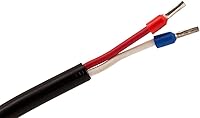
At 1000 Hz, the tone this industrial siren produces is specifically effective at cutting through the background roar of heavy machinery — it is not just loud, it is tuned to be heard. The thermal overload protector is worth understanding before you install it: the motor will run continuously for roughly one to three minutes, then automatically cut off to cool down before restarting. This is normal behavior, not a malfunction. The IP44-rated enclosure — powder-coated aluminum with a stainless steel mesh front — handles rain splatter and dust reasonably well, though it is not designed for direct water exposure or submersion. Wiring is straightforward: two wires to your power source. Keep in mind you will need a separate switch or control trigger, as none is included.

Best For

This air raid horn is a natural fit for anyone managing a space where a standard buzzer simply will not carry — a large warehouse, an open manufacturing floor, a rural farm spread across several acres. Schools and municipal emergency coordinators use similar setups for tornado or flood warning systems, and the VXS-1050AR integrates cleanly into those kinds of circuits. It is also a solid choice for security integrators who need a high-decibel output device that plays well with smoke detectors or gas sensors. If you are replacing an older industrial siren and want a drop-in 120V solution with minimal rewiring, this fits that need well. It is not, however, the right tool for small enclosed offices or residential alarm systems.

User Feedback

Across roughly 95 reviews, this industrial siren holds a 4.4 out of 5 rating — and the pattern in buyer comments is fairly consistent. People are genuinely surprised by how loud it is in practice; several noted it was far more powerful than they expected, which is saying something given the specs. Build quality gets frequent praise too, and most buyers find the wiring process quick and uncomplicated. The main complaint worth flagging is the thermal cutoff behavior — buyers who assumed the siren would run indefinitely during an emergency were caught off guard when it shut off after a few minutes to cool down. A handful of indoor users also noted it was uncomfortably loud in enclosed spaces, which is worth considering for your specific installation.

Pros

  • At 116 dB, this industrial siren is loud enough to be heard clearly across large open yards and warehouse floors.
  • Omnidirectional sound projection means no dead zones — the alarm radiates evenly in all directions.
  • The aluminum alloy housing with powder-coat finish feels substantially more durable than plastic-bodied competitors.
  • Stainless steel mesh resists rust and corrosion, making the VXS-1050AR suitable for damp or outdoor environments.
  • Two-wire installation is genuinely simple for anyone with basic electrical knowledge.
  • Compatible with a wide range of triggers including smoke detectors, gas sensors, timers, and anti-theft relays.
  • The thermal overload protector prevents motor burnout, extending the lifespan of the unit.
  • IP44 rating provides reasonable protection against dust and water splashing from any direction.
  • Backed by a one-year warranty and lifetime support from a US-based brand.
  • Buyers consistently report the loudness exceeds expectations even for those already familiar with industrial alarms.

Cons

  • The motor cuts off after just one to three minutes of continuous use, which can be a real problem in extended emergencies.
  • No switch or control trigger is included — you must source and wire a compatible one separately.
  • At 116 dB in an enclosed space, this air raid horn poses a genuine hearing risk without proper protection.
  • IP44 is splash-resistant, not waterproof — sustained outdoor rain exposure or direct hosing could cause damage over time.
  • No battery backup means the siren goes silent in a power outage unless you have a separate UPS or generator.
  • The unit only runs on 120V AC, ruling out any portable or low-voltage DC applications.
  • At just under eight pounds wall-mounted, repositioning or relocating the unit later is more involved than lighter alternatives.
  • Buyers unfamiliar with basic wiring may find the lack of included hardware or instructions frustrating during setup.

Ratings

The Vixen Horns VXS-1050AR 116dB Air Raid Siren scores below are generated by AI after analyzing verified buyer reviews from multiple global sources, with spam, incentivized, and bot-flagged submissions actively filtered out. Across nearly 100 real-world reviews from factory managers, security installers, rural property owners, and emergency preparedness coordinators, this industrial siren earned strong marks in several key areas — but not without some recurring frustrations worth knowing about. Both the genuine strengths and the honest pain points are reflected in every score below.

Sound Output
94%
Buyers across warehouse, farm, and campus installations consistently report that the siren exceeded their loudness expectations — not by a small margin, but noticeably so. In open outdoor environments, workers stationed at the far edge of large properties confirmed they heard it clearly without straining.
In enclosed or smaller indoor spaces, the 116 dB output is so intense that several users described it as physically uncomfortable and potentially hazardous without hearing protection. A handful of buyers wished a lower-volume option or adjustable output existed for indoor-only deployments.
Range & Coverage
88%
The omnidirectional pattern means there are no awkward dead zones or directional aiming to worry about during installation — the alarm radiates evenly in all directions. Users on open farmland and large industrial yards confirmed coverage well beyond what smaller alarm horns could achieve.
The stated 1600-foot range applies to open-air conditions; buyers in environments with large metal structures, dense shelving, or multiple interior walls reported noticeably reduced effective range. Realistic covered range in complex industrial interiors should be expected to fall somewhat short of the rated figure.
Build Quality
91%
The aluminum alloy housing with powder-coat finish and stainless steel mesh grille feels noticeably more substantial than similarly priced plastic-bodied alternatives. Users who had previously dealt with cracking or fading on cheaper horns repeatedly highlighted the solid construction as a primary reason for satisfaction.
A small number of long-term users noted minor surface oxidation on the housing after extended outdoor exposure, suggesting the powder coat has limits in harsh climates without additional protective measures. The finish holds up well under normal conditions but may need periodic inspection in coastal or high-humidity environments.
Ease of Installation
83%
The two-wire electrical connection and four-screw mounting base genuinely make this one of the simpler industrial sirens to physically install. Security integrators and facilities maintenance staff described the setup as quick and uncomplicated, often completing it in under thirty minutes.
The absence of any included switch, relay, or control trigger catches some buyers off guard — particularly first-time buyers who assumed a usable activation device was part of the package. Those without basic electrical experience may also need professional help to wire it safely into a live 120V circuit.
Continuous Run Performance
58%
42%
The thermal overload protection does what it is designed to do — it prevents the motor from burning out during sustained activation, which meaningfully extends the long-term lifespan of the unit. Users who understood this behavior upfront had no real complaints about it.
This is the single most common complaint in the review set: the siren shuts itself off after roughly one to three minutes of continuous use, which genuinely surprises buyers expecting uninterrupted operation during emergencies. For civil warning or fire evacuation applications where prolonged continuous alerting is required, this limitation is a serious functional concern that needs to be planned around.
Weather Resistance
72%
28%
The IP44 rating and corrosion-resistant materials give this air raid horn a real advantage over non-rated competitors in semi-exposed installations such as under-eave mounting, covered loading docks, or sheltered outdoor enclosures. Most buyers in these use cases report no weather-related issues over time.
IP44 is not a waterproof rating, and users who mounted this fully exposed to open-sky rainfall without additional protection reported concerns about long-term moisture ingress. Buyers in areas with heavy seasonal rain, snow, or salt air should plan for a protective cover or weatherproof enclosure to maintain reliability.
Motor Reliability
79%
21%
The heavy-duty motor construction and built-in thermal protection contribute to a generally positive long-term reliability picture among buyers who have owned the unit for a year or more. Reports of unexpected motor failure are uncommon in the review pool relative to cheaper alternatives.
Some users noted that repeated thermal cutoff cycles over many months — particularly in hot ambient environments — seemed to affect restart responsiveness over time. A minority of longer-term owners reported the motor becoming slower to restart after the thermal cutoff in high-temperature summer conditions.
Compatibility
86%
The simple two-wire 120V interface makes this siren broadly compatible with an impressive range of trigger systems — smoke detectors, gas sensors, manual switches, timers, and anti-theft relays all work cleanly without adapters or special wiring. Security integrators praised how predictably it drops into existing alarm infrastructure.
Compatibility is limited strictly to 120V AC systems, which excludes a meaningful segment of buyers working with 12V or 24V DC control panels common in smaller alarm setups or vehicle-adjacent applications. There is also no built-in wireless or smart-home integration for buyers seeking remote activation.
Value for Money
77%
23%
For buyers with a genuine industrial or civil warning use case, the combination of build quality, sound output, and brand support represents reasonable value relative to comparable commercial-grade sirens. Facilities managers who compared it against other 116 dB industrial horns generally felt the pricing was defensible.
For casual or light-duty buyers who only need occasional short bursts of a loud alarm, the price feels high relative to simpler piezo or electronic horn options that cost a fraction of this. The thermal run-time limitation also adds a layer of doubt about full value delivery in applications requiring extended continuous operation.
Noise Tone & Clarity
85%
The 1000 Hz air raid tone is a well-chosen frequency for industrial environments — it sits in the range where human hearing is most sensitive and where it most effectively punches through lower-frequency machinery noise. Users described the tone as unmistakably urgent and easy to distinguish from background equipment sounds.
The single fixed tone offers no variation — there is no multi-tone setting, no adjustable frequency, and no way to differentiate alert types such as fire versus intruder versus shift change. Facilities that need distinct audible signals for different alert categories would need to install multiple units or a separate multi-tone controller.
Warranty & Support
81%
19%
The one-year warranty backed by a US-based brand provides a meaningful level of assurance compared to unbranded imports with unclear support channels. Buyers in regulated industries who need documented warranty terms for compliance purposes appreciated having clearly stated coverage.
One year is on the shorter end for an industrial device expected to operate reliably for many years, and a few buyers noted they would have preferred a two or three-year warranty given the application and price point. Actual experience with warranty claims is underrepresented in the review pool, making it hard to assess real-world support responsiveness.
Mounting & Form Factor
76%
24%
The compact footprint and straightforward four-screw wall-mount base make placement flexible across a variety of surfaces — concrete walls, wooden posts, steel beams, and fence rails all accommodate it without special hardware. At under eight pounds, it is manageable for a single installer.
The unit is heavier and bulkier than it appears in product photos, and buyers who underestimated its size noted it required more substantial mounting hardware than they had prepared. Repositioning after initial installation also requires full rewiring, which makes choosing the right location upfront especially important.
Indoor Suitability
47%
53%
For very large enclosed spaces such as aircraft hangars, large gymnasium facilities, or multi-floor industrial buildings, the volume output does provide the coverage needed to alert personnel throughout the space effectively.
In any enclosed space of normal or moderate size, 116 dB is genuinely dangerously loud for unprotected ears, and multiple buyers flagged this as a real concern for indoor installations. The sound reflection and reverberation in enclosed environments amplifies the perceived volume further, making this a poor fit for offices, server rooms, or any space where people are in close proximity to the unit.

Suitable for:

The Vixen Horns VXS-1050AR 116dB Air Raid Siren was built for environments where being heard is not optional — factory floors, large warehouses, agricultural properties, and open outdoor spaces where a standard buzzer would simply get lost in the noise. Facility managers who need a dependable evacuation signal that reaches every corner of a sprawling workspace will find the 1600-foot omnidirectional range genuinely useful, not just impressive on paper. Schools and municipal emergency coordinators setting up tornado or flood warning circuits will appreciate how cleanly this unit integrates with existing sensors and control systems via a basic two-wire connection. It also suits security integrators and contractors who regularly wire industrial alarm networks and need a high-output horn that pairs with smoke detectors, gas sensors, or timers without compatibility headaches. If you are replacing an aging 120V wall-mount siren and want a straightforward drop-in upgrade with better build quality, this is a practical and well-supported choice.

Not suitable for:

The Vixen Horns VXS-1050AR 116dB Air Raid Siren is a poor fit for anyone expecting a plug-and-play device straight out of the box — you will need a separate switch, relay, or control trigger, and some basic wiring confidence is assumed. Buyers hoping for a siren that can wail indefinitely during a prolonged emergency should know upfront that the motor shuts itself off after roughly one to three minutes of continuous use to prevent overheating, which may be a dealbreaker for certain civil warning applications. This is not the right alarm for small enclosed spaces like offices, server rooms, or residential interiors — at 116 dB in a confined area, it is genuinely painful and potentially hazardous to hearing without proper protection. It runs exclusively on 120V AC power, so there is no battery backup or portable use case here. Anyone working with a tight budget who only needs a basic alert for a small area will likely find simpler and cheaper options more proportionate to their needs.

Specifications

  • Sound Output: This siren produces a sustained 116 dB alarm tone, comparable in intensity to standing near a running chainsaw or at the front row of a loud concert.
  • Frequency: The alarm operates at 1000 Hz, a mid-range frequency chosen specifically because it cuts through the low-frequency background noise common in industrial environments.
  • Coverage Range: Omnidirectional sound projection reaches an effective radius of approximately 1600 feet under open-air conditions.
  • Power Source: The unit runs exclusively on 120V AC corded power and requires a direct wired connection — no battery backup or DC voltage option is available.
  • Motor Protection: A built-in thermal overload protector automatically shuts the motor off after approximately 1 to 3 minutes of continuous use, allowing it to cool before restarting.
  • Housing Material: The outer body is cast from aluminum alloy and finished with an electrostatic powder-coat spray for a wear-resistant, corrosion-resistant surface.
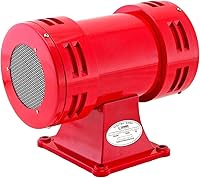
  • Mesh Material: The front grille is constructed from stainless steel, which resists rust and holds up well in humid or outdoor-adjacent environments.
  • Ingress Protection: The enclosure carries an IP44 rating, meaning it is protected against solid particles larger than 1mm and against water splashing from any direction — but it is not waterproof.
  • Dimensions: The siren body measures 8″ wide, 6.5″ tall, and 5.25″ deep, making it a compact but substantial wall-mounted unit.
  • Weight: The unit weighs 7.7 lbs, which is important to account for when choosing a mounting surface and hardware.
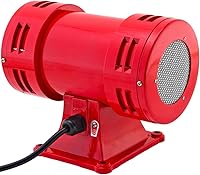
  • Mounting: Installation uses a four-screw wall-mount base, and the electrical connection requires only two wires tied to a 120V AC power source.
  • Sound Pattern: Sound is projected omnidirectionally, radiating outward evenly in all directions rather than focusing in a single beam.
  • Compatible Triggers: The siren can be activated by a manual switch, smoke detector, gas sensor, timer, or anti-theft alarm relay — any device that switches a 120V circuit.
  • Warranty: Vixen Horns provides a one-year warranty against defects in materials and workmanship, along with stated lifetime customer support.
  • Brand Origin: Vixen Horns is a US-based brand, which may be relevant for buyers in regulated industries that require documented supplier information.
  • Package Contents: The package includes the siren unit only — no switch, relay, mounting hardware, or control device is included.

Related Reviews
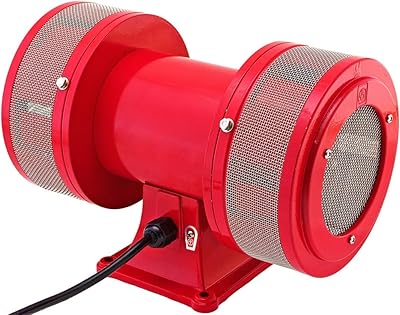
Vixen Horns VXS-1450AR Industrial Air Raid Siren
79%
93%
Sound Output & Loudness
88%
Build Quality & Materials
84%
Installation Ease
61%
Duty Cycle & Continuous Operation
67%
Value for Money
More
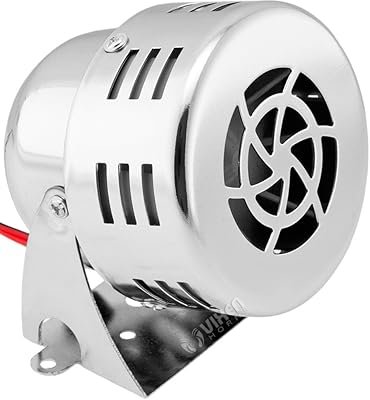
Vixen Horns VXS-9060C Electric Siren
86%
91%
Loudness and Range
88%
Build Quality and Durability
85%
Ease of Installation
92%
Value for Money
89%
Compactness and Design
More
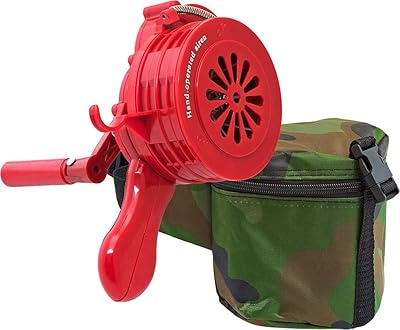
Vixen Horns VXS-1000P Hand Crank Siren
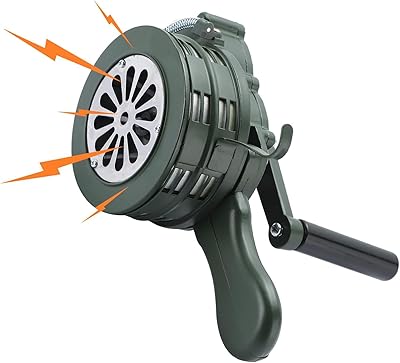
78%
83%
Sound Output & Range
88%
Ease of Use
62%
Build Quality
91%
Portability & Form Factor
77%
Volume Control & Adjustability
More
MAOPINER Handheld Air Raid Siren
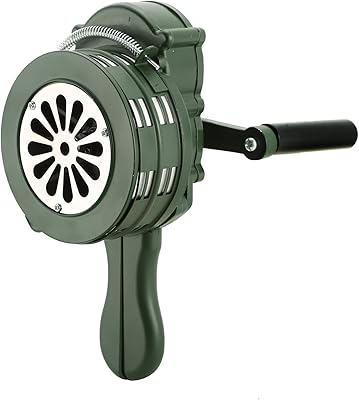
85%
92%
Sound Loudness
89%
Portability
82%
Ease of Use
88%
Build Quality
78%
Manual Crank Operation
More
MYFULLY MY-0289 Manual Hand Crank Siren
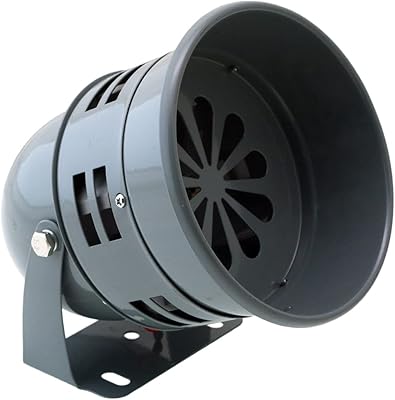
78%
88%
Build Quality
83%
Sound Output
74%
Ease of Use
81%
Portability & Storage
93%
Battery-Free Reliability
More
Vixen Horns VXS4006 Electric Air Raid Siren
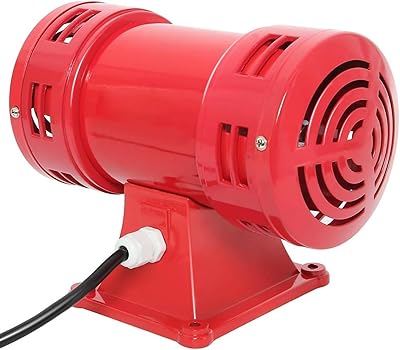
74%
88%
Sound Output & Volume
81%
Build Quality & Housing
91%
Ease of Installation
67%
Range & Coverage
73%
Tone & Sound Character
More
YaeCCC RA-0121 Air Raid Siren
74%
83%
Sound Output
88%
Build Quality
61%
Installation Ease
76%
Value for Money
71%
Volume Consistency
More
QWORK Hand Crank Siren Horn
79%
88%
Sound Output
83%
Build Quality
91%
Ease of Use
86%
Portability
79%
Volume Control
More
Dioche BRJ-625 150dB Security Siren Horn
75%
93%
Sound Output & Volume
78%
Ease of Wiring
71%
Build Quality
58%
Weather Resistance
86%
Dual-Tone Sound Clarity
More
Baomain MS-390 110V AC Motor Siren
79%
93%
Sound Output & Volume
88%
Build Quality & Durability
61%
Ease of Installation
79%
Value for Money
86%
Audible Range & Coverage
More

FAQ

No, the unit ships without a switch or control trigger. You will need to wire it into an existing control system — a manual toggle switch, a relay tied to a smoke detector, or a similar 120V switching device. The wiring itself is just two wires, so it is not complicated, but that control component is on you to source separately.

Not without interruption. The motor has a built-in thermal cutoff that kicks in after roughly one to three minutes of continuous operation, at which point it shuts itself off to cool down and then restarts automatically. This is a protective feature, not a defect, but it is something you need to plan around if your application calls for a sustained, uninterrupted alarm signal.

It can handle outdoor environments reasonably well thanks to its IP44 rating and the aluminum-and-stainless-steel construction. That said, IP44 means it is protected against splashing water, not driving rain, pressure washing, or prolonged submersion. If your install is fully exposed to the elements, you may want to mount it under an overhang or use an additional weatherproof enclosure.

It is very loud — genuinely startling loud. Think of the sound level near a running jackhammer or at the front of a loud rock concert. In a warehouse with forklifts and machinery running, it will absolutely be heard. If your space has workers wearing hearing protection, you may want to test coverage at the far corners, but for most industrial environments 116 dB at 1600 feet of range is more than sufficient.

Yes, as long as your fire alarm panel or smoke detector can switch a 120V circuit, this siren will integrate cleanly. Many industrial-grade panels have relay outputs designed exactly for this kind of auxiliary horn. Just confirm your panel output voltage matches before wiring.

It works indoors, but go in with your eyes open — 116 dB in an enclosed space is seriously intense and potentially hazardous to hearing without ear protection. Some buyers have noted that indoors it felt overwhelming even at a distance. If your application is a large open-floor industrial space, it is fine. For smaller rooms or hallways, you might want a lower-output unit instead.

The base uses four screws for mounting, and at 7.7 lbs the unit has some real weight to it. A wooden post, concrete wall, steel beam, or fence rail all work fine as long as the surface is solid and you use appropriately rated hardware. Avoid flimsy or hollow-wall installations without wall anchors.

This model is rated for 120V AC only. If your facility runs on 240V circuits, this unit is not compatible without a step-down transformer, and that would add complexity and potential warranty concerns. Vixen Horns does offer other models with different voltage ratings, so it is worth checking their lineup if 240V is your standard.

The physical part — attaching the base with four screws — is straightforward. The electrical side is also simple in concept: two wires to a 120V source. That said, if you are not comfortable working with mains voltage, having a licensed electrician handle the hookup is a smart call. The wiring itself takes minutes for someone experienced; the caution is just about working safely with 120V circuits.

The manufacturer provides a one-year warranty covering defects in materials and workmanship from the date of purchase, plus stated lifetime customer support. For most buyers that coverage is sufficient, especially given the straightforward, low-component design of the unit. If you are buying for a regulated environment that requires longer warranty documentation, it is worth contacting Vixen Horns directly to discuss options.

Where to Buy