Overview

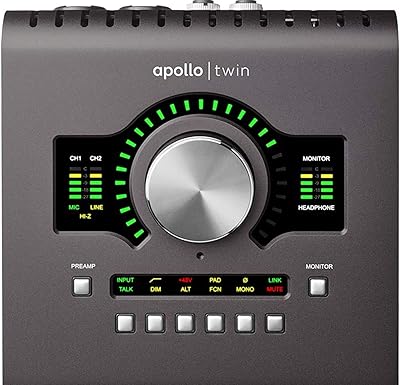
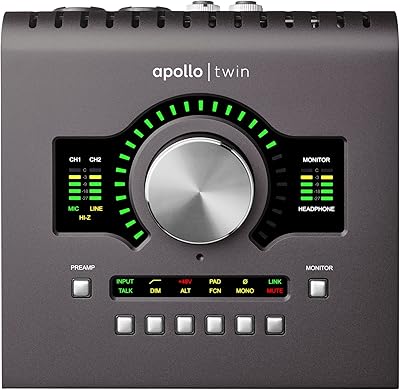
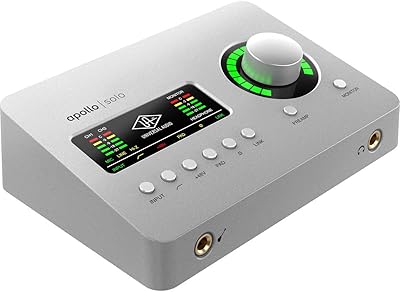
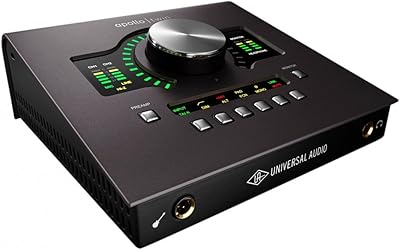
The Universal Audio Apollo Twin USB Heritage Interface is UA's dedicated answer for Windows producers who want serious UAD processing in a compact desktop package. Where the standard Apollo Twin USB delivers the core hardware, the Heritage Edition adds a curated bundle of five plug-in titles from Teletronix, Pultec, and Universal Audio — a meaningful head start for anyone building a UAD-based studio. At the center of it all sits the UAD Duo Core DSP chip, which handles real-time plug-in processing independently of your computer. USB 3 connectivity keeps setup straightforward on modern Windows rigs, with no Thunderbolt card required. This is a premium-tier tool, not an entry-level purchase.
Features & Benefits

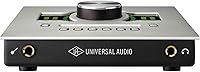
The UAD Duo Core processor is what separates this interface from most USB competitors. It runs vintage compressors, EQs, tape saturation, and amp simulations in real time with latency under 2ms — all without touching your CPU headroom. The two mic preamps use Unison technology, which doesn't just model the sonic character of classic tube and transformer circuits but replicates their impedance and gain-staging behavior. That distinction matters when you're tracking vocals or recording direct guitar. A front Hi-Z input handles instruments, a stereo headphone output covers monitoring, and an optical ADAT port opens up to eight additional digital channels whenever you need to expand.

Best For

The Apollo Twin USB is built for a specific kind of user, and it's worth being honest about that. Windows-based producers who've been blocked by the Thunderbolt requirement on other Apollo models will find this a practical entry point into the UAD world. It's particularly strong for solo recording setups — a singer-songwriter tracking vocals and guitar, a guitarist dialing in amp tones with authentic preamp response, or a producer working one or two sources at a time. Engineers already invested in, or planning to grow, a UAD plug-in collection will extract significantly more value here than someone simply shopping for a clean converter.

User Feedback

With roughly 40 ratings on Amazon, the sample is modest enough that broad conclusions need to be taken carefully — but the patterns are still informative. Buyers consistently highlight preamp clarity and conversion quality as genuine strengths, describing a noticeable step up from the interfaces most are replacing. The Heritage plug-in bundle earns real appreciation as a practical starting point, not just a marketing add-on. On the downside, some users have reported driver instability on certain Windows configurations, which warrants research before purchasing. A few experienced engineers noted the USB bandwidth ceiling becomes apparent under heavier DSP loads compared to Thunderbolt Apollo variants, and ongoing UAD plug-in costs remain a friction point for budget-aware buyers.

Pros

  • Onboard UAD Duo Core DSP handles real-time plug-in processing without putting load on your CPU.
  • Unison preamp technology replicates the actual impedance behavior of classic tube and transformer circuits.
  • 24-bit/192kHz conversion delivers recording quality that holds up in professional mixing contexts.
  • The Heritage plug-in bundle includes immediately useful Teletronix and Pultec titles right out of the box.
  • USB 3 connectivity removes the Thunderbolt barrier for Windows users who want into the UAD ecosystem.
  • Sub-2ms real-time latency means you can track through vintage-style processors without uncomfortable monitoring delay.
  • Optical ADAT input provides a practical path to expand the channel count as your studio grows.
  • Compact desktop footprint keeps the unit unobtrusive on a crowded studio desk.
  • Front-panel Hi-Z input and headphone output make this a self-contained solution for solo recording sessions.

Cons

  • Windows-only compatibility locks out Mac users entirely — this is a hard platform restriction, not a workaround.
  • Two preamp inputs will feel restrictive for anyone recording bands or multiple sources at once.
  • Some users have reported driver instability on specific Windows configurations that required troubleshooting to resolve.
  • Expanding beyond the bundled plug-ins means ongoing purchases inside a proprietary ecosystem with no third-party DSP alternatives.
  • Experienced engineers migrating from Thunderbolt Apollo units may notice a bandwidth ceiling under heavier DSP demands.
  • The Apollo Twin USB has a relatively thin review base, making it harder to assess long-term reliability with confidence.
  • No standalone operation mode limits usefulness outside a full computer-based recording setup.
  • The UAD Console software adds a layer of complexity that steeper learning curve for users new to the ecosystem.

Ratings

Our scores for the Universal Audio Apollo Twin USB Heritage Interface were generated by AI after systematically analyzing verified buyer reviews worldwide, with spam, bot-driven, and incentivized feedback actively filtered out. The ratings reflect a balanced synthesis of what real users praised and where they ran into genuine frustrations — nothing is glossed over. With a relatively modest review pool to draw from, each category score is weighted carefully to reflect signal over noise.

Audio Conversion Quality
91%
Users consistently describe the preamp clarity and converter transparency as the unit's most compelling attribute, with several noting a distinct improvement over the interfaces they replaced. Tracking vocals and acoustic instruments through this UA interface reveals a low noise floor and a natural, open-sounding top end that holds up well in the mix.
A small number of more experienced engineers note that at very high sample rates, subtle artifacts can appear under specific routing configurations, though this appears to be an edge case rather than a widespread issue.
UAD DSP Performance
86%
The Duo Core chip handles real-time processing of vintage compressors and EQs without creating the CPU strain that software-only processing would demand. For producers tracking vocals or guitar through classic preamp emulations, the sub-2ms latency makes the experience feel genuinely responsive rather than like a workaround.
Power users who push the DSP with multiple simultaneous plug-in instances — especially heavier algorithms like tape saturation and convolution reverb — report hitting the Duo Core ceiling faster than expected. Those coming from Quad or Octo Apollo systems will feel the constraint acutely.
Preamp Quality
88%
Unison technology earns consistent praise for making the preamp inputs feel alive in a way that basic modeling does not. Guitar players tracking direct and vocalists using sensitive condensers both report that the impedance matching makes a perceptible difference in how the signal responds to dynamics.
With only two preamp inputs, the hardware ceiling is reached quickly for anyone recording more than one source at a time. There is no workaround within the unit itself short of adding an external ADAT preamp, which adds cost and complexity.
Windows Compatibility
71%
29%
For Windows-based producers who have been locked out of the Apollo ecosystem due to Thunderbolt dependency, the Apollo Twin USB fills a real gap. USB 3 setup is plug-and-play in the best-case scenario, and most users on clean, up-to-date Windows 10 and 11 systems report stable day-to-day operation.
Driver stability is a recurring concern, with a meaningful subset of users reporting dropouts, recognition failures, or performance degradation after Windows updates. The troubleshooting process can be time-consuming, and UA's driver release cadence for this model has frustrated some users waiting for fixes.
Value for Money
74%
26%
The Heritage Edition bundle genuinely softens the price of entry into the UAD ecosystem. Getting foundational Teletronix and Pultec titles included means new users can start producing professional-sounding sessions without an immediate additional outlay on plug-ins, which adds up fast when purchased individually.
Once users move past the bundled plug-ins, the proprietary UAD ecosystem requires ongoing investment in licensed titles that only run on UA hardware. For budget-conscious buyers, this lock-in can make the long-term cost of ownership considerably higher than the initial purchase price suggests.
Build Quality
83%
The chassis feels solid and purposeful in hand — this is not a plasticky budget unit. The knobs and front-panel controls have a reassuring resistance and precision that matches the price tier, and users report no significant mechanical failures even after extended daily use.
At just one pound, some users initially worried the unit felt too light for its price, though most conclude that the compact form factor is intentional and practical rather than a sign of cheap construction.
Ease of Setup
77%
23%
For users on clean Windows systems, getting the Apollo Twin USB operational inside a DAW is reasonably quick. UA Connect handles driver and firmware installation in a guided process, and most mainstream DAWs recognize the interface without additional configuration.
Users who run complex Windows environments — multiple audio devices, older drivers, or certain antivirus software — report a bumpier initialization experience. The UAD Console software layer adds a step that some find confusing when troubleshooting routing issues for the first time.
Latency Performance
84%
Real-time UAD processing at sub-2ms latency is a genuine functional advantage for tracking sessions, particularly when running amp simulations or vintage compressors on the way in. Guitarists especially appreciate hearing their processed tone in real time without the monitoring delay that software-only setups introduce.
Total round-trip latency — including the DAW buffer — is still subject to normal USB constraints, and sensitive performers who need extremely tight monitoring response may find the ceiling lower than they expected compared to Thunderbolt-connected alternatives.
Plug-in Ecosystem
69%
31%
The depth and quality of the UAD plug-in catalog is genuinely impressive, covering classic hardware emulations from SSL, Neve, API, Studer, and many others. For engineers who know this library, access to it at tracking latency is a compelling reason to choose this platform over competitors.
The ecosystem is entirely closed — UAD plug-ins only run on UA DSP hardware, which means your library has zero portability if you switch platforms. The cost of expanding beyond the Heritage bundle can become a significant ongoing expense that new buyers sometimes underestimate.
I/O Flexibility
62%
38%
The optical ADAT input provides a practical upgrade path for users who eventually need more channels, and the front-panel Hi-Z input means guitarists and bassists can record direct without extra hardware. For a focused solo recording setup, the I/O count is well-matched to the use case.
Two mic preamps is a hard ceiling that limits this Heritage Edition unit to solo and small-session workflows. Anyone who records drums, full bands, or even a simple podcast with multiple guests will outgrow the physical I/O almost immediately.
Headphone Monitoring
78%
22%
The front-panel headphone output delivers clean, well-powered monitoring that is more than adequate for tracking and basic mix referencing. Users report accurate stereo imaging and enough headroom to drive a wide range of headphone impedances without obvious coloration.
There is only a single headphone output, which limits simultaneous monitoring for more than one person. Producers who work with session musicians who need their own cue mix will need an external headphone amp to work around this.
Software Integration
73%
27%
UAD Console integrates directly with major DAWs and handles routing, monitoring mixes, and plug-in assignment in a single interface. Once a user understands the workflow, it becomes a reliable part of the session setup rather than an obstacle.
UAD Console adds a mandatory software layer that runs alongside the DAW, and some users report occasional conflicts or CPU overhead from running both simultaneously. Updates to the Console software have occasionally broken compatibility temporarily with certain DAW versions.
Heritage Bundle Quality
87%
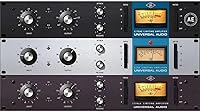
The Teletronix LA-2A, Pultec EQP-1A, and accompanying UA titles in the Heritage bundle are among the most widely used emulations in professional studios. Buyers consistently describe the bundle as genuinely useful from the first session rather than a collection of novelty plug-ins included to pad the spec sheet.
Users who are already deep in the UAD ecosystem and own these plug-ins separately receive no additional benefit from the Heritage designation, effectively paying a premium for licenses they already hold.

Suitable for:

The Universal Audio Apollo Twin USB Heritage Interface is a strong match for Windows-based producers and engineers who want access to UAD's processing ecosystem without needing a Thunderbolt port. Solo recording artists — think singer-songwriters tracking vocals and acoustic instruments, or guitarists who want to run amp and preamp emulations at near-zero latency — will find the I/O count perfectly adequate for their workflow. Home studio owners stepping up from a budget interface for the first time will notice a real improvement in conversion quality and headroom. If you are already invested in UAD plug-ins, or planning to build out that library over time, this Heritage Edition unit makes that roadmap considerably more cost-effective from day one. The bundled plug-in suite from Teletronix, Pultec, and UA is not a token gesture — it is a genuinely useful starting point that covers classic compression and EQ shaping for real sessions.
Not suitable for:

The Universal Audio Apollo Twin USB Heritage Interface is not the right choice for Mac users — this SKU is explicitly Windows-only, and buyers should verify compatibility before purchase. Producers who regularly track multiple sources simultaneously, run large session templates, or need more than two preamps will quickly find the I/O too limiting, regardless of the DSP performance. Engineers expecting Thunderbolt-level bandwidth and headroom under heavy UAD plug-in loads may encounter performance ceilings that the USB 3 connection cannot overcome. Budget-conscious buyers should also think carefully about the total cost of ownership: the UAD plug-in ecosystem operates on a paid model, and expanding beyond the bundled suite adds up over time. If you have no interest in UAD plug-ins and are simply shopping for clean conversion, there are competitive alternatives at this price tier worth considering.
Specifications

  • Form Factor: Desktop 2x6 USB audio interface designed for stationary home and project studio use.
  • Connectivity: USB 3 connection provides reliable, high-bandwidth communication with modern Windows-based computers.
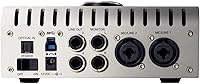
  • Mic Preamps: Two combo mic/line inputs with Unison technology model the impedance and gain-staging of classic tube and transformer preamp circuits.
  • Conversion: 24-bit/192kHz analog-to-digital and digital-to-analog conversion delivers high-resolution audio capture and playback.
  • DSP Chip: UAD Duo Core onboard processor handles real-time plug-in processing independently of the host computer's CPU.
  • Latency: Real-time UAD processing operates at sub-2ms latency, making it practical to track through complex plug-in chains.
  • Monitor Outputs: Two digitally controlled analog monitor outputs maintain full resolution at all listening levels.
  • Headphone Output: Front-panel stereo headphone output provides independent monitoring for the recording musician.
  • Instrument Input: Front-panel Hi-Z input accepts electric guitar or bass signals directly without a separate DI box.
  • Digital I/O: Optical ADAT and S/PDIF connections support up to eight additional channels of digital input for expanded recording setups.
  • OS Support: Compatible exclusively with Windows operating systems; Mac users must select a different Apollo variant.
  • Plug-in Formats: UAD-powered plug-ins run in Audio Units, VST, RTAS, and AAX64 formats across all major DAWs.
  • Bundled Plug-ins: Includes the Heritage Edition suite featuring five plug-in titles from Teletronix, Pultec, and Universal Audio.
  • Model Number: Official model number is APLTWDU-HE, identifying this as the Heritage Edition of the Apollo Twin USB.
  • Dimensions: The unit measures 6 x 8 x 8 inches, occupying a compact footprint on a studio desk.
  • Weight: The interface weighs 1 pound, making it light and easy to position without dedicated rack mounting.

Related Reviews

Universal Audio Apollo Twin MkII Heritage Edition
86%
93%
Audio Performance
94%
Build Quality
88%
UAD Plug-in Bundle
90%
Latency & Tracking
72%
Software Compatibility
More
Universal Audio Apollo Twin X QUAD Interface
81%
93%
Audio Conversion Quality
88%
DSP Performance
91%
Preamp Quality
74%
Value for Money
86%
Build Quality
More
Universal Audio Apollo Twin X DUO Interface
79%
93%
Sound Quality
91%
Preamp Quality
74%
DSP Performance
81%
Value for Money
57%
Platform Compatibility
More
Universal Audio Apollo X16 Audio Interface
82%
94%
Conversion Quality
91%
UAD DSP Performance
89%
Build & Hardware Quality
92%
Low-Latency Tracking
88%
I/O Flexibility
More
Universal Audio Apollo 8 QUAD Audio Interface
79%
93%
Preamp Quality
91%
DSP Performance
89%
Audio Conversion
92%
Build Quality
74%
Software & Console 2.0
More
Universal Audio Apollo Twin MkII Solo Interface
78%
93%
Preamp Quality
71%
DSP Performance
91%
Build Quality
89%
Audio Conversion
78%
Software Experience
More
Universal Audio Apollo x6 Heritage Edition Interface
76%
94%
Audio Conversion
91%
DSP Processing
93%
Preamp Emulation
71%
Value for Money
33%
Platform Compatibility
More
Universal Audio Apollo x8p Heritage Edition Audio Interface
83%
94%
Conversion Quality
91%
Preamp Emulation Accuracy
89%
DSP Performance
86%
Build & Hardware Quality
71%
Software & Driver Stability
More
Universal Audio Apollo x4 Heritage Edition Audio Interface
80%
93%
Preamp Quality
91%
Conversion Quality
89%
DSP Performance
78%
Value for Money
88%
Build Quality
More
Universal Audio Apollo x8 Heritage Edition Interface
79%
93%
Conversion Quality
91%
DSP Performance
89%
Preamp Emulation
82%
Heritage Plug-in Bundle
71%
Ecosystem & Software Integration
More

FAQ

No, it does not. The Apollo Twin USB is a Windows-exclusive product. If you are on a Mac, Universal Audio makes Thunderbolt-based Apollo variants that are compatible, but this specific unit is not one of them. Double-check your OS before purchasing.

Yes, you will need to install UA Connect, which is Universal Audio's software manager. It handles driver installation, firmware updates, and plug-in licensing. The process is fairly straightforward on a clean Windows setup, though some users have reported needing to troubleshoot on certain system configurations.

Absolutely. The Universal Audio Apollo Twin USB Heritage Interface works as a standard audio interface in any DAW, so your existing VST or AAX plug-ins will run on your computer as normal. The onboard UAD DSP specifically runs UA's own licensed plug-ins; third-party plug-ins just run on your CPU like they always would.
Two. There are two combo XLR/TRS inputs on the back for microphones or line-level signals. If you need more simultaneous mic inputs, you can connect an external ADAT-compatible preamp via the optical port to add up to eight more channels, but that requires additional hardware.

Universal Audio typically includes a USB cable in the packaging, but it is worth confirming this at purchase since bundle contents can vary by retailer. Either way, the unit uses a standard USB 3 connection, so replacements are easy to find if needed.

Unison goes beyond simple preamp emulation. It physically adjusts the input impedance and gain-staging behavior of the hardware preamp circuit to match the model being used, whether that is a vintage Neve, API, or tube preamp character. The result is that microphones and instruments respond to the preamp the way they would with the real hardware, which can noticeably affect how condenser mics and passive ribbon mics sound and behave.

The Duo Core chip gives you a reasonable amount of DSP headroom for a compact interface, though it is not unlimited. You can comfortably run several instances of classic compressors or EQs simultaneously during tracking. Where you may hit ceiling constraints is running many complex, DSP-heavy plug-ins at once — that is where the Duo Core shows its limits compared to the Quad or Octo chip options in larger Apollo units.

Once your plug-ins are licensed and activated through UA Connect, you can use the Apollo Twin USB offline. The UAD plug-ins themselves do not require a constant internet connection to run in your sessions, which is reassuring for anyone working in a studio environment without reliable connectivity.

The Apollo Twin USB works with all major DAWs including Pro Tools, Ableton Live, Logic Pro (though the unit does not support Mac), Cubase, Reaper, and Studio One, among others. UAD plug-ins run in VST, AAX64, RTAS, and Audio Units formats, so compatibility is broad across the Windows DAW ecosystem.

It is genuinely worthwhile, especially if you are new to UAD. The five included titles from Teletronix, Pultec, and Universal Audio cover foundational compression and EQ shaping — tools that get used on nearly every session. Buying those plug-ins separately after the fact would cost significantly more, so the Heritage Edition pricing reflects real added value, not just padding.

Where to Buy