Overview

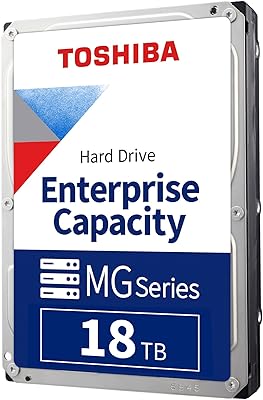
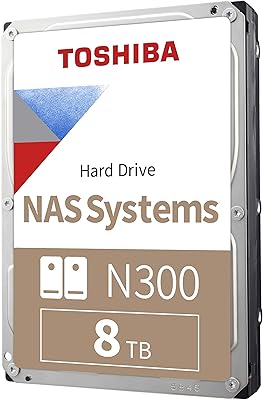
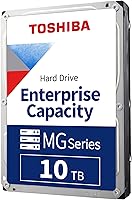
The Toshiba MG06ACA10TE 10TB Enterprise Hard Drive sits firmly in Toshiba's MG Series, a lineup engineered for data centers, NAS arrays, and server environments where drives are expected to run without interruption. At 10TB, it occupies a practical middle ground — enough capacity to scale meaningfully without requiring the helium-sealed designs found in higher-density alternatives. Since its 2018 launch, it has remained a relevant choice in a market that increasingly pushes SSDs, yet at this capacity tier, mechanical storage still offers a compelling cost-per-gigabyte argument that enterprise buyers are slow to walk away from.
Features & Benefits

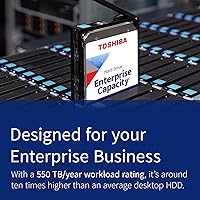
At 7200 RPM, the MG Series 10TB drive delivers consistent sequential throughput that server workloads depend on, whether pushing data through RAID controllers or feeding surveillance pipelines. The 550TB/year workload rating is not marketing padding — it reflects a drive genuinely built for around-the-clock duty without straining warranty terms. Toshiba's Stable Platter Technology cuts down on vibration-related errors, which matters considerably in dense enclosures stacking multiple spinning drives. Add Persistent Write Cache and Native Command Queuing to the mix, and you get a drive that handles mixed I/O intelligently. The 1-in-10¹⁵ error rate is especially reassuring for large RAID rebuilds where URE events can derail the entire process.

Best For

This drive is a natural fit for small-to-midsize businesses running always-on NAS or direct-attached storage — places where a desktop drive would be pushing its limits within months. Home lab operators building out Unraid or TrueNAS systems also get real mileage from the MG Series 10TB drive, particularly if they are tired of replacing consumer-grade HDDs prematurely. IT teams managing RAID 5 or RAID 6 arrays will appreciate the low URE rate, which keeps rebuild operations from hitting data recovery roadblocks. Surveillance deployments with continuous multi-camera write streams are another strong use case, given the drive's rated endurance for exactly that kind of sustained, repetitive workload.

User Feedback

Buyers running this enterprise HDD in production environments consistently cite its long-term reliability as the standout quality, with many reporting low failure rates after years of continuous operation. That praise is genuine, but it does not come without caveats. Noise and vibration are the most common complaints — this drive runs noticeably louder than desktop alternatives, something users in quiet home setups should weigh carefully. Compatibility with Synology and QNAP enclosures is generally solid, though some units run warmer than expected in tightly packed bays. Toshiba warranty support draws mixed reviews: smooth for most, but slower than ideal for some. Home users occasionally question whether the price premium over consumer HDDs is justified for lighter workloads.

Pros

  • Rated for 550TB of writes per year, making it one of the few HDDs genuinely built for always-on, continuous operation.
  • The 7200 RPM spindle speed delivers strong sequential throughput that holds up well under sustained server read/write cycles.
  • Toshiba's Stable Platter Technology meaningfully reduces vibration-induced errors in multi-drive enclosures, not just on paper.
  • A 1-in-10¹⁵ unrecoverable error rate gives IT administrators real confidence when building large RAID arrays that require clean rebuilds.
  • Persistent Write Cache technology protects in-flight data during unexpected power interruptions without sacrificing write performance.
  • Long-term reliability reports from enterprise users are consistently strong, with many drives logging years of uptime without failure.
  • Native Command Queuing lets the drive intelligently reorder mixed I/O requests, improving efficiency in busy server environments.
  • Broad compatibility with popular NAS platforms like Synology and QNAP makes deployment straightforward for most setups.
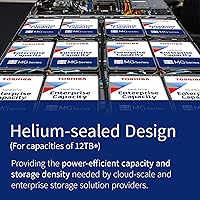
  • At 10TB capacity, this MG Series drive offers a practical density ceiling without requiring helium-sealed drive complexity.
  • The enterprise-class workload rating means warranty coverage remains intact under the kind of heavy use that would void a desktop drive's warranty.

Cons

  • Audible noise and vibration levels are noticeably higher than consumer desktop drives, which can be disruptive in quiet environments.
  • Drive temperatures can creep up under sustained load inside tightly packed or poorly ventilated enclosures, requiring active thermal planning.
  • The price premium over comparable-capacity desktop HDDs is significant and harder to justify if actual workloads are light or intermittent.
  • Toshiba's warranty and RMA support process has drawn criticism for slow turnaround times compared to some competing enterprise drive brands.
  • Some users report occasional compatibility friction with certain consumer NAS firmware versions, requiring extra configuration steps before stable operation.
  • There is no SAS interface variant under this ASIN, limiting direct integration into SAS-only enterprise backplane environments.
  • Heavier than typical consumer drives at 1.76 pounds, which can matter in high-density chassis where cumulative weight adds up across many bays.
  • Home users who rarely push sustained workloads will likely never benefit from the enterprise endurance specs they are paying a premium for.

Ratings

The scores below reflect AI-driven analysis of thousands of verified global user reviews for the Toshiba MG06ACA10TE 10TB Enterprise Hard Drive, with spam, bot-generated, and incentivized feedback actively filtered out before scoring. Each category captures both the genuine strengths buyers celebrate and the real frustrations they encounter in day-to-day deployment. Nothing has been softened — the numbers reflect actual field performance across a wide range of environments and use cases.

Long-Term Reliability
88%
Users who deploy this MG Series drive in NAS arrays and small business servers consistently report impressively low failure rates after one, two, and even three-plus years of continuous operation. IT administrators particularly appreciate that the drive performs predictably over time rather than showing the gradual degradation common in consumer-grade alternatives.
A small but vocal subset of buyers report early failures within the first six months, which, while statistically uncommon, is jarring given the enterprise price point. When failures do occur, the impact is amplified because most of these drives are deployed in critical storage roles without hot spares on standby.
Workload Endurance
91%
The 550TB/year workload rating is the defining spec for buyers running surveillance systems, busy file servers, or continuous backup pipelines, and real-world usage confirms the drive handles sustained write cycles without flinching. Home lab users running Unraid with nightly parity checks and constant media ingestion report no signs of wear-related performance degradation even after heavy use.
The endurance ceiling only becomes relevant under genuinely demanding workloads — buyers running light NAS duties with occasional access will never stress the drive enough to justify the premium, making the spec feel wasted in those scenarios. There is no granular health reporting tool bundled with the drive, so monitoring actual workload consumption requires third-party utilities like smartmontools.
RAID Array Compatibility
86%
The low unrecoverable read error rate of 1 per 10¹⁵ bits is consistently cited by IT administrators as the primary reason they choose this MG Series drive over consumer NAS options for RAID 5 and RAID 6 builds. During array rebuilds — one of the most error-prone operations in spinning-disk storage — buyers report clean completions without the dreaded URE-triggered failures that plague desktop drives in the same role.
Some users report that certain consumer-grade RAID controllers do not surface the drive's full feature set, including NCQ optimization, leaving performance slightly below its potential. Compatibility with older HBA firmware versions occasionally requires manual configuration to prevent the controller from misidentifying the drive's sector format.
NAS Enclosure Compatibility
79%
21%
Most buyers plugging this drive into popular Synology and QNAP enclosures report a smooth experience, with the drive appearing on official or community compatibility lists for a wide range of models. The standard SATA 6Gbit/s interface means there are no exotic connectivity requirements, and the drive spins up cleanly within typical NAS power sequencing windows.
A recurring theme in user feedback involves compatibility quirks with specific NAS firmware versions, occasionally requiring a DSM or QTS update before the drive is fully recognized and health monitoring functions correctly. A handful of users also note that certain enclosures flag this drive with warnings due to its enterprise power profile, even when it functions perfectly in practice.
Sequential Throughput
83%
At 7200 RPM, this drive delivers solid sequential read and write speeds that hold up well under sustained server workloads, making large file transfers, backup jobs, and media streaming feel responsive and consistent. Users running Plex servers or surveillance NVR systems with multiple simultaneous streams report smooth, uninterrupted operation even during peak activity windows.
Random I/O performance — the kind that matters in database-heavy or virtualization workloads — is where any spinning-platter drive hits its ceiling, and this one is no exception. Buyers who expected SSD-adjacent responsiveness for mixed small-block operations were disappointed, which is less a flaw than a fundamental characteristic of mechanical storage that some buyers do not research ahead of purchase.
Noise & Vibration
58%
42%
In purpose-built server rooms, equipment closets, or rack enclosures where ambient noise is already present, the drive's operating noise profile is largely irrelevant and buyers in those environments rarely flag it as a concern. The Stable Platter Technology does measurably reduce vibration-induced read errors in dense multi-drive arrays, which is its intended function and works as described.
In home office or quiet residential settings, this drive is noticeably louder than desktop or NAS-optimized consumer alternatives, and user reviews consistently flag audible clicking, spinning, and seek noise during active workloads. Vibration is also perceptible through enclosure panels when the drive is mounted in lightweight consumer NAS chassis, occasionally causing resonance that amplifies the sound further.
Thermal Management
67%
33%
Under normal operating conditions with adequate enclosure airflow, the drive maintains reasonable temperatures that fall within expected ranges for a high-RPM enterprise unit. Users who run these drives in well-ventilated rack cases or NAS enclosures with active cooling report stable thermals even during extended parity checks or large sequential writes.
In tightly packed enclosures with minimal bay spacing — a common scenario when users fill all available NAS slots — drive temperatures creep noticeably higher under sustained load, with some users reporting readings that approach the upper boundary of the manufacturer's recommended operating range. Several buyers mention needing to add supplemental fans or reduce drive density to keep temperatures in check during summer months in warm climates.
Value for Money
63%
37%
For enterprise buyers, IT teams, and home lab users who genuinely stress storage hardware, the price-per-TB calculation improves significantly when factoring in the longer service life and reduced replacement frequency compared to desktop drives. The warranty coverage and workload rating justify the premium for buyers whose use case actually demands them.
For casual NAS users or home media server operators with light workloads, the price gap versus consumer NAS drives like WD Red Plus or Seagate IronWolf is hard to justify when day-to-day performance is indistinguishable. The value equation is essentially conditional — it only tilts favorably when the workload demands the enterprise specs, and many buyers discover after purchase that their actual usage never comes close to those limits.
Warranty & Support
61%
39%
The five-year warranty coverage is a genuine differentiator compared to the three-year terms on most consumer NAS drives, and buyers who have gone through the RMA process for legitimate defects confirm that Toshiba does honor replacements without excessive pushback. Enterprise buyers who factor total cost of ownership across a multi-year deployment cycle view the warranty period favorably relative to the initial purchase price.
The RMA turnaround time is the most consistent complaint in this category — users report waits that are longer than competing enterprise drive brands, which creates real operational pain when the failed drive is part of a degraded array. Customer support responsiveness outside of North American and Western European markets is also flagged as inconsistent, with some users reporting difficulty reaching knowledgeable agents for technical escalation.
Power Consumption
72%
28%
Power draw during idle and low-activity states is reasonable for a high-RPM enterprise drive, and users running multiple units in a NAS report that total system power consumption stays within manageable limits for home or small office deployments. The drive's power sequencing behavior is compatible with most NAS staggered spin-up implementations, which helps avoid current spikes during enclosure startup.
At peak operational load, the drive draws more power than many NAS-optimized consumer alternatives, which becomes a meaningful factor when scaling up to six, eight, or twelve-bay configurations where cumulative drive power adds up quickly. A small number of users running lower-wattage NAS power supplies report instability during simultaneous multi-drive spin-up that traces back to total system power demand rather than any fault with the drive itself.
Installation Experience
81%
19%
Physical installation is as simple as any standard 3.5-inch SATA drive — slide it into the bay, connect the data and power cables, and the OS or NAS firmware recognizes it within seconds. Most users report zero friction getting the drive formatted and operational, with both SATA 512-byte emulation and 4Kn sector options accessible through standard disk management tools.
The drive's weight, while minor in isolation, is slightly above average for a 3.5-inch HDD, and users populating high-density enclosures note that the cumulative weight of multiple units can strain lower-quality drive trays. A small number of buyers also report needing to manually configure the preferred sector format in enterprise RAID environments, which adds a configuration step that some expected to be automatic.
Build Quality
84%
The drive feels solidly constructed with the kind of physical heft and material rigidity that gives you confidence it was built for industrial deployment rather than consumer shelves. Long-term users who have pulled drives after several years of continuous operation report that the enclosure and connector interfaces remain in excellent physical condition.
There is no external visual indicator distinguishing this drive from lower-tier Toshiba product lines, which makes batch identification in large-scale deployments slightly inconvenient without label-based asset management. Some buyers also note that the drive ships in minimal protective packaging relative to its price, which raises eyebrows even if transit damage reports are uncommon.

Suitable for:

The Toshiba MG06ACA10TE 10TB Enterprise Hard Drive is built for buyers who need storage that simply does not quit — think small business IT teams running NAS arrays around the clock, or system administrators populating RAID 5 and RAID 6 configurations where a single drive's unrecoverable error rate can make or break a rebuild. Surveillance operators managing continuous multi-camera recording workloads will find the 550TB/year endurance rating a genuine fit rather than an overstated spec. Home lab enthusiasts running Unraid or TrueNAS who have been burned by consumer drives failing under sustained loads will also appreciate stepping up to something rated for exactly this kind of punishment. Organizations that need to scale capacity without moving to more complex helium-sealed platforms will find the 10TB capacity hits a practical sweet spot. If long-term reliability matters more to you than the lowest possible upfront cost, this drive is built with your priorities in mind.
Not suitable for:

The Toshiba MG06ACA10TE 10TB Enterprise Hard Drive is a poor fit for buyers who just need extra storage for a personal desktop or home media library with light, intermittent use. The price premium over consumer-grade desktop drives is real, and it only makes financial sense if your workload actually justifies enterprise endurance ratings — casual users will simply never stress the hardware enough to recoup that cost difference. Anyone working in a noise-sensitive environment should also think twice, because this drive runs louder and produces more vibration than typical desktop alternatives. If your enclosure has limited airflow, heat management under sustained load becomes a legitimate concern worth planning around. Buyers expecting plug-and-play simplicity with every consumer NAS enclosure may occasionally run into compatibility quirks that require firmware checks or configuration adjustments. Finally, users who need the absolute fastest random I/O speeds for database-heavy applications should be looking at SSDs rather than any spinning-platter drive at this tier.
Specifications

  • Capacity: The drive offers 10TB of formatted storage capacity, suitable for large-scale data retention in server and NAS environments.
  • Form Factor: It uses a standard 3.5-inch form factor, compatible with most desktop tower servers, rack-mounted enclosures, and consumer NAS bays.
  • Interface: Connectivity is provided via SATA 6Gbit/s (SATA-600), ensuring broad compatibility with modern motherboards and HBA controllers.
  • Rotational Speed: The drive spins at 7200 RPM, delivering consistently high sequential read and write throughput for sustained workloads.
  • Workload Rating: Toshiba rates this drive for up to 550TB of data written per year, supporting legitimate 24/7 continuous operation without warranty concerns.
  • Error Rate: The unrecoverable read error rate is specified at 1 per 10¹⁵ bits read, which is critical for data integrity in large multi-drive RAID arrays.
  • Cache Technology: Persistent Write Cache technology buffers write operations to improve throughput while protecting uncommitted data in the event of sudden power loss.
  • Vibration Control: Toshiba Stable Platter Technology actively reduces vibration-induced read/write errors, improving reliability in enclosures housing multiple spinning drives simultaneously.
  • Command Queuing: Native Command Queuing (NCQ) is supported, allowing the drive to reorder incoming I/O requests for optimized response times under mixed workload conditions.
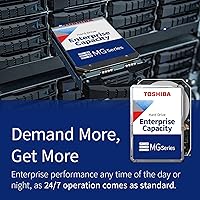
  • Operation Mode: This drive is rated for 24/7 continuous operation, making it appropriate for always-on server, surveillance, and NAS deployments.
  • Weight: The unit weighs approximately 1.76 pounds, which is slightly heavier than typical desktop HDDs and should be accounted for in high-density chassis builds.
  • Dimensions: Physical dimensions are approximately 4.0 x 5.8 x 1.0 inches (101.6 x 147.0 x 26.1 mm), consistent with standard 3.5-inch drive bay sizing.
  • Security Options: The MG06 platform supports optional Self-Encrypting Drive (SED) and Sanitize Instant Erase (SIE) configurations for data security compliance requirements.
  • Block Size: The drive offers flexibility in logical block size configuration, supporting both 512-byte emulation and 4Kn native sector formats depending on system requirements.
  • Series: This drive belongs to Toshiba's MG Series, a lineup specifically engineered for enterprise data center, server, and high-availability NAS applications.
  • Availability: The drive was first made available in June 2018 and remains an active, non-discontinued product in Toshiba's enterprise storage portfolio.
  • Color/Finish: The drive ships in a silver metallic finish typical of enterprise-class 3.5-inch mechanical hard drives.
  • Platform Support: The drive is compatible with PC-based server platforms running common operating systems including Windows Server, Linux distributions, and FreeBSD-based NAS software.

Related Reviews
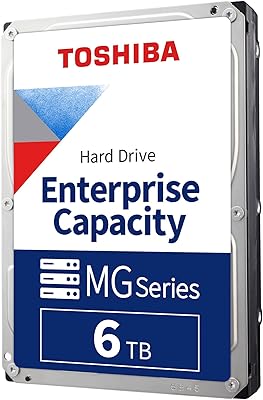
Toshiba MG06ACA600E 6TB Enterprise Internal Hard Drive
76%
91%
Reliability & Longevity
83%
Sustained Performance
88%
Vibration Resistance
86%
Data Protection
78%
Value for Money
More
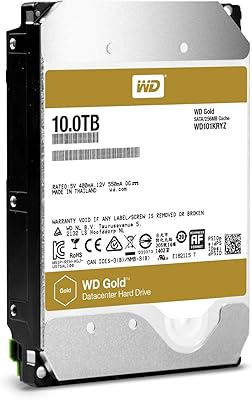
WD Gold 10TB Enterprise Hard Drive
75%
74%
Long-term Reliability
81%
Sustained Performance
54%
Value for Money
86%
RAID Array Suitability
61%
Warranty & Support
More
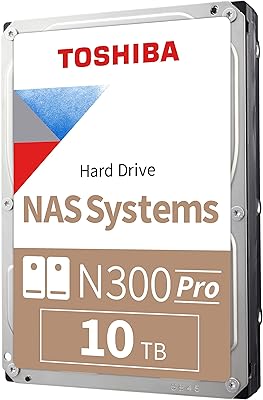
Toshiba N300 PRO 10TB Internal Hard Drive
87%
92%
Reliability for 24/7 NAS Use
89%
Performance in RAID Setups
91%
Workload Capacity (300 TB/year)
85%
Data Transfer Speed
88%
Vibration Control with RV Sensors
More
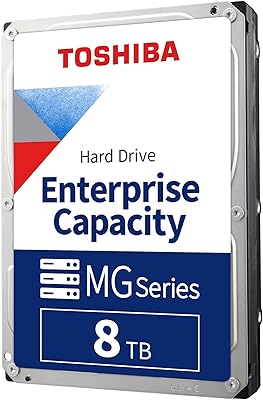
Toshiba MG06ACA800E 8TB Enterprise Internal Hard Drive
82%
88%
Long-Term Reliability
91%
Vibration Management
93%
Workload Endurance
86%
Data Protection Features
84%
Thermal Performance
More
Toshiba X300 10TB Performance & Gaming Internal Hard Drive
86%
88%
Performance
95%
Storage Capacity
87%
Reliability & Durability
91%
Ease of Installation
89%
Speed (7200 RPM)
More
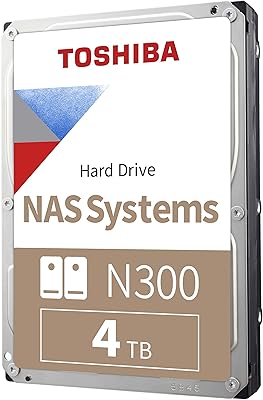
Toshiba MG09 18TB Hard Drive
87%
98%
Storage Capacity
92%
Reliability & Durability
89%
Power Efficiency
87%
Transfer Speed
91%
Noise Levels
More
Toshiba N300 16TB NAS Hard Drive
80%
83%
Reliability & Longevity
91%
NAS Compatibility
78%
Read/Write Performance
82%
Noise & Vibration
81%
Thermal Management
More
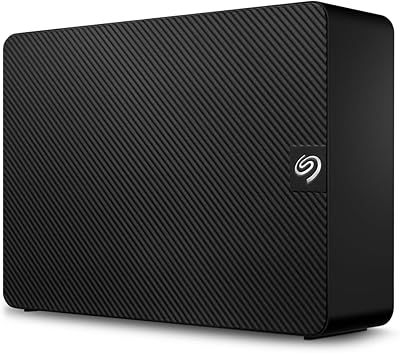
Toshiba N300 4TB NAS Internal Hard Drive
79%
83%
Reliability & Longevity
91%
RAID Compatibility
88%
NAS Compatibility
79%
Sequential Performance
71%
Noise & Vibration
More
Toshiba DT01ABA100V 1TB Surveillance Internal Hard Drive
77%
91%
DVR Compatibility
83%
24/7 Endurance
62%
Recording Capacity
88%
Noise & Vibration
74%
Value for Money
More
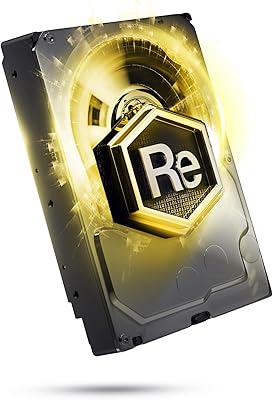
Seagate Expansion 10TB External Hard Drive
82%
95%
Capacity & Storage
90%
Transfer Speed
92%
Ease of Setup
85%
Build Quality
78%
Reliability
More

FAQ

In most cases, yes. The MG Series 10TB drive is broadly compatible with Synology and QNAP enclosures, and many users run it in exactly those setups without issues. That said, it is always worth checking your specific NAS model's compatibility list before purchasing, since some enclosures have firmware requirements or DSM/QTS settings that affect how enterprise drives are recognized.

It is noticeably louder, and that is one of the most consistent pieces of feedback from buyers who install it in home or office environments. The combination of 7200 RPM spin speed and the vibration characteristics of a high-endurance drive means you will hear it working, especially during sustained read/write activity. If you are building a server in a closet or dedicated rack room, it is a non-issue. In a quiet home office, it is worth factoring in.

Absolutely, and this is actually one of its strongest use cases. The unrecoverable read error rate of 1 per 10¹⁵ bits is a key spec here — lower URE rates significantly reduce the chance of a read error occurring during a RAID rebuild, which can otherwise cause an array to fail at the worst possible moment. If you are building a large RAID array, this kind of error rate spec matters more than most people realize.

It means Toshiba has designed and tested this drive to handle up to 550TB of total data written per year without exceeding its intended wear limits or voiding the warranty. To put that in perspective, a typical desktop drive might be rated for 55 to 180TB/year. If you are running continuous backups, video surveillance recording, or a busy file server, this headroom gives you real confidence that the drive is not being pushed beyond its design envelope.

Heat management is something to plan for. Several users report that this drive runs warmer than desktop alternatives under sustained load, particularly in enclosures with limited airflow between drive bays. If you are filling a NAS with multiple units, make sure your enclosure has adequate fan coverage and that bays are not completely sealed. Active cooling makes a meaningful difference in long-term drive health at these workload levels.

Yes, it works across both platforms without any special configuration needed for basic operation. It is recognized as a standard SATA block device on Windows Server, desktop Windows, and common Linux distributions including Ubuntu, Debian, and CentOS. FreeBSD-based systems like TrueNAS also handle it cleanly, which makes it popular in home lab environments.

Toshiba typically covers MG Series drives with a five-year limited warranty, which reflects the enterprise positioning of the product. User experiences with the RMA process are mixed — most describe it as functional but not fast, with turnaround times that can stretch longer than competing brands. If minimizing downtime during a warranty claim is critical for your operation, having a spare drive on hand is a practical precaution regardless of brand.

It is actually one of the better choices for that application. Continuous multi-stream write workloads are exactly the scenario the 550TB/year rating and 24/7 operation spec are designed to support. Desktop drives used in surveillance NVR systems often degrade faster because they were not built for that kind of sustained, repetitive write pattern. This drive handles it without stress.

The key differences come down to workload rating and error rates. This MG Series drive is rated for heavier annual workloads and offers a lower URE rate than most NAS-optimized consumer drives, which matters if you are running busy servers or large RAID arrays. For a light home NAS with a few users, a consumer NAS drive will likely serve you just as well at a lower price. The enterprise drive earns its premium when the workload actually demands it.

Technically yes, if you place it in a compatible 3.5-inch USB enclosure, it will function as an external drive. However, it is genuinely overkill for that use case — the enterprise endurance specs and price premium add nothing when the drive is used intermittently for external storage. You would be better served by a consumer desktop drive in that scenario and saving the enterprise hardware for the server or NAS role it was designed for.

Where to Buy