Overview

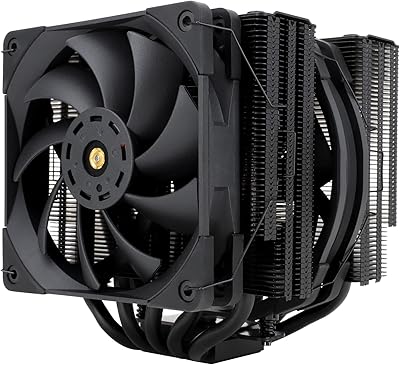
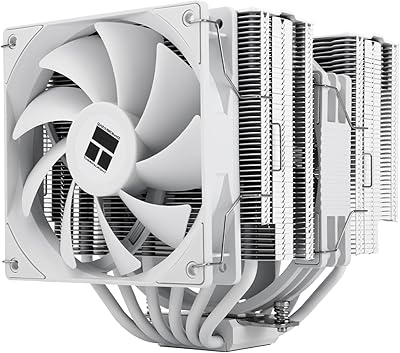
The Thermalright Phantom Spirit 120 EVO CPU Cooler comes from a Taiwanese company that has spent over twenty years building cooling solutions — long enough to know what builders actually need. In a crowded mid-range segment where budget and premium air coolers constantly compete, this dual-tower holds its own without overreaching. The all-black anodized finish is not just cosmetic; it reflects a deliberate commitment to a clean, uniform aesthetic that fits dark-themed builds without demanding RGB. It supports both current AMD and Intel sockets, including AM5 and LGA1700. That said, set realistic expectations — this air cooler is built for mainstream CPUs, not for pushing flagship processors well past their thermal limits.
Features & Benefits

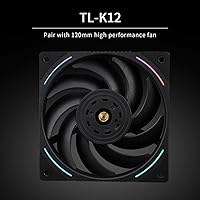
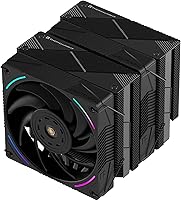
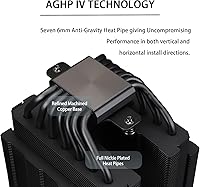
Seven blackened copper heat pipes run from a micro-engraved copper base through a dense stack of anodized aluminum fins, pulling heat away efficiently under sustained loads like long gaming sessions or video rendering. The two included TL-K12 fans push generous airflow while staying impressively quiet at moderate speeds — think light content work or casual browsing where you barely know the cooler is running. Cranked to full speed during heavier tasks, noise stays within a tolerable range. The memory-clearance design is a practical win, avoiding the RAM slot interference that plagues some larger coolers. Four-pin PWM connectivity means your motherboard fan control handles the balancing act automatically.

Best For

This dual-tower cooler makes the most sense paired with a mid-range Ryzen 5 or Core i5 processor in a standard ATX or mATX gaming rig or workstation. If you want quiet daily performance without fussing over AIO maintenance, leak risk, or pump lifespan, this air cooler is a straightforward solution. The blacked-out look suits builders chasing a stealth aesthetic without spending extra on RGB hardware. It also fits AM5 platform adopters who want reliability without liquid cooling complexity. One honest caveat: skip this for extremely power-hungry flagship chips or compact ITX cases where clearance is tight — it is sized for full-featured mid-tower environments.

User Feedback

Buyers consistently highlight how straightforward the installation is, noting that the included hardware and instructions make it approachable even for first-time builders. Acoustic performance also earns frequent praise — many report the cooler running near-silent during browsing or light gaming, which tracks with the rated noise spec under real conditions. Thermal results under sustained CPU load come in strong for mainstream chips, though a handful of users running hotter processors found the headroom thinner than expected. The blackout finish gets its own compliments, with owners reporting no fading or flaking after extended use. The main critique worth noting is physical bulk — in smaller cases, the height and weight can create fitment challenges worth checking before ordering.

Pros

  • Keeps mid-range CPUs running cool and stable during extended gaming or everyday productivity workloads.
  • Dual PWM fans stay nearly inaudible at moderate speeds, making it ideal for quiet work environments.
  • Broad socket support covers AM4, AM5, LGA1700, and several legacy Intel platforms out of the box.
  • The memory-clearance design accommodates tall RAM kits on most standard ATX and mATX motherboards.
  • All-black anodized finish looks sharp and holds up well without fading, chipping, or discoloring over time.
  • Installation is well-organized with clearly labeled hardware bags and instructions that work for first-time builders.
  • Four-pin PWM connectivity lets motherboard fan controls handle speed adjustments automatically.
  • Offers genuinely competitive thermal and acoustic performance relative to its price point in the mid-range segment.
  • The copper base and heat pipe layout pull heat away quickly enough to prevent throttling under normal use conditions.

Cons

  • Struggles to keep up with sustained all-core loads on high-TDP flagship processors.
  • The height makes it incompatible with most ITX cases and tight slim mid-towers without careful clearance checks.
  • Weighing over four pounds fully assembled, long-term PCB stress is a real concern for users who move their PC often.
  • Fans emit a slightly higher-pitched tone at full speed that some acoustically sensitive users find mildly irritating.
  • No RGB lighting means the cooler blends into the background rather than standing out behind a glass panel.
  • Plastic fan clips feel noticeably cheaper than the metal components they connect to, undercutting the overall finish.
  • The instruction booklet uses small print and lacks color-coded diagrams, which can slow down first-time builders.
  • Long-term reliability data is still limited compared to competing models that have been on the market longer.
  • Buyers with unusually tall RAM modules on tight socket layouts should verify compatibility before purchasing.

Ratings

The scores below reflect an AI-driven analysis of verified global user reviews for the Thermalright Phantom Spirit 120 EVO CPU Cooler, with spam, bot activity, and incentivized feedback actively filtered out to ensure the results are trustworthy. Aggregating feedback from builders across a wide range of system configurations and use cases, from daily workstation users to weekend gaming rigs, produced a nuanced picture of where this dual-tower cooler genuinely impresses and where it falls short. Both consistent strengths and recurring pain points are reflected transparently in every category.

Thermal Performance
86%
Users running mid-range Ryzen 5 and Core i5 processors report confidently stable temperatures during extended gaming sessions and light video rendering workloads. The copper base and seven heat pipe layout draws heat away quickly enough that thermal throttling is rarely a concern under normal use conditions.
Builders who pushed higher-TDP chips like a Ryzen 9 or Core i9 found the cooler working noticeably harder to maintain safe temperatures under prolonged all-core loads. It handles mainstream CPUs well but lacks the headroom that flagship processors demand during sustained stress.
Noise Level
89%
At moderate fan speeds during everyday tasks like browsing, light gaming, or office work, a large number of reviewers described the cooler as nearly inaudible. The PWM fan curve integration lets the motherboard keep things whisper-quiet until the CPU actually needs extra airflow.
When workloads spike and the fans ramp to higher RPMs, some users noticed a modest but perceptible increase in audible noise. It is not distracting, but those sensitive to fan noise in quiet rooms may want to manually cap the fan curve through BIOS settings.
Build Quality
83%
The anodized black frosted finish earns consistent compliments for its premium look and durability — owners report no chipping, peeling, or discoloration even after many months of use. The fin stack feels solid and the copper base arrives with a cleanly machined surface that seats flush against most IHS designs.
A small number of buyers noted minor inconsistencies in the finish uniformity near fan mounting points, and the plastic fan clips feel less refined than the metal components they attach to. Nothing structurally concerning, but it does slightly undercut the otherwise solid premium impression.
Installation Experience
91%
First-time builders repeatedly called out the mounting process as one of the more straightforward experiences they had with a dual-tower cooler. The included hardware covers both AMD and Intel platforms with clearly labeled bags, and the step-by-step instructions hold up well even without video tutorials.
Users with larger hands found maneuvering the backplate screws in tighter cases a bit awkward, particularly on AM5 boards with dense VRM heatsink coverage. The process is manageable but benefits from a long screwdriver and patience if working inside a mid-tower with limited clearance.
Value for Money
88%
Across the mid-range air cooler segment, reviewers consistently felt the performance and build quality delivered punched above what the price tag would suggest. For builders upgrading from a stock cooler on a tight budget, the Phantom Spirit 120 EVO offers a meaningful thermal and acoustic improvement without financial strain.
A handful of enthusiasts argued that for a modest additional outlay, competing dual-tower options close the performance gap enough to warrant consideration. The value proposition is strong, but it is not so dominant that alternatives can be dismissed without comparison shopping.
Compatibility & Socket Support
87%
Support for both AM5 and LGA1700 alongside a range of older Intel sockets means buyers are not locked out of future platform upgrades for at least one generation. The included mounting kit is comprehensive and does not require hunting for separate brackets as an afterthought.
A few users on niche or older motherboard layouts reported that the standard backplate positioning sat slightly awkward near specific board features. Additionally, compatibility with some ITX boards requires extra verification, as the cooler's footprint can crowd connectors near the socket area.
Memory Clearance
84%
The deliberate clearance design around the DIMM slots solves a frustration common with larger air coolers, and most ATX and mATX users reported zero issues seating tall RGB or high-performance RAM kits. This was a welcome surprise for builders who had previously dealt with interference on competing models.
On boards where the first DIMM slot sits unusually close to the socket, a very small number of users with exceptionally tall RAM modules still experienced light contact. It is an edge case rather than a widespread issue, but worth confirming against your specific board and RAM combo before ordering.
Aesthetics & Design
82%
18%
The all-black anodized treatment gives the cooler a clean, intentional look that fits dark or stealth-themed builds without requiring any RGB investment. Builders who have gone out of their way to match black component finishes across a whole system found it a strong visual fit.
Those expecting a showpiece cooler may find the matte frosted finish a bit understated compared to the illuminated alternatives from competing brands. Without RGB, visibility through a tempered glass panel is subtle, which is a feature for minimalist builders but a drawback for those wanting visual impact.
Fan Performance
81%
19%
The dual TL-K12 fans deliver a healthy airflow ceiling that translates well into real cooling headroom during demanding tasks. PWM response feels accurate and the fans ramp smoothly rather than jumping abruptly between speed thresholds, which helps maintain consistent acoustic comfort.
At full speed, the fans produce a slightly higher-pitched tone than some competing 120mm options, which a minority of acoustically sensitive users flagged as mildly irritating during extended sessions. Running them at 80 to 90 percent via a custom curve largely eliminates the issue with minimal thermal cost.
Case Compatibility & Clearance
68%
32%
In standard mid-tower cases with 160mm or more of CPU cooler clearance, the Phantom Spirit 120 EVO fits without issue and even leaves a small margin for side panel airflow. Most modern mid-towers advertised as cooler-friendly accommodate it without modification.
The height and overall bulk become a real problem in compact or slim mid-tower cases, and it is essentially incompatible with ITX form factors. Several users reported having to double-check clearance specs after purchase, suggesting the dimensions deserve more attention during the buying process.
Weight & Structural Stability
72%
28%
For most standard ATX and mATX builds mounted in an upright tower orientation, the cooler sits firmly with no wobble or flexing under normal transport or vibration conditions. The mounting system distributes load reasonably well across the socket area.
At just over four pounds fully assembled, the top-heavy nature of the dual-tower design raised concern among a visible segment of reviewers, particularly those who transport their PCs frequently. Long-term motherboard PCB stress from that sustained mass is a legitimate consideration worth keeping in mind.
Packaging & Unboxing
78%
22%
The cooler arrives well-protected with foam-lined packaging that kept components intact across multiple reported long-distance shipments. Hardware bags are individually labeled in a way that helps first-time builders stay organized from the start.
The instruction booklet, while functional, uses small print and lacks color-coded diagrams that would make the process faster for newcomers. Several buyers mentioned referencing third-party video guides alongside the included sheet to feel fully confident during installation.
Long-Term Reliability
79%
21%
Users who have run the Phantom Spirit 120 EVO for a year or more generally report no degradation in thermal performance or noticeable increase in fan noise over time. The finish holds up and the bearing quality in the fans appears suited to sustained continuous operation.
The long-term sample size in user reviews is still relatively limited given the product's release date, so multi-year reliability data remains thinner than older competing models with longer track records. Buyers prioritizing long-term proven durability may want to weigh this against more established alternatives.

Suitable for:

The Thermalright Phantom Spirit 120 EVO CPU Cooler is a strong fit for builders assembling mainstream gaming or workstation PCs around mid-range processors like a Ryzen 5, Ryzen 7, Core i5, or Core i7, where keeping temperatures stable during long gaming sessions or light creative work matters more than chasing extreme overclocking headroom. If you are moving off a stock cooler for the first time, the clear installation instructions and well-organized mounting hardware make the upgrade approachable without needing prior experience or extra tools. It also suits anyone building on the AM5 or LGA1700 platform who wants reliable air cooling without committing to the upkeep, leak risk, or added cost of a liquid AIO. The all-black anodized finish makes it a natural choice for builders putting together a stealth or dark-themed system, especially where visual cohesion matters but paying extra for RGB hardware does not make sense. Productivity-focused users who sit near their PC all day will appreciate how quietly this dual-tower cooler operates at moderate loads, rarely calling attention to itself during typical workloads.
Not suitable for:

The Thermalright Phantom Spirit 120 EVO CPU Cooler is not the right tool for builders pushing high-TDP flagship processors, such as a Ryzen 9 or Core i9, through sustained all-core workloads like long 3D rendering jobs or heavy simulation tasks, where the thermal headroom simply runs thin. Anyone building inside a compact ITX case or a slim mini-tower should measure their CPU cooler clearance carefully before ordering, as the height of this dual-tower design pushes the limits of what tighter enclosures can accommodate. Users who transport their PC regularly, whether to LAN parties or between locations, may find the weight of the fully assembled cooler a concern over time, particularly with respect to long-term stress on the motherboard PCB around the socket area. If visual impact behind a tempered glass panel is a priority, the matte frosted finish is intentionally understated, and buyers expecting a bold aesthetic centerpiece will likely be underwhelmed without RGB accents in the mix. Finally, those chasing top-tier silence above all else may want to explore premium quiet-oriented coolers with lower maximum fan speeds, since the TL-K12 fans do produce a slightly higher-pitched tone at full throttle.
Specifications

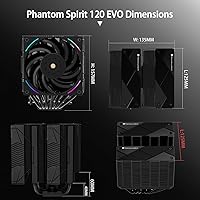
  • Cooler Dimensions: The cooler body measures 125mm long by 135mm wide by 157mm tall, making it a full-sized dual-tower unit that requires a mid-tower case with adequate CPU cooler clearance.
  • Heat Pipes: Seven 6mm copper heat pipes run fully blackened through the fin stack and connect to the base using a reflow soldering process for consistent thermal contact.
  • Base Material: The contact base is machined from pure copper with a micro-engraved surface treatment designed to improve heat transfer to the CPU integrated heat spreader.
  • Fin Material: The fin array is constructed from anodized aluminum with a black frosted surface finish that resists fading and provides a uniform matte appearance.
  • Included Fans: Two TL-K12 120mm PWM fans are included in the box, pre-configured for a push-pull airflow arrangement through the fin stack.
  • Fan Dimensions: Each fan measures 120mm by 120mm by 25mm, which is the standard size compatible with most fan mounting positions and aftermarket fan brackets.
  • Fan Speed: The TL-K12 fans spin at up to 2150 RPM with a tolerance of plus or minus 10 percent, regulated automatically through the PWM signal from the motherboard.
  • Airflow: At maximum speed, each fan moves up to 69 CFM of air through the fin stack, providing substantial cooling capacity for mainstream CPU workloads.
  • Noise Level: Noise output is rated at no more than 27 dB(A), a level most users describe as quiet during typical productivity and gaming use at moderate fan speeds.
  • Power Connector: Both fans use 4-pin PWM connectors, allowing the motherboard to precisely regulate fan speed through standard fan curve controls in BIOS or software.
  • Voltage: The fans operate at 12V DC, which is the standard voltage supplied by standard motherboard fan headers.
  • Cooling Method: This cooler uses air cooling exclusively, with no liquid, pump, or reservoir components involved in the thermal dissipation process.
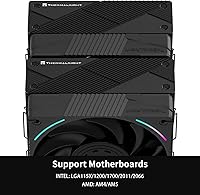
  • AMD Support: Compatible AMD sockets include AM4 and AM5, covering Ryzen processors from the 3000 series through the current Ryzen 7000 and 9000 generation.
  • Intel Support: Supported Intel sockets include LGA1700, 1200, 1151, 1150, 1155, 1156, 2011, and 2066, covering a broad range of generations from Sandy Bridge through Alder Lake and Raptor Lake.
  • Weight: The fully assembled unit including both fans weighs approximately 4.08 lbs, which is on the heavier end for air coolers and worth factoring in for transport-heavy use cases.
  • Mounting Hardware: The package includes platform-specific backplates, standoffs, and fasteners for all supported AMD and Intel sockets, eliminating the need to source separate mounting kits.
  • Thermal Paste: Thermalright includes a small quantity of thermal paste in the box, sufficient for a single application during initial installation.
  • Product Model: The official model designation is PS120 EVO, which identifies this specific configuration within Thermalright's Phantom Spirit cooling lineup.

Related Reviews
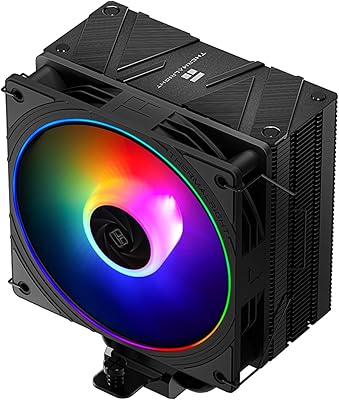
Thermalright Assassin Spirit 120 EVO Black CPU Cooler
87%
91%
Cooling Performance
88%
Noise Level
89%
Build Quality
92%
Compatibility with Intel & AMD
85%
Installation Ease
More
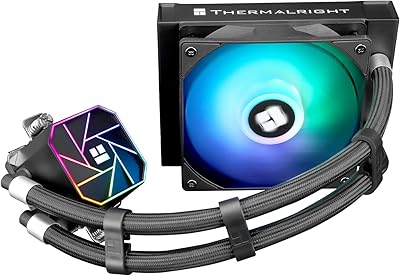
Thermalright Aqua Elite 120 V3
78%
74%
Thermal Performance
83%
Noise Level
91%
Installation Experience
78%
ARGB Lighting Quality
69%
Build Quality & Materials
More
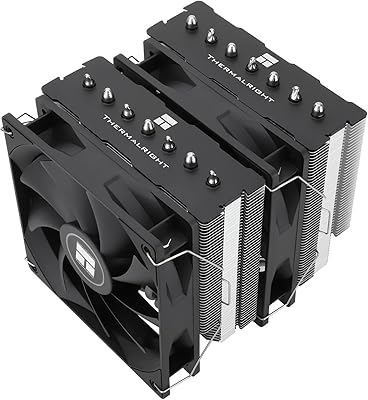
Thermalright Peerless Assassin 120 SE ARGB White CPU Air Cooler
87%
92%
Cooling Performance
88%
ARGB Lighting Customization
85%
Noise Levels
90%
Installation Ease
87%
Build Quality
More
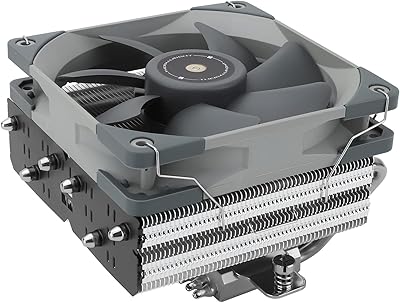
Thermalright PS120SE CPU Air Cooler
80%
89%
Thermal Performance
86%
Noise Level
93%
Value for Money
74%
Build Quality
81%
Ease of Installation
More
Thermalright FC140 Black CPU Air Cooler
86%
94%
Cooling Performance
85%
Noise Level
92%
Build Quality
75%
Ease of Installation
90%
Compatibility
More
Thermalright BA120 ARGB CPU Air Cooler
86%
88%
Cooling Performance
91%
Noise Level
85%
Build Quality
87%
ARGB Lighting Effect
90%
Compatibility with CPUs
More
Thermalright SI-100 CPU Air Cooler
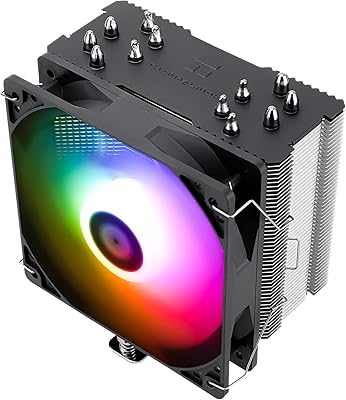
75%
74%
Thermal Performance
83%
Noise Level
81%
Build Quality
89%
Value for Money
67%
Installation Ease
More
Thermalright Peerless Assassin 140 White CPU Cooler
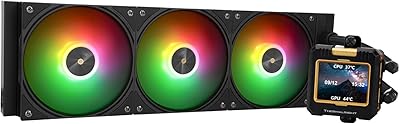
84%
92%
Cooling Performance
85%
Noise Level
60%
Ease of Installation
90%
Build Quality
88%
Aesthetic Appeal
More
Thermalright FW240 Black ARGB CPU AIO Cooler
86%
92%
Cooling Performance
89%
Ease of Installation
86%
Noise Level
91%
Visual Appeal (RGB Lighting)
87%
Compatibility with CPUs
More
Thermalright FW360 360mm AIO Liquid CPU Cooler
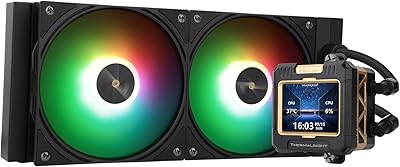
81%
88%
Thermal Performance
91%
LCD Display Quality
86%
Noise Level
58%
Software & LCD Setup
83%
Installation & Mounting
More

FAQ

You need at least 160mm of CPU cooler clearance inside your case to be safe, as this dual-tower cooler stands 157mm tall. Most standard mid-tower cases list their cooler height limit in the specifications, so checking that number before ordering takes about 30 seconds and saves a lot of hassle. Slim or compact cases are a different story — those often cap out around 150mm or less, which makes this a no-go.

Yes, AM5 support is built in and the necessary mounting hardware ships in the box. You do not need to buy a separate bracket or adapter. Just follow the AM5 installation steps in the included guide and it seats cleanly on current Ryzen 7000 and 9000 platform boards.

Most first-time builders find it manageable. The hardware bags are labeled by platform, the instruction sheet walks you through each step, and the backplate design is fairly forgiving. That said, if your case has limited space around the socket area, having a long-handled screwdriver on hand makes the process much less frustrating. A number of buyers also recommend watching a quick installation video alongside the printed instructions just to visualize the steps before diving in.

At moderate speeds during gaming or everyday work, most users describe it as near-silent. When the fans ramp up under heavier CPU loads, there is an audible increase, but it stays within a range most people would call acceptable rather than distracting. If you are particularly sensitive to fan noise, dialing back the maximum fan speed to around 80 percent in your BIOS fan curve delivers a noticeable acoustic improvement with only a modest thermal trade-off.

For the vast majority of standard ATX and mATX builds, yes — the memory-clearance design keeps the fin tower from sitting directly over the DIMM slots. Where things get tricky is if your motherboard places the first slot unusually close to the CPU socket and your RAM modules are exceptionally tall. It is worth a quick measurement if you are running extreme-height heatspreaders, but most popular high-performance kits clear without issue.

Technically yes, you can run the cooler with a single fan. Performance will drop compared to the full push-pull configuration, but for lower-TDP processors running light workloads it can work fine. If noise is the concern, a better approach is to keep both fans and use a custom fan curve to cap the speed rather than removing one entirely.

A small tube of thermal paste is included in the box, enough for a standard single installation. The included paste performs adequately for most users, though enthusiasts who prefer a specific compound like Thermalright TF-7 can substitute it during install. Just make sure you clean the CPU IHS and base plate properly before applying any paste if you are replacing an existing cooler.

Yes, this is actually one of the sweet spots for this dual-tower cooler. Mid-to-high mainstream processors like a Core i7-14700 or Ryzen 7 7700X run comfortably under gaming and productivity workloads with good temperature margins to spare. Where it starts to strain is when you push a high-TDP flagship chip through prolonged all-core rendering or extreme overclocking — for that, you would want something with more thermal headroom or an AIO.

Based on consistent owner reports, the anodized black frosted finish holds up well over extended use. People who have run it for a year or more tend to mention no visible chipping, fading, or discoloration. Dust accumulation on the fins is the main cosmetic concern over time, but that is true of any air cooler and easy to address with a can of compressed air.

For most mainstream builds, the air cooler argument is actually quite strong at this price point. AIOs in the same budget tier often use lower-quality pumps and thinner radiators that deliver less real-world thermal performance than people expect, and they introduce pump noise, potential leak risk, and a finite pump lifespan. This dual-tower cooler requires zero maintenance, has no moving parts to fail beyond the fans, and performs reliably for years. Unless your case has extremely limited airflow and benefits specifically from routing heat directly to a rear or top radiator, air cooling at this level is a sensible, low-risk choice.

Where to Buy