Overview

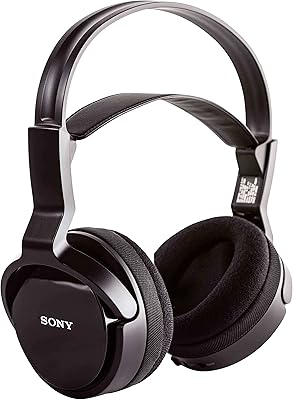
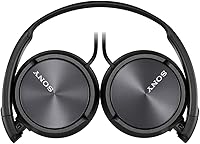
The Sony MDR-ZX310 has been around since 2014, and the fact that it's still being sold says something about its staying power in the budget headphone market. This on-ear headphone sits firmly in Sony's entry-level ZX lineup — a no-frills option built for everyday listening rather than audiophile-grade performance. At roughly 4.4 ounces, it's genuinely light, and the foldable plastic frame makes it easy to toss in a bag without much thought. The retractable 1.2-meter cable is a practical touch that keeps things tidy on a commute or at a desk. Don't expect premium materials or cutting-edge design — this headphone was built to be practical and affordable, not flashy.

Features & Benefits

The MDR-ZX310 uses 30mm dynamic drivers that cover a frequency range up to 24,000 Hz — plenty wide for casual listening across music, podcasts, and video. One thing worth flagging for anyone planning to use these with a smartphone: the 65-ohm impedance is on the higher side for a budget pair. You may find you need to push the volume closer to maximum on a phone, which isn't ideal. The passive cushioning does a reasonable job of blocking out mild background noise, though calling it noise cancellation would be a stretch. The foldable hinges and lightweight build make daily portability genuinely convenient rather than just a marketing claim.

Best For

These Sony headphones are a natural fit for students, commuters, and anyone who just wants something reliable to plug in and use without overthinking it. If Bluetooth pairing, dead batteries, and codec compatibility frustrate you, wired headphones still have a real place in everyday life — and this on-ear headphone fills that role cheaply and competently. It also works well as a backup or secondary pair at a desk, gym, or travel bag. Casual podcast listeners and music fans who aren't chasing high-fidelity audio will find it more than adequate. For serious listening sessions or high-impedance source matching, though, look elsewhere.

User Feedback

With a 4.1 out of 5 rating across 352 reviews, buyer sentiment leans positive without being overwhelming. Comfort and lightweight feel come up frequently as genuine strengths — people appreciate that these Sony headphones don't press too hard or feel heavy during a long commute. On the other side, some buyers note that the plastic construction feels less durable than expected, and a handful mention that bass response is thinner than they'd like at this price. A few users with phones have also reported volume issues, likely tied to the higher impedance. Cable longevity is another area that occasionally draws complaints, worth keeping in mind for long-term use.

Pros

  • Genuinely lightweight at 4.4 oz, making it comfortable to wear for long stretches without fatigue.
  • The retractable cable is a practical feature that reduces tangling during daily commutes and desk use.
  • Foldable design makes these Sony headphones easy to store flat in a bag or backpack pocket.
  • Wired connectivity means zero battery management and no Bluetooth pairing headaches.
  • Broad frequency response handles vocals, podcasts, and acoustic content clearly for casual listening.
  • Sony brand reliability gives budget-conscious buyers confidence that basic quality standards are met.
  • Foldable hinges and compact form factor make it a convenient backup or travel headphone.
  • Works with any device that has a standard 3.5mm audio jack — no adapters needed for most setups.
  • At its price point, the overall feature set — retractable cable, foldable build, brand name — is competitive.

Cons

  • The 65-ohm impedance can cause noticeably low volume output when used directly with a smartphone.
  • Bass response is thin and underwhelming, especially for genres like hip-hop, EDM, or modern pop.
  • All-plastic construction feels budget-grade and raises real concerns about hinge durability over time.
  • No carrying case or pouch is included, leaving the headphone unprotected inside a bag.
  • Ear cushion padding is thin and can feel firm during extended sessions, reducing long-term comfort.
  • The MDR-ZX310 design dates back to 2014 and looks noticeably dated next to current competitors.
  • Passive isolation is limited — loud environments like busy trains or open offices bleed through easily.
  • Cable durability at the junction points is a recurring concern among longer-term users.

Ratings

The Sony MDR-ZX310 has been evaluated by our AI system after analyzing verified buyer reviews from multiple global markets, with spam, incentivized, and bot-generated feedback actively filtered out. The scores below reflect a balanced picture of where these Sony headphones genuinely deliver and where real-world users have run into frustrations. Both strengths and recurring pain points are represented transparently — nothing has been glossed over.

Sound Quality
67%
33%
For casual listening — commutes, YouTube, podcasts — most buyers find the audio output perfectly acceptable. The 30mm dynamic drivers handle mids and highs decently, and for the price tier, many users report being pleasantly surprised by the overall clarity on vocals and acoustic tracks.
Bass response is the most common complaint. Users who enjoy bass-heavy genres frequently feel let down, and the sound signature can come across as flat or thin compared to similarly priced rivals. Expectations matter a lot here — treat this as a casual-use headphone, not a music-critical one.
Comfort & Fit
78%
22%
The lightweight frame — just 4.4 ounces — earns consistent praise from buyers who wear these for long stretches on trains or at a desk. Multiple reviewers specifically mention that the headphone doesn't create pressure points even after an hour or more of continuous use.
The ear cushions are on the thinner side, and some users with larger ears find the on-ear fit less comfortable over time. A few buyers noted that the cushioning compresses quickly and starts to feel firm after extended sessions, which can become distracting.
Build Quality
58%
42%
The plastic construction keeps weight down, which is genuinely useful for portability. Some buyers appreciate that the frame feels sturdy enough for daily tossing-in-a-bag use, and the foldable hinges have held up reasonably well for lighter users over several months.
This is the most polarizing aspect in user feedback. The all-plastic build feels noticeably budget-grade to many buyers, and hinge durability over the long term is a real concern — a handful of reviews mention cracking or loosening hinges after moderate use. It doesn't feel like it's built to last years.
Cable & Connectivity
72%
28%
The retractable 3.5mm cable is one of the more practical features here. Commuters especially appreciate being able to adjust the cable length to reduce slack and tangling inside a bag or jacket pocket — it's a small thing that makes daily use noticeably tidier.
Cable quality itself draws mixed feedback. Some users report fraying near the jack or at the retraction mechanism after several months of regular use. The wired-only format is also a limitation for anyone who primarily uses devices that have dropped the headphone jack.
Portability
83%
The foldable design genuinely earns its keep here. These Sony headphones fold flat and compact enough to slip into a side pocket of a backpack without taking up much room, which busy students and commuters mention as a real practical advantage over bulkier alternatives.
There's no included carrying case or pouch, which means the headphone is going into your bag unprotected. Given the plastic build concerns, this feels like a missed opportunity — a basic soft case would have meaningfully improved the portability story.
Noise Isolation
54%
46%
In quiet-to-moderate environments — a library, a calm office, or a quieter commute — the passive cushioning does a fair job of taking the edge off background noise. Users in these settings generally report being able to focus on audio without pushing volume too high.
This is not a noise-cancelling headphone in any meaningful sense, despite some listing ambiguity. In loud environments like busy trains or open offices, outside sound bleeds in noticeably. Buyers expecting active noise cancellation based on product descriptions have left disappointed reviews.
Source Compatibility
53%
47%
When paired with a laptop, desktop, or a dedicated audio source, these headphones perform reliably. The wired connection is stable and latency-free, which makes them a decent pick for desk use with a computer where output power isn't a concern.
The 65-ohm impedance is higher than most budget headphones and higher than what smartphones are optimized for. Several buyers report needing to push their phone volume to near-maximum just to reach a comfortable listening level, which is a real usability issue for on-the-go use.
Value for Money
74%
26%
At its price point, the Sony brand name and overall package — retractable cable, foldable design, lightweight build — offers a reasonable deal for casual buyers. For students or anyone needing a simple backup pair, the cost-to-functionality ratio is hard to argue with.
The competition in this price bracket has gotten more aggressive over the years. Some buyers feel that newer no-name or budget brands offer comparable or better sound and build for the same outlay, making the Sony name the primary differentiator rather than outright performance.
Ease of Use
88%
Plug in, adjust the headband, and you're done — there's nothing complicated about these headphones. The straightforward wired setup is genuinely appreciated by users who are tired of Bluetooth pairing issues, connection drops, or managing battery life on their audio gear.
The touch controls mentioned in the product listing are minimal and not always intuitive for first-time users. Some buyers have also noted that the headband adjustment can feel stiff initially, though it generally loosens up after a few days of regular use.
Design & Aesthetics
61%
39%
The minimalist, all-black design is inoffensive and understated — it won't draw attention on a commute, which some buyers actually prefer. The overall look is clean enough that it doesn't feel out of place in a workplace or classroom setting.
There's no getting around the fact that this design is dated. It launched in 2014 and looks it — the styling hasn't evolved, and next to modern competitors with more refined aesthetics, the MDR-ZX310 can feel a bit plain. It prioritizes function over form, full stop.
Headband Adjustability
71%
29%
The sliding headband mechanism covers a broad enough range to fit most adult head sizes, and the adjustment clicks into place without feeling overly loose. Most users find a comfortable setting fairly quickly and don't have to fiddle with it session to session.
The adjustment mechanism uses plastic notches rather than a smooth slider, which can feel slightly clunky compared to more refined headbands. A few users with smaller heads have noted that the lowest setting still feels marginally loose, affecting the passive seal.
Durability Over Time
55%
45%
For light daily use — daily commuting without rough handling — a number of buyers report that the headphones have held up for a year or more without major issues. If treated with reasonable care, the build does the job for casual users who aren't hard on their gear.
Long-term durability is a genuine weak point according to repeat buyers. The plastic hinges, ear cushion foam, and cable junction are the most cited failure points. Users who use headphones heavily or travel frequently tend to report issues within 12 to 18 months.
Audio Driver Performance
69%
31%
The 30mm dynamic drivers produce a reasonably balanced output for everyday content — speech clarity on podcasts and audiobooks is consistently rated well. Buyers using these for video calls or online lectures tend to be satisfied with how natural voices sound through them.
At 30mm, these drivers simply don't move enough air to produce satisfying low-end response. Music genres that rely on sub-bass or deep kicks — EDM, hip-hop, modern pop — tend to expose the limitations of the driver size, leaving some buyers feeling like something is missing.

Suitable for:

The Sony MDR-ZX310 is a smart pick for students, commuters, and everyday listeners who want a dependable wired headphone without spending much. If you primarily listen to podcasts, audiobooks, or casual music playlists and you don't need impressive bass or studio-grade clarity, these Sony headphones will comfortably cover your needs. The lightweight build and foldable design make them genuinely practical for people who are constantly on the move and want something that fits in a bag without fuss. They also work well as a secondary or backup pair — kept in a desk drawer, gym bag, or travel kit — for those moments when your main headphones are unavailable or charging. Anyone who is frustrated by Bluetooth pairing, dead battery warnings, or wireless dropout will appreciate the simplicity of a plug-in-and-play wired connection. Students on a tight budget who want a recognizable brand name with solid basic functionality will find this on-ear headphone a reasonable, low-risk choice.

Not suitable for:

The Sony MDR-ZX310 is not the right headphone for buyers who place serious importance on sound quality, long-term durability, or smartphone usability. The 65-ohm impedance is the biggest practical concern — if your primary source is a smartphone, you may find yourself maxing out the volume just to reach a comfortable listening level, which is a real day-to-day annoyance. Bass enthusiasts and fans of modern music genres that rely on deep low-end will almost certainly be disappointed; the 30mm drivers simply don't deliver that kind of response. Anyone who commutes through genuinely noisy environments and expects meaningful noise blocking should also look elsewhere — the passive cushioning takes the edge off mild background sound, but this is not a noise-cancelling headphone regardless of how it may be described in some listings. The all-plastic construction is a durability concern for buyers who are rough on their gear or expect a pair of headphones to last several years of heavy daily use. If design and aesthetics matter to you, keep in mind that this model launched in 2014 and its styling reflects that era — it has not been meaningfully updated since.

Specifications

  • Brand: Manufactured and sold by Sony, a globally recognized consumer electronics brand.
  • Model: The exact model designation is MDR-ZX310, part of Sony's entry-level ZX headphone series.
  • Driver Type: Uses dynamic audio drivers, which move a diaphragm to produce sound across the frequency range.
  • Driver Size: Each ear cup houses a 30mm dynamic driver for audio reproduction.
  • Frequency Response: Rated frequency response extends up to 24,000 Hz, covering the full audible spectrum and slightly beyond.
  • Impedance: Electrical impedance is rated at 65 ohms, which is higher than typical budget headphones and may require a more powerful source for optimal volume.
  • Connectivity: Wired only, connecting via a standard 3.5mm stereo audio jack compatible with most audio devices.
  • Cable Length: The retractable cable extends to 1.2 meters, providing enough reach for desktop and portable use without excess slack.
  • Cable Feature: The cable is retractable, allowing users to adjust the active length to reduce tangling during transport and daily use.
  • Ear Placement: Designed as an on-ear headphone, with cushioned ear cups that rest on the outer ear rather than enclosing it fully.
  • Weight: The headphone weighs approximately 4.4 oz (around 0.13 kg), placing it firmly in the lightweight category for on-ear designs.
  • Material: The frame and structural components are constructed from plastic, which contributes to the low overall weight.
  • Foldability: The ear cups fold flat via hinged mounts, allowing the headphone to be stored compactly in a bag or case.
  • Compatible Devices: Works with any device equipped with a 3.5mm analog audio output jack, including laptops, desktop PCs, tablets, and many older smartphones.
  • First Available: This model was first made available for purchase in January 2014 and remains in active production as of now.
  • User Rating: Holds an average rating of 4.1 out of 5 based on 352 verified Amazon ratings at the time of this review.
  • Package Contents: Ships in standard retail packaging containing one headphone unit; no carrying case or additional accessories are included.
  • Item Count: Sold as a single unit per package, with one headphone included per purchase.

Related Reviews
Sony MDR-CD900ST
Sony MDR-CD900ST
89%
96%
Sound Accuracy
91%
Comfort & Fit
94%
Build Quality
92%
Durability
95%
Frequency Response
More
Sony MDR-EX110AP
Sony MDR-EX110AP
71%
83%
Bass & Low-End Performance
74%
Overall Sound Quality
79%
Comfort & Fit
58%
Microphone Quality
71%
Call & Playback Controls
More
Sony MDR-RF811RK Wireless Headphones
83%
88%
Sound Quality
92%
Wireless Range
75%
Comfort
85%
Battery Life
82%
Build Quality
More
Sony MDR-ZX110-P Headphones
82%
92%
Value for Money
88%
Comfort for Extended Use
90%
Portability and Design
83%
Sound Quality
80%
Build Quality
More
Sony MDR-W08L In-The-Ear Headphones
80%
80%
Sound Quality
89%
Comfort for Long Listening
75%
Build Quality
78%
Fit and Ear Comfort
65%
Noise Isolation
More
Sony MDR-V55 Over-Ear Headphones
85%
87%
Comfort and Fit
84%
Noise Cancellation Effectiveness
80%
Sound Quality
90%
Portability and Storage
75%
Bass Performance
More
Sony MDR-AS800BT Bluetooth Sports Headset
84%
85%
Sound Quality
91%
Comfort & Fit
76%
Battery Life
68%
Durability
89%
Splash Resistance
More
Sony MDR-XB450AP Extra Bass Headset
83%
87%
Sound Quality
90%
Bass Performance
91%
Portability
68%
Comfort
72%
Durability
More
Sony MDR-XB800 Extra Bass Headphones
86%
91%
Bass Performance
88%
Comfort for Long Sessions
84%
Sound Isolation
90%
Build Quality & Durability
85%
Ease of Use (Setup/Storage)
More
Sony MDR-ZX770DC Bluetooth Noise Cancelling Headphones
82%
85%
Noise Cancellation
90%
Comfort & Ergonomics
80%
Battery Life
75%
Build Quality
65%
Bluetooth Range
More

FAQ

They will physically connect to any phone that still has a 3.5mm headphone jack. However, there is an important caveat: the 65-ohm impedance rating means you may need to push your phone volume quite high to reach a comfortable listening level. Most budget headphones are designed around lower impedance for better smartphone compatibility, so this is a real consideration if your phone is your primary listening device.

Not in any active sense. Despite some listing descriptions using the phrase active noise cancellation, these Sony headphones rely entirely on passive isolation — meaning the physical cushioning and ear cup design are the only things blocking outside sound. In a quiet office or on a calm bus ride, that is usually enough to take the edge off background noise. In loud environments like busy subway trains or open-plan offices, external sound will bleed through noticeably.

The cable has a built-in retraction mechanism that lets you pull it out to the length you need — up to 1.2 meters — and reel it back in when not in use. It is useful for reducing cable mess on a commute or at a desk. Some users do report that the retraction mechanism can feel a little stiff or wear down over time with heavy use, so it is worth handling it with care rather than yanking it aggressively.

It can work as a gym headphone for light exercise, but there are a few things to keep in mind. The on-ear fit means it can shift around during vigorous movement, and there is no sweat resistance rating on record for this model. For casual gym use — treadmill walking, cycling, or light training — it should be fine. For high-intensity workouts where you're moving a lot, a sport-specific headphone with a more secure fit would serve you better.

Yes, and this is actually one of the better use cases for this on-ear headphone. Laptops and desktop sound cards tend to provide more output power than smartphones, which helps compensate for the higher 65-ohm impedance. You should get a comfortable volume level without any issues, and the wired connection makes it straightforward for video calls, streaming, or general desk use.

The hinges allow each ear cup to rotate and fold flat, so the headphone takes up noticeably less space than a rigid design when packed away. It fits well in the side pocket of a backpack or the main compartment without the ear cups sticking out awkwardly. Worth noting though — there is no included case, so the headphone goes into your bag unprotected, which is something to be aware of given the all-plastic frame.

For podcasts, audiobooks, spoken-word content, and casual music listening, most buyers find the sound quality more than adequate. Vocals come through clearly and the overall balance is reasonable for everyday content. Where these headphones tend to fall short is bass-heavy music — the 30mm drivers produce a relatively thin low-end response, which becomes noticeable with genres like hip-hop, EDM, or bass-forward pop. Manage expectations accordingly and you are unlikely to be disappointed.

Durability is a mixed story based on real buyer feedback. With careful, light daily use, many owners report that the headphones hold up fine for a year or more. The areas most likely to show wear are the plastic hinges, the ear cushion foam, and the cable near the jack. Users who are rougher with their gear or who commute intensively tend to report issues earlier. If longevity is a top priority, treating them with care — and not relying on them as your only pair — is the sensible approach.

On-ear headphones in general can be a little less comfortable for glasses wearers because the ear cups press against the arms of the frame. These Sony headphones are lightweight enough that the pressure is not extreme, but over longer sessions — an hour or more — some users who wear glasses do report increased discomfort at the contact points. It varies quite a bit depending on the frame thickness and personal sensitivity, so it is hard to give a definitive answer without trying them.

Honestly, yes — this is probably the scenario where this on-ear headphone makes the most sense as a purchase. At its price point, having a wired backup at a home or office desk is practical and low-risk. You plug it in, it works immediately with no setup, and the retractable cable keeps things tidy. The sound quality and build limitations matter less in that context than they would for a primary pair used daily on a commute.