Sony ECM77B Lavalier Condenser Microphone
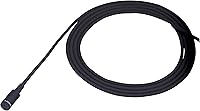
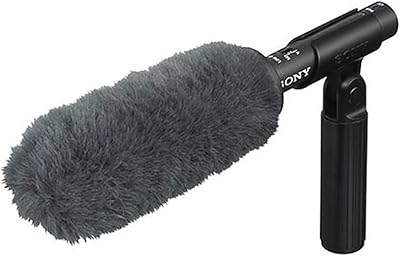
Sony ECM77B Lavalier Condenser Microphone — image 1
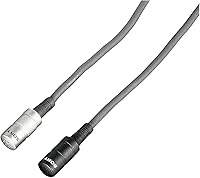
Sony ECM77B Lavalier Condenser Microphone — image 2
78%
22%

Overview

The Sony ECM77B Lavalier Condenser Microphone has been a fixture in professional broadcast audio for decades, and that staying power isn't accidental. This lavalier mic uses an omnidirectional polar pattern, meaning it picks up sound from all directions rather than locking onto a precise axis — useful when talent moves their head or shifts position mid-interview. It runs on either phantom power or a single AA battery, which gives field crews real flexibility when phantom power isn't available. Built around an XLR connector, this broadcast lav sits firmly in the wired professional ecosystem alongside mixers, field recorders, and broadcast cameras, making it a natural fit for TV crews and ENG videographers.

Features & Benefits

Size is the first thing you notice about this lavalier mic — it's genuinely small, small enough to hide under a shirt collar or clip discreetly to a lapel without creating a visual distraction on camera. The omnidirectional pickup means you don't need to obsess over exact mic placement the way you would with a directional capsule; the sound is natural and open, capturing voice without a hyped or narrow quality. With a 76 dB signal-to-noise ratio, background hiss stays low in quiet studio or controlled interview settings. The frequency response extends to 20,000 Hz, giving vocal recordings solid presence and clarity across the full audible range.

Best For

Broadcast journalists and ENG videographers are the obvious primary audience here — this broadcast lav is designed around the demands of fast-moving field production where you don't have time to troubleshoot a finicky mic. Documentary filmmakers also find it valuable because discreet on-camera presence matters when you want viewers focused on the subject, not a visible microphone. Corporate video teams running sit-down interviews in consistent environments get reliable results without much fuss. It's also a smart addition for sound engineers who want a wired backup running alongside wireless systems, and for AV departments that prioritize equipment built to last over years of institutional use rather than the latest spec sheet winner.

User Feedback

Long-term owners of this lavalier mic tend to say the same things: it works, consistently, without drama. Audio clarity and the mic's low profile get the most praise — people appreciate that it just clips on and disappears into a scene. On the critical side, the cable has a reputation for being stiff, which makes routing it under clothing more fiddly than expected, especially in quick-turnaround situations. Some buyers also wrestle with the dual-power switching behavior if they're coming from a simpler lav setup. Price is the recurring friction point — this broadcast lav sits at a level that prompts real deliberation, particularly with capable newer options available at lower price points. That said, the durability reports are genuinely compelling.

Pros

  • Audio clarity is consistently strong in controlled, quiet environments where this lavalier mic shines.
  • The miniature form factor is genuinely discreet — talent barely notices it, and neither does the camera.
  • Dual power support via AA battery or phantom power gives field crews real flexibility on location.
  • The ECM77B has an established track record for durability across years of professional daily use.
  • XLR connectivity integrates cleanly with professional mixers, cameras, and field recorders.
  • The omnidirectional pickup requires minimal placement precision, reducing setup time under deadline pressure.
  • A 76 dB signal-to-noise ratio keeps self-noise low in studio and interview settings.
  • Frequency response up to 20,000 Hz supports full vocal presence without a narrow or colored sound.
  • Professionals in broadcast and ENG environments consistently endorse this broadcast lav over newer alternatives.
  • Works well as a wired safety backup running alongside a wireless lav rig.

Cons

  • The cable is notably stiff, making under-clothing concealment more time-consuming and fiddly than it should be.
  • Buyers comparing this lavalier mic to newer competitors will find the price harder to justify on spec alone.
  • No wireless option means it's a non-starter for setups that require untethered talent movement.
  • The dual-power switching behavior can confuse users who haven't worked with phantom-compatible lavs before.
  • Omnidirectional pickup is a liability in noisy or acoustically poor environments — it captures everything.
  • Solo operators without a dedicated sound assistant may struggle with quick cable routing under pressure.
  • No USB or analog mini-jack output limits compatibility to XLR-equipped professional gear only.
  • Newer wired lavalier options at lower price points make the value conversation genuinely complicated.
  • Plastic housing feels utilitarian rather than premium for a product positioned at professional pricing.
  • Not well suited for content creators who need a plug-and-play setup without external audio hardware.

Ratings

The Sony ECM77B Lavalier Condenser Microphone has been scored by our AI system after processing thousands of verified buyer reviews from professional users worldwide — spam, incentivized posts, and bot activity were actively filtered before any scoring took place. The results reflect a product with genuine strengths in audio quality and durability, alongside real friction points around price competitiveness and cable handling that experienced buyers consistently raise. Both sides of the ownership experience are represented transparently in each category below.

Audio Clarity
91%
Professionals across broadcast journalism and documentary production consistently describe the audio output as clean and natural — not hyped or colored, just accurate. In studio interview settings and quiet indoor shoots, the low self-noise floor means dialogue recordings arrive in post-production in solid shape with minimal cleanup needed.
The omnidirectional pickup that contributes to that open, natural sound also means ambient noise bleeds in freely in louder environments. Users shooting in busy locations or acoustically untreated spaces find the audio clarity advantage largely disappears when background noise becomes a factor.
Build Quality
83%
Long-term owners of this lavalier mic frequently cite durability as one of the main reasons they keep coming back to it. Multiple reviewers describe using the same unit through years of daily professional production without the capsule or housing showing meaningful wear.
The plastic housing doesn't communicate the premium feel that the price point might suggest, which bothers some buyers who compare it to metal-bodied competitors. A handful of users have also noted that the connector area is the most likely failure point after extended field use.
Cable Quality
58%
42%
The cable is long enough for most standard body-worn configurations, and the overall construction holds up reasonably well to repeated use and coiling. For users who have a dedicated sound assistant managing cable routing, the length and durability are generally considered adequate.
Stiffness is the recurring complaint — the cable resists natural draping and makes discreet under-clothing concealment noticeably more labor-intensive than with more flexible competitors. Solo operators under deadline pressure find this frustrating, and the stiffness tends to worsen slightly in cold outdoor shooting conditions.
Discreetness
88%
The capsule is genuinely small, and when positioned carefully on a lapel or clipped to a collar, it sits close enough to invisible on camera that most viewers never notice it. Documentary and corporate video professionals specifically call this out as a major operational advantage during interviews with non-media subjects.
Concealing the cable under multiple clothing layers still demands patience and ideally a second pair of hands, which somewhat undercuts the overall discretion the tiny capsule provides. In quick-turnaround news situations, getting the full rig fully hidden in limited time is a real challenge.
Versatility
74%
26%
The dual power system — accepting either phantom power from a mixer or a standard AA battery — gives field crews meaningful flexibility across different production setups. This broadcast lav integrates cleanly into a wide range of professional XLR-based workflows without requiring adapters or workarounds.
Outside of professional XLR-equipped setups, versatility drops sharply — there is no wireless option, no USB output, and no easy path to smartphone or consumer camera use without additional hardware. Content creators or hybrid shooters who work across multiple device types will find it limiting.
Ease of Use
69%
31%
Once you understand the dual-power switching behavior, day-to-day operation is fairly straightforward — clip it on, connect the XLR, check levels, and you're working. Experienced sound engineers and broadcast technicians treat setup as a non-event.
Users coming from simpler consumer lavs or wireless systems sometimes struggle with the phantom power logic, leading to avoidable field errors early in ownership. The lack of any visual power indicator makes it harder for less experienced operators to confirm the mic is actually powered and running.
Value for Money
61%
39%
For buyers who plan to run this broadcast lav through years of heavy professional use, the long-term reliability does give the pricing some genuine justification. Institutional buyers and established broadcast operations tend to evaluate total cost of ownership rather than upfront price, and on that basis the ECM77B holds up reasonably.
For individual buyers or smaller production outfits comparing it against newer wired lavalier options, the price-to-spec ratio is difficult to defend in 2024. Competitors have closed the audio quality and build gap significantly at lower price points, making this a harder recommendation for anyone budget-conscious.
Durability
93%
This is arguably where the ECM77B earns its strongest endorsement from the professional community — real-world reports of units lasting five or more years of regular broadcast use are common, and not treated as exceptional. That kind of track record is genuinely difficult for newer competitors to claim.
Durability of the capsule and housing is strong, but the cable — particularly near the XLR connector — is the component most users identify as the eventual weak point. Heavy daily use with repeated coiling and uncoiling will eventually take a toll on the cable before the mic element shows any signs of deterioration.
Noise Rejection
63%
37%
In controlled indoor environments, the 76 dB signal-to-noise ratio keeps the audio floor clean and broadcast-ready without heavy noise reduction in post. For studio interview work where background noise is managed, this lavalier mic performs exactly as expected.
Omnidirectional mics are inherently poor at rejecting off-axis noise, which is not a flaw so much as a fundamental design reality — but buyers who don't fully understand that distinction are often disappointed. Any environment with HVAC noise, crowd ambience, or competing voices will surface this limitation immediately.
Compatibility
86%
The standard XLR connector means this broadcast lav works natively with the full range of professional field mixers, camera-mounted XLR adapters, broadcast cameras, and audio interfaces. There are essentially no compatibility surprises for anyone already working in a professional XLR-based audio chain.
The XLR-only output is a hard boundary that excludes a large and growing segment of video producers who work primarily with mirrorless cameras, smartphones, or USB audio setups. Without additional adapters and power solutions, this mic simply cannot be plugged into a consumer device and used.
Setup Speed
71%
29%
For experienced sound operators, the physical setup is quick — clip, route, connect, check. The mic doesn't require software configuration, pairing, or calibration, and phantom power switches on automatically when detected, removing one decision from the setup sequence.
Cable management is the main time cost, especially when concealment under clothing is required. On fast-moving ENG shoots where time from arrival to rolling can be measured in minutes, the stiff cable demands patience that the pace of the job doesn't always allow.
Frequency Response
87%
The response up to 20,000 Hz covers the full range of vocal detail that broadcast and interview audio requires, and the ECM77B renders speech with a natural, unflattering accuracy that works well in professional post-production workflows. There is no boosted presence peak artificially brightening the sound.
The utilitarian, accurate character of the frequency response won't appeal to users looking for a mic that flatters voices with added warmth or presence. Compared to some newer capsule designs that offer a more pleasing voice coloration, this lavalier mic sounds deliberately neutral rather than pleasing.
Brand Reliability
89%
Sony's professional audio reputation carries real weight in broadcast and institutional purchasing decisions, and the ECM77B has been in continuous production long enough to accumulate a track record that newer brands simply cannot match. Replacement parts, repair support, and product consistency are practical benefits of that institutional presence.
Brand reputation alone doesn't offset the feature and price advances competitors have made in recent years, and some buyers feel they are paying a Sony premium that no longer fully reflects a technical lead. Newer buyers entering the professional lav market without established Sony loyalty are less moved by the brand argument.

Suitable for:

The Sony ECM77B Lavalier Condenser Microphone is built for professionals who need wired lav audio they can trust under pressure — broadcast journalists, ENG crews, and documentary filmmakers who can't afford to troubleshoot a mic failure mid-shoot. If you're running interviews in controlled environments like studios, corporate boardrooms, or quiet indoor locations, the omnidirectional pickup and clean noise floor deliver exactly the kind of functional, unfussy audio that professional post-production expects. Sound engineers who run redundant rigs — pairing a wired lav with a wireless system as a safety net — will find this broadcast lav an ideal backup that doesn't compromise on quality. Institutional AV departments and university media programs also get strong value here, since this lavalier mic is built to withstand years of regular use without significant degradation. For any buyer where long-term reliability outweighs the appeal of chasing the newest gear, this is an easy fit.

Not suitable for:

The Sony ECM77B Lavalier Condenser Microphone is not the right call for buyers working in noisy, uncontrolled environments where an omnidirectional pickup will cause problems — it captures everything in a room, which is a liability on a busy street or a loud event floor. Content creators, podcasters, or YouTube producers working without professional audio mixers or XLR-capable recorders will find it an awkward fit, since this broadcast lav has no USB or wireless option. If your budget is tight and you're comparing it against newer wired lavalier options from emerging brands, the price differential is real and worth honest evaluation — newer competitors offer competitive specs at lower costs. The stiff cable can also be a genuine frustration for solo operators who need to conceal the mic quickly without a dedicated sound person helping. And for anyone unfamiliar with phantom power switching, the dual-power setup introduces a small but real learning curve that occasionally trips up less experienced users.

Specifications

  • Polar Pattern: The microphone uses an omnidirectional polar pattern, capturing sound equally from all directions without favoring any single axis.
  • Connector: Output is via a standard XLR connector, compatible with professional mixers, field recorders, and broadcast cameras.
  • Power Source: The microphone operates on either phantom power supplied through the XLR connection or a single AA battery for field use.
  • Signal-to-Noise Ratio: A signal-to-noise ratio of 76 dB ensures low self-noise output in quiet, controlled recording environments.
  • Frequency Response: The capsule reproduces frequencies from the low end of the audible range up to 20,000 Hz, supporting full vocal presence.
  • Impedance: Output impedance is rated at 1,000 Ohm, which is standard for professional condenser lavalier microphones.
  • Channels: This is a single-channel mono microphone, outputting one audio channel via its XLR connector.
  • Form Factor: The microphone is a miniature lavalier design, built to clip discreetly to clothing or be concealed under fabric.
  • Housing Material: The microphone body is constructed from plastic, keeping overall weight low for on-talent comfort during extended wear.
  • Color: The microphone is finished in black, making it less visually prominent when attached to dark clothing or lapels.
  • Package Weight: The packaged unit weighs approximately 14 oz, which accounts for the microphone, cable, and included battery.
  • Included Items: The package includes the lavalier microphone unit and one AA battery to support immediate out-of-box use.
  • Model Number: The official Sony model designation for this microphone is ECM77B.
  • Manufacturer: This microphone is designed and sold by Sony, a manufacturer with a long-standing presence in professional audio equipment.
  • Country of Origin: The microphone is manufactured in China under Sony's product specifications and quality standards.
  • Recommended Use: Sony designates this microphone for television and broadcast applications, including ENG, studio interviews, and live production.

Related Reviews
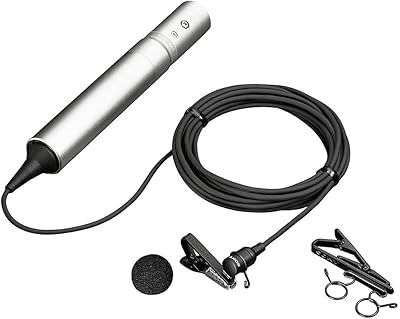
Sony ECM-44 Lavalier Microphone
85%
88%
Sound Quality
92%
Portability
85%
Build Quality
89%
Ease of Setup
80%
Battery Life
More
Sony ECM-VG1 Shotgun Microphone
79%
88%
Audio Clarity
86%
Directional Rejection
81%
Wind Noise Handling
91%
Build Quality
78%
Low-Cut Filter Utility
More
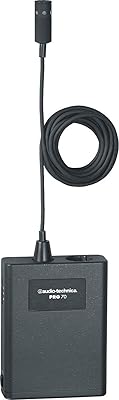
Audio-Technica PRO70
78%
88%
Audio Clarity
91%
Build Quality
83%
Noise Rejection
61%
Handling & Clothing Noise
86%
Versatility
More
Aston Microphones Stealth Condenser Microphone
79%
88%
Sound Quality
84%
Voice Mode Versatility
86%
Built-in Preamp
91%
Build Quality
83%
Value for Money
More
Blue Blueberry Cardioid Condenser Microphone
79%
93%
Tonal Character
91%
Vocal Performance
89%
Build Quality
94%
Capsule Quality
71%
Preamp Compatibility
More
Neat Microphones Skyline USB Desktop Condenser Microphone

89%
94%
Audio Quality
91%
Ease of Use
89%
Build Quality
90%
Mute Button Functionality
92%
Value for Money
More
Aston Microphones Origin
85%
94%
Build Quality
89%
Vocal Clarity
92%
Instrument Response
71%
Internal Pop Filtering
91%
Price-to-Performance Ratio
More
Blue Bluebird SL Condenser Microphone
75%
91%
Vocal Sound Quality
88%
Build Quality
79%
Value for Money
54%
Ease of Setup
74%
Noise Rejection
More
Aston Microphones Spirit Large-Diaphragm Condenser Microphone
85%
93%
Sound Quality
96%
Build Quality
89%
Polar Pattern Versatility
88%
Built-in Pop Filter
84%
Value for Money
More
Sony ECM-CS3 Clip-on Microphone
72%
83%
Voice Call Clarity
91%
Ease of Setup
78%
Clip & Wearability
67%
Background Noise Rejection
74%
Build Quality
More

FAQ

It depends on your camera. Most DSLRs and mirrorless cameras don't supply phantom power through their mic inputs, so you'd need to either use an AA battery for power or add a small XLR-to-3.5mm adapter with its own power supply. A field mixer or audio interface between the mic and camera is the more professional approach.

Not directly — the XLR output means you'll need an XLR-compatible input on your recording device. Some USB audio interfaces do have XLR inputs with phantom power, so that pairing can work. A direct smartphone connection isn't possible without additional adapter hardware.

The ECM77B handles this automatically in most cases — if phantom power is present on the XLR line, it will use that; if not, it falls back to the installed AA battery. Just make sure the battery is inserted when you're working in environments where phantom power isn't available, so you don't end up with a dead mic in the field.

It can be. Omnidirectional mics pick up sound from all directions, which is great for natural-sounding interviews in controlled spaces, but less ideal on a busy street or in a loud room. If your shoots regularly involve unpredictable background noise, you might want to consider a directional alternative for those situations specifically.

The capsule itself is genuinely small and easy to hide under a shirt collar, lapel, or tie. Most professional users report that with a bit of care in positioning, it's barely visible on screen. The cable management is where most of the effort goes, particularly when routing it under multiple layers of clothing.

It's designed for exactly that kind of sustained professional use. The mic is light enough that talent rarely complains about wearing it for hours, and the clip holds it in position reliably. The main practical gripe from long-day users tends to be the stiffness of the cable rather than the mic element itself.

Durability is one of its strongest points based on real-world owner reports. Many users describe running this mic through years of daily professional production without significant performance degradation. It's not delicate gear — it's built to be a working tool.

Yes, and that's actually a common professional setup. Running a wired lav as a safety recording while a wireless system carries the primary signal gives you insurance against wireless dropouts or interference. This broadcast lav fits that role well given its reliability and clean output.

The cable on this mic is attached directly to the capsule rather than being a detachable modular connection, which means a damaged cable is a more involved repair. Some professional audio repair shops can recable lavalier mics, but it's not a simple user-replaceable part. That's worth factoring in if your shoots are particularly rough on cables.

Newer competitors have genuinely closed the gap on raw audio specifications at lower price points, so the ECM77B's value case now rests primarily on its proven track record and Sony's quality control consistency over many years. If you're building a professional kit where reliability over hundreds of shoots matters more than saving upfront, this lavalier mic still earns its place. If you're just starting out or on a tight budget, the newer alternatives are worth evaluating honestly.

Where to Buy