

Overview

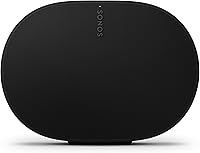
The Sonos Era 300 arrived in early 2023 as the boldest entry in Sonos's refreshed Era lineup, built specifically around one idea: bringing Dolby Atmos Music to a standalone home speaker. That focus sets it apart from the crowd of smart speakers that treat spatial audio as a checkbox feature. This is a speaker for stationary, serious listening — it stays plugged in, lives indoors, and demands a proper spot in your home. If you're shopping for something portable or budget-conscious, this spatial audio speaker will feel like overkill. But for the listener who wants real depth and height in their music, it's a different proposition entirely.

Features & Benefits

The engineering inside this Sonos speaker centers on six drivers arranged to push sound forward, sideways, and upward — a layout that creates a genuinely wide and tall soundstage. Custom waveguides direct those channels precisely, so the effect isn't just loud; it's spatially convincing. Connectivity covers the full range: Wi-Fi, Bluetooth, AirPlay 2, and NFC, meaning you can stream from virtually any device without friction. Sonos Voice Control handles hands-free requests with a stronger privacy emphasis than most, though Alexa is available if preferred. A turntable connection is possible via the Line-In Adapter, sold separately. Pair two units with a compatible Sonos soundbar and the result is a proper multichannel surround configuration.

Best For

This spatial audio speaker makes the most sense for two distinct types of buyers. The first is the dedicated music listener who actively streams spatial content on Apple Music, Tidal, or Amazon Music — someone for whom soundstage width and height genuinely matter over sheer bass output. The second is the existing Sonos owner looking to expand a home theater or multi-room setup; paired with an Arc or Beam Gen 2, the value compounds significantly. It's less suited for casual listeners or anyone wanting portability. Starting fresh with no Sonos ecosystem means committing at a level that deserves real consideration before buying.

User Feedback

Owners consistently highlight the spacious sound signature as the standout quality — reviewers note that instruments and vocals feel genuinely positioned in three-dimensional space rather than simply projecting from a box. Build quality and the clean, understated aesthetic earn praise across the board. That said, the price is the most recurring sticking point, and it comes up often enough to take seriously. Some users note that the Dolby Atmos advantage only fully materializes with supported streaming content; standard stereo tracks don't transform dramatically. A handful mention the app-dependent setup as friction, particularly for less tech-comfortable buyers. Overall satisfaction is high, but it's clearly tied to going in with the right expectations.

Pros

  • Dolby Atmos Music support creates a genuinely three-dimensional listening experience few single speakers can match.
  • Six-driver layout with upward and lateral channels produces real soundstage height, not a simulated effect.
  • Fits naturally into an existing Sonos home theater setup with minimal configuration.
  • AirPlay 2, Bluetooth, Wi-Fi, and NFC together cover virtually every device pairing scenario.
  • Clean, understated design blends into most interiors without demanding visual attention.
  • Sonos Voice Control offers hands-free playback with a stronger privacy posture than most smart speakers.
  • Turntable connection is possible via the Line-In Adapter, bridging analog sources into a wireless system.
  • Long Sonos track record of pushing meaningful software updates to existing hardware over many years.
  • Stereo pairing two units creates a wide, room-filling soundstage that rival single-speaker setups rarely achieve.

Cons

  • The full spatial audio benefit only materializes with Dolby Atmos-encoded content, which is not universal across streaming libraries.
  • The Line-In Adapter required for analog input is sold separately, adding unexpected cost.
  • Entirely app-dependent for setup and control; any app instability directly disrupts the listening experience.
  • No battery, no weather resistance, and no portability of any kind — strictly a plug-in, stay-put speaker.
  • Bass output can feel thin for listeners accustomed to sub-heavy or bass-forward sound profiles.
  • Color options are limited to black and white, leaving buyers with more specific aesthetic preferences without alternatives.
  • The premium price is difficult to justify as a standalone purchase without compatible spatial audio content or ecosystem context.
  • Sonos app history, including the disruptive 2024 redesign, introduces an element of long-term software risk for cautious buyers.
  • Very large open-plan rooms may expose volume ceiling limitations when running a single unit without a stereo pair.

Ratings

Our AI rating system analyzed thousands of verified global reviews for the Sonos Era 300, actively filtering out incentivized and bot-generated feedback to surface what real buyers actually experience. Scores reflect both the genuine strengths and the recurring frustrations that show up across independent listener communities, audio forums, and retail review platforms. You'll find transparent assessments here — not marketing speak.

Spatial Audio Performance
93%
Listeners consistently describe a convincing three-dimensional soundstage that few single-unit speakers can match. Instruments feel positioned around and above you rather than simply projecting forward, which makes well-mixed spatial tracks genuinely immersive in a dedicated listening room.
The effect is meaningfully tied to Dolby Atmos-encoded content, which not every streaming library delivers consistently. On standard stereo tracks, the experience, while still good, does not justify the premium over less expensive competitors on its own.
Sound Quality (Overall)
89%
The six-driver configuration produces a richly detailed soundstage with strong mid-range clarity and articulate highs. Vocals in particular come through with a presence and separation that impresses listeners who spend serious time with the speaker across varied genres.
Bass extension is respectable but not thunderous for a speaker at this price tier. Buyers accustomed to sub-heavy systems or who primarily listen to bass-forward genres may find themselves wanting a dedicated subwoofer to fill out the low end.
Value for Money
61%
39%
For buyers already inside the Sonos ecosystem, the Era 300 unlocks surround configurations that would otherwise require a far more expensive full system. That context-dependent value is real and acknowledged even by critics of the price.
As a standalone purchase, the cost is a persistent sticking point in buyer reviews. Many listeners note that the spatial audio advantage only fully surfaces with compatible streaming content, which makes the premium feel harder to justify for casual or mixed-use listening.
Build Quality & Materials
86%
The polycarbonate housing feels solid and purposefully weighted at nearly 10 lbs, which communicates quality without feeling excessive. The matte finish and clean, unadorned silhouette earn consistent praise for blending into a living space without demanding visual attention.
Some buyers expected a more premium material feel at this price point, noting that the plastic construction — however well-executed — can feel mismatched against the cost. There are no metal accents or premium finish options that rival higher-end boutique audio brands.
Ecosystem Integration
91%
Within the Sonos platform, this spatial audio speaker connects and communicates reliably. Grouping it into a multi-room setup, syncing with an Arc or Beam Gen 2, or running it as part of a stereo pair all work with minimal configuration and remain stable over time.
The tight ecosystem integration is also a form of lock-in that frustrates buyers who want cross-brand flexibility. Users switching from or mixing with non-Sonos hardware find the integration benefits simply do not transfer, which can feel limiting at this investment level.
Connectivity & Wireless Reliability
84%
Wi-Fi, Bluetooth, AirPlay 2, and NFC collectively cover virtually every common streaming scenario. NFC pairing is a small but genuinely appreciated convenience for quick device switching, and AirPlay 2 reliability on Apple devices draws specific positive mentions.
A minority of users report occasional Wi-Fi dropouts or lag in the Sonos app that require a restart to resolve. These are not widespread issues, but they appear consistently enough in long-term ownership reviews to be worth noting for buyers on less stable home networks.
App Experience & Setup
67%
33%
Initial setup through the Sonos app is straightforward for most users, and the interface covers multi-room control, EQ adjustments, and service linking in one place. Tech-comfortable listeners generally find the onboarding process quick and intuitive.
App dependency is one of the most cited friction points among less tech-savvy buyers. The app has historically had stability issues following updates, and the fact that physical controls are minimal means any app problem directly impacts usability in ways that frustrate owners.
Voice Control
74%
26%
Sonos Voice Control handles playback commands reliably and is noted for its privacy-forward approach, which appeals to buyers wary of always-on microphones. Alexa integration adds broader smart home command coverage for users already in that ecosystem.
Sonos Voice Control lacks the general-knowledge breadth of Alexa or Google Assistant, limiting its usefulness beyond music playback. Users who expect full smart assistant functionality comparable to a standalone smart speaker will find the voice experience narrower than expected.
Streaming Service Compatibility
88%
The Era 300 connects to a wide range of major streaming services over Wi-Fi, including platforms that deliver spatial audio content natively. Sonos Radio provides free listening with no additional subscription, which long-term owners appreciate as a no-friction fallback.
The depth of the spatial audio experience depends entirely on which services and which content actually support Dolby Atmos Music. Users who primarily stream from platforms with limited spatial audio catalogs will hear a capable speaker, but not one fully realizing its design intent.
Room-Filling Capability
82%
18%
In medium to large rooms, the directional waveguides do a convincing job of pushing sound to the edges of the space rather than concentrating it near the unit. Listeners seated across the room still report a clear and well-balanced presentation.
In very large open-plan spaces, a single unit can feel underpowered without a stereo pair configuration. Some buyers in larger rooms note that the spatial effect begins to diffuse and the overall volume ceiling falls short of filling the space convincingly on its own.
Analog & Auxiliary Input
58%
42%
The ability to connect a turntable or legacy audio source through the Line-In Adapter is a thoughtful inclusion for vinyl enthusiasts who want their analog rig feeding into a modern wireless system without a separate receiver.
The Line-In Adapter is sold separately, which adds to the already substantial cost and catches some buyers off guard at checkout. For a speaker positioned at this price tier, including the adapter in the box would have been a reasonable expectation.
Design & Aesthetics
83%
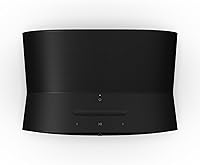
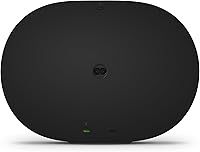
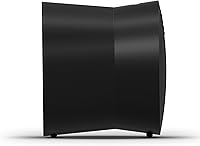
The compact rectangular form factor and restrained styling make the Era 300 easy to place on a shelf or dedicated stand without clashing with room decor. The clean lines and absence of visible branding beyond a small badge are frequently cited as design positives.
Color options are limited to black and white, which suits most interiors but leaves buyers with more expressive or colorful setups without an option that truly fits. The shape, while functional, is not as sculptural as some competitors at similar price points.
Software Longevity & Updates
79%
21%
Sonos has a documented history of pushing feature updates to existing hardware, and long-term owners of older Sonos products often cite software support as a key reason they stay with the brand rather than switching. That track record carries real weight for buyers thinking long-term.
Sonos's 2024 app overhaul left a significant portion of its user base frustrated, and that episode still surfaces in reviews as a trust concern. Buyers are more cautious now about assuming software updates will be uniformly positive, which slightly tempers confidence in long-term ownership.
Physical Portability & Placement Flexibility
42%
58%
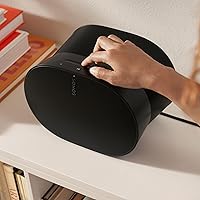
The compact footprint means the Era 300 fits on most shelves, side tables, and speaker stands without demanding dedicated furniture. Its relatively tidy dimensions give placement flexibility within a fixed indoor environment.
This is a corded, indoor-only speaker with no battery and no weather resistance, so true portability is simply off the table. Buyers comparing it to Bluetooth-portable competitors in adjacent price ranges will find this a hard constraint that the product makes no attempt to address.

Suitable for:

The Sonos Era 300 is the right call for music lovers who have carved out a dedicated listening space at home and actively stream from services that support Dolby Atmos Music — think Apple Music or Amazon Music Unlimited subscribers who want to actually hear what spatial audio sounds like at its best. It also makes strong sense for anyone already invested in the Sonos ecosystem; if you own an Arc or Beam Gen 2 soundbar, adding this spatial audio speaker as a surround or stereo pair unlocks a genuinely compelling home theater configuration without rebuilding your entire setup. Vinyl enthusiasts who want to route an analog turntable into a modern wireless system will find the Line-In Adapter compatibility a useful bridge between old and new. Buyers who prioritize long-term software support and a stable, polished app experience over sheer hardware novelty tend to feel well-served by the Sonos platform over time. If your listening habits are intentional rather than background, and your budget reflects that, this speaker rewards the investment.

Not suitable for:

If you are looking for a portable or outdoor-capable speaker, the Sonos Era 300 is a hard pass — it is corded, indoor-only, and entirely stationary by design. Buyers on a tighter budget who mostly stream standard stereo playlists will not hear the spatial audio advantages that justify the premium, and competing speakers at a fraction of the cost will cover casual background listening just as competently. Those who prefer to keep their setup brand-agnostic should also think carefully; the Era 300 is deeply optimized for the Sonos ecosystem, and its strongest use cases — surround pairing, multi-room audio, and ecosystem-wide control — are largely inaccessible outside of it. If heavy bass output is your primary requirement, this speaker's focus on soundstage width and height means it may leave you wanting more in the low end. Anyone who has found the Sonos app frustrating in the past, particularly following its controversial 2024 redesign, should factor that ongoing risk into their decision before committing.

Specifications

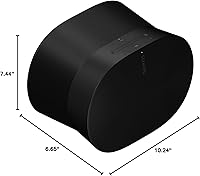
  • Dimensions: The speaker measures 6.65″ deep by 6.65″ wide by 7.44″ tall, making it compact enough for most shelves and side tables.
  • Weight: It weighs 4,470 g (9.85 lbs), giving it a solid, premium feel that keeps it stable on any flat surface.
  • Driver Count: Six dynamic drivers are positioned across the front, sides, and top to support omnidirectional and upward-firing sound projection.
  • Audio Format: Natively supports Dolby Atmos Music for spatial audio playback when streaming from compatible services.
  • Connectivity: Connects via Wi-Fi, Bluetooth 5.0, AirPlay 2, and NFC for broad device and network compatibility.
  • Bluetooth Range: Bluetooth range extends up to 10 meters under standard indoor conditions.
  • Voice Assistants: Supports both Sonos Voice Control and Amazon Alexa for hands-free playback and smart home commands.
  • Power Source: Corded electric only, with a 240V input — there is no internal battery and no portable or outdoor use case.
  • Tweeter Diameter: The tweeter measures 1 inch in diameter, tuned for high-frequency clarity within the six-driver array.
  • Surround Config: Supports a 2.1 surround sound channel configuration when paired with compatible Sonos soundbar products.
  • Analog Input: Analog line-in connection is available via the Sonos Line-In Adapter, which is sold separately and not included in the box.
  • Material: The outer housing is constructed from polycarbonate (PC), finished in a matte texture available in black or white.
  • Water Resistance: The speaker carries no water resistance rating and is strictly rated for indoor use only.
  • Audio Driver Type: All six drivers use dynamic driver technology, optimized for the speaker's multi-directional acoustic architecture.
  • Compatibility: Works with Android and iOS devices and integrates fully into the Sonos multi-room audio platform.
  • Voice Privacy: Sonos Voice Control operates with an on-device processing model designed to minimize cloud data retention for privacy-conscious users.
  • Included Contents: The box contains the Era 300 speaker unit and a power cable; the Line-In Adapter and any mounting accessories are not included.
  • Warranty: Covered by a limited manufacturer warranty; exact terms and duration vary by region and point of purchase.

Related Reviews
Sonos Era 100
Sonos Era 100
76%
91%
Sound Quality
87%
Trueplay Room Calibration
58%
App Experience & Setup
93%
Multi-Room Integration
84%
Connectivity & Compatibility
More
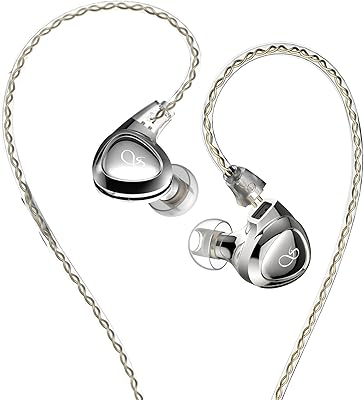
SHANLING SONO
SHANLING SONO
89%
95%
Sound Clarity
88%
Bass Response
92%
Midrange Detail
90%
Treble Resolution
89%
Build Quality
More
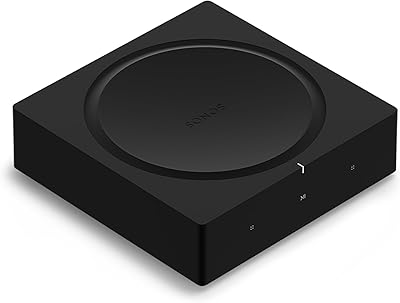
Sonos Amp
Sonos Amp
88%
94%
Sound Quality
88%
Ease of Setup
91%
Integration with Sonos System
90%
Build Quality
85%
Size and Design
More
Sonos Port
Sonos Port
82%
93%
Ecosystem Integration
89%
Multi-Room Audio Performance
86%
Setup & Installation
84%
Wireless Connectivity Reliability
88%
Apple AirPlay 2 Support
More
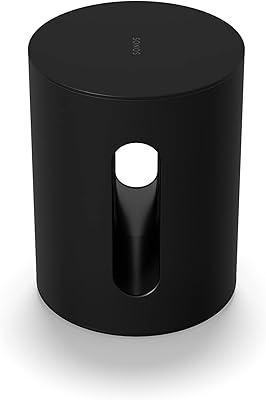
Sonos Sub Mini
Sonos Sub Mini
88%
92%
Bass Performance
90%
Integration with Sonos Devices
88%
Size and Design
87%
Wi-Fi Connectivity
93%
Setup Process
More
Sonos Ray Soundbar
Sonos Ray Soundbar
85%
85%
Sound Quality
91%
Setup Ease
89%
Connectivity
67%
Bass Performance
80%
Build Quality
More
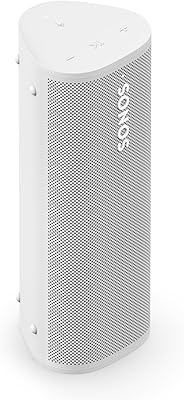
Sonos Roam 2
Sonos Roam 2
87%
93%
Sound Quality
95%
Portability
92%
Build Quality
78%
Battery Life
88%
Connectivity and Pairing
More
Sonos Outdoor by Sonance
85%
93%
Sound Quality
89%
Build Quality/Durability
72%
Ease of Installation
94%
Water Resistance
91%
Integration with Sonos Amp
More
Sonos Move 2
Sonos Move 2
81%
93%
Sound Quality
88%
Bass Performance
91%
Battery Life
61%
Portability
89%
Build Quality & Durability
More
Sonos Ace
Sonos Ace
80%
88%
Noise Cancellation
91%
Spatial Audio & Dolby Atmos
84%
Sound Quality
93%
Battery Life
89%
Rapid Charging
More

FAQ

Yes, the Sonos Era 300 requires the Sonos app and an account for initial setup and ongoing control. The app is free and available on both iOS and Android, but you cannot fully configure the speaker without it, which is worth knowing upfront if you prefer app-free hardware.

The honest answer is: it depends on what you stream. On tracks that are genuinely mixed in Dolby Atmos — available on Apple Music, Amazon Music Unlimited, and Tidal — the spatial effect is real and noticeably different from standard stereo. On regular stereo content, the speaker still sounds excellent, but the height and width advantage is not as dramatic. Make sure your preferred streaming service actually offers Atmos content before making it your primary buying reason.

Not directly out of the box. You need the Sonos Line-In Adapter, which is sold separately. Once you have it, you can connect a turntable or any other analog audio source and route it wirelessly through your Sonos system. Just keep in mind that if your turntable does not have a built-in phono preamp, you will also need an external one in the chain.

A single unit handles medium-sized rooms well, but in a large open-plan space, you may find the volume ceiling limiting and the spatial effect less pronounced. Running two units as a stereo pair makes a meaningful difference in room coverage, though that obviously increases the overall investment considerably.

Sonos Voice Control is solid for music-related commands: playing, pausing, skipping, adjusting volume, and switching rooms. It handles those tasks reliably and without sending audio to the cloud in the same way Alexa does. That said, it is not a general-purpose assistant, so if you want to ask about the weather, control smart home devices, or set timers, you will want Alexa enabled instead.

Yes, and this is honestly where the Era 300 shines brightest as a value proposition. Pairing two of them with a Sonos Arc or Beam Gen 2 creates a proper Dolby Atmos surround configuration with lateral and overhead channels from each speaker. If you already own one of those soundbars, adding a stereo pair transforms the home theater experience significantly.

Yes, it works with all major streaming services through the Sonos app, including Spotify, Apple Music, Amazon Music, Tidal, Deezer, and many others. You can also stream via AirPlay 2 or Bluetooth from any app on your phone, which covers edge cases where a specific service is not directly integrated into the Sonos platform.

This is a fair concern. Sonos released a heavily redesigned app in 2024 that removed features many users relied on, and the backlash was significant and well-documented. The situation has improved since then, but it remains a point of caution. If you rely heavily on features like local library management or granular queue controls, it is worth checking recent user feedback before buying to confirm your specific needs are currently supported.

No. This spatial audio speaker carries no water or moisture resistance rating and is designed strictly for indoor use. Even a covered outdoor environment with humidity, temperature swings, or occasional splashing would put the unit at risk. For outdoor use, you would need to look at speakers specifically built and rated for that environment.

The low end is present and well-integrated for a compact speaker, but it is not a bass-heavy design — the acoustic architecture prioritizes spatial width and height over punchy sub-bass. Listeners who are used to larger drivers or dedicated subwoofers may find it lacking in that department. Sonos does offer the Sub and Sub Mini as compatible add-ons if you find the low-frequency output falls short of what your listening habits require.