
Overview

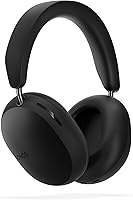
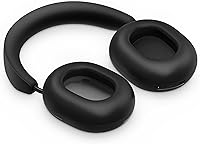
The Sonos Ace marks the brand's first real move into personal audio — a bold step for a company built on whole-home sound systems. These over-ear headphones sit squarely in the premium ANC tier, competing directly with long-established rivals like the Sony WH-1000XM5 and Bose QuietComfort 45. The key differentiator isn't raw specs — it's Dolby Atmos spatial audio with dynamic head tracking, plus deep integration for existing Sonos households. The build leans understated: polycarbonate construction with memory foam and vegan leather cushions that feel considered rather than flashy. Worth keeping in mind: this is a first-generation product, and that matters when weighing software maturity against the asking price.

Features & Benefits

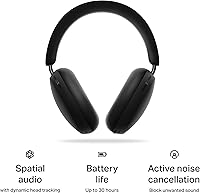
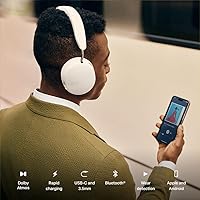
The noise cancellation is genuinely strong — on a crowded commute or in a loud open-plan office, it does its job without creating the uncomfortable pressure some ANC headphones produce. Flip on Aware Mode and you get a natural passthrough that doesn't sound like a cheap microphone feed. Battery life is a real highlight: 30 hours with ANC running is class-leading, and the rapid charge feature is surprisingly practical — three minutes plugged in buys three hours of playback. This Sonos headset supports lossless audio over both Bluetooth 5.4 and USB-C, and the included accessories — two cables plus a protective case — reflect a thoughtful out-of-box experience.

Best For

The Ace makes the most sense for people already invested in the Sonos ecosystem — the ability to shift audio from your home speakers directly to these over-ear headphones with a single press is a genuinely useful feature. Beyond that crowd, frequent travelers and daily commuters will appreciate the long battery and effective noise isolation. Professionals working in noisy environments, and anyone who streams a lot of content, will find the spatial audio rewarding without needing extra hardware. That said, if you don't already own Sonos gear, the premium price point demands careful comparison against more established competitors before committing.

User Feedback

Owners consistently praise the wearing comfort — the memory foam cushions hold up well during long sessions without causing heat buildup or fatigue. Spatial audio performance draws strong reactions, particularly for movie watching. Where things get more mixed: buyers switching from Sony or Bose sometimes find the out-of-box sound tuning less immediately impressive, and the 30-foot Bluetooth range can feel limiting in larger homes. The bigger friction point has been the Sonos app redesign in 2024, which frustrated early adopters with real usability issues. If you're outside the ecosystem, the value proposition requires more scrutiny than it does for existing Sonos households.

Pros

  • Thirty hours of ANC-on battery life is exceptional and consistently matches real-world use.
  • Three minutes of charging delivers three hours of playback — genuinely useful when you forget to charge overnight.
  • Dolby Atmos spatial audio with dynamic head tracking is among the best in its class for film and streaming content.
  • Memory foam cushions make these over-ear headphones comfortable enough for full workdays without fatigue.
  • Lossless audio support over both Bluetooth and USB-C adds flexibility for quality-conscious listeners.
  • Sonos ecosystem users get a seamless audio handoff from home speakers that no rival currently offers.
  • ANC performance holds up well on planes and in busy offices without the pressure discomfort some headphones cause.
  • The included accessories — two cables and a hard case — reflect a complete, well-considered package.
  • Aware Mode delivers a natural ambient passthrough that does not sound artificial or over-processed.
  • The understated design works in professional settings where flashy headphones would feel out of place.

Cons

  • The Sonos app redesign in 2024 frustrated many early adopters with instability and missing features.
  • EQ customization options are limited compared to what Sony and Bose offer at similar prices.
  • The 30-foot Bluetooth range causes real dropouts when moving between rooms in larger homes.
  • No water or sweat resistance makes this headset a poor fit for workouts or outdoor use in variable weather.
  • First-generation hardware means long-term software support and feature updates remain uncertain.
  • Out-of-box sound tuning skews neutral, which can disappoint buyers expecting a warm or bass-forward signature.
  • Touch controls are prone to accidental activation when adjusting fit or removing the headset.
  • Buyers outside the Sonos ecosystem pay a premium for integration features they cannot actually use.
  • At 11 ounces, the headset is heavier than several competitors, which some users notice on longer trips.
  • Wired passive mode is not available — a dead battery limits the experience even when plugged in.

Ratings

The Sonos Ace scores here reflect AI-driven analysis of verified global user reviews, with spam, bot-generated, and incentivized feedback actively filtered out before scoring. Across thousands of real buyer experiences, both the standout strengths and the frustrating pain points of these over-ear headphones are transparently represented. The result is an honest picture of where this Sonos headset genuinely delivers — and where it still has room to grow.

Noise Cancellation
88%
Most users found the ANC performance impressive in real-world conditions — airplane cabins, busy offices, and noisy public transit all came up frequently as environments where the isolation felt genuinely effective. The lack of uncomfortable pressure that plagues some competing headphones was a recurring positive note.
A handful of users switching directly from the Sony WH-1000XM5 felt the ANC was marginally less aggressive at blocking low-frequency hum, like airplane engines. It is strong, but it does not set a new benchmark in this category.
Spatial Audio & Dolby Atmos
91%
This is where the Ace pulls ahead for many buyers. Reviewers watching films or streaming spatial audio content consistently described the head-tracking as natural and convincing rather than gimmicky. For home cinema use in particular, the Dolby Atmos experience drew genuine enthusiasm.
Spatial audio performance is heavily content-dependent — listeners who mostly stream stereo music on non-optimized platforms noticed far less benefit. Some users also felt the head-tracking occasionally lagged slightly when making fast head movements.
Sound Quality
84%
Listeners who prioritized detail and staging over bass-forward tuning tended to be very satisfied. The 40mm drivers produce a balanced, relatively neutral sound signature that rewards well-recorded material, and lossless audio support over Bluetooth genuinely impressed more technically minded users.
Casual listeners accustomed to the warmer, bass-boosted tuning of Sony or Bose headphones sometimes found the out-of-box sound a little thin or understated. EQ customization options in the app were also reported as limited compared to rivals.
Battery Life
93%
Thirty hours of battery with ANC running is exceptional, and real-world reports consistently matched or exceeded that claim. Commuters and frequent flyers specifically called this out as a deciding factor — not having to charge mid-trip or mid-workday makes a genuine practical difference.
There is very little to criticize here. The only minor gripe from a small number of users was that battery percentage reporting in the app felt imprecise, occasionally dropping faster than expected in the final 20 percent.
Rapid Charging
89%
The three-minute charge for three hours of playback is not just a spec — buyers who forgot to charge overnight reported it as a genuine lifesaver. It works consistently and charges over the same USB-C port used for wired listening, which simplifies the whole experience.
Full charge from empty still takes a couple of hours, which is not class-leading. A small number of users also reported that the charging cable included in the box felt shorter than ideal for desk use.
Comfort & Fit
87%
Extended wear comfort was one of the most praised aspects across the review base. The memory foam cushions and vegan leather earpads distribute pressure well, and wearers with glasses specifically noted less fatigue than competing models after two or three hours of continuous use.
A minority of users with larger heads found the clamping force slightly firm during the first week before the headband broke in. The headset also runs slightly warm during extended sessions in warmer environments.
Build Quality & Materials
79%
21%
The polycarbonate construction feels purposeful rather than cheap, and the overall fit and finish matches what buyers at this price tier expect. The minimal, understated aesthetic earned consistent praise from users who prefer a professional look over flashy design.
Some buyers felt the materials did not justify the premium price when placed next to rivals using more metal in their construction. A few reviewers reported minor flex and creak in the headband under firm handling, which felt inconsistent with the pricing.
Ecosystem Integration
86%
For households already running Sonos speakers, the ability to seamlessly transfer audio from a room system directly to these headphones with a single button press was consistently called out as a compelling and well-executed feature. It works reliably and adds genuine day-to-day value.
Outside the Sonos ecosystem, this integration advantage disappears entirely, leaving the headset competing purely on audio and ANC merit. Users without existing Sonos hardware mentioned feeling like they were paying for infrastructure they could not use.
App & Software Experience
54%
46%
When the app works as intended, basic controls like ANC toggling, Aware Mode switching, and firmware updates are straightforward. Some users appreciated having those functions accessible without needing to touch the headphones physically.
The Sonos app underwent a controversial redesign in 2024 that frustrated a significant portion of the user base with missing features, instability, and a confusing interface. Several reviewers mentioned app-related issues as their single biggest source of dissatisfaction, and this dragged scores down notably.
Bluetooth Performance
71%
29%
Connection stability in typical use cases — sitting at a desk, commuting, or moving around a small apartment — was generally described as solid. Pairing was fast, and Bluetooth 5.4 contributed to a reliable link in those everyday environments.
The 30-foot range specification revealed its limits in real-world testing. Users in larger homes reported dropouts when moving between rooms, and several noted the range felt conservative compared to what Sony and Bose headphones manage in similar conditions.
Touch Controls
74%
26%
The touch controls are responsive and intuitive once learned, and the combination of touch gestures and physical buttons gives users flexibility. Most buyers adapted to the control layout within a day or two of regular use.
Accidental touches during headphone adjustment were a recurring complaint, particularly when pulling the headset on or off. A few users also wished the touch zones were more clearly delineated by feel rather than requiring memorization.
Wired Audio Support
82%
18%
Having both a 3.5mm jack option and USB-C wired connectivity in the box gives this headset more versatility than many wireless-only competitors. Users who plug in for airplane entertainment systems or desk audio interfaces appreciated not needing to hunt for adapters.
Wired mode requires the headphones to be powered on to unlock active features, which means a dead battery limits the wired experience. A purely passive wired mode was something a small number of audiophile-leaning users specifically requested.
Value for Money
67%
33%
Buyers who were already Sonos customers and valued the ecosystem integration tended to feel the price was justified, especially given the spatial audio quality and battery performance. For that specific audience, the total package makes financial sense.
For buyers outside the Sonos world, spending this much against a Sony or Bose that offers more mature software, comparable ANC, and a larger feature set is a harder case to make. The first-generation status also made several reviewers cautious about long-term software support.
Portability & Travel Friendliness
78%
22%
The included hard-shell fabric case is a proper protective case rather than an afterthought pouch, and the headphones fold compactly enough to fit in carry-on bags without dominating space. Frequent flyers mentioned packing convenience as a genuine plus.
At 11 ounces, the Ace is not the lightest option in its class, and the fold mechanism is more conservative than competitors. Ultralight travelers who count grams noted it as a minor but real consideration.

Suitable for:

The Sonos Ace was built with a specific buyer in mind, and if you fit that profile, the case for owning a pair is genuinely strong. Anyone already running Sonos speakers throughout their home will get immediate, practical value from the ability to hand off audio between rooms and headphones with a single button press — that alone is a feature no competitor currently replicates. Frequent flyers and daily commuters will also find a lot to like here: thirty hours of battery with ANC running means multi-leg international trips without a charger anxiety, and the noise isolation holds up well in transit environments. If you watch a lot of films, stream spatial audio content, or work in video production, the Dolby Atmos head-tracking performance is among the best available in this form factor right now. Office workers who spend long hours at a desk will appreciate the all-day wearing comfort, and professionals who need high-fidelity monitoring without carrying a separate DAC will find the lossless USB-C and Bluetooth audio options genuinely useful.

Not suitable for:

Buyers who have no existing Sonos equipment should think carefully before committing at this price point, because the Sonos Ace loses its most compelling advantage the moment you remove it from that ecosystem context. If you are coming from a Sony WH-1000XM5 or Bose QuietComfort Ultra and expecting a clear upgrade across the board, you may be disappointed — the ANC and app experience on those rivals are more mature, and the out-of-box sound tuning on the Ace is more neutral than the warmer signatures those headphones offer. Anyone who prioritizes a feature-rich companion app will find the current Sonos software frustrating; the 2024 redesign drew significant backlash, and the EQ tools remain limited compared to what competitors provide. Gym users or outdoor runners should look elsewhere entirely — there is no water or sweat resistance here. Finally, buyers in larger homes who like to move freely while connected should be aware that the 30-foot Bluetooth range is a real-world constraint, not just a spec footnote.

Specifications

  • Product Type: Over-ear wireless headphones with active noise cancellation, designed for premium personal audio use.
  • Driver Size: Each earcup houses a 40mm dynamic audio driver tuned for balanced, detailed sound reproduction.
  • Impedance: The headphones operate at 40 Ohm impedance, suitable for direct use with smartphones, laptops, and USB-C sources without an external amplifier.
  • Bluetooth Version: Bluetooth 5.4 is used for wireless connectivity, supporting lossless audio streaming to compatible devices.
  • Bluetooth Range: Wireless range is rated at up to 30 feet (approximately 9 meters) in open, unobstructed conditions.
  • Battery Life: Up to 30 hours of continuous playback with Active Noise Cancellation enabled on a full charge.
  • Rapid Charge: A 3-minute charge via USB-C delivers up to 3 hours of playback, reducing downtime significantly.
  • ANC & Modes: Active Noise Cancellation and Aware Mode (ambient sound passthrough) are both included and switchable via controls or the app.
  • Spatial Audio: Dolby Atmos spatial audio with dynamic head tracking is supported for immersive, position-aware listening on compatible content.
  • Wired Connectivity: A 3.5mm headphone jack and USB-C port provide wired audio options; both cables are included in the box.
  • Weight: The headset weighs 11 oz (0.69 lbs), which is mid-range for premium over-ear headphones in this class.
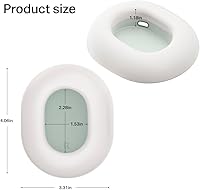
  • Ear Cushions: Earpads are constructed with plush memory foam padding covered in soft vegan leather for extended wearing comfort.
  • Headband Material: The headband and outer shell are made from polycarbonate (PC), with an adjustable design to accommodate a wide range of head sizes.
  • Controls: Touch-sensitive controls on the earcups are supplemented by physical buttons, supporting media playback, ANC toggling, and voice assistant activation.
  • Voice Assistants: Amazon Alexa and Apple Siri are both supported for hands-free voice control via the built-in microphone array.
  • In-Box Contents: The package includes the headphones, a protective fabric carrying case, a USB-C to USB-C cable (2.46 ft), and a USB-C to 3.5mm cable (3.94 ft).
  • Water Resistance: These headphones carry no official water or sweat resistance rating and are not designed for use in wet or high-perspiration environments.
  • Generation: This is the first-generation model, released in May 2024, representing Sonos's initial entry into the personal headphone market.
  • Compatible Devices: The headset is compatible with smartphones, tablets, laptops, and televisions via Bluetooth or wired connection.
  • Voice Assistant Control: Physical button and touch-based controls support Amazon Alexa, Apple Siri, and standard media playback commands across compatible platforms.

Related Reviews
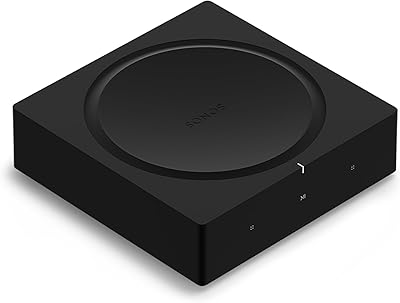
Sonos Amp
Sonos Amp
88%
94%
Sound Quality
88%
Ease of Setup
91%
Integration with Sonos System
90%
Build Quality
85%
Size and Design
More
SHANLING SONO
SHANLING SONO
89%
95%
Sound Clarity
88%
Bass Response
92%
Midrange Detail
90%
Treble Resolution
89%
Build Quality
More
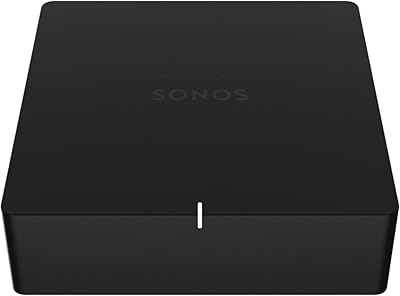
Sonos Port
Sonos Port
82%
93%
Ecosystem Integration
89%
Multi-Room Audio Performance
86%
Setup & Installation
84%
Wireless Connectivity Reliability
88%
Apple AirPlay 2 Support
More
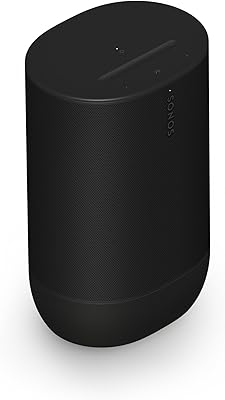
Sonos Move 2
Sonos Move 2
81%
93%
Sound Quality
88%
Bass Performance
91%
Battery Life
61%
Portability
89%
Build Quality & Durability
More
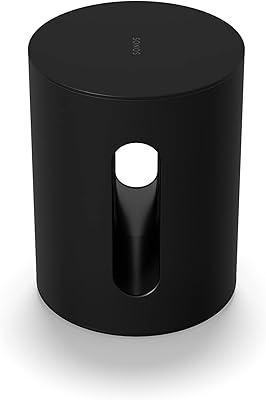
Sonos Sub Mini
Sonos Sub Mini
88%
92%
Bass Performance
90%
Integration with Sonos Devices
88%
Size and Design
87%
Wi-Fi Connectivity
93%
Setup Process
More
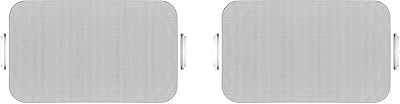
Sonos Outdoor by Sonance
85%
93%
Sound Quality
89%
Build Quality/Durability
72%
Ease of Installation
94%
Water Resistance
91%
Integration with Sonos Amp
More
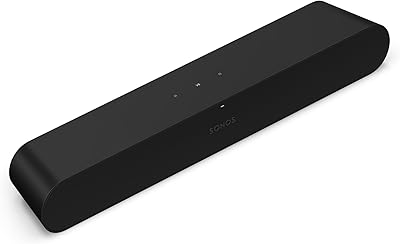
Sonos Ray Soundbar
Sonos Ray Soundbar
85%
85%
Sound Quality
91%
Setup Ease
89%
Connectivity
67%
Bass Performance
80%
Build Quality
More
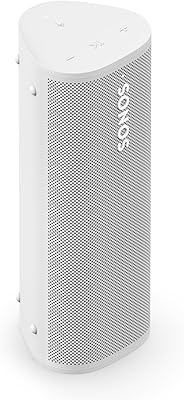
Sonos Roam 2
Sonos Roam 2
87%
93%
Sound Quality
95%
Portability
92%
Build Quality
78%
Battery Life
88%
Connectivity and Pairing
More
Sonos Era 300
Sonos Era 300
77%
93%
Spatial Audio Performance
89%
Sound Quality (Overall)
61%
Value for Money
86%
Build Quality & Materials
91%
Ecosystem Integration
More
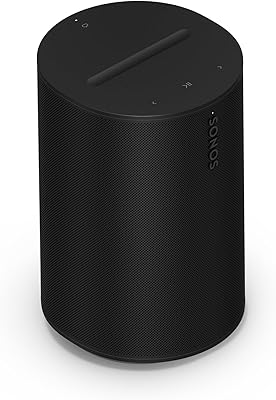
Sonos Era 100
Sonos Era 100
76%
91%
Sound Quality
87%
Trueplay Room Calibration
58%
App Experience & Setup
93%
Multi-Room Integration
84%
Connectivity & Compatibility
More

FAQ

You do not need other Sonos gear to use this headset — it works as a standalone pair of Bluetooth headphones with any device. That said, the most compelling feature, audio handoff from Sonos home speakers to the headphones, only works if you have compatible Sonos speakers. If you have no existing Sonos equipment, you are paying a premium for a feature you cannot access.

Both are strong performers, but the Sony edges ahead on raw ANC intensity, particularly for blocking low-frequency sounds like aircraft engines. The Ace holds its own in office and commute environments, though, and its Dolby Atmos spatial audio is more developed than Sony's equivalent implementation. Which one wins depends on your priorities.

Technically yes — the 3.5mm cable is included and can be plugged in when the battery is flat. However, the headphones need to be powered on to enable active features in wired mode, which means a completely dead battery will limit your listening experience. Pure passive wired mode without power is not supported.

It actually shines most for films and TV content. The dynamic head tracking creates a convincing sense that sound is coming from in front of you rather than inside your head, which makes watching movies on a laptop or tablet feel much more cinematic. For standard stereo music streaming, the effect is less dramatic unless the content was specifically mixed for spatial audio.

Very practical. Three minutes of charging for three hours of playback is not just a marketing stat — it covers a full commute if you forgot to charge overnight, which happens to everyone eventually. The same USB-C port used for charging also handles wired audio, so you only need to carry one cable.

Sonos has not officially launched a retail replacement earcup program at the scale that some competitors offer. Given that this is a first-generation product, availability of spare parts and accessories may expand over time. If long-term cushion replacement is important to you, it is worth checking Sonos's current support offerings before purchasing.

In practice it works fine for typical use — sitting on a couch, moving around a room, or walking to a nearby kitchen. Where it becomes noticeable is in larger homes where you might walk two or three rooms away from your source device. Competitors like the Sony and Bose equivalents tend to handle longer-range use more reliably. For apartment and office use it is rarely an issue.

Owners who wear glasses have generally reported good results, which is not always the case with over-ear headphones. The memory foam cushions are soft enough that they do not press hard against the arms of glasses frames, reducing the pressure and heat buildup that causes discomfort during long sessions. Individual results will vary depending on frame thickness.

Sonos pushed updates throughout 2024 and into 2025 to address the most serious complaints from the redesign rollout, and stability has improved. That said, EQ functionality and some advanced settings are still more limited than what competitors offer in their apps. It is worth checking recent user reviews for the current app rating before deciding, as this has been an evolving situation.

No, and this is a firm limitation rather than a minor caveat. There is no water resistance or sweat resistance rating on this headset, which means even moderate perspiration poses a risk during intense workouts. For gym and running use, you would be much better served by a headphone specifically designed for that environment.