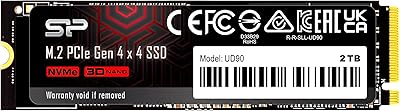
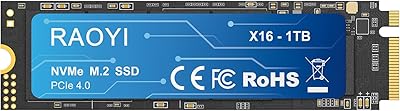
Overview

The Silicon Power US75 1TB Gen4 NVMe SSD sits in a crowded mid-range segment, but it earns attention by offering flagship-tier sequential speeds at a price that won't make you wince. The standard M.2 2280 form factor means it drops straight into most laptops, desktops, and — notably — the PlayStation 5 without adapter headaches. Silicon Power backs it with a 5-year limited warranty and a 2400 TBW endurance rating, both reassuring figures at this price point. Just keep expectations honest: sequential read and write numbers are impressive on paper, but real-world performance varies with workload and thermal conditions.

Features & Benefits

Running on a PCIe Gen 4x4 interface, the US75 1TB hits sequential reads up to 7,000 MB/s and writes up to 6,000 MB/s — numbers that rival drives costing significantly more. NVMe 1.4 support keeps latency low and power draw modest, which matters in laptops where thermals are tight. At 0.282 oz and standard 2280 dimensions, it physically disappears into any compatible slot. The 2400 TBW endurance figure is healthy for sustained workloads, and if you outgrow 1TB, the same family scales up to 4TB. Practical benefits add up fast for anyone moving off an older SATA drive.

Best For

This Gen4 NVMe drive makes the most sense for PS5 storage expansion — it meets Sony's speed requirements and fits the console's M.2 slot, though you will want to source a separate heatsink since none is included. PC builders on tighter budgets get Gen4 performance without stretching to premium-tier pricing. Laptop owners swapping out a SATA drive will notice a genuine difference in boot times and file transfers. Content creators moving large video or RAW photo files also benefit from the sustained write speeds. For anyone who wants fast storage without overpaying for a brand-name premium, this Silicon Power SSD is a rational choice.

User Feedback

With a 4.6-star average across nearly 950 ratings, buyer sentiment around the US75 1TB is clearly positive. Most praise centers on straightforward installation, a noticeable performance jump from SATA, and solid compatibility with the PS5. Benchmarks shared by users generally align with the advertised sequential speeds, which adds credibility. The most consistent criticism is the lack of a bundled heatsink — a minor but worth-noting omission for PS5 users who prefer an all-in-one package. A small number of buyers mention limited software support from Silicon Power. Long-term reliability feedback is mostly quiet, which in storage terms tends to be a good sign.

Pros

  • Sequential read speeds up to 7,000 MB/s put this Gen4 NVMe drive in the same conversation as drives that cost noticeably more.
  • Fully compatible with the PS5 expansion slot, meeting Sony's minimum speed requirements without issue.
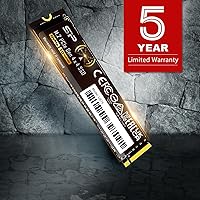
  • The 5-year limited warranty offers real peace of mind at a price tier where shorter warranties are common.
  • A 2400 TBW endurance rating holds up well for heavy daily use over several years.
  • At under 0.3 oz, the US75 1TB adds no meaningful weight to a laptop upgrade.
  • NVMe 1.4 support keeps power consumption lower, which benefits battery-dependent devices.
  • Buyers report installation is straightforward, with no unusual compatibility issues across tested systems.
  • The same drive family scales to 4TB, so upgrading capacity later means staying within a proven product line.
  • Real-world benchmark results shared by users broadly match the advertised speeds, which is not always a given.

Cons

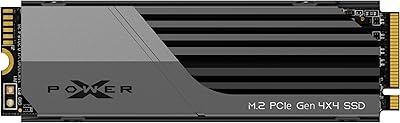
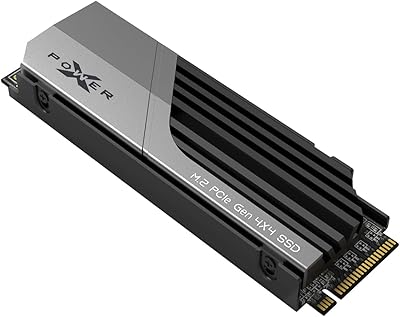
  • No heatsink is included, which is a meaningful omission for PS5 users who must source one separately.
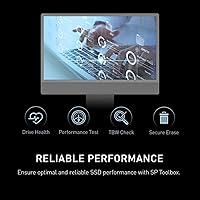
  • Silicon Power's first-party software tools lag behind competitors in polish and feature depth.
  • Random read and write performance, which matters more in day-to-day use than sequential numbers, is not prominently specified.
  • Brand recognition is lower than Samsung or WD, which can make resale value and community support thinner.
  • Thermal throttling under prolonged heavy workloads has been noted in some user reports, particularly without a heatsink.
  • The 1TB capacity may feel limiting sooner than expected for users with growing game libraries or media collections.
  • Long-term ownership data is still relatively limited given the drive launched in mid-2023.
  • No bundled cloning or migration software means additional steps or third-party tools are needed when transferring an existing OS.

Ratings

The scores below reflect an AI-driven analysis of verified global buyer reviews for the Silicon Power US75 1TB Gen4 NVMe SSD, with spam, bot submissions, and incentivized feedback actively filtered out before scoring. Each category captures both the genuine enthusiasm and the honest frustrations that real users report after installing and living with this drive. Nothing is glossed over — the numbers reflect where this Gen4 NVMe drive earns its keep and where it falls short.

Sequential Read Performance
88%
Users running CrystalDiskMark and similar benchmarks consistently report read speeds landing close to the advertised 7,000 MB/s ceiling, which is a genuine rarity at this price tier. For tasks like loading large game levels, booting an OS, or opening hefty project files, the difference compared to a Gen3 drive is tangible and immediate.
A portion of reviewers note that real-world read speeds during mixed workloads — like copying multiple files simultaneously — land noticeably below peak figures. The gap between benchmark numbers and day-to-day file operations is something buyers should factor in before assuming they will always see top-tier throughput.
Sequential Write Performance
84%
Content creators and PC builders frequently highlight the write performance as one of the US75 1TB's strongest selling points relative to its price. Transferring large video exports, disk images, or game installations from another drive tends to complete faster than comparable Gen3 NVMe options, which is a meaningful everyday benefit.
Write speeds can drop noticeably once the drive's SLC cache fills up during prolonged transfers, which affects users copying very large files — think multi-gigabyte game folders or RAW photo libraries — in a single session. This behavior is common across most consumer SSDs at this tier, but it is worth knowing upfront.
PS5 Compatibility
91%
PS5 users represent a significant portion of buyers, and the installation experience is consistently praised — the drive slots in cleanly, the console recognizes it immediately, and formatted speeds comfortably satisfy Sony's Gen4 minimum requirements. For console owners who simply want more storage without paying a premium for a heatsink-bundled drive, this is a practical and cost-effective path.
The one friction point nearly every PS5 buyer mentions is the absent heatsink, which Sony recommends for safe long-term operation inside the console. It is a small but real extra step — and extra cost — that a meaningful number of buyers did not anticipate when ordering, leading to minor frustration upon unboxing.
Value for Money
89%
The consistent theme across hundreds of reviews is that buyers feel they are getting Gen4 performance for a price that used to buy Gen3. Gamers upgrading aging systems and laptop owners coming from a SATA drive repeatedly describe the purchase as one of the better-value upgrades they have made, particularly given the 5-year warranty backing it up.
A small but vocal segment of buyers feel the value equation weakens when comparing the US75 1TB directly to heavily discounted Samsung or WD Black options during sales events. At full price, the gap shrinks considerably, but deal-hunters who time their purchases carefully sometimes find flagship alternatives within a similar budget.
Thermal Management
67%
33%
In well-ventilated desktop cases with active airflow, the drive maintains stable temperatures across typical gaming and productivity sessions without any added cooling. Users in open-frame builds or mid-tower cases with decent fan setups rarely report heat-related complaints during normal mixed workloads.
Without a heatsink, temperatures under sustained workloads — extended game sessions on a PS5 or prolonged large file transfers in a confined laptop — can climb into ranges that trigger thermal throttling. Several users report a perceptible slowdown during back-to-back heavy write operations, which is the most consistent performance-related complaint across the review pool.
Installation Experience
93%
Across the review pool, installation is one of the most universally praised aspects of the US75 1TB. Whether in a laptop, a desktop M.2 slot, or a PS5, buyers describe the physical fit and system recognition as smooth and uneventful — a small but meaningful confidence builder for first-time upgraders.
The installation process itself has no real hardware complaints, but the lack of bundled migration software is a recurring friction point for users transferring an existing Windows installation. Silicon Power's own utilities are basic, nudging buyers toward third-party cloning tools that require extra research and setup time.
Software & Ecosystem
53%
47%
For users who have no interest in drive management software — those who simply want to install the drive and forget it exists — the thin software offering is completely irrelevant. The drive itself performs independently of any companion app, so buyers who do not rely on manufacturer utilities will never feel this gap.
Buyers who come from Samsung's Magician ecosystem or WD's Dashboard regularly express disappointment at what Silicon Power offers in comparison. Health monitoring, firmware update notifications, and over-provisioning tools are either absent or significantly less polished, which is a legitimate concern for users who actively manage drive health over a multi-year ownership period.
Random Read/Write Performance
74%
26%
For everyday computing — launching applications, switching between browser tabs and creative tools, or running an operating system — the random I/O performance is more than adequate and keeps the system feeling responsive. Most home and gaming users will not encounter a situation where random performance feels like a bottleneck.
When compared directly to premium Gen4 competitors in controlled benchmarks, the US75 1TB's random read and write IOPS figures trail the segment leaders by a margin that matters in latency-sensitive server-like or professional workstation scenarios. It is a secondary concern for the target buyer, but relevant for anyone running database-style workloads or heavily multithreaded storage tasks.
Long-Term Reliability
79%
21%
Given the drive launched in mid-2023, a growing cohort of buyers with over a year of heavy use report no issues — a quiet but meaningful positive signal. The 2400 TBW endurance rating gives additional objective confidence, and the absence of widespread failure reports or warranty claim clusters in the review pool is reassuring.
The drive's relatively short market history means the long-term durability picture is still developing, and Silicon Power does not carry the same track record as storage-focused brands with a decade of high-volume consumer data behind them. Buyers who weight brand heritage heavily in their purchasing decisions may find this uncertainty a lingering concern.
Build & Form Factor
87%
At 0.282 oz and standard 2280 dimensions, the physical design is exactly what it needs to be — compact, universally compatible, and light enough to have zero impact on laptop balance or build weight. The green PCB is a minor aesthetic flourish that lands well in windowed desktop builds.
There is no included heatsink or thermal pad, which other drives in the category sometimes include. The bare PCB approach keeps costs down but shifts the thermal responsibility entirely to the buyer, which is a small but notable packaging omission that some competitors handle more completely out of the box.
Warranty & Support
82%
18%
A 5-year limited warranty backed by a 2400 TBW endurance threshold is a genuinely competitive coverage package for the price tier, and buyers consistently cite it as a key factor in choosing this drive over cheaper alternatives with shorter terms. It signals a baseline level of manufacturer confidence in the product's longevity.
Silicon Power's customer support experience does not match the warranty's promise on paper. A subset of buyers who have gone through the claims process describe response times and communication as slower and less organized than what Samsung or WD typically deliver, which takes some of the shine off the otherwise solid warranty terms.
Capacity Options
83%
The availability of 1TB, 2TB, and 4TB variants within the same US75 family makes it easy for buyers to scale up without switching to a different brand or form factor. For PS5 users who anticipate needing more than 1TB over the console's lifespan, knowing that a larger upgrade path exists within the same product line is a quiet but useful reassurance.
At the 1TB tier specifically, the available storage feels limiting for buyers with large modern game libraries or working video archives, and the jump to 2TB adds meaningful cost. Buyers on a strict budget who need more than 1TB may find themselves weighing whether to stretch the budget now rather than replacing the drive sooner than expected.
Power Efficiency
81%
19%
NVMe 1.4 support brings practical power management improvements that translate into measurably lower idle and active power draw compared to older NVMe 1.3 drives. Laptop users who run on battery for extended periods report that the upgrade did not noticeably worsen their runtime, which matters in real portable use.
Under full sequential load, the drive draws more power than SATA SSDs, which can be a minor factor in ultrabooks or thin laptops with tight thermal and power envelopes. It is not a dealbreaker for most buyers, but users in fanless or passively cooled machines should factor in the additional heat generation under sustained workloads.

Suitable for:

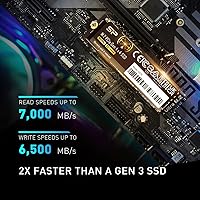
The Silicon Power US75 1TB Gen4 NVMe SSD is a smart pick for PS5 owners who want to expand console storage without paying a premium for a drive that bundles a heatsink they may already have or can buy separately for a few dollars. PC builders working within a budget will appreciate getting genuine Gen4 throughput without climbing to flagship pricing — the performance gap between this drive and top-tier competitors narrows considerably in everyday use. Laptop upgraders coming from a SATA SSD will feel an immediate difference in boot times, app launches, and file transfers, making this one of the more cost-effective upgrades available for aging machines. Content creators who regularly move large video projects or batches of high-resolution photos will find the sustained write speeds practical rather than just impressive on a benchmark chart. The 5-year warranty and solid TBW rating also make it a reasonable long-term investment for anyone who wants reliability without obsessing over enterprise-grade specs.
Not suitable for:

Buyers who need the absolute ceiling of Gen4 performance — think professional video editors working with 8K RAW footage or demanding workstation tasks — will find that the Silicon Power US75 1TB Gen4 NVMe SSD trails purpose-built high-endurance drives from Samsung or WD in sustained workloads and random I/O consistency. PS5 users who want a truly plug-and-play experience should know upfront that no heatsink is included, and Sony recommends one for console installations; you will need to budget for and source that separately. Anyone running a PCIe Gen 3 system will not unlock the full speed potential of this drive, and while it remains backward compatible, the value proposition weakens compared to a well-priced Gen3 alternative. Users who prioritize having a polished first-party software ecosystem — for drive health monitoring, cloning tools, or migration utilities — may find Silicon Power's software support thinner than what brands like Samsung offer. Finally, if 1TB feels tight for your library today, weigh the cost of stepping up to a 2TB model now rather than replacing the drive sooner than expected.
Specifications

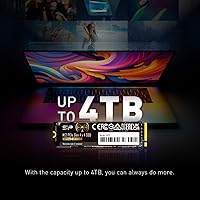
  • Capacity: The drive is available in a 1TB configuration, with the broader US75 family offering 2TB and 4TB options.
  • Interface: Uses a PCIe Gen 4x4 interface, delivering up to four lanes of fourth-generation PCI Express bandwidth.
  • Protocol: Operates on the NVMe 1.4 standard, which reduces command overhead and supports lower latency compared to older NVMe revisions.
  • Form Factor: Follows the M.2 2280 specification, measuring 0.87 x 3.15 x 0.14 inches to fit standard M.2 slots in laptops, desktops, and the PlayStation 5.
  • Sequential Read: Rated for sequential read speeds of up to 7,000 MB/s under ideal conditions.
  • Sequential Write: Rated for sequential write speeds of up to 6,000 MB/s under ideal conditions.
  • Endurance: Carries a Total Bytes Written (TBW) rating of 2,400, indicating the total data volume the drive is warranted to handle over its lifetime.
  • Warranty: Covered by a 5-year limited warranty, subject to whichever limit is reached first: the TBW threshold or the warranty period.
  • Weight: Weighs 0.282 oz, making it essentially weightless in any system it is installed into.
  • PS5 Compatible: Officially compatible with the PlayStation 5 M.2 expansion slot, meeting Sony's minimum speed requirements for console storage expansion.
  • Installation Type: Designed as an internal drive requiring physical installation into an M.2 slot; it is not a plug-and-play external device.
  • PCB Color: Features a green printed circuit board, which is visible in open-frame PC builds or when installed in a console without an opaque heatsink.
  • Heatsink: No heatsink is included in the package; users installing the drive in a PS5 or thermally demanding PC environment will need to source one separately.
  • Brand: Manufactured by SP Silicon Power, a Taiwan-based storage brand with a broad consumer and prosumer product lineup.
  • Model Number: The official model identifier for this 1TB variant is SP01KGBP44US7505.
  • Power Profile: NVMe 1.4 support enables reduced power consumption compared to NVMe 1.3 drives, benefiting battery life in compatible laptops under mixed workloads.

Related Reviews

Silicon Power US75 4TB NVMe M.2 SSD
82%
91%
Sequential Read Speed
88%
Sequential Write Speed
83%
Thermal Management
86%
Value for Money
93%
Capacity & Storage Density
More
Silicon Power US75 2TB NVMe M.2 SSD
77%
88%
Read & Write Speed
91%
Value for Money
86%
PS5 Compatibility
62%
Thermal Performance
93%
Installation Experience
More
Silicon Power XS70 2TB NVMe M.2 SSD
79%
91%
Read/Write Performance
94%
PS5 Compatibility
83%
Heatsink Design
82%
Value for Money
89%
Installation Experience
More
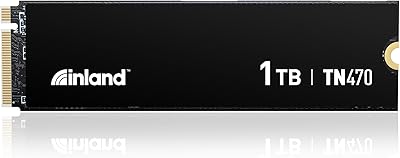
Inland TN470 1TB Gen4 NVMe SSD
87%
92%
Read Speed
88%
Write Speed
65%
Thermal Performance
91%
Value for Money
85%
Installation & Setup
More
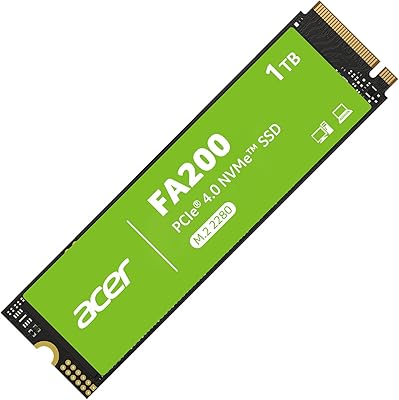
Acer FA200 1TB NVMe SSD
80%
91%
Sequential Read Performance
87%
Sequential Write Performance
84%
Real-World Responsiveness
58%
Thermal Management
93%
Installation Experience
More
Silicon Power 4TB XS70 NVMe SSD
88%
95%
Performance
94%
Speed
88%
Thermals
90%
PS5 Compatibility
87%
Build Quality
More
RAOYI 1TB PCIe 4.0 M.2 NVMe SSD
75%
88%
Value for Money
83%
Sequential Read Speed
61%
Sustained Write Performance
82%
PS5 Compatibility
86%
Installation Experience
More
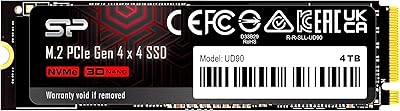
Silicon Power UD90 4TB NVMe SSD
89%
94%
Performance
92%
Speed (Read/Write)
90%
Reliability under Load
91%
Value for Money
88%
Compatibility
More
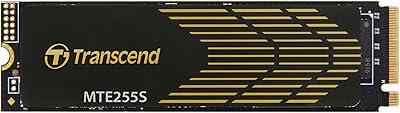
Transcend MTE255S 1TB NVMe SSD
80%
91%
Sequential Read Speed
67%
Sustained Write Performance
94%
PS5 Compatibility
83%
Thermal Management
88%
Value for Money
More
Silicon Power 2TB UD90 Gen4 NVMe SSD
81%
88%
Sequential Read Speed
84%
Sequential Write Speed
93%
Value for Money
61%
Thermal Management
91%
Installation & Compatibility
More

FAQ

The Silicon Power US75 1TB Gen4 NVMe SSD is compatible with the PS5 expansion slot and meets Sony's speed requirements. That said, Sony recommends using a heatsink to manage heat inside the console, and one is not included here. You can pick up a compatible M.2 heatsink for just a few dollars — it is a simple addition and worth doing before you install the drive.

Yes, it will work — M.2 NVMe drives are backward compatible, so the US75 1TB will run in a Gen 3 slot without any issues. The trade-off is that it will operate at Gen 3 speeds rather than its full Gen 4 potential. You will still get solid NVMe performance, but you will not unlock the 7,000 MB/s ceiling the drive is capable of.

For most users, yes. At typical home or office usage rates of around 100 to 200GB of writes per day, a 2400 TBW rating translates to well over a decade of use before hitting the endurance limit. It is a strong figure for this price tier and should not be a concern for gamers, general users, or even moderate content creators.

Installation itself just requires a small Phillips-head screwdriver to secure the drive into the M.2 slot — standard in any PC build or PS5 upgrade. For migrating an existing operating system, Silicon Power's own software tools are fairly limited, so most users reach for a free third-party cloning utility like Macrium Reflect or the one bundled with tools like EaseUS instead.

The Samsung 980 Pro has a stronger reputation for sustained performance and random I/O consistency, and Samsung's Magician software is more polished. In sequential read and write benchmarks, the two drives are competitive. Where the US75 1TB has an edge is price — it typically costs less for similar headline specs. If you need guaranteed peak reliability for professional workloads, Samsung is the safer name. For gaming, general computing, or PS5 storage, the gap in day-to-day experience is small.

Silicon Power's 5-year limited warranty covers manufacturing defects under normal use. If the drive fails before either the 5-year window or the 2400 TBW limit is reached, you can file a warranty claim through Silicon Power's support channels. Keep your proof of purchase handy, as it will be required. The process is fairly standard — you ship the defective unit back and receive a replacement.

Under sustained workloads without active cooling, most Gen4 drives — including this one — can reach temperatures that trigger thermal throttling. For PS5 users, adding a heatsink largely eliminates this concern. In a desktop with reasonable airflow, it is generally not an issue during gaming. Prolonged large file transfers in a confined laptop without good ventilation are the scenario most likely to cause brief throttling.

Absolutely. 1TB is enough to hold a reasonably sized game library alongside a working folder of video projects, though if you work with uncompressed or high-bitrate footage regularly you may find yourself managing space more often than you would like. The write speeds handle large sequential transfers well, which is practical for moving footage on and off the drive.

The US75 series does not currently include a heatsink variant in the box. If you specifically want a drive that comes pre-fitted with one, brands like Seagate with the FireCuda 530 or WD with the Black SN850X offer heatsink-included versions — though at a higher price point. For most users, buying a third-party M.2 heatsink separately is the more economical approach.

It is purely cosmetic. The green color has no effect on performance, thermals, or compatibility. It will only be visible if you have a windowed PC case and the M.2 slot is in an exposed position, or if you install it in a PS5 with a clear heatsink cover. If aesthetics matter for your build, it is worth noting — otherwise it is a non-issue.