
Overview

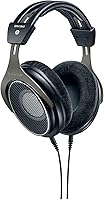
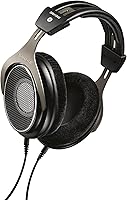
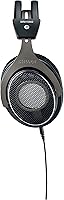
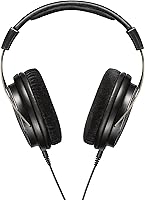
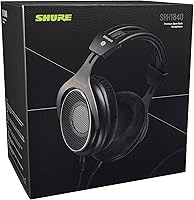
The Shure SRH1840 Open-Back Over-Ear Headphones represent Shure's most serious attempt at a reference-grade listening tool for home studio professionals and dedicated audiophiles. Open-back headphones work by allowing air to pass freely through the ear cups, producing a more natural, spacious soundstage than closed designs — but that also means zero noise isolation and audible sound leakage in both directions. That is a deliberate trade-off, not a flaw. Built with an aluminum alloy yoke and stainless steel grilles, these feel genuinely solid without being heavy. They sit squarely in the same price territory as the Sennheiser HD 600 and Beyerdynamic DT 990 Pro, so the competition is real and worth weighing carefully.

Features & Benefits

What sets the SRH1840 apart from many competitors is the use of individually matched driver pairs. Most headphones pull drivers from a production batch with acceptable tolerances — these go further, pairing left and right drivers measured for consistency, which translates directly to more stable stereo imaging and a centered soundstage. The open-back circumaural design makes the sound feel like it originates around you rather than inside your head, a quality any mixing engineer will immediately appreciate. The vented steel driver frame reduces internal resonance, keeping frequency response honest at any volume. At 65 ohms, plan to pair these with a dedicated headphone amp or audio interface for genuinely best results.

Best For

These open-back studio headphones are purpose-built for the studio chair, not the subway platform. If you are a mastering engineer, a mixing professional, or simply someone who wants to hear recordings with minimal coloration and maximum spatial accuracy, they are a strong fit. Home studio listeners with a quality DAC and headphone amplifier will get the most from them. That said, if you share a workspace, prefer bass-heavy music, or need any degree of passive isolation, this is not the right tool — the open design leaks sound in both directions, which will frustrate coworkers and expose you to ambient noise. Know your listening environment before committing.

User Feedback

With just over 100 ratings and a 4.0 average, the feedback picture for Shure's flagship over-ears is encouraging but not yet deep enough to draw firm conclusions. Those who rate them highly consistently praise the wide, natural soundstage and long-session comfort; most report wearing them for hours without physical fatigue. Where criticism appears, it centers on two areas: the included cable feels underwhelming for a headphone at this price, and listeners sensitive to high frequencies find the upper treble a touch bright in extended sessions. Notably, several lower ratings came from users running these straight from a phone or laptop — a clear reminder that proper amplification is not optional here.

Pros

  • Individually matched driver pairs produce exceptionally accurate stereo imaging that most headphones at this tier cannot match.
  • The open-back soundstage feels genuinely spacious — instruments and vocals have room to breathe rather than sounding piled on top of each other.
  • Lightweight aluminum and stainless steel construction feels premium without adding uncomfortable weight during long sessions.
  • The padded dual-frame headband distributes pressure well, making multi-hour listening sessions physically comfortable for most users.
  • Frequency response is honest and uncolored, which is exactly what mastering and critical listening work demands.
  • The detachable cable is a practical touch — replacement or upgrade is straightforward if the stock cable becomes an issue.
  • At 328 grams, these open-back studio headphones are light enough that you stop noticing them after the first few minutes.
  • Build quality feels durable and consistent with Shure's professional audio reputation across other product lines.

Cons

  • The included cable feels noticeably cheap relative to the overall price point — most serious users will want to replace it.
  • At 65 ohms, these headphones genuinely require a headphone amp; skipping one leaves significant performance on the table.
  • The upper treble can become fatiguing over very long sessions, particularly for listeners sensitive to high-frequency energy.
  • Zero passive noise isolation means any ambient noise in your environment competes directly with your listening.
  • Sound leakage is significant — anyone nearby will hear what you are playing, limiting usable environments considerably.
  • With just over 100 ratings, the user feedback pool is still relatively small for a headphone at this price level.
  • No wireless option exists whatsoever, which is a firm dealbreaker for listeners who have moved away from wired setups.
  • The stock ear pad material, while comfortable initially, has drawn some comments about long-term wear and durability.

Ratings

Our AI rating engine analyzed verified global user reviews for the Shure SRH1840 Open-Back Over-Ear Headphones, actively filtering out incentivized, bot-generated, and outlier feedback to surface what real buyers consistently experience. These scores reflect both the genuine strengths that earn loyalty among studio professionals and the recurring pain points that have tempered enthusiasm in certain buyer segments. Nothing is smoothed over — the ratings below capture the full picture.

Soundstage & Imaging
93%
This is where the SRH1840 earns its reputation. Users working on mix decisions routinely describe the stereo image as unusually wide and precisely placed, with instruments sitting in distinct, stable positions across the field. For mastering work especially, that kind of spatial accuracy is not a luxury — it is the whole point.
A small number of users coming from closed-back or consumer headphones found the open soundstage disorienting at first, describing the sound as distant or disconnected. This is an adjustment period issue rather than a flaw, but it is worth acknowledging for first-time open-back listeners.
Frequency Accuracy
88%
The flat, uncolored tuning is consistently praised by mixing and mastering professionals who need to trust what they are hearing rather than compensating for a headphone's own character. Most users report that mix decisions made on these translate reliably to other playback systems, which is the core test of a reference headphone.
That same flatness is a dealbreaker for listeners who enjoy a more engaging, bass-forward sound signature. Several reviewers noted that certain genres — particularly electronic music and hip-hop — feel dry and underwhelming, which is accurate to the design intent but still a real source of dissatisfaction among casual listeners who bought these expecting a premium consumer experience.
Amplification Dependency
61%
39%
For users who already own a quality headphone amplifier or audio interface, the 65-ohm impedance is a non-issue and the headphones scale noticeably with better upstream equipment. Those running them through a dedicated DAC-amp stack consistently report a fuller, more controlled presentation.
This is one of the most common sources of buyer disappointment. A meaningful portion of negative reviews trace directly to users plugging these into a laptop or smartphone and finding the sound thin and underwhelming. The amplification requirement is real and non-negotiable, and the fact that it is not prominently communicated at point of sale has frustrated buyers who felt misled.
Build Quality
84%
The aluminum alloy yoke and stainless steel grilles give these headphones a structural solidity that most users associate with professional tools rather than consumer electronics. Day-to-day handling feels reassuringly robust, and the hardware shows no meaningful flex or creak even after extended regular use.
Some users noted that the plastic elements used in certain internal joints feel inconsistent with the premium materials used elsewhere on the frame. At this price point, a few buyers expected every component to reflect the same build standard as the yoke and grilles, and that expectation was not fully met.
Long-Session Comfort
81%
19%
The dual-frame padded headband and circumaural ear cups earn consistent praise from users logging four or more hours in a single session. Studio professionals and audiophiles who wear headphones for entire work days report that clamping pressure stays manageable and the weight distribution feels balanced throughout.
Ear warmth is a recurring minor complaint, particularly during summer months or in warm studio environments. A handful of users also noted that the ear pad foam begins to compress perceptibly after six to twelve months of heavy daily use, which affects both comfort and isolation slightly over time.
Treble Character
71%
29%
Many users who listen to acoustic, classical, or jazz material specifically praise the extended high-frequency response as detailed and resolving without sounding artificially boosted. The upper register feels natural and easy to follow in complex arrangements, which is a genuine strength for anyone evaluating orchestral or acoustic recordings.
Treble fatigue is a real and recurring theme in longer listening sessions, particularly for users sensitive to upper-frequency energy. Several reviewers described the highs as becoming uncomfortable during two-plus-hour sessions, which is a meaningful concern given that the headphone is specifically marketed for extended critical listening work.
Bass Response
74%
26%
Bass reproduction is described by most professional users as accurate, well-defined, and free from the bloat or boom that makes consumer headphones unreliable for mixing. Sub-bass extends cleanly enough that low-end decisions in a mix translate predictably to other systems, which is exactly the behavior a mastering engineer needs.
Casual listeners and bass-music fans consistently find the low end underwhelming by consumer standards. Those accustomed to V-shaped or bass-boosted tuning often describe the SRH1840 as sounding hollow or thin in the low frequencies, even when properly amplified — a direct consequence of the honest reference tuning.
Cable Quality
48%
52%
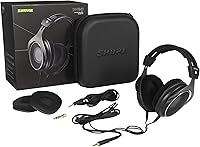
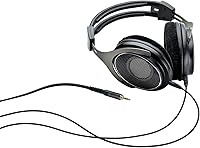
The cable is detachable, which is genuinely useful and means users are not stuck with the stock option forever. The 2.1-meter length is practical for desktop and studio setups, and the included quarter-inch adapter removes the need for a separate purchase when connecting to professional equipment.
The stock cable is the most consistently criticized component across all reviews, and by a wide margin. Users describe it as feeling flimsy, prone to tangling, and noticeably out of place on a headphone at this price tier. Most experienced buyers replace it immediately, which should not be necessary at this cost level.
Driver Matching Precision
91%
Professional users who have used side-by-side comparisons with unmatched headphones specifically call out the stereo balance as unusually stable and consistent. The individually matched pairs produce a center image that stays locked without any perceptible channel imbalance, even during detailed critical listening at varying volumes.
For casual listeners, the audible benefit of driver matching is subtle enough that most would not notice it in everyday use. It is a feature that justifies the price premium only if the buyer is genuinely performing stereo-critical work — listeners without that specific use case are effectively paying for a benefit they may never fully utilize.
Noise Isolation
12%
88%
There is nothing positive to say about isolation here — and that is entirely by design. The open-back architecture is the correct choice for the intended use case, and users who understand this rate the headphone accordingly. For a quiet home studio, the absence of isolation is not a problem.
For anyone who expected even minimal passive isolation, the experience is genuinely jarring. Ambient noise passes through freely in both directions, and several buyers who purchased these for hybrid home-and-travel use were significantly disappointed. This is a fundamental architectural property, not something firmware or pad changes can address.
Value for Money
76%
24%
Among professional users and dedicated audiophiles who pair these with appropriate amplification, the value proposition is considered strong — the matched drivers, build quality, and soundstage accuracy deliver measurable performance that justifies the investment for studio work. Shure's track record in professional audio also adds confidence in long-term reliability.
For buyers who purchased without a compatible amp or who expected a consumer-friendly listening experience, the value perception collapses quickly. The competing Sennheiser HD 600 and Beyerdynamic DT 990 Pro are frequently cited as offering comparable or more engaging performance at lower or similar price points, making the value case less clear-cut than it appears at first.
Portability
29%
71%
At 328 grams, these open-back studio headphones are not especially heavy within the over-ear category, and the detachable cable reduces bulk slightly during transport. Users who move them between a home studio desk and a dedicated listening chair find the weight entirely manageable.
There is no folding mechanism, no carry case included, and the open-back design means using these in any public or semi-public setting is genuinely impractical. These are desk-bound headphones by nature, and anyone anticipating any degree of mobile use will find them a poor fit on almost every dimension.
Ease of Setup
67%
33%
Physically, setup is simple — the cable attaches securely, the adapter is included, and the headband adjustment is intuitive enough that most users find their preferred fit within a few minutes. For experienced audio enthusiasts, getting these running is not a barrier at all.
The hidden complexity is the amplification requirement, which transforms what looks like a plug-and-play purchase into a potentially significant additional investment. Users without an existing amp or audio interface face an immediate follow-up purchase, and the onboarding experience is far less straightforward than the hardware alone suggests.
Ear Pad Quality
69%
31%
Initial comfort from the ear pads is broadly praised, with most users describing them as soft and well-shaped for extended wear. The circumaural fit means the pads sit around rather than on the ear, which reduces the pressure hotspots that plague some competing designs in long sessions.
Long-term durability of the ear pad material is a moderate concern, with several users noting visible wear, slight flattening, and surface degradation after twelve to eighteen months of regular use. While replacement pads are available, the stock pads degrading at a pace that feels premature for a headphone at this tier is a fair criticism.

Suitable for:

The Shure SRH1840 Open-Back Over-Ear Headphones are genuinely built for one kind of listener: someone who sits down in a dedicated listening space, plugs into proper amplification, and wants to hear audio as accurately as a headphone can render it. Mastering engineers will appreciate the matched driver pairs and low coloration, which make it easier to catch subtle frequency imbalances in a mix. Mixing professionals working in home studios benefit from the wide, natural soundstage that helps with stereo placement decisions. Audiophiles who have already invested in a quality DAC and headphone amp will find these a natural fit — the SRH1840 rewards a good upstream signal chain rather than hiding its limitations behind bass bloat or artificial warmth. If your listening sessions routinely run two to four hours and comfort matters as much as accuracy, these are a strong candidate.

Not suitable for:

The Shure SRH1840 Open-Back Over-Ear Headphones are a poor match for anyone expecting a versatile, all-environment headphone. The open-back design leaks sound in both directions — people near you will hear your music clearly, and ambient noise will bleed into your listening experience — making shared offices, commutes, and public spaces genuinely impractical settings for these. Listeners who primarily enjoy bass-heavy genres like EDM, hip-hop, or pop will likely find the flat, reference-tuned sound dry and unsatisfying compared to consumer-tuned alternatives. Running these straight from a smartphone or laptop without a dedicated amp produces noticeably thin, underpowered sound, which has frustrated buyers who skipped that step. Anyone who needs wireless freedom, active noise cancellation, or water resistance for outdoor use should look elsewhere entirely.

Specifications

  • Driver Size: Each ear cup houses a 40mm neodymium dynamic driver, a size well-suited for full-range frequency reproduction in over-ear headphones.
  • Driver Matching: Left and right drivers are individually measured and matched at the factory to ensure consistent stereo balance and imaging accuracy between channels.
  • Impedance: Nominal impedance is 65 ohms at 1 kHz, which requires a dedicated headphone amplifier or audio interface to reach optimal output levels.
  • Design Type: Open-back, circumaural (around-ear) construction allows air to pass freely through the ear cups, producing a natural soundstage at the cost of any passive noise isolation.
  • Weight: The headphones weigh 328 grams (approximately 11.6 oz) without the cable attached, keeping fatigue manageable during extended sessions.
  • Headband: A dual-frame padded headband is fully adjustable and distributes clamping force evenly across the top of the head.
  • Yoke Material: The headband yoke is constructed from aircraft-grade aluminum alloy, providing structural rigidity without adding unnecessary weight.
  • Grille Material: Stainless steel grilles cover each driver housing, protecting the open-back drivers while maintaining airflow and acoustic transparency.
  • Cable Length: The included detachable cable measures 2.1 meters (approximately 6.9 feet), providing adequate reach for desktop and studio listening setups.
  • Connector Type: The cable terminates in a 3.5mm jack, and a threaded quarter-inch adapter is included for use with professional audio equipment and amplifiers.
  • Cable Design: The cable is detachable from the headphone, allowing for easy replacement or upgrade without any specialized tools.
  • Connectivity: These headphones are strictly wired; no Bluetooth, wireless protocol, or active noise cancellation technology is present in any form.
  • Noise Control: No passive or active noise isolation is provided, which is an inherent characteristic of the open-back design rather than an omission.
  • Water Resistance: The SRH1840 carries no water or moisture resistance rating and should be kept away from humidity, rain, and perspiration.
  • Intended Use: Designed specifically for professional mastering, critical listening, and high-fidelity audio monitoring in controlled studio or home listening environments.
  • Compatibility: Compatible with professional audio equipment, headphone amplifiers, DACs, and audio interfaces; not optimized for direct use with smartphones or laptops.
  • Driver Frame: Drivers are mounted in a steel frame with a vented center pole piece to reduce internal resonance and improve linearity across listening volumes.
  • Ear Placement: Circumaural over-ear placement fully surrounds the ear rather than resting on it, which improves comfort and contributes to the open soundstage character.

Related Reviews
Nothing Ear (Open) Open-Ear Earbuds
79%
91%
Wearing Comfort
83%
Workout Stability
74%
Sound Quality
77%
Call Quality
49%
Sound Leakage
More
Audio-Technica ATH-R50X
76%
91%
Sound Quality
88%
Soundstage & Imaging
86%
Comfort & Wearability
67%
Build Quality
83%
Cable & Connectivity
More
Monster AC100 Open-Ear Bluetooth Headphones
76%
88%
Battery Life
79%
Comfort & Fit
67%
Sound Quality
83%
Bluetooth Stability
71%
Call Quality
More
UGREEN 45785 Open Ear Wireless Headphones
79%
91%
Wearing Comfort
83%
Fit & Stability
74%
Sound Quality
89%
Battery Life
69%
Microphone & Call Quality
More
OJW Open Ear Wireless Sport Headphones
80%
93%
Battery Innovation
88%
Wearing Comfort
86%
Waterproofing
84%
Workout Stability
74%
Audio Clarity
More
EMEET AirFlow Open-Ear Wireless Headphones
75%
93%
Wearing Comfort
81%
Call Clarity & Microphone Performance
89%
Battery Life
67%
Sound Quality for Music
52%
Noise Isolation (Listening Side)
More
SANSUI W93 Open-Ear Wireless Earbuds
78%
91%
Wearing Comfort
88%
Stability During Exercise
67%
Sound Quality
94%
Situational Awareness
86%
Battery Life
More
OpenRock S2 Open-Ear Wireless Sports Earbuds
80%
92%
Wearing Comfort
83%
Fit Stability
78%
Audio Quality
89%
Battery Performance
76%
Call Quality
More
Jzones CT11 Open Ear Headphones
79%
88%
Wearing Comfort
91%
Battery Life
67%
Sound Quality
93%
Situational Awareness
79%
Secure Fit During Activity
More
TOZO OpenReal Open-Ear Headphones
78%
88%
Wearing Comfort
84%
Battery Performance
67%
Sound Quality
93%
Situational Awareness
74%
Call Quality
More

FAQ

It is genuinely not overkill in this case. At 65 ohms, the SRH1840 draws more power than most smartphones and laptops can cleanly deliver. Running them from an underpowered source results in thin, flat sound that does not represent what these headphones are actually capable of. A modest dedicated DAC and amp combination makes a noticeable, immediate difference.

Yes, quite clearly. Open-back headphones allow sound to pass freely in both directions, so anyone sitting near you will hear your audio at a lower volume. This also means ambient room noise bleeds into your listening. They are designed for quiet, private spaces — not shared offices, libraries, or public transport.

Both are respected reference-grade open-back headphones in a similar price range, and the comparison is legitimate. The HD 600 tends to be described as slightly warmer and more forgiving, while the SRH1840 leans toward a flatter, more analytical presentation. Neither is objectively better — the right choice depends on whether you prefer a slightly more neutral or slightly more musical tuning for your critical listening work.

Shure does offer replacement ear pads for the SRH1840 as separate accessories. Given that ear pad foam and fabric do compress and degrade with regular use over a few years, this is worth factoring into long-term ownership. It also means the headphones can have a longer useful life than models with non-replaceable pads.

The cable is detachable, which is a practical feature at this price point. The stock cable is the most commonly criticized part of these headphones, so many users do swap it for a third-party option. Just ensure any replacement cable uses the correct locking connector format compatible with Shure's proprietary locking 3.5mm connector on the headphone end.

Most users report that yes, they hold up well over extended sessions. The dual-frame padded headband does a reasonable job of distributing weight, and at 328 grams they are not particularly heavy. Some listeners do note mild ear warmth after a couple of hours, which is common with over-ear designs generally rather than specific to these.

They can work for gaming and film, and the wide soundstage actually helps with spatial audio in games. That said, the flat tuning and lack of bass emphasis means they are not the most exciting choice for casual entertainment use. Competitive gamers who need precise positional audio cues may find the soundstage genuinely useful, though.

The biggest difference most people notice immediately is that the sound no longer feels like it is coming from inside your head. Open-back headphones present a wider, more natural image where instruments feel like they are positioned around you rather than between your ears. The trade-off is that this effect only works in a quiet room — background noise competes with the music and partially collapses that sense of space.

They can be, but the learning curve is real. Open-back headphones with a flat reference tuning sound quite different from the consumer headphones most people start with, and the first reaction from new listeners is sometimes that the bass feels light or the sound is distant. If you are coming from bass-heavy headphones, give yourself a week of adjusted listening before forming a firm opinion. Pair them with an amp from day one.

For routine maintenance, wipe down the ear pads and headband with a slightly damp, lint-free cloth and allow them to air dry fully. Avoid any liquid near the open drivers — moisture ingress is a real risk given there is no water resistance. Store them in a case or on a headphone stand away from dust when not in use, and inspect the cable connection points periodically for any signs of wear.