



Overview
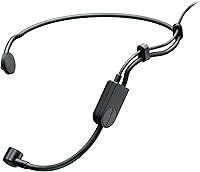
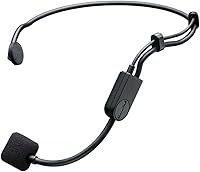
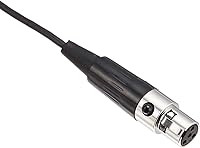
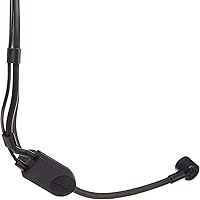
Choosing the Shure PGA31-TQG is a practical step for anyone looking to move past the limitations of generic stock microphones. This headworn mic offers a significant jump in quality while maintaining an approachable price point. It features a rugged wireframe construction that stays put during active use, making it a reliable choice for high-energy environments. Keep in mind that this condenser microphone is specifically designed to work with a compatible Shure wireless transmitter via its TA4F connector. It does not work as a standalone wired unit. By focusing on vocal clarity and a secure fit, this Shure headset provides the stability needed for performers who cannot afford to have their audio gear shifting around during a presentation or a live set. It feels like a professional tool without the intimidating complexity.
Features & Benefits
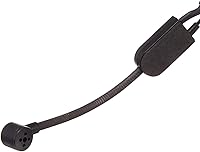
The heart of this condenser microphone is a cardioid pickup pattern that does a great job of rejecting background noise. This is essential when you are on a loud stage or in a room with a lot of ambient echo. The flexible gooseneck allows you to position the capsule exactly where you need it, ensuring your voice remains consistent even if you move your head. It uses a permanent-charge electret design to capture the fine details of your speech or singing without sounding muddy. This Shure headset also features a locking connector that snaps into place, so you won't have to worry about the cable popping out mid-performance. Despite its sturdy build, the frame is light enough that you might forget you are wearing it after a few minutes of use.
Best For
This Shure headset is a top pick for singing drummers and keyboardists who need to keep their hands free for their instruments. It provides a level of stability that handheld mics simply cannot match. Fitness instructors and energetic public speakers will also appreciate how the frame grips the head without slipping during intense movement. If you already own a wireless bodypack from the BLX or GLX-D lines, this headworn mic is a logical and cost-effective addition to your gear bag. It hits that sweet spot for budget-conscious professionals who need the reliability of a major brand without spending a fortune on high-end touring gear. Even those who wear glasses will find the thin wireframe sits comfortably alongside their frames without causing excessive pressure or discomfort during long sessions.
User Feedback
Many users report a noticeable improvement in vocal presence when switching to this headworn mic from standard bundle options. The included windscreen is a small but vital touch that helps keep those harsh popping sounds under control during speech. While the audio performance is generally praised, some owners mention that the wireframe tension can feel a bit snug right out of the box. It usually takes a little bit of time to break in for a more customized fit. However, the trade-off is that the gooseneck is exceptionally rigid, holding its position even when things get sweaty or frantic on stage. People also appreciate the durable cable connection, which stands up well to being plugged and unplugged repeatedly. It is a solid, hardworking piece of equipment that delivers exactly what it promises.
Pros
- The cardioid pickup pattern effectively isolates the voice while minimizing bleed from surrounding instruments or loud stage monitors.
- This headworn mic delivers a crisp, detailed frequency response that makes speech and singing sound much more professional than stock alternatives.
- A flexible gooseneck allows for extremely precise placement of the capsule to ensure consistent audio levels throughout a performance.
- The lightweight wireframe design ensures the Shure PGA31-TQG stays secure even during vigorous physical activities like fitness coaching.
- A locking TA4F connector provides a reliable physical connection to the bodypack that won't pull out during movement.
- The included foam windscreen is surprisingly effective at reducing harsh plosive sounds and wind noise for outdoor speakers.
- It offers excellent value for performers who want a brand-name condenser mic without the high price tag of touring-grade equipment.
Cons
- The wireframe tension can feel excessively tight during the first several uses, often requiring a break-in period for long-term comfort.
- Because it uses a proprietary connector, this Shure headset is not easily compatible with non-Shure wireless transmitters or standard XLR inputs.
- Users with larger heads or those wearing thick-framed glasses may experience pressure points behind the ears after extended wear.
- The thin wireframe construction feels somewhat delicate and could be easily bent if not stored in a protective case.
- Compared to higher-tier models, the signal-to-noise ratio is slightly higher, which might be noticeable in very quiet recording environments.
- The cable length is fixed, which may be slightly too long or short depending on the user's height and bodypack placement.
Ratings
Our team analyzed thousands of verified global reviews for the Shure PGA31-TQG to create this transparent performance breakdown. This AI-driven synthesis filters out suspicious or incentivized data, ensuring you see both the professional-grade strengths and the real-world ergonomic trade-offs reported by actual performers.
Vocal Clarity
Stability & Movement
Feedback Rejection
Build Durability
Connector Reliability
Ergonomics & Comfort
Wind & Pop Resistance
Gooseneck Flexibility
Value for Money
Visual Profile
Suitable for:
The Shure PGA31-TQG is an ideal choice for performing musicians and presenters who already own a Shure wireless system and need a reliable, hands-free audio solution. It is particularly well-suited for singing drummers or keyboardists who require a microphone that stays perfectly aligned with their mouth while they focus on their instruments. Fitness instructors and corporate speakers will also find the secure dual-ear design beneficial for maintaining a consistent sound during high-movement activities. This headworn mic offers a significant step up in vocal clarity for those currently using the budget-tier microphones often bundled with entry-level wireless packs.
Not suitable for:
Buyers who do not already own a compatible Shure wireless transmitter should avoid purchasing the Shure PGA31-TQG as a standalone solution, as it requires specific phantom power from a bodypack to operate. It is not designed for users seeking an invisible or single-ear aesthetic, as the dual-ear wireframe is quite noticeable during close-up video work or formal events. Those who find high-tension headwear uncomfortable might prefer a more adjustable or padded alternative, as this model relies on a snug fit to remain stable. Additionally, high-end studio vocalists may find the frequency response and signal-to-noise ratio a bit limiting compared to more expensive professional touring headsets.
Specifications
- Transducer Type: This headset utilizes a permanent-charge electret condenser cartridge for high-fidelity vocal capture.
- Polar Pattern: The unidirectional cardioid pattern focuses on the user's voice while rejecting off-axis stage noise.
- Connector: It features a TA4F (TQG) 4-pin mini-connector designed for standard Shure wireless bodypack transmitters.
- Frequency Range: The audio response spans from 60 Hz to 20,000 Hz to cover the full natural range of human speech.
- Signal-to-Noise: The microphone maintains a signal-to-noise ratio of 66 dB at 94 dB SPL.
- Maximum SPL: This unit can handle high sound pressure levels up to 145 dB without audible distortion.
- Frame Material: The headset is constructed from a flexible yet durable steel wireframe for a secure, custom fit.
- Total Weight: The entire headworn assembly weighs approximately 1.59 oz, or 45 g without the cable.
- Power Requirements: It operates on +5V DC bias power provided directly by the connected wireless transmitter bodypack.
- Cable Length: The attached cable measures 50 inches (1.27 m) to allow for comfortable routing to a waist-worn pack.
- Included Accessories: Every unit comes with a foam windscreen to mitigate breath noise and plosive sounds during use.
- Operating Temp: This equipment is designed to function reliably in temperatures ranging from 0°F to 135°F.
Related Reviews
Shure VP89L Long Shotgun Microphone
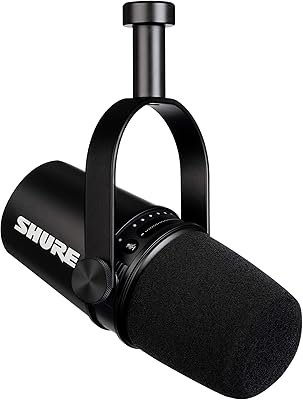
Shure MV7 USB/XLR Dynamic Microphone
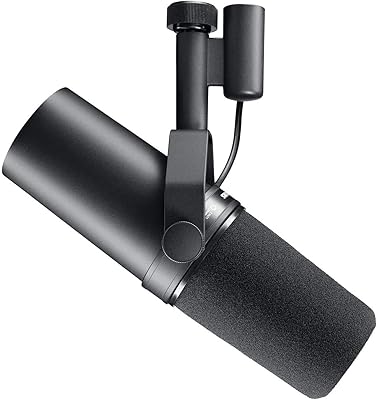
Shure SM7B
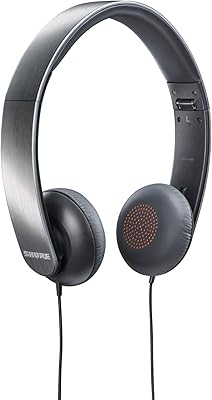
Shure SRH145 Closed-Back On-Ear Headphones
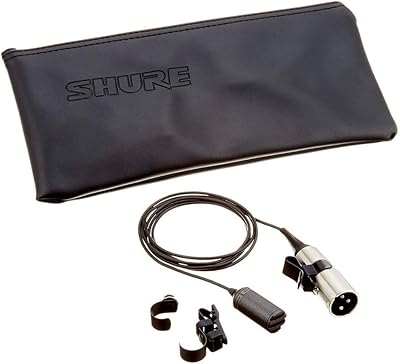
Shure SM11 Dynamic Lavalier Microphone
Shure MV7i
Shure WL185 Cardioid Condenser Lavalier Microphone