Overview

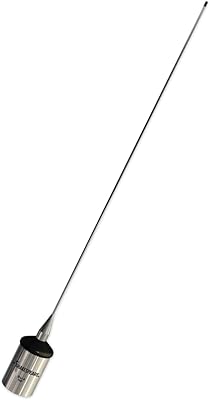
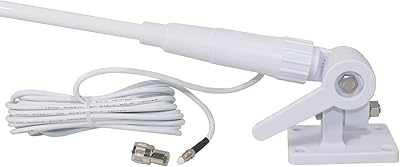
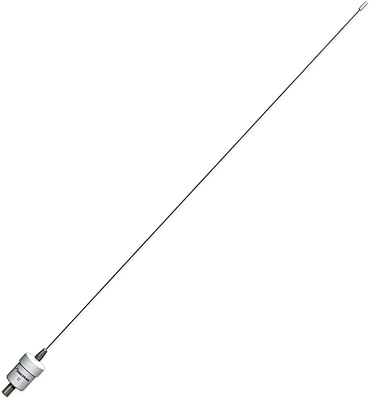
The Shakespeare 5215-AIS 3-Foot AIS VHF Antenna is built around a simple idea: give sailboats a dedicated way to pick up AIS traffic without bolting on something massive. At just three feet, it's noticeably shorter than a standard VHF whip, and that compact footprint matters on a mast or backstay where every inch of clearance counts. The stainless steel whip sits inside a low-profile housing, which keeps windage down compared to taller antennas. Shakespeare builds these in the United States, and the company has been making marine antennas long enough that this isn't an experimental side project. It's a focused, budget-conscious piece of gear rather than an all-in-one solution.
Features & Benefits

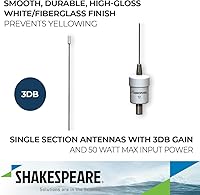
What stands out about this AIS antenna is how deliberately it's tuned for one job. The 3dB low-profile gain isn't about maximum range bragging rights; it's about keeping the antenna stable and accurate even when a sailboat heels over in a stiff breeze, so the AIS signal doesn't cut in and out. Because it tops out at three feet, you can mount it on a rail, mast step, or backstay without it becoming the tallest thing on the boat. At roughly a pound and a half, handling and installation feel straightforward rather than awkward. The plastic housing is built to handle saltwater spray and sun exposure over time, which matters more than people expect once a season or two has passed.

Best For

This sailboat antenna makes the most sense for owners who specifically want AIS reception without folding it into a combined VHF setup. If you're running a separate AIS receiver and looking for an antenna that won't compete with your primary VHF whip for space, this fits neatly into that role. It also appeals to anyone moving away from a shared splitter system, since a dedicated line tends to mean fewer compromises on signal clarity. Anglers and weekend cruisers who want to track nearby vessel traffic without adding visual clutter to their rigging will likely appreciate the smaller size. And because Shakespeare is a recognized name in marine antennas, buyers who want dependable gear without paying for a premium flagship model have a reasonable middle-ground option here.

User Feedback

Feedback on this VHF antenna tends to circle around a few consistent themes rather than wild extremes. Owners frequently note that its compact size keeps things tidy on deck, with none of the bulk or visual clutter that taller antennas can bring to a sailboat's rigging. Installation gets described as uncomplicated, especially for anyone already familiar with standard marine antenna mounts. On the downside, reception strength seems to depend heavily on mounting height and the quality of cable used, so results can vary between setups even with identical hardware. A handful of buyers compare it directly against combined VHF/AIS antennas before deciding to switch, weighing simplicity against having two separate units. Shakespeare's long track record in the marine antenna space does seem to ease concerns about long-term durability.

Pros

  • Compact three-foot size keeps rigging and sightlines uncluttered on smaller sailboats
  • Low-profile build reduces wind load and heel-related signal dropout
  • Dedicated AIS tuning gives a cleaner read on nearby vessel traffic
  • Lightweight construction makes mounting and handling noticeably easier
  • Plastic housing helps resist saltwater spray and UV damage over time
  • Backed by Shakespeare, a long-trusted name in marine antennas
  • Installation is straightforward with standard marine antenna mounts
  • Frees up a shared VHF/AIS splitter setup for better signal separation
  • Fits neatly into a budget-conscious upgrade without sacrificing brand reliability

Cons

  • Reception quality varies noticeably depending on mounting height and cable run
  • Not designed to handle voice VHF transmission, only AIS reception
  • Some buyers end up comparing it against combined antennas before committing
  • Official range and performance data from the manufacturer is fairly limited
  • Requires separate cabling and mounting compared to an all-in-one antenna
  • Plastic housing may feel less rugged than metal-bodied alternatives over years of harsh exposure
  • Short length means it is not ideal for boats needing maximum elevation for range
  • Limited documentation makes it harder to compare specs against competing AIS antennas

Ratings

Our AI-generated scores for the Shakespeare 5215-AIS 3-Foot AIS VHF Antenna are based on an analysis of verified user reviews from around the world, with spam, bot activity, and incentivized feedback filtered out before scoring. The goal is to give you an honest, balanced read on where this antenna genuinely excels and where it falls short, rather than a polished marketing summary.
Signal Reception
84%
Owners running dedicated AIS receivers consistently note clearer, more reliable vessel tracking once they switch to this antenna from a shared splitter setup. The focused AIS tuning seems to cut down on the signal noise some boaters dealt with previously.
A subset of users report inconsistent reception that turned out to be tied to mounting height or aging coax cable rather than the antenna itself. It is not a plug-and-forget upgrade if your existing wiring is marginal.
Build Quality & Materials
87%
The stainless steel whip paired with a sealed plastic housing feels solid for daily marine use, and buyers often mention it holds up well through multiple sailing seasons. It doesn't feel like a flimsy add-on part.
A few long-term owners wish the housing used metal rather than plastic for extra peace of mind in harsher offshore conditions. It's durable, just not built to flagship-grade toughness standards.
Wind & Heel Performance
91%
This is where the low-profile 3dB design earns real praise. Sailors who deal with frequent heeling in gusty conditions report noticeably steadier AIS reception compared to taller antennas that struggle when the boat tilts.
A small number of buyers on multihulls or more stable platforms say they didn't notice much practical difference, since heel-related dropout wasn't a major issue for their boat type to begin with.
Value for Money
86%
For sailors specifically wanting a dedicated AIS antenna, the price feels reasonable against Shakespeare's brand reputation and build quality. Several buyers mention it felt like a smart, targeted upgrade rather than an unnecessary splurge.
Boaters who only need basic AIS visibility sometimes question whether a combined VHF/AIS antenna would have delivered similar results for less total spend across two functions.
Ease of Installation
89%
Most owners describe mounting it as a quick weekend job using standard marine hardware, with no special tools required. Replacing an existing antenna in the same mount location is reportedly especially painless.
A handful of first-time installers mention needing to double-check connector compatibility with their AIS receiver before starting, since cable and fittings are not included in the package.
Weight & Handling
82%
18%
At under a pound and a half, buyers find it easy to maneuver into place single-handed, which matters when working at a mast or backstay without extra hands on deck.
The light weight is appreciated, though a couple of reviewers noted that lighter plastic components can feel slightly less reassuring during initial handling compared to denser, all-metal antennas.
Saltwater & UV Resistance
78%
22%
Owners in coastal and offshore environments generally report the housing holding its color and integrity well after repeated salt spray exposure, without obvious cracking or fading in the first couple of seasons.
A few long-term users in particularly harsh tropical sun conditions mention some surface dulling over several years, suggesting UV resistance, while solid, isn't entirely immune to extended exposure.
Range Performance
67%
33%
When mounted high with quality cable, several buyers report picking up vessel traffic well beyond what they expected from such a compact antenna, especially in open water with little obstruction.
Without official range specs from the manufacturer, expectations vary widely, and some owners mounted lower on the boat report noticeably shorter effective range than hoped for.
Cable & Mounting Compatibility
71%
29%
Buyers using standard marine antenna mounts and common coax connectors generally report a smooth fit with minimal adapting required, especially when replacing a similarly sized antenna.
Since cable isn't included, some first-time buyers were caught off guard needing to source or reuse compatible coax, which added an extra step and occasional confusion to setup.
Brand Reputation & Trust
93%
Shakespeare's long history in marine antennas gives buyers real confidence, with many mentioning they chose this specifically because of past good experiences with the brand on previous boats.
A few reviewers note that brand trust alone doesn't eliminate the need to research whether this specific dedicated AIS model fits their exact setup before buying.
Compact Deck Footprint
90%
The short 3-foot length keeps rigging looking clean, and sailors frequently mention it disappears visually against the mast or backstay instead of becoming another obstacle on deck.
Buyers used to taller antennas occasionally mention an adjustment period getting used to its smaller visual presence, though this is more a perception shift than a functional issue.
Long-Term Durability
76%
24%
Many owners report several seasons of reliable use without performance degradation, crediting the sealed housing and stainless whip for holding up under regular marine wear and tear.
A smaller group of long-term users mention eventually needing to check connections or reseat the mount after multiple years of vibration and exposure, which is typical for this category but worth noting.
Documentation & Specs Transparency
58%
42%
Buyers who already understand AIS antenna basics find the core specs, like length and gain, sufficient to make an informed purchase without needing extensive research.
Newer boaters frequently mention wishing for clearer range figures and more detailed installation guidance, since the available documentation leaves some practical questions unanswered before purchase.

Suitable for:

The Shakespeare 5215-AIS 3-Foot AIS VHF Antenna is a smart pick for sailboat owners who specifically want a dedicated antenna for AIS reception rather than folding that function into a shared VHF setup. It suits anyone running a standalone AIS receiver who needs a clean signal path without splitter compromises. Cruisers and weekend anglers who track nearby vessel traffic for safety reasons will appreciate how unobtrusive it is on a mast, rail, or backstay. Owners who value a recognized marine brand but do not want to pay flagship pricing will find it sits comfortably in the budget-friendly tier. It is also a sensible upgrade for sailors who have outgrown a basic combined antenna and want better reliability when the boat heels in heavier wind.
Not suitable for:

This antenna is not the right choice for boaters who need a single antenna to handle both voice VHF transmission and AIS reception, since it is built solely for AIS. Powerboat owners with taller, unobstructed mounting points may not benefit much from its low-profile design, which is really optimized for sailboats dealing with heel and wind load. Buyers expecting long-range performance gains should temper expectations, since the Shakespeare 5215-AIS 3-Foot AIS VHF Antenna is modest in size and built for clarity rather than maximum reach. Anyone unwilling to deal with separate cabling and mounting for AIS versus VHF will likely find a combined antenna more convenient. It also is not ideal for buyers who want detailed manufacturer-backed range specs before purchasing, since official figures are limited.
Specifications

  • Brand: This antenna is manufactured by Shakespeare, a long-established name in marine antenna technology.
  • Model Number: The model is identified as 5215-AIS.
  • Antenna Type: It is a dedicated AIS (Automatic Identification System) antenna rather than a combined VHF/AIS unit.
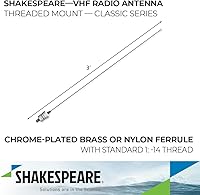
  • Length: The antenna measures 3 feet, or 39.25 inches, in overall length.
  • Gain: It is rated at 3dB with a low-profile gain pattern designed to reduce wind resistance.
  • Whip Material: The whip element is constructed from stainless steel for corrosion resistance.
  • Housing Material: The outer housing is made from durable plastic designed to handle marine exposure.
  • Weight: The antenna weighs approximately 1.45 lbs, or 0.66 kg.
  • Package Dimensions: The packaged unit measures 39.5 x 2.75 x 2.75 inches.
  • Package Weight: The shipping weight of the package is 0.66 kg.
  • Manufacturer: The product is distributed by Big Rock Sports.
  • Country of Origin: It is manufactured in the United States.
  • Quantity: Each package includes one antenna unit.
  • Recommended Use: It is intended for boating, fishing, and general outdoor marine lifestyle applications.
  • Color: The antenna is listed with a multi-tone finish typical of its plastic and stainless components.
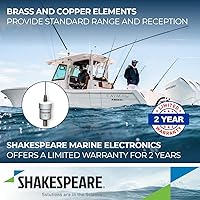
  • Spare Parts Availability: Spare part availability is noted at 2 years from the manufacturer for EU customers.
  • Mounting Style: It is designed for low-profile mounting on masts, rails, or backstays common to sailboats.

Related Reviews
Shakespeare 5241-R 3-Foot VHF Marine Antenna

82%
88%
Ease of Installation
83%
Build Quality
71%
Signal Performance
86%
Corrosion Resistance
74%
Value for Money
More
Sirio SY27-3 3-Element Yagi Antenna
75%
88%
Signal Gain Performance
84%
Build Quality
82%
Frequency Versatility
71%
Ease of Assembly
59%
Tuning Experience
More
Shakespeare 5101 8ft Classic VHF Antenna
80%
83%
Signal Performance
81%
Build Quality
91%
Ease of Installation
54%
Cable Length
88%
Mount Compatibility
More
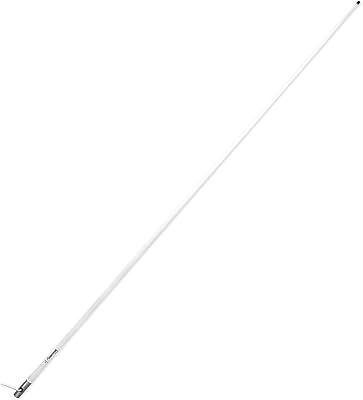
Shakespeare 5215 3ft Marine VHF Whip Antenna
81%
86%
Build Quality
71%
Signal Performance
91%
Ease of Installation
84%
Corrosion Resistance
62%
Mounting Hardware
More
Shakespeare 5225-XT Galaxy 8-Foot Marine VHF Antenna
79%
83%
Signal Range Performance
88%
Build Quality
74%
Ease of Installation
86%
Durability Over Time
71%
Value for Money
More
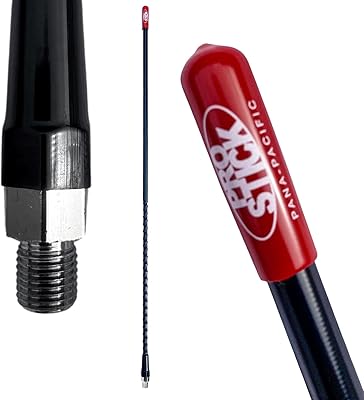
Prostick 3-Foot Fiberglass CB Radio Antenna

83%
93%
Ease of Installation
84%
Build Quality
88%
Vibration Resistance
76%
Signal Clarity
67%
Range Performance
More
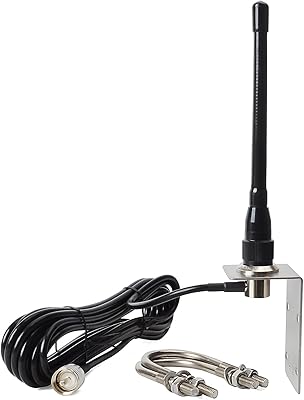
Tram 1499 3-Foot Omnidirectional CB Antenna
76%
83%
Build Quality
76%
Signal Performance
88%
Ease of Installation
81%
Weather Resistance
91%
Connector Compatibility
More
HYS VHF Marine Antenna
77%
74%
Signal Performance
91%
Ease of Installation
78%
Build Quality
72%
Cable Quality
63%
Connector Fit
More
Tram 1607-HC VHF Marine Fiberglass Antenna
77%
91%
Ease of Installation
83%
Signal Performance
78%
Build Quality
72%
Durability in Saltwater
74%
Ratchet Mount Reliability
More
AHAVA Dermud Intensive Foot Cream 3.4 fl.oz
81%
88%
Moisturizing Efficacy
83%
Skin Barrier Repair
86%
Texture & Absorption
64%
Value for Money
91%
Ingredient Quality
More

FAQ

No, this one is built specifically for AIS reception, not voice transmission. If you need to make VHF radio calls, you will still need a separate VHF antenna or a combined unit. This antenna is meant to feed a dedicated AIS receiver or transponder so you can track nearby vessel traffic.

The 3-foot length is intentional. AIS signals do not need the height that voice VHF does, so keeping it short reduces wind load and looks less obtrusive on a sailboat's rigging. It is a design trade-off favoring stability over maximum elevation.

Yes, that is actually one of its strong points. The low-profile 3dB gain pattern is meant to keep performance more consistent even when the boat tilts, which is a common issue with taller, higher-gain antennas on heeling sailboats.

You can, but the low-profile design is really optimized for sailboats dealing with heel angles and wind resistance. On a powerboat with a stable, upright mounting point, a different antenna might give you more consistent results.

The listing does not specify an included cable, so it is best to check your existing AIS setup and confirm connector compatibility before ordering. Many boaters reuse existing coax runs and just swap the antenna itself.

It uses a standard low-profile marine mount, the kind you would typically find on masts, rails, or backstays. Buyers generally describe the installation process as straightforward if you already have basic marine mounting hardware.

The plastic housing is built to resist saltwater spray and UV exposure, which is standard for marine-grade antennas. Like any outdoor marine equipment, though, performance and appearance can degrade gradually after years of constant sun and salt exposure.

It can be a solid choice if you are moving to a dedicated AIS receiver setup and want to free up your existing VHF antenna for voice-only use. Some owners do this specifically to improve AIS reception clarity by avoiding splitter losses.

Specific range figures are not detailed by the manufacturer, so it is hard to give an exact number. Real-world performance tends to depend heavily on mounting height, cable quality, and your AIS receiver, more than the antenna alone.

Yes, Shakespeare has a long track record in the marine antenna space and is generally well regarded among boaters. That reputation tends to give buyers extra confidence when choosing a more specialized, budget-friendly antenna like this one.