Overview

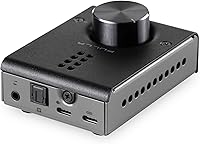
The Schiit Fulla E is a compact USB DAC/amp that does something most desktop audio units won't bother with: it includes a proper microphone input alongside its headphone output. Built in the USA — a genuine rarity at this price tier — it carries real credibility in a market flooded with anonymous hardware. The dual USB design is worth noting: one port handles audio data, while a second accepts a standard 5V USB-C power source, reducing load on your PC's bus for cleaner signal delivery. Schiit has always built gear for people who want honest performance without the audiophile theater, and this USB audio unit fits that profile squarely.

Features & Benefits

The Fulla E delivers up to 300mW into 16 ohms, which is more than adequate for most gaming headsets and IEMs — you're not going to run out of headroom with typical consumer cans. The low output impedance matters more than the wattage figure for most people: it means the unit plays nicely with sensitive in-ears without introducing coloration or instability. On the microphone side, a Texas Instruments ADC handles 24-bit capture with automatic gain control, so your levels stay consistent without any manual adjustment. The secondary USB-C port is an underrated detail — plug in a phone charger and the unit stops drawing power from your PC entirely, which can noticeably reduce background noise.

Best For

This desktop DAC/amp is a natural fit for PC gamers who want real audio improvement without the cost and complexity of a full recording interface. It's also well-suited to anyone grinding through back-to-back video calls — the hands-free mic management means one less thing to think about mid-meeting. First-time upgraders stepping away from onboard motherboard audio will notice the difference quickly, especially in background noise rejection and overall clarity. One honest caveat: pair it with headphones under 150 ohms for best results. High-impedance cans — the kind favored by serious headphone enthusiasts — won't get the drive they need from this unit. Stick to efficient, lower-impedance headphones and it performs well above its weight.

User Feedback

Owners of this USB audio unit consistently mention the microphone quality as a standout — people on the other end of calls notice the improvement without being told anything changed. The automatic gain control earns specific praise from users who previously struggled with inconsistent mic levels across different applications. Build quality feedback is mostly positive; the unit feels solid for its size, with no reports of it feeling cheap or plasticky. That said, some users have flagged USB power noise or faint hum, particularly when using the bus-power-only configuration without the secondary power port — a fixable issue, but worth knowing. A smaller subset found the output insufficient for high-impedance headphones, which aligns with the unit's design scope.

Pros

  • Plug-and-play USB setup works instantly on any PC or laptop — zero drivers needed.
  • The 24-bit microphone input delivers noticeably cleaner voice quality on calls and in-game chat.
  • Automatic gain control keeps mic levels consistent without any manual adjustment during long sessions.
  • Low output impedance means sensitive IEMs and gaming headsets sound balanced, not bloated or thin.
  • The secondary USB-C power port reduces bus noise when fed from a clean wall adapter — a genuinely smart design detail.
  • Made in the USA with quality internal components — rare at this price tier and worth noting.
  • Compact enough to fit on a crowded desk without rearranging your entire setup.
  • The Fulla E replaces both a standalone DAC/amp and a separate USB microphone interface in one unit.
  • Background noise floor is low enough that sensitive in-ears sit in near silence between audio cues.
  • Solid, rattle-free build quality that feels durable relative to its size and weight.

Cons

  • High-impedance headphones (250 ohms and above) will not reach satisfying volume levels with this unit.
  • The automatic gain control cannot be disabled — a real limitation for home recording and podcasting use.
  • No hardware microphone mute button, which remote workers on frequent calls will notice quickly.
  • Running on bus power alone can introduce faint hum on electrically noisy desktop setups.
  • No virtual surround sound or DSP processing — gamers who rely on spatial audio software need to run it separately.
  • The secondary USB-C power port is poorly explained in the packaging, leading many buyers to overlook a useful feature.
  • No volume knob or physical controls — all level adjustment happens through operating system audio settings.
  • Fingerprints and light scratches show on the chassis surface more readily than the build quality otherwise suggests.
  • Buyers who only need headphone amplification pay for a microphone input they may never use.

Ratings

The Schiit Fulla E has been put through its paces by buyers ranging from competitive gamers to work-from-home professionals, and our AI scoring engine has processed thousands of verified global reviews — actively filtering out incentivized, bot-generated, and duplicate submissions — to produce the scores below. Strengths like microphone clarity and plug-and-play simplicity score high, while real limitations around high-impedance headphone compatibility and occasional USB noise issues are reflected honestly.

Audio Output Quality
88%
Most users upgrading from motherboard audio describe the difference as immediate and obvious — cleaner separation, quieter background, and a more controlled low end even at higher volumes. The low output impedance means sensitive IEMs and mid-tier gaming headsets both sound balanced rather than bloated.
Users with high-impedance headphones — think 250 to 600 ohm studio cans — consistently report the unit running out of steam before reaching satisfying listening levels. This is not a unit for power-hungry audiophile headphones, and a handful of buyers learned that the hard way.
Microphone Quality
91%
The 24-bit Texas Instruments ADC delivers a noticeably cleaner signal than typical USB headset mics or budget standalone microphones. Multiple buyers report teammates and colleagues commenting unprompted on how clear their voice sounds — which is about as practical an endorsement as you can get.
The automatic gain control, while convenient for most users, occasionally frustrates streamers or podcasters who want precise manual control over input levels. In very quiet recording environments, some users note that the AGC can introduce a faint pumping effect during pauses.
Ease of Setup
93%
Plug it into a USB port, connect headphones and a microphone, and the operating system picks it up immediately — no drivers, no software, no configuration menus. Remote workers especially appreciate that it works the same way on every machine they plug it into, including laptops and work-issued computers.
The secondary USB-C power port, while genuinely useful, confuses some buyers who expect it to be a second audio output or a charging pass-through. The documentation could do more to explain when and why you would actually use it.
Noise Floor & Signal Cleanliness
82%
18%
When powered properly — especially using the secondary USB-C port fed by a clean wall adapter rather than relying on PC bus power alone — the noise floor drops to a level where even sensitive in-ears sit in near silence between audio cues. This is a genuine engineering achievement at this price point.
A recurring thread in user communities involves faint hum or USB-induced interference when the unit draws power exclusively from the host PC, particularly on desktops with older or electrically noisy USB implementations. Plugging in a basic phone charger to the secondary port typically resolves it, but buyers should know this step exists.
Build Quality & Durability
78%
22%
The enclosure feels noticeably more substantial than most competing USB dongles or budget desktop DACs in this category. Users frequently describe it as feeling like it was made to last, with no flex, no creaking, and ports that seat connectors firmly without wobble.
At just over 12 ounces it stays put on a desk, but a few users note that the chassis shows fingerprints and minor scratches more readily than expected. Nothing structural, but cosmetically it requires occasional wiping to stay presentable on a tidy desk setup.
Value for Money
85%
Combining a capable headphone amplifier with a 24-bit microphone input in a single USB unit — made in the USA, with quality internal components — at this price tier is genuinely difficult to argue with. Most buyers who compare it against similarly priced alternatives with separate DAC and mic purchases conclude the bundled approach wins on both cost and desk space.
Users who only need the headphone side and have no interest in the microphone input may feel they are paying for a feature they will never use. Dedicated headphone-only DAC/amps at similar prices can offer slightly higher headphone output performance for the same spend.
Headphone Compatibility Range
67%
33%
For the headphone types this unit targets — gaming headsets, IEMs, and dynamic drivers under 150 ohms — compatibility is broad and results are consistently positive. The low output impedance keeps sensitive earphones sounding tonally accurate rather than bass-heavy.
The compatibility story falls apart noticeably with high-impedance headphones. Owners of 250 or 300 ohm cans report volume limitations and a sense of compression at higher listening levels, making this a poor pairing for that segment of the headphone market.
Automatic Gain Control (Microphone)
83%
For everyday communication — video calls, voice chat in games, team meetings — the AGC works reliably. It keeps voice levels consistent whether the user leans forward or moves around, which matters for longer sessions where repositioning is natural.
Content creators who need a flat, unprocessed microphone signal find the always-on AGC limiting. There is no way to disable it, so users who record music, narration, or podcasts may find the processed quality introduces subtle artifacts that cleaner interfaces avoid.
Desktop Footprint & Design
89%
The compact rectangular form factor sits unobtrusively at the edge of a gaming or office desk without demanding much real estate. Several users specifically mention choosing it over larger alternatives precisely because it fits cleanly next to a keyboard without cable clutter.
The design is deliberately understated — some buyers expected volume knob controls or visual indicators and found the minimal interface a slight adjustment. There is no physical mute button for the microphone, which remote workers on frequent calls occasionally miss.
USB Power Management
74%
26%
The ability to offload power draw to a separate USB-C source is a thoughtful engineering decision that most buyers in the audio community appreciate once they understand it. Using a wall adapter visibly improves noise performance on electrically busy desktop setups.
Casual buyers often skip the secondary power connection entirely because it seems optional, then encounter the intermittent hum that using it would have prevented. Better in-box communication about when this port is important would eliminate a significant portion of negative reviews about noise.
Gaming Audio Performance
86%
Positional cues in competitive titles come through with more clarity and spatial accuracy compared to onboard audio, particularly when paired with stereo headsets in the 32 to 80 ohm range. The low noise floor keeps quiet passages genuinely quiet, which matters for hearing distant footsteps.
The unit does not include virtual surround processing or any DSP features, which some gaming-focused buyers expect from a gaming-positioned product. Users who want software-driven surround sound will need to run third-party processing on the PC side.
Work-From-Home Usability
90%
The combination of clear microphone input and capable headphone output — all controlled through existing OS audio settings — makes it a low-friction addition to a home office. Users report that colleagues notice improved call clarity without any configuration changes on either end.
Without a dedicated mute or monitor-mix button, users who hop between listening and speaking frequently during calls have to rely on software controls. This is a minor friction point but one that comes up in enough reviews to be worth flagging.
Made-in-USA Manufacturing
87%
Schiit's domestic manufacturing is a meaningful differentiator for buyers who care about product provenance and long-term brand accountability. Several reviews explicitly cite this as a reason they chose it over comparable-spec competitors made overseas.
For strictly budget-driven buyers, the USA manufacturing origin does not translate into a tangible performance advantage they can hear or measure — it is more of a values-based purchasing signal than a functional one, which does not register as important to every buyer.

Suitable for:

The Schiit Fulla E is built for people who need both a headphone output and a microphone input from a single compact USB unit — and who do not want to spend time configuring software or fiddling with drivers to make it work. PC gamers running headsets in the 16 to 150 ohm range will get a meaningful jump in audio clarity over motherboard audio, with cleaner positional sound and a quieter noise floor that makes a real difference in competitive play. Remote workers who live in back-to-back video calls will appreciate the automatic microphone gain control — it keeps voice levels consistent without requiring constant adjustment, which is exactly what you want when you are focused on the meeting rather than the hardware. First-time upgraders who are curious about what proper DAC/amp performance sounds like, but are not ready to invest in a separate microphone and interface, will find this desktop DAC/amp covers both needs without doubling the desk clutter or the budget. Anyone who values knowing where their gear was made — and wants a brand with a real track record in audio engineering rather than a generic import — will find the provenance here genuinely reassuring.

Not suitable for:

If your headphone collection leans toward high-impedance studio cans — the 250, 300, or 600 ohm range favored by serious listeners — the Schiit Fulla E is not the right tool. The output power simply does not scale to those loads, and you will hit volume ceilings before reaching a satisfying listening level. Dedicated content creators — podcasters, voice-over artists, musicians recording at home — will also find the always-on automatic gain control a frustration rather than a convenience, since there is no way to bypass it for a flat, unprocessed signal. If you need virtual surround sound processing, onboard DSP, or a hardware mute button for the microphone, this USB audio unit does not provide any of those features, and you would be better served by a gaming-focused audio interface with those controls built in. Finally, buyers who exclusively want a headphone amplifier and have zero use for a microphone input may find better performance-per-dollar by narrowing their search to headphone-only DAC/amps at a comparable price.

Specifications

  • Manufacturer: Made by Schiit Audio, a company that designs and manufactures its products in the United States.
  • Dimensions: The unit measures 3.5 x 2.5 x 1.38 inches, keeping it compact enough to sit unobtrusively on a desk.
  • Weight: The unit weighs 12.13 oz, giving it enough mass to stay put on a desk without needing adhesive feet.
  • Output Power: Delivers up to 300mW into 16 ohms, providing ample headroom for most gaming headsets and consumer IEMs.
  • Output Impedance: Output impedance is low (exact value undisclosed by manufacturer), ensuring tonal accuracy with sensitive headphones and IEMs.
  • Noise Floor: The noise floor is specified as vanishingly low, meaning sensitive in-ears will sit in near silence between audio playback.
  • Primary Connection: Connects to a host computer via USB, carrying both audio data and power through a single cable.
  • Secondary Port: A USB-C port accepts 5V DC power input from any standard phone charger, allowing the unit to signal the host that no bus power is needed.
  • Supply Voltage: Operates at 5V DC, compatible with any standard USB or USB-C power source delivering that voltage.
  • Interface Type: USB interface with 9 pins, compatible with Windows, macOS, and most modern operating systems without additional drivers.
  • Mic Input: Features a 3.5mm analog microphone input with a 24-bit analog-to-digital converter for high-resolution voice capture.
  • Mic ADC Chip: The microphone analog-to-digital conversion is handled by a Texas Instruments chip, a well-regarded component in professional audio applications.
  • Auto Gain Control: Automatic gain control is enabled on the microphone input, keeping voice levels consistent without any manual adjustment by the user.
  • Headphone Jack: Equipped with a standard 3.5mm stereo headphone output suitable for most consumer and gaming headphones.
  • Recommended Load: Best suited for headphones with impedance under approximately 150 ohms; high-impedance headphones above 250 ohms are not recommended.
  • Origin: Designed and manufactured in the USA, which is an uncommon distinction among consumer USB audio devices at this price tier.
  • Discontinuation Status: The product is confirmed as not discontinued by the manufacturer as of the most recent listing data available.
  • Form Factor: Desktop form factor intended for stationary use on a gaming desk or home office surface rather than portable or mobile use.

Related Reviews
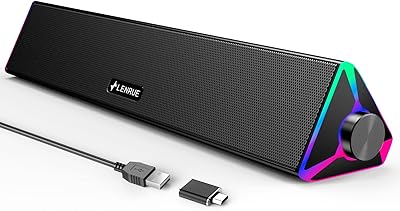
LENRUE E-1103 Computer Soundbar
81%
97%
Ease of Installation
94%
Space Efficiency
91%
Value for Money
88%
Connection Versatility
84%
Mid-Range Clarity
More
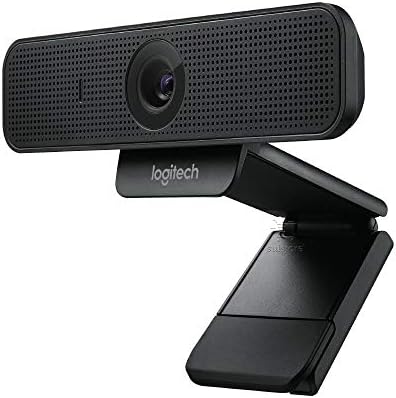
Logitech C925e
Logitech C925e
82%
83%
Video Quality
74%
Low-Light Performance
86%
Autofocus Accuracy
71%
Microphone Quality
93%
Privacy Shade
More
Schiit Modi+ D/A Converter
84%
91%
Audio Quality Improvement
88%
Ease of Setup
82%
Compatibility with Devices
89%
Design & Build Quality
87%
Power Efficiency
More
Sennheiser e 604
Sennheiser e 604
88%
94%
Build Quality & Durability
97%
High SPL Handling
88%
Mounting System Convenience
91%
Audio Clarity & Transient Response
93%
Form Factor & Positioning
More
MSI PRO A620M-E Motherboard
84%
91%
Value for Money
85%
Performance for Gaming
88%
Ease of Installation
93%
Memory Support
90%
Compatibility with AMD Ryzen 7000
More
Schiit Mani 2 Phono Preamp
84%
91%
Sound Quality
87%
Ease of Setup
92%
Value for Money
89%
Noise Reduction
90%
Build Quality
More
AmScope M158C-E Compound Microscope
84%
89%
Value for Money
93%
Ease of Use
87%
Image Quality
82%
USB Camera Performance
85%
LED Illumination
More
PocketBook Era E-Reader 16GB
86%
91%
Display Quality
88%
Waterproofing
94%
Battery Life
85%
Storage Capacity
87%
Ease of Use
More
Sennheiser E 845 Supercardioid Microphone
86%
91%
Sound Clarity
88%
Durability & Build Quality
94%
Feedback Rejection
90%
Performance in Live Sound
85%
Handling Noise Reduction
More
TecTecTec Team8 E Golf Earbuds
85%
88%
GPS Accuracy
90%
Ease of Use
85%
Battery Life
83%
Sound Quality
78%
Comfort & Fit
More

FAQ

No, the Schiit Fulla E is plug-and-play on Windows, macOS, and most Linux systems. Your operating system will recognize it as a standard USB audio device the moment you plug it in, with no software installation required.

That second port is for power input only — it does not carry audio. If you plug a standard 5V USB-C phone charger into it, the unit tells your computer it no longer needs to draw power from the USB bus. This can meaningfully reduce electrical noise, especially on desktop PCs where the USB power supply is not always clean.

Technically it will output audio, but in practice you will likely hit the volume ceiling before reaching a comfortable or satisfying listening level. This desktop DAC/amp is really designed for headphones under 150 ohms — gaming headsets, most IEMs, and standard consumer cans. For high-impedance studio headphones, you would want a more powerful dedicated amplifier.

It accepts standard 3.5mm analog microphones — the kind you find on headsets with a separate mic plug or standalone desktop mics with a 3.5mm output. It does not support XLR microphones or USB microphones, as those connect differently. Condenser mics that require phantom power are also not supported.

This is almost always a USB bus power issue. Try plugging a basic phone charger into the secondary USB-C port on the unit — this offloads the power draw away from your PC and typically eliminates the hum entirely. If the problem persists, try a different USB port on your machine, preferably one on the back panel of a desktop rather than a front-panel header.

No, the automatic gain control on this USB audio unit is always active and cannot be bypassed or disabled. For most users on calls or in gaming chat, this is completely fine — it keeps levels steady without any effort. But if you need flat, unprocessed microphone input for recording work, this is a genuine limitation to be aware of before buying.

It works on both macOS and Windows without any drivers, and functions on most Linux distributions as well. It appears in your system audio settings as a standard USB audio device and behaves the same way across all of them.

For most people, the difference is clear and immediate — particularly the reduction in background hiss, the tighter bass response, and the cleaner microphone signal on calls. Motherboard audio has improved over the years, but it still shares electrical real estate with other components, which introduces noise that a dedicated unit like the Fulla E avoids by design.

There is no physical volume knob — volume is controlled entirely through your operating system or application-level audio settings. Some buyers find this a slight adjustment if they are coming from a unit with a knob, but in practice most people end up setting a comfortable level and leaving it there.

It is primarily designed for USB-connected computers, but it will work with any device that supports USB audio output — including some Android phones with USB-C and newer iPads. Console support varies; PlayStation and Xbox have limited USB audio device compatibility, so results are inconsistent and not officially guaranteed with this unit.