Overview

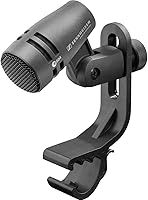
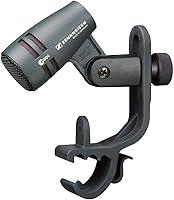
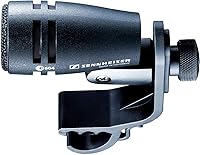
The Sennheiser e 604 stands out as an incredibly reliable option when you need to capture heavy hits on a drum kit. At its core, this instrument microphone is built specifically to handle the intense, sharp transients of snare and tom drums without breaking a sweat. If you are reading any high SPL drum microphones discussion, you will likely see this model mentioned because it simply does not distort under pressure. When miking percussion, finding a balance between physical size and audio quality is often a struggle. This model solves that by offering a punchy clear sound in an extremely small package. It lets you get right up on the drum head without getting in the drummer's way, making it a staple for both touring musicians and local venue sound techs.

Features & Benefits

What really sets the compact dynamic mic apart is its ability to handle sound pressure levels exceeding 160 decibels. For context, a jet engine at takeoff is around 140 decibels, meaning you can place this directly over a relentlessly beaten snare drum and the signal will remain incredibly clear and completely free of clipping. The physical construction is equally impressive, featuring a tough glass casing that easily brushes off accidental, heavy-handed drumstick strikes. Measuring just 2 by 1 by 1 inches, the housing allows for incredibly tight positioning in crowded drum setups. Despite the rugged and tiny footprint, it delivers a balanced, condenser-like signal that captures the natural resonance of the instrument while effectively rejecting unwanted stage bleed and handling noise.

Best For

Live drummers and touring sound engineers will find this percussion mic absolutely essential for capturing rack toms, floor toms, and snares on a busy stage. It ranks highly among the best microphones for tom drums because the low sensitivity to impact noise keeps the mix exceptionally clean, even when the hardware is vibrating intensely. Beyond the drum riser, studio engineers frequently reach for it when tracking loud brass and woodwind instruments like saxophones or trumpets. The unidirectional polar pattern excels at isolating the target instrument from the rest of the room. It is ultimately the perfect tool for any musician or audio technician working in environments where high volume levels and tight physical spaces demand a rugged, low-profile recording solution.

User Feedback

Reviews from working musicians consistently highlight the outstanding durability and reliable performance of this compact dynamic instrument mic. Buyers frequently praise the included clip-on drum mount, noting how it completely eliminates the need for bulky boom stands and allows for lightning-fast stage setups. The audio quality receives high marks for being punchy and mix-ready right out of the box. On the downside, a few studio purists note that while it sounds great on stage, it lacks the ultra-fine high-end detail of a true large-diaphragm condenser for isolated studio tracking. However, the overwhelming consensus is that the convenient mounting system and indestructible build make it a phenomenal, practical investment for anyone who needs to capture aggressive percussion night after night.

Pros

  • The tough glass fiber casing easily survives accidental, aggressive drumstick hits during live shows.
  • It seamlessly handles sound pressure levels over 160 dB without any harsh signal distortion.
  • The Sennheiser e 604 features a highly compact design that fits perfectly into crowded setups.
  • Included rim clips completely eliminate the need to carry and set up bulky boom stands.
  • It delivers a surprisingly punchy, balanced tone that mimics a sensitive studio condenser.
  • The unidirectional cardioid pattern effectively rejects cymbal bleed and isolates the target drum.
  • Internal shock mounting drastically reduces unwanted mechanical vibrations and handling noise from hardware.
  • Its lightweight build makes packing up and transporting multiple units effortless for touring musicians.

Cons

  • The rigid plastic mounting clip struggles to securely attach to unusually thick or custom hoops.
  • It requires significant preamp gain to capture quieter, more nuanced percussion elements effectively.
  • Studio purists often find the high-end frequency response lacks the airy detail of premium condensers.
  • The extremely small form factor can make connecting stiff XLR cables difficult on dark stages.
  • Loud hi-hats placed too close to the snare can still bleed into the pickup pattern.
  • Supplying an entire drum kit with these microphones represents a significant financial investment.
  • Soft included storage pouches offer very little crush protection when packed under heavy metal hardware.

Ratings

Our AI-generated ratings for the Sennheiser e 604 reflect thousands of verified, global buyer reviews, strictly filtering out spam and incentivized feedback to give you the real story. We transparently break down both the standout strengths and the legitimate pain points this compact dynamic mic presents in real-world gigging and studio scenarios.

Build Quality & Durability
94%
Gigging drummers constantly rave about the rugged glass fiber housing that effortlessly survives direct, aggressive stick hits night after night. It provides immense peace of mind during chaotic live performances where equipment inevitably takes a serious beating.
While the casing is nearly indestructible, some users note that the protective grille can dent slightly if dropped from a significant height directly onto concrete. A few long-term owners mentioned the paint finish can scuff over years of heavy touring.
High SPL Handling
97%
The ability to process sound pressure levels exceeding 160 decibels is the most universally praised feature among audio engineers. You can confidently place it millimeters away from a notoriously loud snare without encountering any harsh, unwanted signal clipping.
Because it is optimized for extremely loud sources, it requires a healthy amount of preamp gain when trying to capture quieter, more nuanced percussion elements. It is definitively not the right tool for delicate, low-volume acoustic performances.
Mounting System Convenience
88%
The included rim clip completely eliminates the need for bulky boom stands, saving incredible amounts of space on cramped stages. Sound techs love how quickly they can snap the unit onto a tom or snare rim during frantic set changes.
The rigid plastic clip can struggle to securely attach to unusually thick or custom-cast drum hoops. Several drummers reported having to purchase aftermarket mounts because the stock hardware simply would not grip their specific vintage drum kits.
Audio Clarity & Transient Response
91%
Reviewers frequently highlight the punchy, mix-ready tone that mimics the balanced detail of a much more sensitive studio condenser. It captures the initial attack of the drum beautifully, ensuring the percussion easily cuts through a dense live rock mix.
Studio purists sometimes criticize the high-end frequency response as lacking the ultra-fine, airy detail found in premium large-diaphragm condensers. It prioritizes capturing aggressive midrange impact over capturing the subtle, shimmering nuances of a jazz drummer brushing the snare.
Form Factor & Positioning
93%
The incredibly small two-inch footprint allows for exceptionally tight placement in complex, multi-piece drum setups without interfering with the musician playing space. Drummers deeply appreciate that the low-profile design stays completely out of the way of their swinging cymbals.
The miniature size can make it slightly fiddly to connect stiff, heavy-duty XLR cables when the stage is extremely dark. If the clip is positioned awkwardly, the compact body leaves very little room to maneuver the cable connector.
Handling Noise Suppression
82%
18%
The internal shock-mounting system does a remarkable job of rejecting the mechanical vibrations traveling through the drum hardware. This isolation ensures that physical impacts on the drum shell do not translate into low-frequency rumbling in the main audio mix.
If the attached XLR cable is not properly secured and repeatedly taps against the drum rim, that specific vibration can occasionally transfer into the capsule. It requires careful cable management to achieve perfectly clean isolation on heavily vibrating surfaces.
Value for Money
86%
Buyers consistently feel they are getting professional-tier audio quality and tank-like durability for a highly accessible price tag. Many gigging musicians consider it an essential, long-term investment that outlasts cheaper alternatives by several years of hard touring.
While the unit itself is reasonably priced, purchasing a full set of three or four for an entire kit represents a significant financial commitment for amateur hobbyists. Some users wish a discounted multi-pack was more readily available for budget-conscious buyers.
Brass & Woodwind Performance
78%
22%
Live horn players appreciate how easily the compact body can be positioned near the bell of a saxophone or trumpet. It confidently handles the intense bursts of air and extreme volume peaks associated with aggressive brass group performances.
When used in an isolated recording studio environment, some horn players find the tone slightly too aggressive and lacking in natural warmth. It often requires specific equalization tweaks to soften the high-midrange frequencies on particularly bright trumpets.
Off-Axis Rejection
84%
The tight unidirectional cardioid polar pattern excels at focusing strictly on the target drum while ignoring the adjacent cymbals. This excellent isolation makes the front-of-house engineer job much easier when trying to balance a loud, chaotic live stage.
The rejection is not quite as surgical as a true hypercardioid pattern, meaning exceptionally loud hi-hats placed too close to the snare will still bleed into the signal. Careful physical placement is still absolutely required to minimize cymbal wash.
Portability & Storage
89%
Storing and transporting these units is incredibly effortless due to their lightweight glass fiber construction and tiny overall dimensions. The included protective pouches easily slip into the tightest pockets of a stick bag or heavy hardware case.
Because they are so incredibly small and lightweight, they are notoriously easy to misplace or accidentally leave behind on a dark stage after a late-night gig. The soft pouches offer minimal crush protection if packed under heavy metal stands.

Suitable for:

The Sennheiser e 604 is an outstanding choice for gigging drummers and live sound engineers who need a rugged, reliable way to mic toms and snares. Because it handles extreme sound pressure levels over 160 decibels without distorting, it is perfectly suited for heavy hitters and aggressive musical styles. Its compact two-inch design and included rim clip make it incredibly easy to position on cramped drum kits without getting in the way of a drummer's swinging sticks. Additionally, live horn players and studio engineers recording loud brass or woodwind instruments will appreciate its ability to isolate the sound source while rejecting unwanted stage bleed. Ultimately, anyone needing a low-profile, virtually indestructible microphone for loud transients will find this a worthwhile investment.

Not suitable for:

While highly capable for loud percussion, the Sennheiser e 604 is not the right tool for capturing delicate, low-volume acoustic performances. Studio purists looking to record the subtle, shimmering nuances of a jazz drum kit or gentle acoustic guitar will likely find its high-end frequency response lacking compared to a large-diaphragm condenser. It requires a healthy amount of preamp gain, making it less ideal for quiet sources or spoken word applications. Furthermore, drummers using vintage kits with unusually thick or custom-cast hoops might struggle with the included plastic mounting clip, forcing them to buy aftermarket hardware. If your primary goal is capturing ultra-fine, airy details in an isolated studio environment, this specific dynamic mic will probably fall short of your needs.

Specifications

  • Microphone Type: It is a dynamic instrument microphone designed specifically for high sound pressure applications.
  • Polar Pattern: The capsule utilizes a cardioid unidirectional pattern for optimal off-axis noise rejection.
  • Frequency Response: This unit reliably captures audio frequencies ranging up to 18 KHz.
  • Maximum SPL: It effortlessly handles extreme sound pressure levels exceeding 160 decibels without distortion.
  • Body Material: The outer shell is constructed from heavily reinforced, impact-resistant glass fiber.
  • Connectivity: It connects to audio interfaces and mixing consoles using a standard wired XLR connector.
  • Item Weight: The physical microphone weighs an incredibly lightweight 1.92 ounces.
  • Dimensions: Its overall housing measures a highly compact 2 by 1 by 1 inches.
  • Signal-to-Noise: The internal electronics feature a signal-to-noise ratio of 25 dB.
  • Included Accessories: Every purchase includes a dedicated drum rim clip and a soft protective storage pouch.
  • Intended Application: It is primarily optimized for miking live drum sets, percussion, brass, and woodwind instruments.
  • Power Requirements: The internal circuitry operates completely passively without requiring any external phantom power.
  • Mounting Interface: Users can attach it directly to standard drum hoops via the included plastic rim clip.

Related Reviews
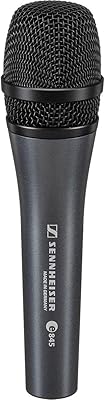
Sennheiser E 845 Supercardioid Microphone
86%
91%
Sound Clarity
88%
Durability & Build Quality
94%
Feedback Rejection
90%
Performance in Live Sound
85%
Handling Noise Reduction
More
Sennheiser e 835
Sennheiser e 835
88%
94%
Build Quality
89%
Vocal Clarity
91%
Feedback Rejection
86%
Handling Noise Suppression
93%
Value for Money
More
Sennheiser e 935
Sennheiser e 935
86%
94%
Build Quality
92%
Vocal Presence
89%
Feedback Resistance
87%
Handling Noise Suppression
83%
Value for Money
More
Sennheiser e 609 Silver
87%
96%
Guitar Cabinet Performance
98%
Ease of Placement
93%
Build Durability
89%
Feedback Rejection
41%
Vocal Versatility
More
Sennheiser e 945
Sennheiser e 945
87%
94%
Build Quality
92%
Feedback Rejection
89%
Vocal Clarity
86%
Handling Noise
78%
Off-Axis Rejection
More
Sennheiser HD 560S
Sennheiser HD 560S
74%
93%
Sound Accuracy
91%
Soundstage & Imaging
88%
Comfort & Fit
63%
Build Quality
71%
Amplifier Dependency
More
LENRUE E-1103 Computer Soundbar
81%
97%
Ease of Installation
94%
Space Efficiency
91%
Value for Money
88%
Connection Versatility
84%
Mid-Range Clarity
More
Sennheiser e906
Sennheiser e906
88%
96%
Build Durability
94%
Guitar Amp Performance
88%
Tonal Versatility
91%
Off-Axis Rejection
84%
Snare & Percussion Clarity
More
Sennheiser HD 650
Sennheiser HD 650
84%
96%
Sound Clarity
88%
Bass Response
94%
Midrange Accuracy
91%
Treble Detail
89%
Comfort
More
Sennheiser MKE 200
Sennheiser MKE 200
82%
88%
Audio Clarity
81%
Background Noise Rejection
79%
Wind Noise Handling
63%
Build Quality & Durability
94%
Ease of Setup & Use
More

FAQ

No, it does not require phantom power. Because it is a passive dynamic microphone, you can plug it straight into any standard mixer or audio interface using an XLR cable and start playing immediately.

The included rim clip works flawlessly on most modern, standard drum hoops. However, if your kit has unusually thick or custom wood hoops, you might find the plastic clamp a bit too rigid to attach securely. In those cases, you may need to purchase an aftermarket mount.

While technically possible, it is definitely not recommended for capturing lead vocals. It is specifically voiced to handle aggressive, high-impact transients like snare drum hits, so vocal recordings will likely sound muddy and lack top-end clarity.

It handles them exceptionally well thanks to its rugged glass fiber housing. Drummers frequently smack the casing by accident during chaotic live sets, and it routinely survives without any internal damage or noticeable dents.

You do not need a bulky boom stand if you use the provided drum clip. The clip snaps directly onto the rim of your snare or tom, allowing you to position the capsule exactly where you need it while saving valuable stage space.

It is not the best choice for delicate acoustic instruments. Its high SPL rating means it needs a very loud sound source to shine, and it generally lacks the high-frequency sensitivity required to capture the subtle, airy details of an acoustic guitar.

A 160 decibel rating means the internal capsule will not distort even when placed millimeters away from an incredibly loud sound source. Snare drums produce massive, sudden volume spikes, and this incredibly high threshold ensures your audio signal remains perfectly clean and punchy.

Absolutely. Live horn players, especially saxophonists and trumpeters, love using it because it handles the intense blasts of air and high volume peaks without breaking a sweat. Its tight unidirectional polar pattern also helps effectively isolate the horn from the rest of the loud stage.

No, it does not include an XLR cable in the standard retail package. You will receive the microphone unit, the rim clip, and a soft storage pouch, so you must provide your own balanced cables for connectivity.

You can easily wipe down the glass fiber casing with a slightly damp microfiber cloth to remove sweat and stage dust. Just be extremely careful not to let any liquid moisture seep directly into the protective metal grille to avoid damaging the sensitive internal capsule.