Overview

The Saramonic SR-XM1 Compact Condenser Microphone has been quietly holding its ground in the entry-level camera mic space since 2017, and its sustained #74 ranking in Professional Video Microphones tells you something real. This isn't a mic chasing hype — it's a no-fuss audio upgrade aimed at solo creators and videographers who need better sound without a steep learning curve. Plug it into your camera's 3.5mm input and you're recording. No drivers, no batteries, no setup ritual. That said, expectations matter: this compact on-camera mic is a solid first step above built-in audio, not a replacement for a proper studio condenser.
Features & Benefits

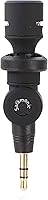
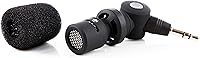
One thing worth clarifying upfront: despite some confusing language in the product listing, the SR-XM1 is omnidirectional — it picks up sound from all directions, not just in front. That's a deliberate design choice, not a flaw, and it works well when recording in controlled spaces. The built-in swivel mount gives you flexible camera placement, rotating 360 degrees in the TRS input and positioning 180 degrees, so you can angle the mic precisely. An integrated shock mount keeps handling rumble and autofocus motor noise out of your recordings. At 21 grams with a 75 dB signal-to-noise ratio and a foam windscreen included, it punches well above its modest price for everyday shooting.

Best For

This little Saramonic mic is an obvious fit for beginner videographers and solo YouTube creators who just want better audio without complicating their workflow. Travel shooters will appreciate how pocketable it is — at under an ounce, it barely registers in a camera bag. It also works as a compact input mic for Saramonic wireless transmitter rigs like the UWMIC9 or UWMIC10, which is a genuine practical bonus. Podcasters and streamers recording in quiet rooms will get good mileage here too. One honest caveat: if you're shooting in noisy, reverberant spaces, omnidirectional pickup will expose every echo in the room.

User Feedback

With a 4.1-star average across over 1,100 ratings, this compact on-camera mic has clearly won over a lot of buyers. The most common compliment is the immediate improvement over built-in camera audio — people notice the difference right away. Build quality gets praised too, particularly the solid metal connector on an otherwise plastic body. Buyers shooting in untreated rooms are often caught off guard by how much ambient noise the omnidirectional pattern pulls in. Smartphone users also hit a snag: the TRS connector requires a TRRS adapter for phones, and that detail isn't made clear at purchase. A vocal minority expected directional pickup and felt misled by the listing's contradictory wording.

Pros

  • Immediate, noticeable improvement over built-in camera audio right out of the box.
  • Truly plug-and-play — no batteries, no drivers, no configuration required.
  • Weighs just 21 grams, making it one of the lightest on-camera mics available.
  • Built-in shock mount effectively reduces autofocus motor noise and handling rumble.
  • The swivel mount offers flexible 180-degree positioning and full 360-degree rotation.
  • Compatible with a wide range of DSLRs, mirrorless cameras, camcorders, and Saramonic wireless transmitters.
  • Foam windscreen is included in the box — a small but practical addition at this price tier.
  • Solid metal connector feels durable and inspires more confidence than the plastic body suggests.
  • 75 dB signal-to-noise ratio keeps background hiss noticeably lower than most built-in mics.
  • Has maintained a top-100 bestseller ranking in its category since 2017, which reflects real staying power.

Cons

  • Omnidirectional pickup pulls in room noise, echo, and ambient sound from all directions.
  • Not compatible with smartphone headphone jacks without a separate TRS-to-TRRS adapter.
  • The plastic body feels lightweight in a way that can read as fragile to cautious buyers.
  • Product listing contains contradictory language about the polar pattern, which regularly misleads buyers before purchase.
  • No carrying case or storage pouch included — easy to lose in a gear bag.
  • Mono recording only, with no stereo capture capability for wider soundscapes.
  • Omnidirectional design makes it poorly suited to noisy or outdoor shooting environments.
  • Audio quality, while an upgrade over built-in mics, does not approach mid-range dedicated shotgun microphones.

Ratings

The scores below reflect an AI-driven analysis of verified global buyer reviews for the Saramonic SR-XM1 Compact Condenser Microphone, with spam, bot-generated feedback, and incentivized reviews actively filtered out to ensure accuracy. Each category score is calibrated to real-world user experiences — not manufacturer claims — so both the genuine strengths and recurring frustrations are represented transparently. Whether this compact on-camera mic earns a spot in your kit depends heavily on your shooting environment and expectations, and these ratings are designed to help you make that call clearly.

Audio Quality
73%
27%
For creators upgrading from a built-in camera mic, the improvement is immediately audible — voices sound fuller, background hiss is reduced, and dialogue sits more clearly in the mix. The 75 dB signal-to-noise ratio genuinely holds up for indoor talking-head videos and controlled studio setups.
Push it into untreated rooms or anything approaching a professional production standard and the limitations show quickly. Omnidirectional pickup captures reflections and room tone that a directional mic would largely reject, and the overall fidelity ceiling is modest compared to even mid-range shotgun microphones.
Ease of Use
94%
Plug it into your camera's 3.5mm input and you are recording — there is genuinely nothing else to do. No drivers, no app pairing, no phantom power box, no battery compartment. Creators who have wasted time troubleshooting audio gear on location particularly appreciate how friction-free the SR-XM1 is in daily use.
The only real usability snag comes when someone tries to use it with a smartphone, where the TRS-to-TRRS compatibility issue surfaces immediately. A surprising number of buyers discover this only after unboxing, which creates unnecessary frustration that a clearer product listing could easily prevent.
Build Quality
71%
29%
The metal 3.5mm TRS connector feels reassuringly solid and has held up well for buyers who have been using this little Saramonic mic for years across regular shoots and travel. The connector is the part that takes the most physical stress, and Saramonic got that detail right.
The plastic body is lightweight in a way that can feel insubstantial in hand, and there is no protective case or pouch included. Buyers who toss gear into camera bags without much ceremony have reported minor cosmetic wear, and the housing does not inspire confidence if dropped on a hard surface.
Value for Money
91%
At this price point, the SR-XM1 consistently overdelivers on the core promise — better audio than your camera's built-in mic, right now, with zero setup. For a beginner videographer or casual vlogger, that is an entirely reasonable trade for what amounts to the cost of a lunch.
The value equation shifts if your use case demands directional pickup or smartphone compatibility out of the box, since you would need to add an adapter or switch to a different mic entirely. Buyers who discover the omnidirectional limitation after purchase often feel the money was misspent, even if the mic itself performed as designed.
Portability
96%
At 21 grams and smaller than a thumb drive, this compact on-camera mic is genuinely one of the most packable audio upgrades available for camera shooters. Travel vloggers and run-and-gun creators regularly cite its near-invisible footprint as a deciding factor in choosing it over bulkier alternatives.
The lack of any included storage solution — even a basic drawstring pouch — means the mic rattles loose in bags and is easy to misplace. For something this small, a simple protective sleeve would be a low-cost addition that would meaningfully improve the ownership experience.
Compatibility
67%
33%
Across DSLRs, mirrorless cameras, camcorders, field recorders, and Saramonic's own wireless transmitter systems, the SR-XM1 plugs in and works without issue. Users in the Saramonic ecosystem — particularly those running UWMIC9 or UWMIC10 wireless rigs — find it integrates cleanly as a compact input capsule.
Smartphone users are caught off guard by the TRS versus TRRS connector mismatch, which requires a separate adapter that is not included. The product listing does not make this limitation obvious, and it is one of the most common sources of negative reviews from buyers who assumed plug-and-play meant universal compatibility.
Polar Pattern Suitability
58%
42%
In controlled indoor environments — home studios, quiet offices, or treated recording spaces — the omnidirectional pattern captures a natural, even sound that works well for solo presenters and interview-style setups where the subject stays close to the mic.
The omnidirectional design is a genuine liability anywhere outside a quiet room, and a significant portion of negative reviews trace directly back to this. Buyers expecting a mic that isolates their voice in a busy cafe, outdoor setting, or reverberant space are routinely disappointed, and the confusing product listing language around directionality makes this worse.
Shock Mount Performance
79%
21%
The integrated shock mount does a credible job of isolating the capsule from autofocus motor vibration and light handling noise, which is a meaningful practical benefit for run-and-gun shooters using cameras with noisy AF systems. Most users who tested it against a rigidly mounted mic noticed a clear reduction in mechanical rumble.
It is not a floating suspension system and will not eliminate heavy handling noise or vibration from aggressive camera movement. Shooters doing handheld action footage or working with particularly loud in-body stabilization systems may still hear some mechanical intrusion in their recordings.
Wind Noise Rejection
52%
48%
The included foam windscreen handles very light indoor air conditioning drafts and mild breezes without much trouble, which covers the majority of the controlled indoor scenarios this mic is actually designed for. It is a useful accessory to have bundled in the box at any price.
Beyond gentle indoor airflow, the foam windscreen offers limited real-world protection, and the omnidirectional pattern compounds the problem outdoors by picking up wind noise from every direction simultaneously. Creators who shoot outside regularly will need a proper deadcat windscreen or a fundamentally different microphone.
Setup & Learning Curve
93%
There is essentially no learning curve — connect it, set your camera's audio input to the microphone level, and record. Beginners who have never used an external mic before consistently report that the SR-XM1 was the first piece of audio gear they ever felt comfortable using immediately.
The only conceptual hurdle is understanding the omnidirectional polar pattern, and many buyers skip that step entirely because the product listing does not explain it clearly. This leads to mismatched expectations rather than any actual usability problem with the mic itself.
Swivel Mount Flexibility
82%
18%
The 360-degree rotation within the TRS input combined with 180-degree swivel positioning gives creators a practical range of mic placement options without any additional mounting hardware. It is a well-thought-out mechanical feature that adds genuine utility for users with unusual camera configurations.
The swivel action can feel slightly loose on some units, and a few buyers have noted that the mic shifts position during active handheld shooting. It is not a universal complaint, but it suggests some unit-to-unit variation in the tightness of the swivel mechanism.
Noise Floor
74%
26%
For a mic at this price, the noise floor is impressively low during quiet indoor recordings. Creators who previously dealt with the audible hiss of built-in camera mics report that dialogue tracks from the SR-XM1 require far less noise reduction in post-production.
In less-than-ideal recording conditions — air conditioning, computer fan noise, street noise bleeding through windows — the omnidirectional pickup makes the noise floor feel higher in practice than the specs suggest. The mic captures everything, and that includes everything you did not want.
Long-Term Reliability
77%
23%
A meaningful number of buyers have been using this little Saramonic mic since 2017 and 2018 without hardware failure, which speaks well of the connector and capsule durability for the kind of regular light-duty shooting it is designed for.
The plastic housing shows cosmetic wear over time, and a handful of long-term users have reported intermittent connection issues developing after extended use, likely from the connector being repeatedly plugged and unplugged. It is not a systemic failure pattern, but it surfaces often enough to note.

Suitable for:

The Saramonic SR-XM1 Compact Condenser Microphone is a genuinely smart pick for any creator who wants a meaningful audio upgrade without committing to a complex or expensive rig. It's particularly well-matched to beginner and intermediate YouTubers, vloggers, and TikTok creators who shoot in reasonably quiet indoor spaces and just need something better than their camera's built-in mic — which, on most DSLRs and mirrorless bodies, is a low bar to clear. Travel content creators will appreciate the near-weightless form factor; at 21 grams it's the kind of mic you forget is in your bag until you need it. Wireless rig users working with Saramonic transmitter systems like the UWMIC9 or UWMIC10 will find this compact on-camera mic slots in naturally as a compact input source. If your workflow is plug-in-and-go and your recording environment is relatively controlled, this little Saramonic mic will reliably do its job without drama.

Not suitable for:

The Saramonic SR-XM1 Compact Condenser Microphone is not the right tool for creators who need directional, focused audio pickup — and this is where a lot of buyer frustration originates. Its omnidirectional polar pattern means it hears everything around it with equal enthusiasm, which is fine in a treated room but becomes a real liability in reverberant spaces, busy cafes, or outdoor environments with unpredictable ambient noise. Interviewers, documentary shooters, or anyone recording dialogue in less-than-ideal acoustic conditions should look at a cardioid shotgun mic instead. Smartphone videographers should also be cautious: the 3.5mm TRS connector is not directly compatible with phone headphone jacks, which use a TRRS standard, meaning you will need an adapter that may or may not be easy to source. And if you are coming from a professional audio background or already own a mid-range shotgun mic, the SR-XM1 will likely feel like a step down in both directionality and overall fidelity.
Specifications

  • Brand: Manufactured by Saramonic, a brand specializing in audio equipment for video production and content creation.
  • Model: The model designation is SR-XM1, a compact on-camera condenser microphone first made available in January 2017.
  • Polar Pattern: Omnidirectional polar pattern captures audio evenly from all directions around the microphone capsule.
  • Connector: Uses a 3.5mm TRS connector, compatible with cameras, camcorders, mixers, and wireless transmitters that have a standard 3.5mm mic input.
  • Frequency Response: Captures audio frequencies up to 18 kHz, covering the full range of human speech and most ambient sound sources.
  • Signal-to-Noise Ratio: Rated at 75 dB signal-to-noise ratio, which produces noticeably cleaner audio than typical built-in camera microphones.
  • Dimensions: Measures 2.8 x 0.6 x 0.5 inches (approximately 71 x 15 x 13 mm), making it one of the most compact on-camera mics available.
  • Weight: Weighs just 21 grams (0.741 oz), light enough to have no meaningful impact on camera balance or handling.
  • Power Source: Powered entirely by plug-in power supplied through the camera or device input — no batteries or external power source required.
  • Channels: Records in mono with a single audio channel, standard for on-camera microphones in this category.
  • Swivel Mount: Built-in swivel mount provides 180-degree physical positioning and 360-degree rotation within the 3.5mm TRS input socket.
  • Shock Mount: Integrated shock mount is built directly into the mic body to reduce handling vibration and autofocus motor noise during recording.
  • Windscreen: Includes one foam windscreen in the box, designed to attenuate light wind noise in mild outdoor conditions.
  • Body Material: The microphone housing is constructed from lightweight plastic, with a more durable metal-finished 3.5mm TRS connector.
  • Compatible Devices: Compatible with DSLR cameras, mirrorless cameras, camcorders, audio mixers, field recorders, and Saramonic wireless transmitter systems including the UWMIC9, UWMIC10, and UWMIC15.
  • In the Box: Package includes the SR-XM1 microphone unit, one foam windscreen, and one warranty card.
  • Voltage: Operates at 0.5 volts, drawing minimal power from the connected device via plug-in power.
  • Hardware Platform: Designed for use with camera-based hardware platforms; not natively compatible with smartphones without a TRS-to-TRRS adapter.

Related Reviews
Saramonic SR-WM4C
Saramonic SR-WM4C
68%
88%
Ease of Setup
67%
Audio Quality
61%
Wireless Range
54%
Build Quality
79%
Value for Money
More
Rode M5 Matched Pair
88%
92%
Build Quality
94%
Stereo Imaging
91%
Acoustic Guitar Performance
96%
Value for Money
98%
Warranty and Longevity
More
Blue Blueberry Cardioid Condenser Microphone
79%
93%
Tonal Character
91%
Vocal Performance
89%
Build Quality
94%
Capsule Quality
71%
Preamp Compatibility
More
Aston Microphones Stealth Condenser Microphone
79%
88%
Sound Quality
84%
Voice Mode Versatility
86%
Built-in Preamp
91%
Build Quality
83%
Value for Money
More
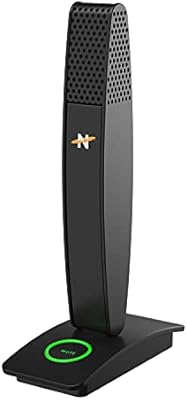
Neat Microphones Skyline USB Desktop Condenser Microphone
89%
94%
Audio Quality
91%
Ease of Use
89%
Build Quality
90%
Mute Button Functionality
92%
Value for Money
More
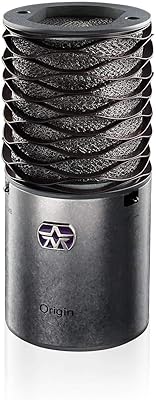
Aston Microphones Origin
85%
94%
Build Quality
89%
Vocal Clarity
92%
Instrument Response
71%
Internal Pop Filtering
91%
Price-to-Performance Ratio
More
Blue Bluebird SL Condenser Microphone
75%
91%
Vocal Sound Quality
88%
Build Quality
79%
Value for Money
54%
Ease of Setup
74%
Noise Rejection
More
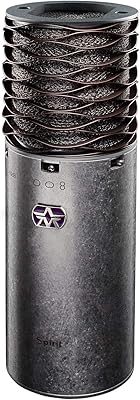
Aston Microphones Spirit Large-Diaphragm Condenser Microphone

85%
93%
Sound Quality
96%
Build Quality
89%
Polar Pattern Versatility
88%
Built-in Pop Filter
84%
Value for Money
More
Saramonic VMICMINI Mini Shotgun Microphone
76%
72%
Audio Quality
94%
Ease of Use
83%
Build Quality
88%
Value for Money
86%
Device Compatibility
More
MXL V67G Large-diaphragm Condenser Microphone
77%
83%
Sound Quality
88%
Value for Money
76%
Build Quality
61%
Ease of Setup
74%
Noise Performance
More

FAQ

Yes, as long as your camera has a 3.5mm microphone input jack, the SR-XM1 will plug straight in and work without any configuration. Most Sony Alpha and Canon EOS mirrorless bodies have this port, but a few entry-level models do not — worth double-checking your specific camera spec sheet before buying.

It is omnidirectional — meaning it picks up sound from all around the mic, not just from the front. The product listing does contain some contradictory language that has confused a number of buyers, but the confirmed polar pattern is omnidirectional. If you need a mic that focuses on sound directly in front of it and rejects noise from the sides, you would want a cardioid or supercardioid shotgun mic instead.

Not directly. The mic uses a 3.5mm TRS connector, while smartphones use a 3.5mm TRRS standard — they look the same but are wired differently. You will need a TRS-to-TRRS adapter to make it work, and even then results can vary depending on the phone model. If mobile recording is your primary use case, a mic designed specifically for smartphones may be a more reliable choice.

No, neither. This little Saramonic mic draws its power directly from the camera through the 3.5mm input — a method called plug-in power. Just plug it in and it is ready to record. There is nothing to charge, no battery door to fumble with, and no risk of it dying mid-shoot.

The included foam windscreen helps with very light breezes, but this mic is not well-suited to serious outdoor shooting in windy conditions. The omnidirectional pattern also means it picks up a lot of environmental noise, so open-air locations with traffic, wind, or crowd noise will be challenging. For dedicated outdoor use, a directional shotgun mic with a proper furry windscreen would serve you better.

Yes, meaningfully so. The integrated shock mount is specifically designed to isolate the mic capsule from vibrations traveling through the camera body, which includes the mechanical noise from autofocus systems and image stabilization motors. It is not a perfect solution for every camera, but most users notice a clear improvement over mounting a mic without any shock absorption.

Yes, and this is actually one of the more practical use cases for this compact on-camera mic. It is designed to plug into the transmitter inputs on Saramonic systems like the UWMIC9, UWMIC10, and UWMIC15, functioning as a small capsule mic within a larger wireless audio setup. If you are already in the Saramonic ecosystem, it integrates naturally.

For most YouTube content recorded in a reasonably quiet room, yes — it is a clear and noticeable step up from built-in camera audio. Voices come through with more presence and less hiss. Just keep in mind this is an entry-level condenser mic; it will not match the output of a dedicated external recorder or a mid-range shotgun mic, but for solo talking-head videos and casual vlogs it gets the job done well.

The swivel mount gives you a fair amount of flexibility — you can rotate it 360 degrees within the input socket and tilt it 180 degrees to aim it where you need. For most talking-head or vlog setups, pointing it forward toward your subject works fine. Since it is omnidirectional, precise aiming matters less than it would with a directional mic, but keeping it away from noisy parts of the camera body helps.

The body is plastic, so it is not going to feel as premium as a metal-bodied mic, but the connector itself is metal and feels solid. For the kind of travel a lightweight content creator would put it through — tossed in a camera bag, packed in a carry-on — it holds up fine in practice. Quite a few buyers have been using theirs for years without issue. A small protective pouch would not hurt if you want to keep it scratch-free.

Where to Buy