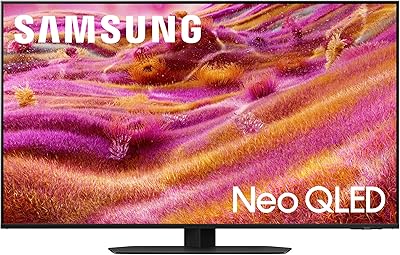


Overview

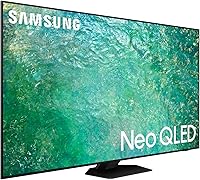
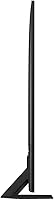
The Samsung QN85C 65-inch Neo QLED 4K TV sits a step above Samsung's standard QLED range, and the difference comes down to one key ingredient: Mini LED backlighting. Where conventional QLED panels rely on larger, fewer LEDs, this Samsung Neo QLED uses thousands of tiny LEDs grouped into precise dimming zones, giving it far better control over brightness and shadow detail. At 65 inches, it hits a practical sweet spot — large enough to fill a living room wall without requiring a dedicated screening room. The slim Titan Black profile keeps things understated, sitting flush against a wall mount or standing cleanly on a TV cabinet.

Features & Benefits

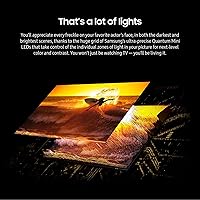
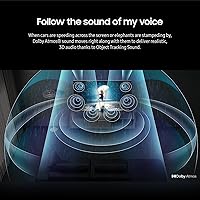
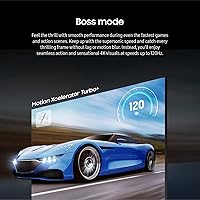
The Quantum Matrix Technology is what makes the picture genuinely pop in a bright room — precise clusters of Mini LEDs dim specific zones independently, keeping blacks deep while bright highlights stay crisp. The AI-powered Neural Quantum Processor handles upscaling in the background, so older HD content looks noticeably cleaner without obvious over-processing artifacts. HDR performance adjusts contrast scene by scene rather than applying a fixed profile. For gaming, 120Hz at 4K with Auto Game Mode keeps fast titles and live sports sharp with low input lag, while the Samsung Gaming Hub lets you stream cloud games without a console attached. The built-in Object Tracking Sound adds spatial depth, though most buyers will still want a dedicated soundbar.

Best For

The QN85C is a strong fit for households that struggle to settle on a single use case. If you spend evenings on 4K streaming but afternoons watching live sports, the AI upscaling and motion handling cover both well. Serious gamers will appreciate the low input lag, 4K@120Hz support, and the Game Bar overlay that keeps settings accessible mid-session. It also performs particularly well in rooms with variable light — ambient brightness does not wash out the picture the way it can on OLED panels. If you already own a Samsung Q-Series or S-Series soundbar, the Q-Symphony pairing turns both devices into a unified audio system worth having.

User Feedback

Owners of this 65-inch Samsung tend to be vocal about how well it handles daytime viewing — peak brightness draws consistent praise, with many noting colors stay vivid even in sunlit rooms. Gaming performance also gets frequent positive mentions, particularly from console owners who appreciate the responsive feel and the Gaming Hub's convenience for cloud titles. Where feedback gets more divided is around local dimming blooming — some users notice a faint halo around bright objects on dark backgrounds, a known trade-off with Mini LED designs. A handful of buyers also find the Tizen interface occasionally sluggish. Setup and wall mounting generally go without incident, and long-term reliability reports trend positive.

Pros

  • Exceptional peak brightness makes colors pop even in rooms with significant ambient light.
  • Mini LED backlighting delivers far more precise contrast control than standard LED TVs.
  • 4K@120Hz support keeps fast gaming and live sports sharp without motion blur.
  • The built-in Gaming Hub removes the need for a console to access popular cloud gaming services.
  • AI upscaling handles HD and lower-resolution content well, improving the look of everyday streaming.
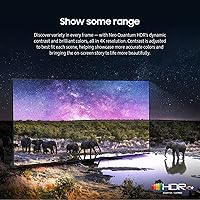
  • Neo Quantum HDR adjusts scene by scene, producing more accurate colors across varied content.
  • Slim, understated design integrates cleanly into modern living rooms without drawing attention.
  • Q-Symphony pairing with compatible Samsung soundbars creates a noticeably more cohesive audio setup.
  • Setup and wall mounting are straightforward, with most buyers reporting a hassle-free installation experience.
  • Long-term reliability feedback from owners trends consistently positive for this class of TV.

Cons

  • Blooming around bright objects on dark backgrounds is a real and recurring complaint from careful viewers.
  • The Tizen smart TV interface can feel sluggish when navigating menus or switching between apps.
  • Built-in speakers, while Dolby Atmos-enabled, are unlikely to satisfy anyone serious about audio without an external soundbar.
  • The QN85C does not match OLED panels for true black levels in dark or controlled-light viewing rooms.
  • Some users report that the remote app experience feels limited compared to third-party streaming sticks.
  • Local dimming aggressiveness can occasionally crush shadow detail in very dark scenes.
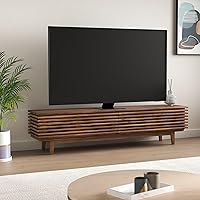
  • No included stand accessories beyond the standard feet, which may not suit all furniture setups.
  • The Gaming Hub library depends on third-party cloud services, which can have inconsistent performance based on internet connection.

Ratings

The scores below for the Samsung QN85C 65-inch Neo QLED 4K TV were generated by our AI engine after analyzing thousands of verified global buyer reviews, with spam, bot activity, and incentivized feedback actively filtered out. Both standout strengths and recurring frustrations are reflected in each score — nothing has been glossed over to paint a rosier picture than the real-world evidence supports.

Picture Quality
91%
Owners consistently describe the image as genuinely impressive in lit rooms — bright highlights stay controlled, colors look rich without appearing oversaturated, and the Mini LED backlighting produces a level of depth that budget 4K panels simply cannot match. For daytime movie watching and sports, reviewers repeatedly single out the visual punch as a standout.
A segment of users, particularly those watching cinematic content in dark rooms, find the picture falls short of OLED sharpness in shadow areas. Some also note that the factory picture settings run slightly over-processed out of the box and benefit from manual calibration.
Local Dimming & Contrast
83%
The Quantum Matrix Mini LED system gives this TV a meaningful contrast advantage over standard QLED and direct-lit LED displays. Users watching HDR movies and sports report that bright elements — stadium lights, sunlit landscapes — look genuinely luminous while surrounding areas stay appropriately dark.
Blooming remains a consistent complaint, particularly when bright text or logos appear against dark backgrounds. Several reviewers note that the dimming zones, while more numerous than older models, are still visible as halos in certain scenes, which can be distracting during dark sci-fi or thriller content.
Gaming Performance
93%
Console and PC gamers rate the QN85C among the better large-screen options at this price tier. The 4K@120Hz capability feels genuinely responsive with modern consoles, and the Auto Game Mode activation is automatic and reliable. Cloud gaming through the built-in Gaming Hub also draws praise for eliminating the need for additional hardware.
A small number of users report that the Game Bar interface, while useful, can occasionally introduce a brief input spike when opened mid-session. Variable refresh rate compatibility has also drawn some criticism, with a handful of PC gamers noting inconsistency depending on their GPU and cable configuration.
Motion Handling
88%
Fast-paced sports like soccer and basketball look fluid and well-defined at 120Hz, and reviewers who switched from 60Hz TVs describe the difference as immediately noticeable. Action movie sequences hold detail during rapid camera movement in a way that cheaper panels cannot sustain.
At the default motion settings, some viewers find the motion smoothing effect creates a slightly artificial look on cinematic content — the so-called soap opera effect. Dialing back the motion processing settings resolves this, but it requires navigating into the picture settings menu, which not all buyers will think to do.
HDR Performance
86%
The dynamic per-scene HDR adjustment means that a sunset landscape and a dark cave interior in the same film both get appropriate treatment rather than one looking washed out. Reviewers note that HDR streaming content on Netflix and Prime Video looks noticeably better on this panel than on their previous TVs.
The absence of Dolby Vision support is a genuine limitation that some users only discover after purchase, particularly those who stream heavily from Apple TV+ or Disney+, which use Dolby Vision as a primary format. HDR10+ covers a good portion of content, but the gap is real for certain platforms.
Audio Quality
67%
33%
The built-in 60-watt speaker system handles dialogue clarity well for everyday TV watching, and Dolby Atmos adds a sense of directional width that basic TV speakers rarely achieve. Buyers who primarily watch news and casual streaming report being satisfied without adding any external audio hardware.
Most reviewers who watch movies or play games with any regularity end up recommending a soundbar as a near-essential companion purchase. The low-end response in particular is thin, and action sequences lose impact without external speakers. The built-in audio is adequate but not a strength at this price level.
Smart TV Interface
71%
29%
The Tizen OS platform covers the major streaming apps without gaps, and the Samsung Gaming Hub integration is genuinely well-designed for users who want everything in one place. Voice control through Alexa works reliably for basic commands and TV navigation.
Interface sluggishness is one of the most frequently repeated criticisms — app loading times and menu transitions can feel noticeably slower than competing platforms like Google TV. A portion of users also find the home screen cluttered with suggested content and promotional tiles that cannot be fully removed.
Build Quality
89%
The slim Titan Black chassis draws consistent praise for looking premium without being ostentatious. Buyers who wall-mount the TV note that the thin profile sits close to the wall cleanly, and the build feels solid rather than hollow when handled during installation.
The included stand has drawn some criticism for feeling less sturdy than the cabinet it represents — a few buyers describe minor wobble on uneven surfaces. The remote control also polarizes users, with some finding the solar charging convenient and others missing the tactile button layout of older Samsung remotes.
Ease of Setup
87%
The initial setup process is broadly considered painless — the on-screen guide walks through network connection, app login, and picture preset selection efficiently. Wall mounting is straightforward given the panel weight, and most buyers report being up and running within 30 to 45 minutes.
Some users find that automatic software updates trigger at inconvenient times, and the TV occasionally prompts for Samsung account sign-in repeatedly before the setup is fully saved. A small number of buyers also report needing to recalibrate picture settings after a firmware update changes their preferred configuration.
Value for Money
78%
22%
For buyers stepping up from a basic 4K LED TV, the improvement in picture quality and gaming features justifies the price gap comfortably. The combination of Mini LED backlighting, 120Hz gaming support, and a capable smart platform in a single purchase is genuinely competitive at this size.
Buyers who have researched OLED pricing carefully often feel the gap has narrowed enough to cause hesitation — comparable LG OLED panels have become more accessible, which makes the value equation tighter than it was at launch. For purely casual viewers who rarely game or watch HDR content, the premium over a standard 4K TV is harder to justify.
Connectivity
84%
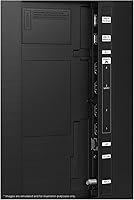
The full complement of HDMI, USB, Ethernet, Wi-Fi, and Bluetooth ports covers virtually every device pairing scenario without requiring adapters or hubs. Bluetooth connectivity for headphones and controllers works reliably, and the HDMI 2.1 ports support the bandwidth needed for next-gen console output.
A few users note that the HDMI port placement on the side panel makes cable management slightly awkward in tight wall-mount installations. The number of USB ports has also drawn mild criticism from buyers who connect multiple USB devices simultaneously and find themselves needing a hub.
Viewing Angles
74%
26%
The Wide Viewing Angle technology makes a noticeable difference compared to older VA-panel Samsung TVs, with color and contrast holding reasonably well for viewers seated off to the side. Family rooms where seating is spread across a wide arc benefit more from this panel than from competing non-wide-angle QLED models.
Off-axis performance still falls behind IPS panels and OLED when viewed from steep angles — beyond about 40 degrees from center, there is a visible drop in contrast and color vibrancy. For rooms where the TV is mounted in a corner or viewers regularly sit at wide angles, this remains a real limitation.
Energy Efficiency
69%
31%
The automatic brightness adjustment in Eco mode reduces power consumption during typical daytime viewing without significantly impacting picture quality, which buyers in markets with high electricity costs tend to appreciate. The TV also enters standby efficiently without a noticeable delay.
At peak brightness with HDR content enabled, power consumption climbs noticeably — some buyers report higher electricity usage than expected after upgrading from a smaller or older TV. Running the panel at maximum brightness settings continuously is not an energy-efficient use case.
Long-Term Reliability
82%
18%
The majority of owners who have used the QN85C for 12 months or more report no hardware issues, and Samsung's service network is broadly accessible for warranty claims in most major markets. Unlike OLED panels, there is no meaningful burn-in risk from static content like news tickers or game HUDs.
A small but consistent segment of longer-term owners report software-related issues — occasional crashes of specific streaming apps and one-off display anomalies that resolve with a restart. Firmware update quality has been inconsistent for some users, with a few updates introducing temporary bugs before subsequent patches resolved them.

Suitable for:

The Samsung QN85C 65-inch Neo QLED 4K TV is an excellent match for buyers who want a noticeable step up from standard LED picture quality without committing to the premium pricing of OLED. If your living room gets a lot of natural light during the day, the high peak brightness and precise local dimming zones keep the image punchy and detailed in ways that OLED panels can struggle to match. Gamers who play on console or stream cloud titles will find the 4K@120Hz capability, low input lag, and built-in Gaming Hub genuinely useful rather than just spec-sheet padding. Sports fans benefit too — fast motion stays sharp without the ghosting or blur that plagues lower-refresh-rate TVs. Households that mix streaming, cable, and gaming across different family members will appreciate the AI upscaling, which quietly improves the look of non-4K content without requiring any manual adjustment. If you already own a compatible Samsung soundbar, the Q-Symphony integration is a practical bonus that gets real use out of hardware you already have.

Not suitable for:

The Samsung QN85C 65-inch Neo QLED 4K TV is not the right call for buyers who prioritize absolute black levels and perfect per-pixel contrast above everything else — that is where OLED technology still holds a clear advantage, particularly for dark-room movie watching. Mini LED designs, including this one, can produce a subtle blooming effect around bright objects set against dark backgrounds, which is noticeable in certain scenes and may bother detail-oriented viewers. Budget-conscious shoppers comparing dollar-for-dollar value against 65-inch competitors in a lower tier will find more affordable options that cover the basics without the premium features. If you watch almost exclusively in a pitch-black dedicated theater room, the brightness advantage that makes this Samsung Neo QLED shine in lit environments matters far less, shifting the calculus toward OLED. Buyers who dislike smart TV platforms and prefer a clean, minimal interface may also find the Tizen OS ecosystem more involved than they want to navigate regularly.

Specifications

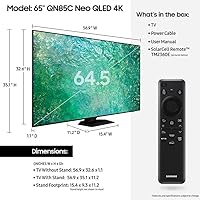
  • Screen Size: The panel measures 64.5 inches diagonally, marketed as a 65-inch class display.
  • Display Technology: Uses Neo QLED with Quantum Matrix Technology, a Mini LED backlight system that controls thousands of individual dimming zones for precise brightness control.
  • Resolution: Native 4K resolution at 3840 x 2160 pixels, with AI-powered upscaling for lower-resolution source content.
  • Refresh Rate: Native 120Hz panel with Motion Xcelerator Turbo+ processing for smooth fast-motion performance in gaming and sports.
  • HDR Support: Compatible with Neo Quantum HDR, which applies dynamic per-scene contrast and brightness adjustments rather than a fixed HDR tone map.
  • Processor: Powered by Samsung's Neural Quantum Processor, which handles real-time 4K AI upscaling and picture optimization scene by scene.
  • Audio Output: Built-in speaker system rated at 60 watts total output with Dolby Atmos and Object Tracking Sound technology.
  • Audio Features: Supports Q-Symphony 3.0 for synchronized playback with compatible Samsung Q-Series and S-Series soundbars, and includes Active Voice Amplifier for clearer dialogue.
  • Smart Platform: Runs Samsung's Tizen OS with the Samsung Gaming Hub, Alexa built-in, and support for multiple voice assistants.
  • Connectivity: Includes HDMI, USB, Ethernet, Wi-Fi, and Bluetooth ports and wireless protocols for broad device compatibility.
  • Gaming Features: Equipped with Auto Game Mode, Game Bar overlay, Mini Map Zoom, Super Ultra Wide Game View, and low input lag at 4K@120Hz.
  • Dimensions: With stand, the TV measures 56.9″ wide, 35.1″ tall, and 11.2″ deep.
  • Weight: The unit weighs approximately 23 pounds, which is manageable for a single-person wall mount installation with proper hardware.
  • Color & Finish: Available in Titan Black, a matte dark finish that minimizes reflections on the bezel in well-lit rooms.
  • Aspect Ratio: Standard 16:9 widescreen aspect ratio suited for HD and 4K broadcast, streaming, and gaming content.
  • Power: Operates on 120 volts AC and includes a power cable in the box alongside a user manual and e-manual.
  • Color Volume: Achieves 100% color volume using Quantum Dot technology, maintaining consistent color saturation across a wide range of brightness levels.
  • Viewing Angle: Features Wide Viewing Angle technology to reduce color and contrast degradation when viewed from off-center seating positions.

Related Reviews
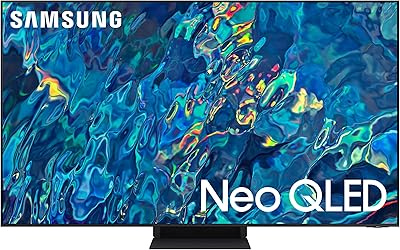
Samsung QN95B 65-Inch Neo QLED 4K TV
75%
93%
Picture Brightness
88%
Color Accuracy
76%
Contrast & Black Levels
89%
Gaming Performance
84%
Anti-Glare Effectiveness
More
Samsung QN70F 65-inch Neo QLED Smart TV
80%
86%
Picture Quality
91%
Gaming Performance
88%
Motion Handling
79%
AI Upscaling
71%
Smart Platform
More
Samsung 65-Inch QLED 4K TV Q60C
86%
94%
Picture Quality
91%
Gaming Performance
87%
Ease of Setup
88%
Smart Features
72%
Sound Quality
More
Samsung QN85D 65-inch 4K QLED TV
79%
93%
Picture Brightness
74%
Contrast & Black Levels
88%
Color Accuracy
91%
Motion Handling
82%
Gaming Performance
More
Samsung QN90D 98-inch Neo QLED 4K TV
80%
93%
Picture Quality
96%
Screen Size Impact
88%
HDR Performance
87%
Gaming Performance
89%
Motion Clarity
More
Samsung QN90B 43-inch Neo QLED 4K TV
80%
91%
Picture Quality
93%
Gaming Performance
88%
Brightness & HDR
83%
Anti-Glare & Viewing Angle
54%
Built-in Audio
More
Samsung QN90F 50-inch Neo QLED 4K TV
78%
93%
Picture Brightness
76%
Contrast & Blacks
91%
Anti-Glare Performance
89%
Gaming Performance
84%
AI Upscaling
More
Samsung The Terrace 85-inch Neo QLED TV
78%
93%
Picture Quality
89%
Outdoor Durability
81%
Anti-Glare Performance
84%
Smart Features
52%
Installation Experience
More
Samsung Q80B 65-inch QLED 4K TV
78%
88%
Picture Quality
91%
Gaming Performance
83%
HDR Performance
67%
Local Dimming
76%
Smart TV & Interface
More
Samsung QN70F 55-inch Neo QLED Smart TV
78%
83%
Picture Quality
88%
Gaming Performance
84%
Motion Handling
81%
Brightness & HDR
78%
Smart TV Platform
More

FAQ

Yes, this is actually one of its stronger use cases. The Mini LED backlight can push high peak brightness levels, which helps colors stay vivid and contrast remain visible even with sunlight coming through windows. It handles bright-room viewing better than most OLED alternatives at this size.

It can happen, yes. When a small bright object appears against a very dark background — think a title card on a black screen or stars in space — you may notice a faint halo of light around it. It is less distracting in typical TV viewing content, but it is a known characteristic of Mini LED technology and worth knowing before you buy.

At 4K and 120Hz with Auto Game Mode active, input lag drops to a range that most gamers will find responsive and competitive. The Game Bar overlay lets you monitor and adjust settings without leaving your game, which is a genuinely useful feature rather than just a marketing addition.

Yes, the Samsung Gaming Hub lets you access cloud gaming services like Xbox Cloud Gaming and NVIDIA GeForce NOW directly through the TV's interface, no console required. You will need a compatible Bluetooth controller and a solid internet connection for a smooth experience.

The built-in 60-watt speaker system is reasonably capable for casual TV watching and dialogue clarity, but if you watch a lot of movies or play games where audio immersion matters, a soundbar will make a noticeable difference. If you already own a Samsung Q-Series or S-Series soundbar, the Q-Symphony feature combines both speaker systems into a single coordinated audio output, which works well.

The Samsung QN85C 65-inch Neo QLED 4K TV wins on brightness and daytime performance, and it avoids the burn-in risk that some OLED buyers worry about with static content. LG OLED panels still deliver deeper blacks and better per-pixel contrast in dark-room settings. Which is better depends heavily on where and how you watch — bright rooms favor this Samsung, dedicated dark theater setups tend to favor OLED.

At 23 pounds, the panel is on the lighter side for a 65-inch TV, and most owners report the wall mount process goes without major issues. That said, having a second person to hold the panel while you secure the VESA mount is always the safer approach. The TV uses a standard VESA mount pattern, so third-party brackets are compatible.

Some users do report that the interface can feel sluggish when switching between apps or loading the home screen, particularly after the TV has been in use for a while. It is not a dealbreaker for most people, but if a snappy smart TV interface is a priority, it is worth being aware of. A quick restart usually resolves temporary slowdowns.

The QN85C supports Neo Quantum HDR, which is Samsung's proprietary dynamic HDR format. It also handles HDR10 and HDR10+ content. Notably, it does not support Dolby Vision, so if your streaming service of choice uses Dolby Vision as its primary HDR format, the TV will fall back to HDR10 instead.

The Neural Quantum Processor does a solid job cleaning up lower-resolution content — cable TV and standard HD streaming both look noticeably sharper than they would on a basic 4K panel. It processes each scene individually rather than applying a blanket sharpening filter, which helps avoid the artificial over-processed look that cheaper upscaling can produce.