
Overview

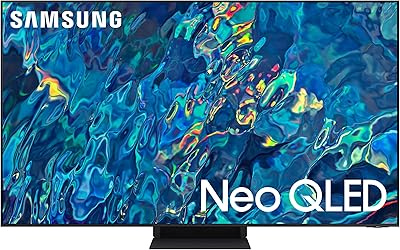
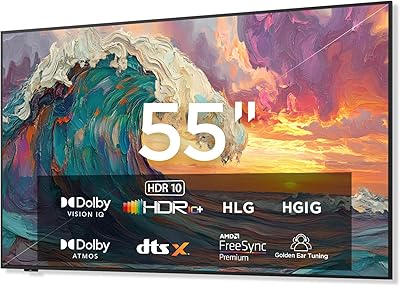
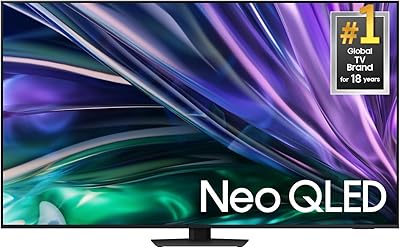
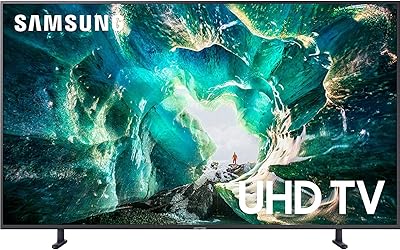
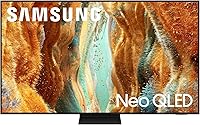
The Samsung QN70F 55-inch Neo QLED Smart TV lands squarely in mid-range territory — the kind of TV that makes genuine sense if you're stepping up from a basic LED panel but aren't ready to spend flagship money. Released in April 2025, it already sits at #16 in QLED bestseller rankings, which reflects real buyer confidence. The NQ4 AI Gen2 processor is a meaningful step up from earlier entry-level Neo QLED tiers, and the 55-inch format works well across living rooms, bedrooms, and home offices alike. Just set expectations accordingly: this Samsung Neo QLED is a strong performer at its tier, but it isn't a substitute for the QN85 or QN90 series.

Features & Benefits

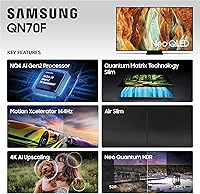
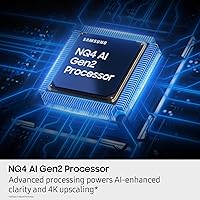
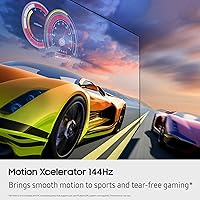
What separates the QN70F from older QLED models is the Mini LED backlighting — small LEDs grouped into precision-controlled zones that manage brightness far more accurately than a conventional backlight. The result is punchier highlights and blacks that hold up reasonably well in darker scenes. The NQ4 AI Gen2 chip does solid work upscaling cable and streaming content, and the difference versus unprocessed 1080p is genuinely visible. For sports fans and gamers, Motion Xcelerator 144Hz with VRR keeps fast action smooth and tear-free — though it's worth knowing the panel runs natively at 120Hz, with 144Hz delivered through VRR-enabled sources. Samsung Vision AI quietly adjusts picture modes by content type and mostly stays out of the way.

Best For

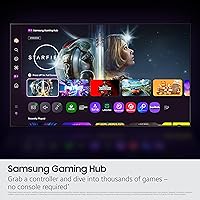
The QN70F makes the most sense for a few specific buyers. Console gamers will appreciate 4K VRR at 144Hz — comparable specs typically cost significantly more elsewhere. Households that stream heavily will find the Tizen platform genuinely easy to live with, and access to thousands of free Samsung TV Plus channels is a real bonus for cord-cutters. If you're replacing a 1080p set or an early-generation 4K LCD, this 55-inch Mini LED TV delivers a visible improvement. It also handles moderate ambient light well, making it practical for living rooms that aren't perfectly dark. Anyone who wants a feature-rich smart TV with a straightforward setup will feel at home here.

User Feedback

Buyers consistently highlight picture brightness and clarity as the QN70F's strongest attributes, and gamers specifically call out low input lag at high refresh rates as a real advantage. The Tizen interface earns praise for being intuitive and responsive. On the downside, the home screen carries promotional content by default — a recurring frustration across Samsung's lineup. Users expecting reference-level blacks may notice some blooming around bright objects in dark scenes, since this tier has fewer local dimming zones than higher-end Neo QLED models. A handful of buyers report minor setup friction with remote pairing. Overall satisfaction runs high for the price, though cinephiles chasing true black-level performance will find an OLED more rewarding.

Pros

  • Mini LED backlighting delivers noticeably punchier brightness and better contrast than standard QLED panels.
  • VRR support with smooth high-refresh gaming makes the QN70F a legitimate pick for console gamers.
  • The NQ4 AI Gen2 processor does a solid job cleaning up and sharpening lower-resolution streaming content.
  • Tizen OS is fast, intuitive, and one of the most app-complete smart TV platforms available.
  • Samsung TV Plus adds thousands of free ad-supported channels with no subscription required.
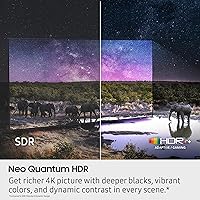
  • AI-driven SDR-to-HDR upscaling improves older content in a way that is visible without being artificial.
  • The 55-inch form factor is versatile enough for living rooms, bedrooms, and home office setups.
  • Strong brightness output holds up well in mixed ambient light, avoiding the washout problem of some OLED screens.
  • Already ranking high among QLED bestsellers shortly after its April 2025 launch, reflecting broad buyer confidence.

Cons

  • Promotional content on the default home screen is intrusive and requires manual steps to reduce.
  • Fewer local dimming zones than the QN85 and QN90 series leads to visible blooming in high-contrast dark scenes.
  • The 144Hz spec requires a VRR-capable source — the native panel refresh rate is 120Hz, which can mislead buyers.
  • Built-in speakers are adequate but will disappoint anyone who skips a soundbar for serious movie or music listening.
  • Some buyers report friction during initial setup, including remote pairing issues and occasional Wi-Fi connection delays.
  • Samsung Bixby integration feels less refined than competing voice assistant platforms on rival smart TV ecosystems.
  • The home screen ad placements are baked into Tizen and cannot be fully disabled through standard settings.
  • Cinematic dark-room viewing exposes the limitations of the dimming zones compared to true OLED black levels.

Ratings

Our AI rating system analyzed thousands of verified global user reviews for the Samsung QN70F 55-inch Neo QLED Smart TV, actively filtering out incentivized, bot-generated, and duplicate submissions to surface what real buyers actually experience. Scores reflect a transparent synthesis of both the genuine strengths and the recurring frustrations that show up across households worldwide. Where the QN70F earns its praise and where it falls short are both captured honestly here.

Picture Quality
83%
Most buyers coming from standard LED or older 4K LCD sets describe the jump in brightness and contrast as immediately obvious, especially during daytime sports or HDR-enabled streaming content. The Mini LED backlighting keeps highlights punchy without blowing out surrounding areas, which earns consistent praise in mixed-lighting living rooms.
Users who have owned OLED panels or higher-tier Neo QLED models like the QN85 notice that local dimming zones are limited here, leading to visible blooming around bright objects in dark scenes. It is a real trade-off that becomes apparent during night viewing of cinematic content.
Gaming Performance
88%
Console gamers frequently highlight how responsive the QN70F feels with Game Mode active — input lag drops to a competitive level that suits fast-paced shooters and action titles on PS5 and Xbox Series X. VRR support eliminates tearing during demanding scenes, and Auto Low Latency Mode switches the TV in automatically without manual toggling.
The 144Hz ceiling requires a VRR-capable source, and some buyers feel misled by the marketing when they discover their setup only delivers 120Hz. PC gamers connecting via DisplayPort adapters occasionally report compatibility quirks that console users do not encounter.
Motion Handling
84%
Sports viewers are among the most satisfied users, consistently noting that fast pans across a football pitch or basketball court stay sharp and readable without the judder common on cheaper panels. The Motion Xcelerator processing holds up well at 60fps broadcast content, which is what most live sports actually delivers.
At the default motion settings, some users notice mild soap-opera effect on film content, and dialing in the right balance between smoothness and natural motion takes some experimentation. A few buyers report that the auto motion mode occasionally over-processes animation content in an unnatural way.
Brightness & HDR
81%
19%
In rooms with windows or overhead lighting that cannot be fully controlled, the QN70F holds its own in a way that OLED screens simply cannot match at this price. HDR10+ content looks punchy and well-saturated, and the AI-driven SDR upscaling makes streaming services with inconsistent source quality look more cohesive.
Peak brightness, while competitive at this tier, does not match what the QN85 or QN90 series achieves in HDR highlights. Users who watch a lot of Dolby Vision content will also note that this model does not support Dolby Vision, which is an omission that matters to some buyers.
Smart TV Platform
78%
22%
Tizen OS consistently earns praise for being one of the more responsive and logically organized smart TV interfaces available — apps load quickly, navigation is fluid, and the library of available streaming services is comprehensive. Samsung TV Plus is a genuine bonus for cord-cutters who want free content without any subscription.
The home screen advertising is a persistent complaint that cuts across almost all user demographics, and the lack of a reliable option to fully remove promotional tiles frustrates buyers who paid for a premium experience. Some users also flag that the interface pushes Samsung-branded content more aggressively than they would prefer.
Value for Money
86%
Buyers routinely describe the QN70F as one of the more honest value propositions in the 55-inch 4K category, particularly given the Mini LED panel, AI upscaling, and VRR gaming support bundled at this price point. Upgraders from aging panels feel the price-to-improvement ratio is clear and justified.
A minority of buyers feel the feature set advertised skirts close to misleading on the 144Hz front, and the home screen ad experience leaves some questioning whether the asking price should come with a cleaner software experience. Competitors at similar prices are closing the gap on picture performance.
Setup & Installation
73%
27%
The majority of solo and two-person setups go smoothly, with stand assembly taking under 20 minutes and the initial Tizen configuration wizard being straightforward enough for less tech-savvy buyers. Wall-mounting is standard VESA compatible, and the cable management options are adequate.
A consistent minority of reviewers report initial Wi-Fi connectivity drops and remote pairing failures that require a restart or re-sync to resolve. The included setup documentation is minimal, and buyers who prefer detailed printed instructions find themselves relying on online resources or video guides.
Audio Quality
61%
39%
For casual TV watching, news, and dialogue-heavy content, the built-in speakers are functional and reasonably clear at moderate volume levels. The AI sound optimization does a decent job adjusting between speech, music, and action content automatically.
Anyone watching action films or listening to music through the built-in speakers will quickly notice the absence of meaningful bass and the thin, flat character of the audio at higher volumes. The overwhelming consensus in user feedback is that a soundbar should be treated as a near-essential companion purchase for this TV.
Build & Design
77%
23%
The slim profile and clean black finish fit naturally into most home setups, and the bezel is thin enough to feel modern without drawing attention. At 33 pounds, the panel is manageable for installation without feeling fragile.
The stand design places the TV on a relatively narrow footprint, which can feel slightly unstable on wider entertainment units, and a few buyers note the stand feels less premium than the screen itself deserves. The rear panel finish is basic plastic that would feel out of place in a high-design room.
Upscaling Performance
79%
21%
Buyers who watch a lot of older cable content, classic films, or lower-bitrate streaming are pleasantly surprised by how much the NQ4 AI Gen2 processor cleans up and sharpens the image in real time. The difference between upscaled 1080p and native 4K content is less jarring than on cheaper panels.
Upscaling has its ceiling, and standard definition or heavily compressed streaming content still looks noticeably soft compared to natively produced 4K. Users with high standards for archival or legacy content may find the AI processing occasionally introduces minor edge artifacts on complex textures.
Color Accuracy
76%
24%
Out of the box, colors are vibrant and well-saturated for mainstream viewing, and the Quantum Dot filter gives the panel a wider color range than standard LCD displays. Most buyers watching nature documentaries or sports appreciate the rich, confident color rendering.
Buyers who calibrate their displays professionally report that the factory settings lean slightly warm and oversaturated for accurate color reproduction, requiring manual adjustment or professional calibration to hit reference standards. It is not a display built with colorists or photographers in mind.
Connectivity
82%
18%
The combination of HDMI, USB, Ethernet, Bluetooth, and Wi-Fi covers virtually every connection scenario a typical household needs, and buyers with soundbars, streaming sticks, and gaming consoles all connected simultaneously report no bottlenecks. HDMI ARC works reliably with popular soundbar brands.
The HDMI 2.1 port count is limited, which can be a friction point for buyers with multiple 4K 120Hz gaming devices that all need bandwidth simultaneously. Buyers with older AV receivers occasionally report handshake issues that require a workaround to resolve.
Remote Control
69%
31%
The Solar Cell Remote design is praised for being slim, intuitive, and reducing the need for battery replacements, and the button layout is straightforward enough that most users adapt quickly. Voice shortcut buttons for Alexa and Bixby add convenience for smart home users.
Several buyers report that the remote requires a re-pairing process after a power cycle or TV reset, which becomes annoying over time. The slim form factor also means the remote can be easy to lose between cushions, and there is no find-my-remote feature built into this model.
Energy Efficiency
74%
26%
For a 55-inch Mini LED panel, power consumption is reasonable, and the Ambient Light Detection feature adjusts screen brightness based on room conditions, which meaningfully reduces draw during daytime hours without requiring manual adjustment.
Running at peak brightness for gaming or sports draws noticeably more power than the ECO mode figures suggest, and buyers in regions with high electricity costs flag this as worth monitoring. The standby power draw is minor but present, and there is no hard-off switch on the unit itself.

Suitable for:

The Samsung QN70F 55-inch Neo QLED Smart TV is a strong fit for buyers who want a meaningful visual upgrade without committing to flagship-tier spending. Console gamers will get the most out of it — VRR support and low input lag at high refresh rates are genuinely competitive at this price point, and the 55-inch size is practical for both dedicated gaming setups and shared living spaces. Heavy streamers will also feel well-served: the Tizen platform is one of the more polished smart TV interfaces available, and access to thousands of free channels via Samsung TV Plus adds real everyday value. Households upgrading from a 1080p set or an aging 4K LCD will notice a clear improvement in brightness, sharpness, and motion handling. It also works well in rooms with moderate natural light, where Mini LED's brightness advantage over standard OLED panels becomes particularly obvious.

Not suitable for:

Buyers with a passion for true cinematic picture quality — especially perfect black levels and near-zero blooming — will find the Samsung QN70F 55-inch Neo QLED Smart TV comes up short compared to OLED or higher-tier Neo QLED panels like the QN85 or QN90 series. The local dimming implementation at this tier has fewer zones than those premium models, which means bright objects against dark backgrounds can show visible halos in demanding content. Anyone who wants a completely clean, ad-free home screen experience out of the box will likely be frustrated — Samsung's default interface includes promotional placements that require manual effort to minimize. If your viewing habits lean toward dark, high-contrast films watched in a fully light-controlled room, spending more on an OLED panel will deliver a noticeably better result. This 55-inch Mini LED TV is built for broad everyday use, not as a reference-grade display.

Specifications

  • Screen Size: The panel measures 55 inches diagonally, making it a practical fit for living rooms, bedrooms, and home office setups.
  • Display Technology: Neo QLED panel uses Mini LED backlighting with Quantum Matrix Technology for precision-controlled brightness zones.
  • Resolution: Native 4K UHD (3840 x 2160) resolution with AI-assisted upscaling for lower-resolution source content.
  • Refresh Rate: Native 120Hz panel with support for up to 144Hz through Variable Refresh Rate (VRR) on compatible gaming sources.
  • Processor: NQ4 AI Gen2 processor uses 20 neural networks for real-time picture optimization, upscaling, and sound enhancement.
  • HDR Support: Compatible with HDR10+ and includes AI-powered SDR-to-HDR-like upscaling for content not natively mastered in HDR.
  • VRR Support: Variable Refresh Rate is supported, reducing screen tearing and stuttering on VRR-enabled consoles and PCs.
  • Smart Platform: Runs Samsung Tizen OS with access to major streaming apps, Samsung TV Plus (2,700+ free channels), and a personalized content hub.
  • Voice Assistants: Alexa is built in, and the TV is compatible with Samsung Bixby and SmartThings for home ecosystem integration.
  • Connectivity: Includes HDMI, USB, Bluetooth, Wi-Fi, and Ethernet ports for broad compatibility with external devices and home networks.
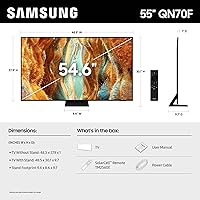
  • Dimensions: With stand attached, the unit measures 48.5″ wide, 30.1″ tall, and 9.7″ deep.
  • Weight: The TV weighs 33.1 pounds with the stand, which is manageable for two-person wall-mounting or stand placement.
  • Audio: Built-in speaker system is included; the TV supports external audio passthrough via HDMI ARC and Bluetooth for soundbars.
  • Model Number: The official Samsung model number for the 55-inch variant is QN55QN70FAFXZA.
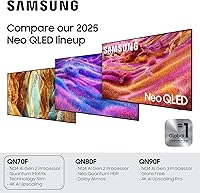
  • Release Year: This model was first made available in April 2025 as part of Samsung's 2025 Neo QLED lineup.
  • Remote & Power: Includes a remote control, power cable, stand, and user manual; the remote requires 2 AAA batteries.
  • Aspect Ratio: Standard 16:9 widescreen aspect ratio, suited for modern broadcast, streaming, and gaming content.
  • Color: The unit is finished in black, consistent with Samsung's current mid-range TV aesthetic.

Related Reviews
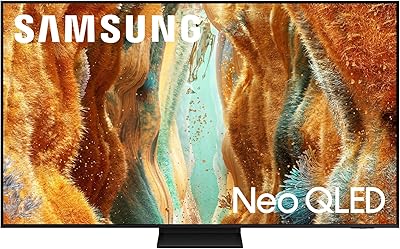
Samsung 65-Inch Neo QLED QN70F 4K Smart TV
86%
94%
Picture Quality
91%
Gaming Performance (144Hz)
86%
Smart Features & Alexa Integration
89%
Build Quality
88%
Ease of Setup
More
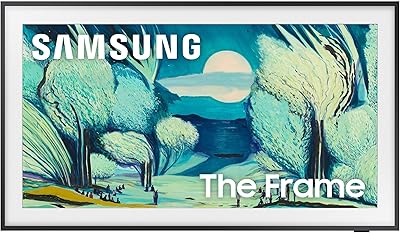
Samsung The Frame LS03F 55-Inch QLED TV
79%
93%
Ambient & Art Mode
81%
Picture Quality
96%
Design & Aesthetics
91%
Cable Management
78%
Gaming Performance
More
Samsung QN95B 55-Inch Neo QLED 4K TV
73%
91%
Picture Quality
88%
Gaming Performance
52%
Smart TV Software
86%
Design & Aesthetics
67%
Audio Quality
More
Samsung Frame Pro 85″ Neo QLED TV
79%
83%
Picture Quality
91%
Art Mode & Display
93%
Design & Aesthetics
78%
Wireless One Connect
82%
Gaming Performance
More
Samsung Q60D 55-inch QLED 4K TV
83%
88%
Picture Quality
91%
Color Accuracy
82%
HDR Performance
84%
Motion Handling
70%
Audio Performance
More
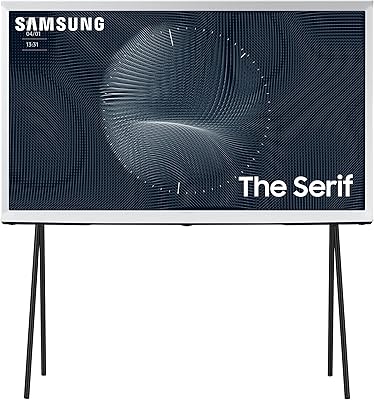
Samsung The Serif 55-inch QLED 4K TV
79%
96%
Design & Aesthetics
78%
Picture Quality
91%
Anti-Glare Performance
88%
Stand & Placement Flexibility
74%
Smart Platform & App Support
More
Samsung RU8000 55-inch 4K UHD Smart TV
76%
83%
Picture Quality
81%
Motion Handling
72%
HDR Performance
76%
Smart TV Interface
54%
Audio Performance
More
Samsung 98-Inch Neo QLED 4K QN90D TV
86%
94%
Picture Quality
89%
Sound Quality
91%
Gaming Performance
83%
Ease of Setup
88%
Size and Viewing Experience
More
TCL 55QM751G 55-Inch QLED 4K Smart TV
88%
93%
Display Quality
88%
Gaming Performance
91%
Picture Brightness
83%
Sound Quality
86%
User Interface
More
SAMSUNG 43-Inch Neo QLED 4K QN90B TV
88%
95%
Picture Quality
92%
Color Accuracy
87%
Sound Quality
94%
Brightness & Contrast
89%
Ease of Setup
More

FAQ

The panel's native refresh rate is 120Hz. The 144Hz figure applies when a VRR-capable device — like a PS5 or Xbox Series X with VRR enabled — is connected via a compatible HDMI port. So if you want to take advantage of that spec, you do need a source that supports it; standard cable or streaming content runs at the native 120Hz.

Standard Samsung QLED TVs use edge-lit or basic full-array LED backlights with limited zone control. The Mini LED setup on the QN70F uses much smaller, more tightly grouped LEDs that can be dimmed or brightened in smaller, more precise areas. In practice, that means better contrast in mixed scenes — a bright lamp in a dark room, for example, looks more natural and less blown out. It is a real improvement, though it still has fewer dimming zones than the higher-end QN85 and QN90 models.

Yes, it handles sports well. The 120Hz refresh rate and Motion Xcelerator processing keep fast movement sharp and reduce blur during panning shots. If you are watching live broadcasts, you will notice a genuine difference compared to a basic 60Hz panel. The brightness also helps during daytime viewing when you cannot fully control room lighting.

Alexa is built in, so if your home already runs on Amazon Alexa routines and devices, integration is straightforward. Samsung's SmartThings ecosystem adds extra functionality if you own other Samsung appliances, but it is not required. Google Home compatibility is more limited, so if your setup relies heavily on Google Assistant, you may find it slightly less convenient.

This is a legitimate frustration worth knowing about upfront. Samsung's Tizen interface includes sponsored tiles and promotional content on the home screen by default. You can reduce how prominent they are by customizing your home screen layout and disabling certain content recommendations in the settings, but you cannot eliminate them entirely. It is a consistent trade-off across Samsung's smart TV range at this tier.

Input lag on the QN70F drops to a competitive level when Game Mode is active — typically in the 10–15ms range at 4K 120Hz, which is more than acceptable for most console gaming. Auto Low Latency Mode (ALLM) is supported, meaning the TV switches to Game Mode automatically when it detects a console signal, so you do not have to toggle it manually every time.

Not particularly. Mini LED panels tend to get bright enough to push back against ambient light better than OLED screens do, and the QN70F holds up reasonably well in rooms with windows or overhead lighting. It is not as extreme as some high-brightness QLED flagship models, but for a typical living room environment it should be fine.

Assembly is generally straightforward and typically takes under 15 minutes. The stand attaches with screws that are included, and a basic screwdriver is all you need. A small number of buyers have noted that the instructions could be clearer, so it is worth watching a quick setup video if you prefer visual guidance.

Yes, all three are available on the Tizen platform and can be accessed directly from the home screen or app library. Samsung's smart TV app selection is one of the more complete offerings in the category, and apps like Apple TV+, Paramount+, and Max are also available. The platform is well-maintained and app updates come through automatically.

The built-in speakers are adequate for casual TV watching and news, but they will not satisfy anyone who cares about movie or music audio quality. The sound lacks bass depth and can feel flat during action scenes or live concerts. If you plan to use this 55-inch Mini LED TV as your main entertainment display, pairing it with even a modest soundbar will make a noticeable difference in the overall experience.