Overview

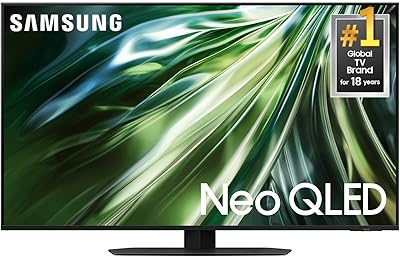
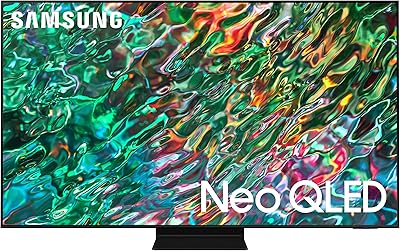
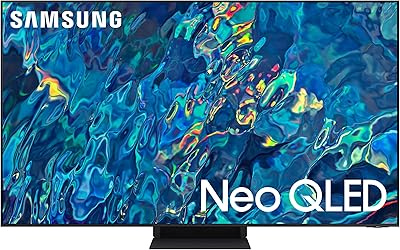
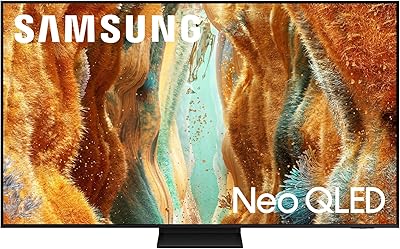
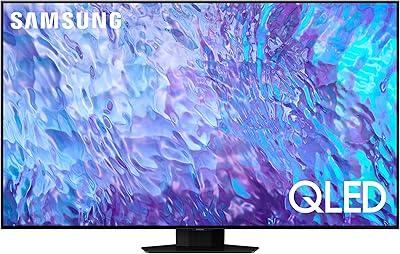
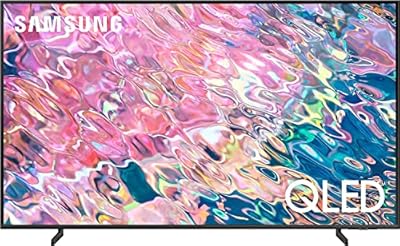
The Samsung QN90C 50-inch Neo QLED 4K TV sits at an interesting crossroads in Samsung's 2023 lineup — premium enough to offer a real step up from mid-range panels, but compact enough to fit comfortably in a bedroom, home office, or modest living room. Unlike standard QLED sets, this Samsung Neo QLED uses a Mini LED backlight that gives Samsung far more precise control over local dimming zones, which translates to noticeably better contrast in everyday viewing. It is genuinely capable at both movie nights and gaming sessions. That said, if your room is large, the 50-inch size may feel modest — honest expectation-setting matters here.

Features & Benefits

The technology inside the QN90C 50-inch is where it really distinguishes itself. Quantum Matrix Technology uses thousands of tiny Mini LEDs to target individual lighting zones with surgical precision — the result is punchy highlights without the blooming halos common on cheaper LED panels. Samsung's AI-powered processor handles upscaling reliably; standard HD content looks genuinely sharp rather than artificially processed. In bright rooms, the anti-glare coating makes a real difference — you can actually watch during the day without closing every blind. Audio is handled by a 40W system with Dolby Atmos support, which, while no substitute for a soundbar, performs respectably for built-in speakers.

Best For

This Mini LED TV is a strong fit for a specific kind of buyer. Console gamers will appreciate the 120Hz panel and the dedicated Samsung Gaming Hub, which pulls together cloud streaming services and app-based games in one place — no extra hardware needed. It also works well in apartments or rooms where a 65-inch set would simply overpower the space. Anyone dealing with glare from windows or overhead lighting will notice the improvement immediately. Cord-cutters get a capable smart TV platform with Tizen, though the app selection — while broad — is not quite as extensive as Google TV. Upgrading from a budget TV to this will be a visible, obvious difference.

User Feedback

Owners of this Samsung Neo QLED consistently praise the brightness and color accuracy in HDR content — nature documentaries and action films look genuinely vivid. Gaming response time draws frequent compliments too, particularly from PS5 and Xbox Series X owners who note the low input lag. The honest caveat most buyers raise is black levels: if you are coming from an OLED and care deeply about inky blacks in dark rooms, the difference is real and worth knowing before you buy. A handful of users also find the Tizen interface slightly cluttered. On screen size, a few buyers in larger rooms felt 50 inches fell short, so measuring your space first is genuinely worthwhile.

Pros

  • Mini LED backlighting delivers noticeably better contrast and brightness than standard QLED panels.
  • HDR content — especially nature documentaries and action films — looks genuinely vivid and punchy.
  • The 120Hz panel and low input lag make this Mini LED TV a strong pick for console gaming.
  • Anti-glare coating works well in bright rooms, reducing the need to manage window light constantly.
  • AI upscaling handles HD and lower-resolution content respectably without looking over-processed.
  • Samsung Gaming Hub consolidates cloud gaming and apps in one place, reducing the need for extra devices.
  • Pantone-validated color accuracy gives color-critical viewers reliable, consistent results out of the box.
  • FreeSync Premium Pro support makes it compatible with a wide range of AMD-powered gaming hardware.
  • At 38.8 pounds with a compact footprint, setup and repositioning are manageable for most users.
  • The QN90C 50-inch is a clear, visible step up for anyone coming from a budget or mid-range TV.

Cons

  • Black levels in dark scenes fall noticeably short of what OLED panels can achieve at this price tier.
  • The Tizen interface, while functional, feels cluttered and can be slow to navigate compared to competitors.
  • Built-in 40W audio is adequate but struggles in larger rooms — a soundbar purchase is likely inevitable.
  • The 50-inch size may feel modest at standard living room seating distances, especially above 10 feet.
  • Some users report that the local dimming algorithm occasionally produces subtle blooming around bright objects.
  • App availability on Tizen is broad but not as comprehensive as Google TV or Roku-based platforms.
  • The stand design has a relatively large footprint, which can be problematic on narrower TV cabinets.
  • Alexa integration works, but response times and reliability lag behind a dedicated smart speaker setup.

Ratings

The scores below reflect AI-synthesized analysis of thousands of verified global user reviews for the Samsung QN90C 50-inch Neo QLED 4K TV, with spam, bot activity, and incentivized feedback actively filtered out before scoring. Each category captures both the genuine strengths buyers celebrate and the real frustrations they report — nothing is glossed over. The result is an honest, data-backed snapshot of where this Mini LED TV excels and where it falls short of expectations.

Picture Brightness
93%
Users consistently describe the peak brightness as one of the most immediately impressive qualities of this Samsung Neo QLED — HDR highlights in movies and sports genuinely pop in a way that mid-range panels simply cannot replicate. Daytime viewing in sun-lit rooms is comfortable without any manual adjustment.
A small segment of users report that maximum brightness settings can introduce very slight color temperature shifts in uniform scenes. At standard brightness levels this is a non-issue, but calibration-focused buyers may notice it.
Color Accuracy
88%
The Pantone-validated color output earns consistent praise from buyers who watch color-rich content like nature documentaries and cooking shows — skin tones and natural greens reproduce convincingly without oversaturation. Out-of-box calibration is solid enough that most users never felt the need to adjust color settings.
A handful of videophile-level users note that the default color mode skews toward Samsung's more vivid processing style rather than a neutral, filmmaker-accurate profile. Switching to Filmmaker Mode or a calibrated custom profile addresses this but requires some manual effort.
Contrast & Black Levels
71%
29%
Compared to standard QLED and edge-lit LED panels, the Mini LED backlight gives the QN90C 50-inch a meaningful contrast advantage — bright highlights and darker midtones coexist without the aggressive grey wash common on cheaper sets. Buyers upgrading from budget TVs find the contrast improvement obvious and satisfying.
Users coming from OLED ownership are often disappointed by black level depth in dark room scenes — shadow crushing and faint backlight blooming around bright objects on dark backgrounds are noted repeatedly. This is the most consistently cited limitation across user feedback and reflects a genuine technological gap.
Gaming Performance
91%
Console gamers running PS5 and Xbox Series X report exceptionally low input lag in Auto Game Mode and a near-instant response that makes fast-paced titles feel crisp and controlled. The Samsung Gaming Hub adds practical value by centralizing cloud gaming apps without requiring additional hardware.
A few users note that the Game Bar overlay interface, while useful, has a minor learning curve and occasionally interferes with picture settings. FreeSync Premium Pro works well for compatible AMD setups, but Nvidia G-Sync users find compatibility more limited.
Anti-Glare Performance
86%
This is one area where the QN90C 50-inch noticeably outperforms similarly priced competitors — buyers with large windows or overhead lighting consistently report that reflections are subdued enough to watch comfortably without blackout curtains. Off-angle viewing also holds up better than expected for a non-OLED panel.
In environments with extremely intense direct sunlight hitting the screen at a low angle, some residual glare is still visible, though it is significantly less disruptive than on glossy panels. A few users with matte-sensitive eyes note that the coating can slightly soften fine text detail in very bright conditions.
Smart TV Interface
67%
33%
Tizen loads quickly and app switching is responsive — everyday streaming across Netflix, Disney+, Prime Video, and YouTube works without friction. The Universal Guide feature helps surface new content across platforms in one place, which regular cord-cutters find genuinely useful over time.
The home screen is cluttered with promoted content and ads that many users find intrusive, and there is no straightforward way to remove them. Compared to Roku or Google TV, the app organization feels less intuitive initially, and several users report a short adjustment period before navigation feels natural.
Upscaling Quality
83%
Standard HD streaming content — the majority of what most users watch day-to-day — is handled cleanly by the Neural Quantum Processor, adding sharpness and detail without the artificial plastic look that overly aggressive upscalers produce. Sports broadcasts and older TV series benefit noticeably.
Very low-quality source material, such as older standard-definition content or heavily compressed streams, still shows visible limitations that no upscaler can fully mask. A small number of users also report occasional motion processing artifacts on fast-moving content when certain picture settings are left at default.
Audio Quality
62%
38%
For a built-in TV speaker system, the 40W output with Dolby Atmos processing produces a reasonably wide, clear soundstage that handles dialogue intelligibly even at lower volumes. Casual viewers watching in smaller rooms find the audio more than adequate without any external equipment.
Users in larger rooms or those watching action-heavy films quickly hit the ceiling of what the built-in speakers can deliver — bass is shallow and volume dynamics compress noticeably at higher levels. The consensus among serious home theater users is clear: a soundbar or external audio system is essentially required to match the picture quality on offer.
Motion Handling
81%
19%
Fast-moving content like Premier League football and Formula 1 broadcasts tracks cleanly at 120Hz, with far less judder than 60Hz panels offer. Most users find the default motion settings a reasonable starting point without needing to dig into custom options.
Samsung's motion interpolation processing, when applied to cinematic content, can introduce the familiar soap opera effect that film purists dislike. Turning it off is straightforward, but buyers expecting perfect out-of-box settings for both sports and film may need to create separate picture presets.
Build Quality
79%
21%
The Titan Black finish looks premium in person and the slim profile sits elegantly on a TV stand or against a wall. At 38.8 pounds, the physical build feels solid without being unwieldy during installation.
The stand design has a relatively wide footprint that can be awkward on narrow TV units, and a few users report that the stand connection mechanism feels less robust than the overall finish suggests. The remote control, while functional, feels lightweight and plasticky relative to the TV's price tier.
Value for Money
76%
24%
For buyers moving up from a mid-range TV, the picture quality jump feels genuinely earned at this price point — the Mini LED technology, gaming features, and anti-glare performance together justify the premium over standard QLED alternatives. Frequent sale pricing makes the value proposition even stronger.
At full retail, the QN90C 50-inch sits in a crowded segment where OLED options begin competing on price, which complicates the decision for dark-room viewers. Buyers who do not heavily use gaming features or HDR content may find they are paying for capabilities they rarely access.
Setup & Installation
84%
Initial setup is fast — Tizen guides users through Wi-Fi connection, account linking, and input detection with minimal friction. Wall-mounting is straightforward with standard VESA compatibility, and cable management behind the stand is reasonably clean for a mid-size panel.
The included remote requires pairing and occasionally loses connection after power cycling, which several users flagged as a minor but repetitive annoyance. The e-manual replaces a printed guide, which may frustrate less tech-comfortable buyers during initial configuration.
App & Content Ecosystem
72%
28%
All major streaming platforms are present and load quickly, and Samsung TV Plus provides a free live channel tier that cord-cutters appreciate as a supplementary content source. The Gaming Hub integration for cloud services like Xbox Game Pass works more reliably than many users expected.
Niche or regional streaming apps are sometimes missing or run as less-optimized web versions rather than native apps. Users deeply embedded in the Apple ecosystem will find no native AirPlay 2 replacement and limited HomeKit integration, which can feel like a genuine gap.

Suitable for:

The Samsung QN90C 50-inch Neo QLED 4K TV is a well-rounded choice for buyers who want a meaningful picture quality upgrade without committing to a large-screen setup. It fits naturally in bedrooms, apartments, and medium-sized living rooms where a 65-inch panel would dominate the space. Console gamers will find it particularly rewarding — the 120Hz refresh rate, low input lag, and built-in Gaming Hub make it a genuinely capable display for PS5 and Xbox Series X without needing additional accessories. Households with lots of ambient light will also benefit considerably, since the anti-glare coating handles reflections far better than most panels in this category. Cord-cutters and streaming-heavy households get a solid smart TV platform with broad app support and a clean interface for day-to-day use.

Not suitable for:

Buyers who prioritize absolute black levels and cinema-grade contrast in dark room setups should know upfront that the Samsung QN90C 50-inch Neo QLED 4K TV, despite its Mini LED advantages, cannot match the per-pixel precision of an OLED display — the gap in dark scenes is real and worth factoring into your decision. If your primary viewing happens in a dedicated home theater with controlled lighting, an OLED at a comparable price point will likely satisfy more. Anyone who needs a large-screen presence in a spacious living room may also find 50 inches underwhelming at typical seating distances — this is not a set designed to dominate a big room. Buyers deeply embedded in the Google or Apple ecosystems might also find Tizen's app library and interface a step behind what they are used to. Finally, those expecting room-filling audio without a separate soundbar may be left wanting more, as the built-in speakers, while decent, have clear limits at higher volumes.

Specifications

  • Screen Size: The panel measures 50 inches diagonally, making it well-suited for medium-sized rooms and closer viewing distances.
  • Display Technology: Uses Neo QLED technology with a Mini LED backlight, enabling more precise control over local dimming zones than conventional LED panels.
  • Resolution: Outputs native 4K UHD resolution (3840 x 2160 pixels) for sharp, detailed images across all supported content.
  • Refresh Rate: Features a 120Hz native refresh rate, which reduces motion blur during fast-moving content and gaming.
  • Processor: Powered by the Neural Quantum Processor 4K, which uses AI-based scene analysis to upscale lower-resolution content in real time.
  • HDR Support: Compatible with Neo Quantum HDR+, delivering expanded peak brightness and a wider dynamic range for HDR-mastered content.
  • Audio Output: Integrated speaker system outputs 40 watts total, with support for Dolby Atmos and Object Tracking Sound+ for directional audio.
  • Gaming Features: Includes FreeSync Premium Pro, Auto Game Mode (ALLM), Super Ultrawide GameView, and the Samsung Gaming Hub for console and cloud gaming.
  • Smart Platform: Runs Samsung's Tizen OS with built-in Alexa voice assistant and support for multiple additional voice assistants.
  • Connectivity: Equipped with HDMI, USB, Ethernet, Bluetooth, and Wi-Fi for broad device and network compatibility.
  • Anti-Glare: Features an Ultra Viewing Angle coating that reduces reflections and maintains consistent color accuracy when viewed off-axis.
  • Color Technology: Delivers 100% Color Volume with Quantum Dot technology and holds Pantone color validation for accurate color reproduction.
  • Dimensions: With the stand attached, the TV measures 8.7″ deep, 43.8″ wide, and 27.8″ tall.
  • Weight: The full unit weighs 38.8 pounds (approximately 17.6 kg), including the stand.
  • Aspect Ratio: Standard 16:9 widescreen aspect ratio, compatible with all modern broadcast, streaming, and gaming formats.
  • Power: Operates on 120 volts and is designed for standard North American electrical outlets.
  • Included Items: The box contains the TV unit, a stand, a power cable, a user manual, and an e-manual reference guide.
  • Color Finish: Ships in a Titan Black finish with a slim-profile design intended to minimize visual bulk on a stand or wall.

Related Reviews
Samsung QN90F 50-inch Neo QLED 4K TV
88%
96%
Picture Quality
94%
HDR Performance
92%
Brightness and Glare Handling
90%
Motion Handling
91%
Gaming Performance
More
Samsung QN90C 75-inch Neo QLED 4K TV
81%
91%
Picture Quality
67%
Mini LED Blooming
93%
Brightness & HDR Performance
84%
Anti-Glare & Viewing Angle
89%
Gaming Performance
More
Samsung 98-Inch Neo QLED 4K QN90D TV
86%
94%
Picture Quality
89%
Sound Quality
91%
Gaming Performance
83%
Ease of Setup
88%
Size and Viewing Experience
More
SAMSUNG 65-Inch Neo QLED 4K QN95B TV
88%
96%
Picture Quality
92%
Sound Quality
90%
Gaming Performance
85%
Value for Money
94%
Build Quality
More
Samsung Q60B 50-inch QLED TV
75%
82%
Picture Quality
84%
Color Accuracy
63%
HDR Performance
54%
Viewing Angles
78%
Smart TV Experience
More
SAMSUNG 43-Inch Neo QLED 4K QN90B TV
88%
95%
Picture Quality
92%
Color Accuracy
87%
Sound Quality
94%
Brightness & Contrast
89%
Ease of Setup
More
Samsung The Frame LS03F 50-inch QLED TV
77%
91%
Art Mode & Display Illusion
78%
Picture Quality
94%
Design & Aesthetics
58%
Art Store Value
88%
Installation & Setup
More
Samsung 75-Inch The Frame Pro 4K Neo QLED TV
89%
96%
Display Quality
94%
Art Mode Realism
89%
Gaming Performance
92%
Color Accuracy
85%
Connectivity Options
More
Samsung QN70F 55-inch Neo QLED Smart TV
78%
83%
Picture Quality
88%
Gaming Performance
84%
Motion Handling
81%
Brightness & HDR
78%
Smart TV Platform
More
Samsung 50-Inch QLED 4K Q80C Series Smart TV
84%
94%
Picture Quality
88%
Sound Quality
91%
Gaming Performance
89%
Value for Money
85%
Smart Features
More

FAQ

It genuinely holds up for gaming. The 120Hz panel, low input lag in Auto Game Mode, and FreeSync Premium Pro support are real, functional features that PS5 and Xbox Series X owners will notice immediately. The Samsung Gaming Hub also lets you access cloud gaming services without plugging in an extra device, which is a practical convenience rather than a gimmick.

The Samsung QN90C 50-inch Neo QLED 4K TV gets very bright and handles HDR content impressively, but OLED panels still have the edge in dark room performance because each pixel produces its own light. If you watch a lot of content in a dimly lit room and black level depth matters deeply to you, OLED is worth considering. In brighter environments, this Mini LED TV is competitive and in some ways outperforms OLED on peak brightness.

Yes, this is actually one of the stronger use cases for the QN90C 50-inch. The anti-glare coating with Ultra Viewing Angle technology noticeably reduces reflections, and the high peak brightness means the image holds up well even in sunlit conditions. You will not need to close all your blinds just to see the screen clearly.

The QN90C includes multiple HDMI ports, and it does feature HDMI 2.1 connectivity, which supports 4K at 120Hz and is required to unlock the full gaming potential of next-gen consoles. Check your specific regional model details to confirm exact port counts, as these can vary slightly.

It depends heavily on how far you sit from the screen. At a viewing distance of around 6 to 7 feet, 50 inches is comfortable and immersive. If your sofa is further back — say, 10 feet or more — you may find the image feels smaller than expected. For large, open living rooms, sizing up to 55 or 65 inches is worth considering.

The built-in 40W speaker system with Dolby Atmos is decent for a TV and will satisfy casual viewers in smaller rooms. That said, if you care about audio quality during movies or gaming, a soundbar will make a noticeable difference. The built-in audio is a solid baseline, not a replacement for a proper audio setup.

Tizen is functional and loads quickly, but some users find the home screen a bit ad-heavy and the menu structure slightly cluttered compared to Roku or Google TV. Once you customize your app shortcuts and pin your most-used services, daily navigation becomes straightforward. The app library covers all the major streaming platforms without gaps.

Yes, this Samsung Neo QLED is VESA mount compatible, so any third-party wall mount with the correct VESA pattern will work. A wall mount is not included in the box — you will need to purchase one separately. Wall mounting is a great option for saving desk space, since the stand footprint is reasonably wide.

The Neural Quantum Processor handles upscaling better than most TVs in this category. Older HD content and standard definition streaming generally looks sharper without the waxy, over-processed look you get from more aggressive upscalers. It is not magic — very low-quality source material will still show its limits — but it is genuinely useful for mixed content libraries.

The QN90C works with SmartThings and has Alexa built in, and it also supports Google Assistant. Apple HomeKit compatibility is not a native feature of this model, so if you run a fully Apple-based smart home, integration may be limited. Amazon and Google ecosystem users will find the smart home connectivity straightforward to set up.